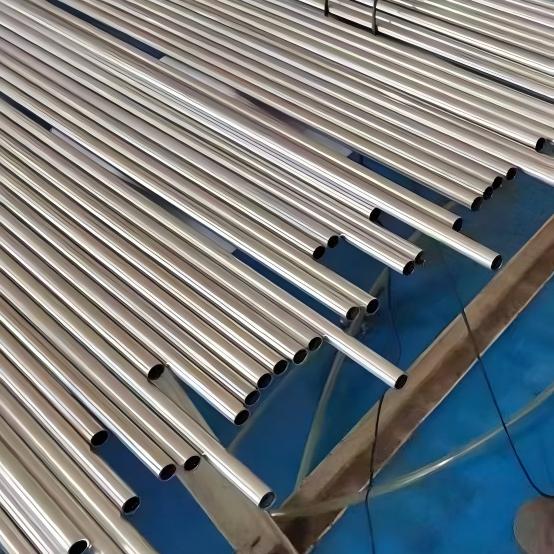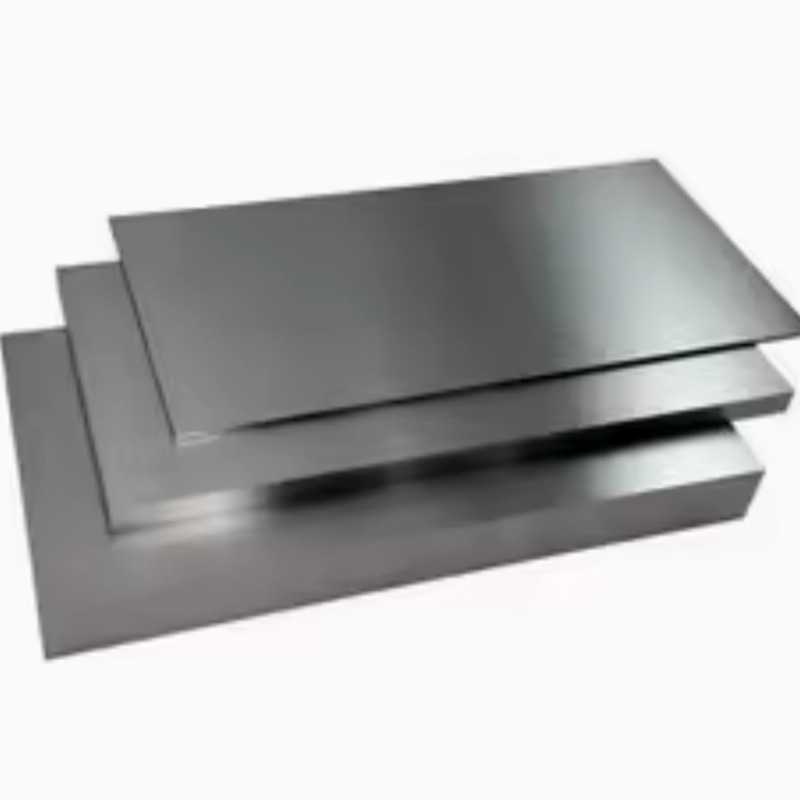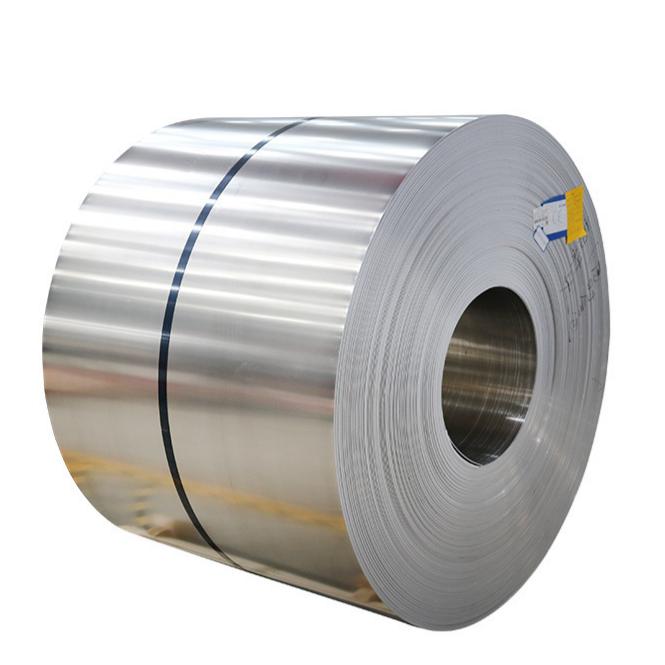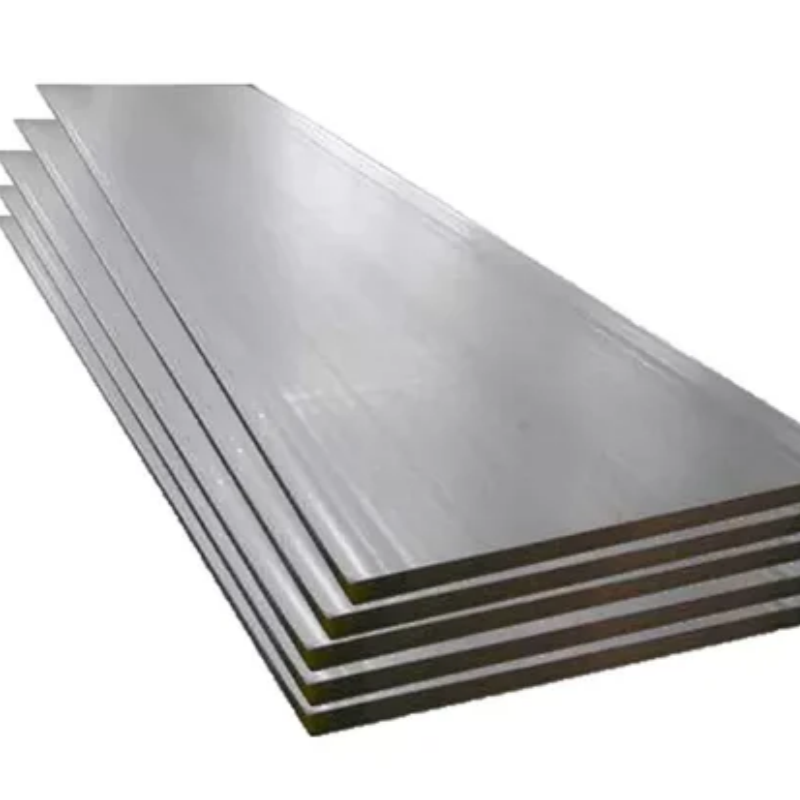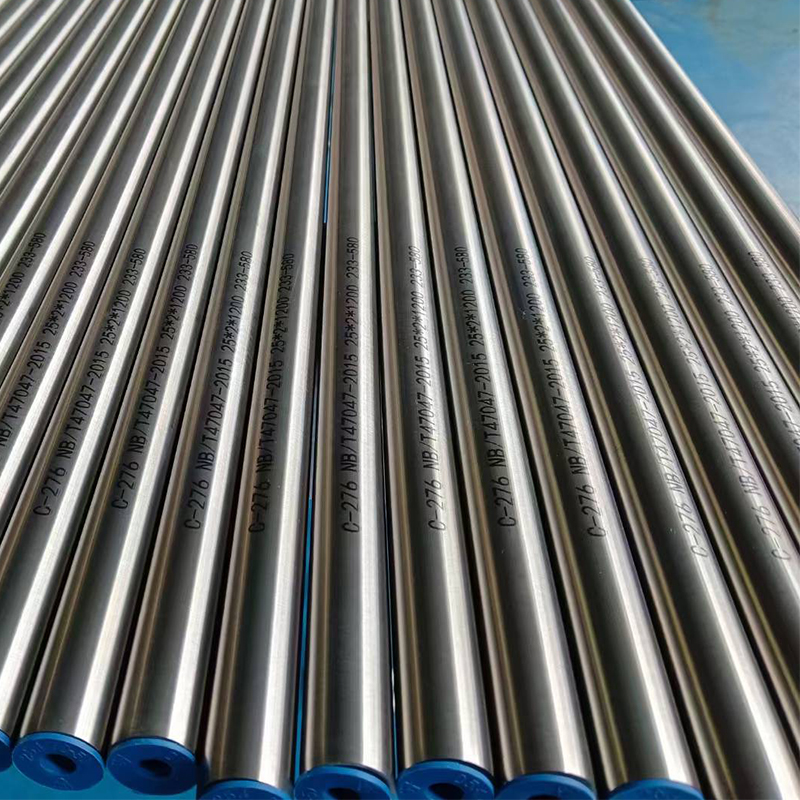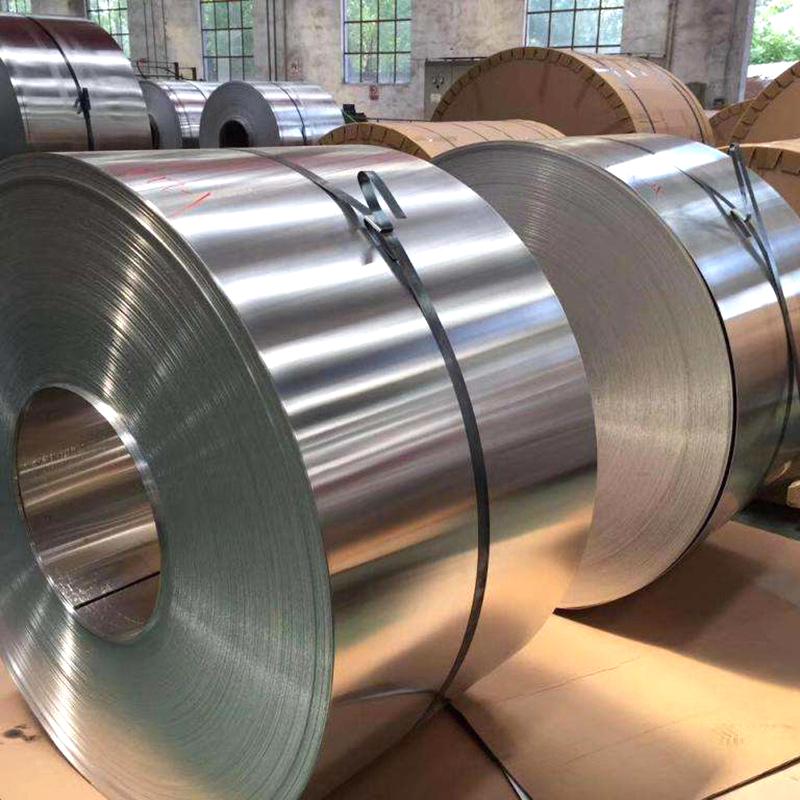
Recently, a number of industry reports show that the global and Chinese nickel alloy markets will usher in a new round of growth cycle in 2026, with the market scale steadily rising. Among them, high-end, customization and greenization have become the core trends of the industry's development, the process of domestic substitution is accelerating, and the industry competition pattern is undergoing profound changes.
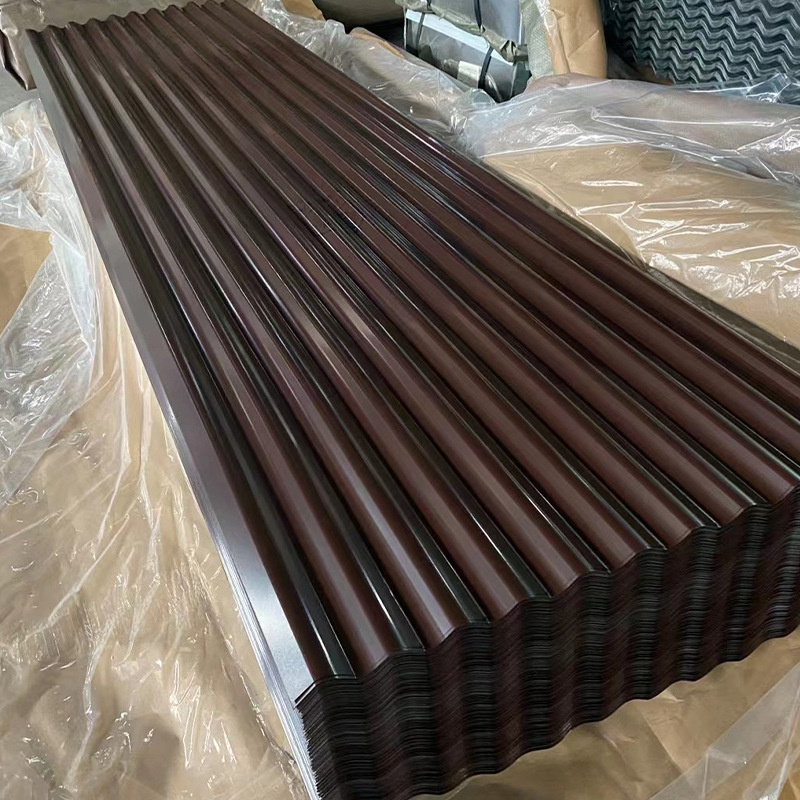
According to data from international authoritative consulting institutions, the global Nickel-based Alloy market scale reached about 18.45 billion US dollars in 2023, and is expected to expand at a Compound Annual Growth Rate (CAGR) of 6.8% from 2024 to 2026. The global market scale will climb to about 22.89 billion US dollars in 2026. As the world's largest producer and consumer of nickel alloy, China's market growth rate will be significantly higher than the global average. It is expected that the scale of China's nickel-based alloy market will reach about 75 billion yuan by the end of 2026, with an average annual growth rate of 8.2%.
The core driving force for market growth comes from the demand upgrading of downstream industries. In the aerospace field, with the mass production of domestic large aircraft and the advancement of high thrust-weight ratio engine R&D, the demand for high-performance wrought superalloys such as Inconel 718 continues to increase; in the energy and chemical industry, the construction of nuclear power plants, the upgrading of ultra-supercritical coal-fired units and the localization substitution of heavy gas turbines provide stable high-end demand support for nickel alloy; in emerging fields, the demand for hydrogen embrittlement-resistant and ultra-high-purity nickel alloy in hydrogen storage and transportation, 3D printing, semiconductor manufacturing and other fields is building a second growth curve for the industry.
It is worth noting that the nickel alloy market in 2026 shows obvious high-end and customization trends. With the improvement of downstream users' requirements for material performance and stability, the purchasing decision has shifted from a single price orientation to a comprehensive consideration of performance consistency, delivery cycle and technical support. The proportion of Customized Products is expected to exceed 40%. Among them, high-end products such as 4th Generation Single Crystal Superalloy and Powder Metallurgy Superalloy, which can meet extreme working conditions, have significant market premium and become the core focus of enterprise competition.
In terms of domestic substitution, leading domestic enterprises such as Baosteel Special Steel and Fushun Special Steel have achieved technological breakthroughs in smelting purity control and heat treatment process stability through continuous R&D investment, gradually breaking the monopoly of foreign enterprises on high-end grades. It is expected that the self-sufficiency rate of domestic high-end nickel-based alloys will increase from about 55% currently to more than 70% in 2026, and the large-scale adoption rate of domestic products in non-extreme key components will reach a new high.
At the same time, the full implementation of the EU Carbon Border Adjustment Mechanism (CBAM) has forced nickel alloy enterprises to accelerate the layout of green power smelting and low-carbon production processes. The breakthrough and application of recycled nickel resource recycling technology will become an important measure for enterprises to control costs and respond to environmental constraints. Industry experts said that in 2026, the nickel alloy industry will bid farewell to simple production capacity competition and enter a high-quality development stage of "technology competition, service competition and green competition". Leading enterprises with core technologies and flexible production capabilities will occupy a larger market share.
 Hot News
2026-05-20
2026-05-13
2026-05-01
 EN
EN