Choosing Alloy 625 Pipe for Your Project

All Categories
Get a Quote

Get a Free Quote

Our representative will contact you soon.
Email
Mobile
Name
Company Name
Message
0/1000

Alloy 625 pipe

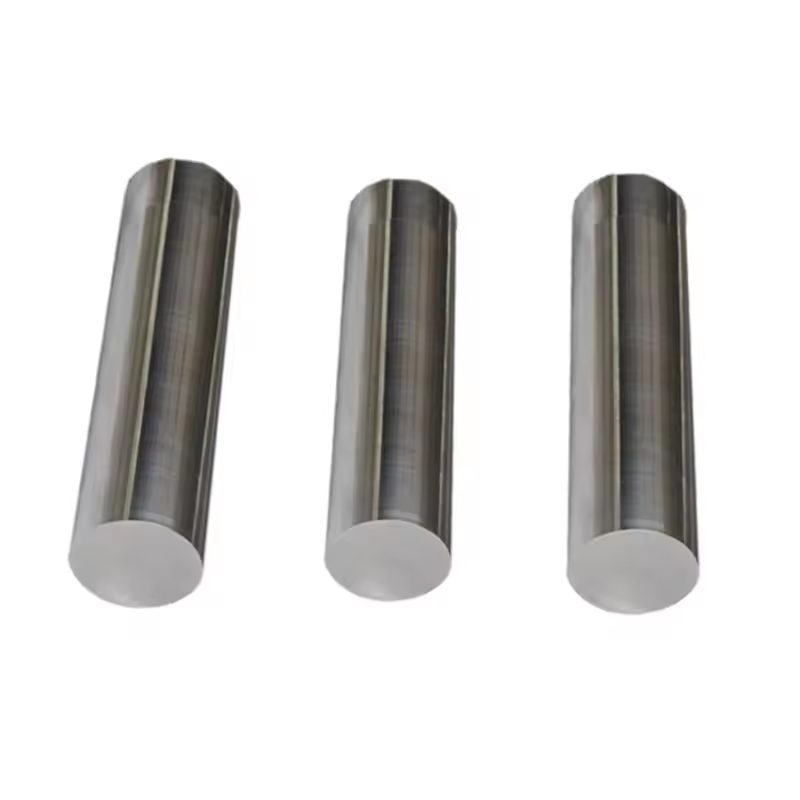
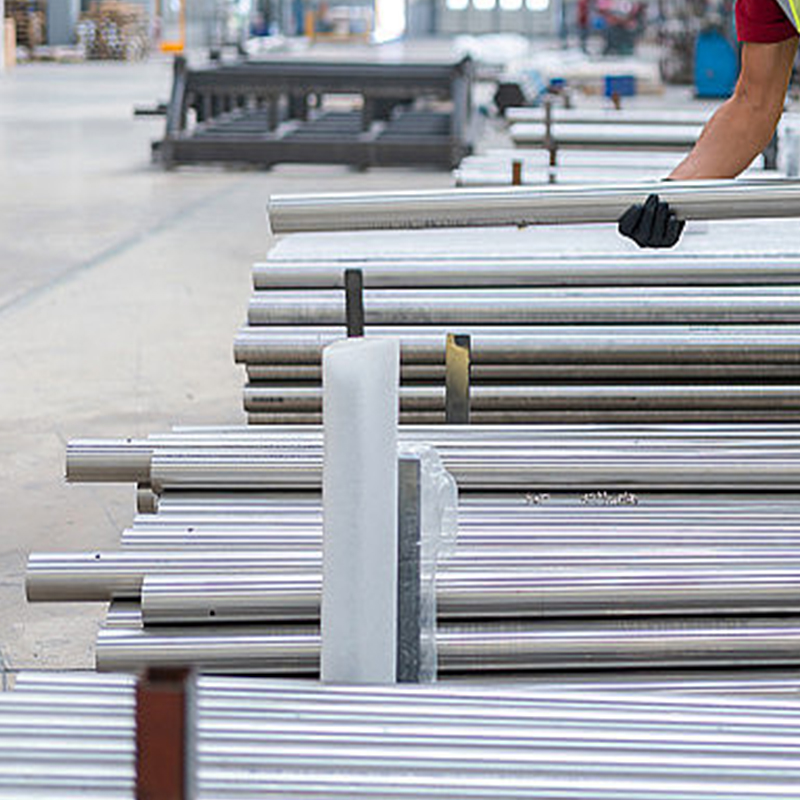
Alloy 625 pipe is a high-performance nickel alloy product known for its exceptional resistance to high temperatures and corrosion, making it a preferred choice in various demanding industries. When considering alloy 625 pipe for your next project, B2B buyers often have concerns about material specifications, supplier reliability, and installation challenges. This article will guide you through essential aspects of Boyue alloy 625 pipe, helping you make informed purchasing decisions.
Our Products

How to Choose Alloy 625 Pipe for Your Next Project

Selecting the right alloy 625 pipe involves understanding your project's specific requirements and the material's properties.  Key considerations include: 

Application Requirements: Determine the operating environment where the pipe will be used. Alloy 625 is particularly suited for high-temperature and corrosive environments, such as aerospace, nuclear power, and the oil and gas industries. 

Dimensions and Specifications: Identify the required dimensions, including diameter, wall thickness, and length. Alloy 625 pipes are available in various sizes, and the right configuration is crucial for compatibility with existing systems. 

Performance Characteristics: Evaluate the mechanical properties of alloy 625, such as tensile strength, yield strength, and elongation. These properties influence how well the pipe will perform under stress and temperature variations. 

Customization Needs: If your project requires specific modifications, such as custom lengths or fittings, confirm that your supplier can accommodate these requests. 

By carefully considering these factors, you can ensure that you select the most suitable nickel alloy pipe for your application.

Get a Free Quote

Our representative will contact you soon.
Email
Mobile
Name
Company Name
Message
0/1000

Related product categories

Key Specifications of Alloy 625 Pipe for Wholesale Buyers

When purchasing Boyue alloy 625 pipe, it’s essential to understand the key specifications that define its quality and suitability for your needs. Here are the most critical specifications to review:  

Material Composition: Alloy 625 typically comprises nickel (58%), chromium (20-23%), and molybdenum (8-10%), providing excellent corrosion resistance and high strength. Ensure that the material composition meets your project's standards.  

Standards and Certifications: Verify that the alloy 625 pipe complies with relevant industry standards, such as ASTM B443 or ASME SB443. Certification from recognized bodies (ISO9001, AS9100, etc.) ensures that the material has been tested and meets quality benchmarks.  

Dimensions and Tolerances: Confirm the tolerances for diameter and wall thickness. Specifications often include nominal dimensions and acceptable deviations, which can affect the fit and function in your application.  

Mechanical Properties: Review the tensile strength (at least 570 MPa), yield strength (minimum 240 MPa), and elongation percentage (typically around 30%). These properties indicate how the material will behave under stress. 

Understanding these specifications will help you make informed decisions and avoid costly mistakes in your procurement process.

Where to Source Reliable Alloy 625 Pipe Suppliers

Finding reliable suppliers for alloy 625 pipe is crucial for ensuring product quality and service reliability. Here are some strategies to identify trustworthy sources: 

Industry Research: Start by conducting thorough online research to identify manufacturers specializing in nickel alloys.  Look for companies with a solid reputation and extensive experience in the industry. 

Certifications and Compliance: Prioritize suppliers with relevant certifications, such as ISO9001, AS9100, and PED.  These certifications demonstrate a commitment to quality management and industry standards. 

Customer Reviews and Testimonials: Check for customer feedback and case studies that highlight the supplier's performance and reliability. Direct testimonials from previous clients can provide insights into their service quality. 

Sample Requests: Before committing to a large order, request samples to evaluate the material's quality and ensure it meets your specifications. This step can help prevent issues before mass production. 

By following these steps, you can identify reliable suppliers who will meet your nickel alloy tube effectively.

Common Installation Challenges with Alloy 625 Pipe Solutions

Installing alloy 625 pipe can pose challenges, particularly in demanding environments. Understanding these challenges and their solutions will enhance your installation process: 

Welding Difficulties: Boyue Alloy 625 can be challenging to weld due to its high nickel content. It is advisable to use specific welding techniques, such as TIG welding, and to preheat the pipe to reduce the risk of cracking. Ensure that your welders are experienced with nickel alloys. 

Fitting Compatibility: Ensure that all fittings and components are compatible with alloy 625. Mismatched materials can lead to corrosion and failure. Conduct a compatibility assessment before installation. 

Thermal Expansion: Due to its thermal properties, alloy 625 experiences expansion and contraction under temperature changes. Proper allowances must be made in the installation design to accommodate thermal movement and prevent stresses. 

Quality Control: Implementing rigorous quality checks throughout the installation process can help identify potential issues early. Inspect for proper alignment, secure fittings, and adequate welding penetration. 

Being aware of these common challenges and their solutions can help ensure a smooth installation process for your alloy 625 pipe systems.

Pros and Cons

Understanding the advantages and disadvantages of alloy 625 pipe is crucial for making an informed purchasing decision. Here are some key points:  

Corrosion Resistance: Alloy 625 exhibits exceptional resistance to various corrosive environments, making it ideal for applications in chemical processing and marine environments. 

High-Temperature Stability: The alloy maintains its mechanical properties even at elevated temperatures, making it suitable for aerospace and power generation applications. 

Ease of Fabrication: Alloy 625 can be fabricated into complex shapes and sizes, providing flexibility in design. 

Cons: 

Cost: Alloy 625 is generally more expensive than other materials, such as carbon steel or stainless steel, which may impact budget considerations. 

Welding Complexity: The unique properties of alloy 625 can complicate the welding process, requiring skilled labor and specific techniques. 

Availability: Depending on your location, sourcing alloy 625 pipe may present challenges, particularly in smaller quantities. 

By weighing these pros and cons, you can better assess whether nickel based alloy is the right choice for your project needs.