Choosing the Right Incoloy Alloy for Your Project

All Categories
Get a Quote

Get a Free Quote

Our representative will contact you soon.
Email
Mobile
Name
Company Name
Message
0/1000

Incoloy alloy

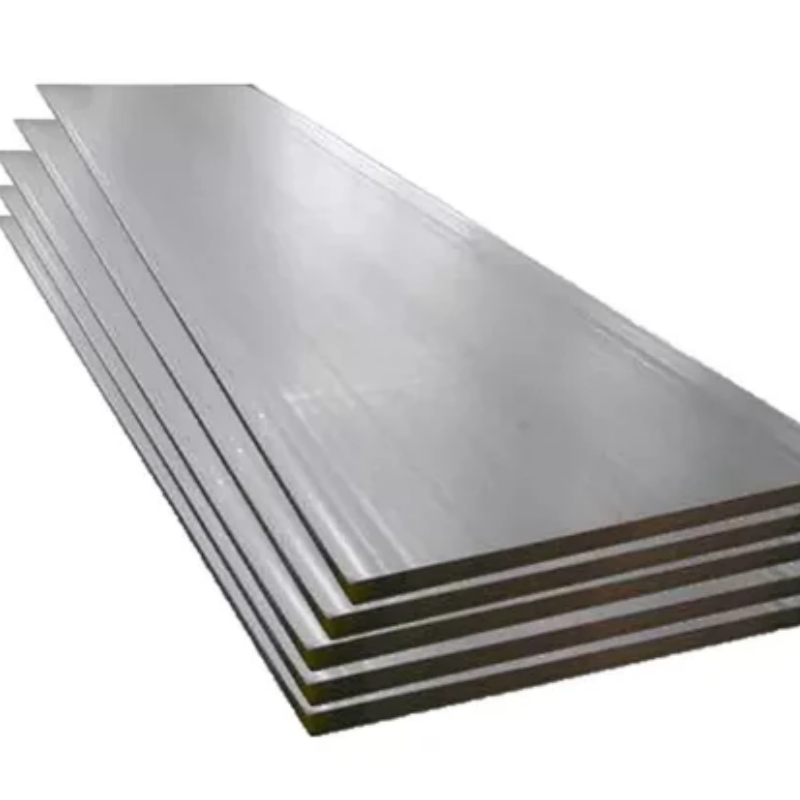
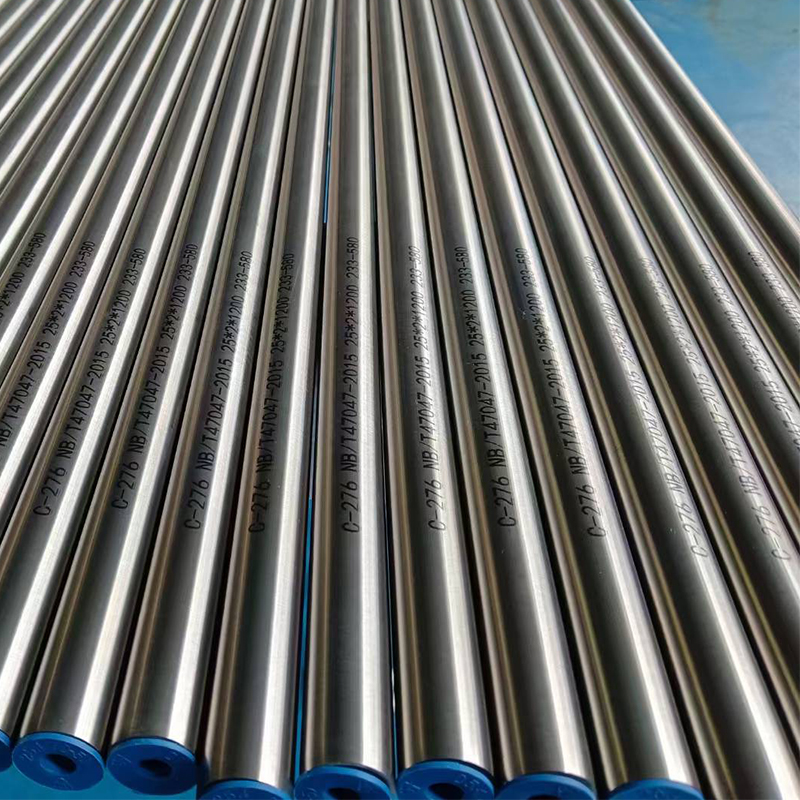
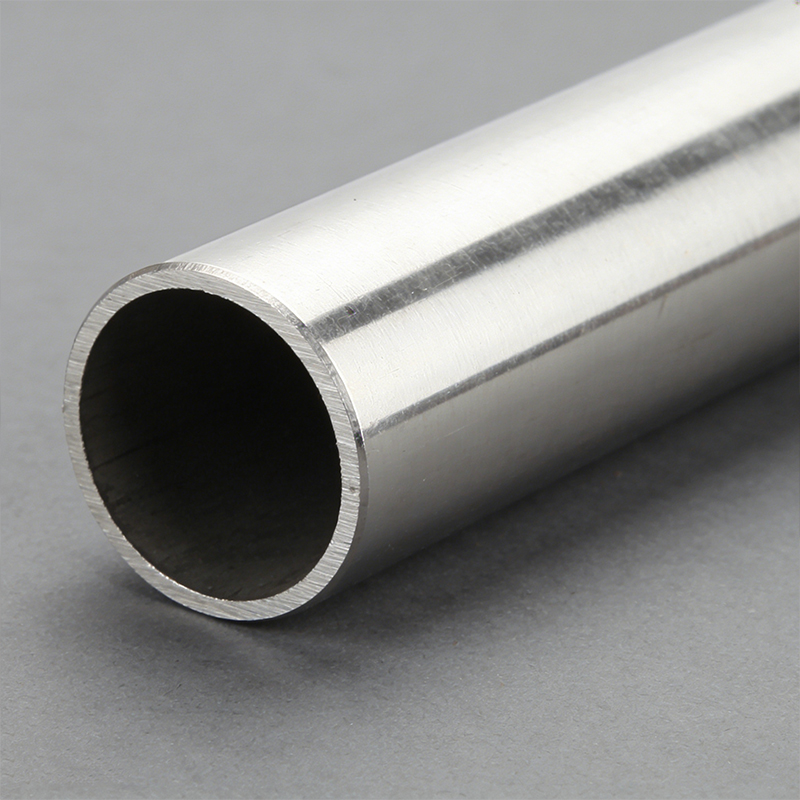
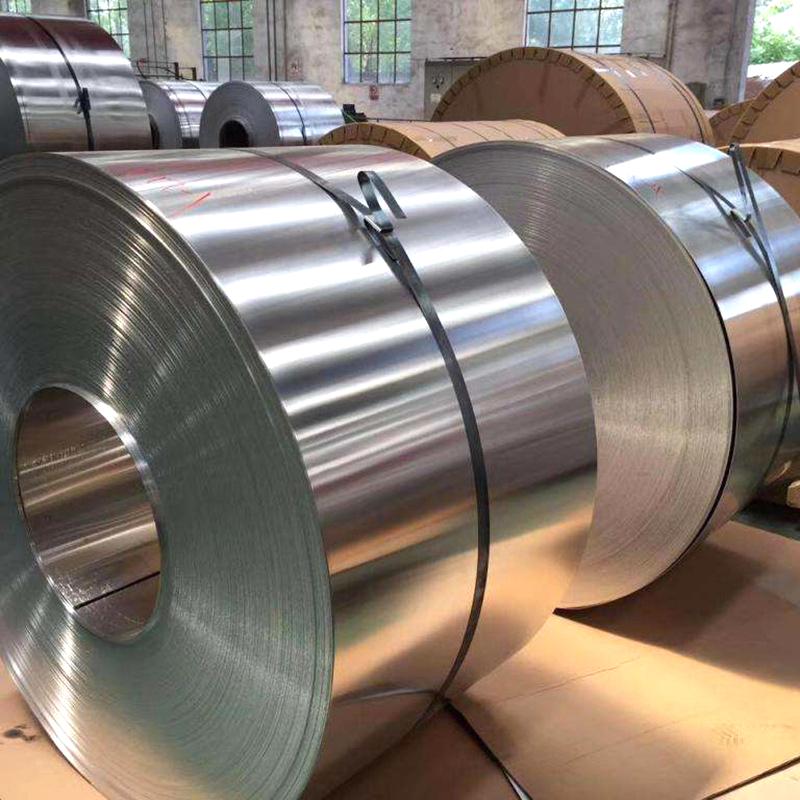
Incoloy alloys are high-performance materials known for their exceptional resistance to corrosion and heat, making them suitable for demanding applications in various industries, including aerospace, petroleum, and nuclear power. For B2B buyers, selecting the right alloy involves understanding technical specifications, performance requirements, and application suitability. This article will guide you through the crucial aspects of Incoloy alloys, helping you make informed purchasing decisions
Our Products

Choosing the Right Incoloy Alloy for Your Next Project

When selecting an Incoloy 800H alloy, consider the specific requirements of your application. Different types of Incoloy alloys, such as Incoloy 800, 825, and 925, offer varying levels of resistance to oxidation, corrosion, and stress. For example, Incoloy 800 is known for its ability to withstand high temperatures and pressures, making it ideal for furnace and heat exchanger applications. In contrast, Incoloy 825 provides excellent resistance to both acidic and alkaline environments, which is beneficial in chemical processing industries

Buyers should evaluate factors like mechanical properties, thermal stability, and the alloy's performance under specific environmental conditions. Additionally, consulting with manufacturers like Jiangsu Boyue Alloy Materials Co., Ltd. can provide insights into the best alloy choice for your needs based on their extensive experience in manufacturing and supplying Incoloy products

Get a Free Quote

Our representative will contact you soon.
Email
Mobile
Name
Company Name
Message
0/1000

Related product categories

Key Specifications to Look for in Incoloy Alloys

Understanding the key specifications of Incoloy alloys is vital for ensuring they meet the demands of your application. Important specifications include

Chemical Composition: The alloy's elemental makeup directly influences its performance. For instance, higher nickel content enhances corrosion resistance, while chromium improves oxidation resistance

Mechanical Properties: Tensile strength, yield strength, and elongation are crucial for determining how the alloy will perform under stress. These properties should align with the operational requirements of your application

Temperature and Pressure Ratings: Each Incoloy alloy has specific limits for temperature and pressure. Ensure that the selected alloy can withstand the conditions it will face during operation

Corrosion Resistance: Depending on the environment, you may require specific resistance to pitting, crevice corrosion, or stress corrosion cracking. Conducting a thorough analysis of the operating environment will help in selecting the right alloy

Confirming these specifications with manufacturers before placing an order can prevent costly mistakes and ensure the selected material is suitable for the intended application

How Incoloy Alloy Enhances Performance in Harsh Environments

Incoloy alloys are engineered to perform exceptionally well in harsh environments. Their unique composition allows them to resist oxidation and corrosion, which are common challenges in high-temperature and high-pressure applications. For example, Incoloy 800 can withstand temperatures exceeding 1,000°F (540°C) while maintaining its structural integrity, making it ideal for heat exchangers and industrial furnaces

Moreover, these alloys exhibit excellent mechanical properties even at elevated temperatures, which is crucial for components that operate under severe conditions. Their ability to resist deformation and maintain strength ensures reliability and longevity in critical applications, such as those found in the aerospace and nuclear power sectors

When selecting Incoloy alloys, consider the specific environmental challenges your application will face, such as exposure to harsh chemicals or extreme temperature fluctuations. This will help ensure optimal performance and durability

Installation Tips for Incoloy Alloy Products in Your Projects

Proper installation of Incoloy alloy products is essential for maximizing their performance and lifespan. Here are some practical tips to consider

Surface Preparation: Ensure that all surfaces are clean and free of contaminants before installation. Contaminants can lead to corrosion or compromised integrity of the joints

Machining: If machining is necessary, use tools designed for working with nickel alloys. This helps prevent work-hardening and ensures clean cuts

Welding: When welding Incoloy alloys, follow specific procedures to avoid defects. Preheating may be required depending on the alloy and the thickness of the material. Ensure that the filler material is compatible with the base alloy to maintain corrosion resistance

Inspection: After installation, conduct thorough inspections to check for proper alignment and secure fittings. This step is crucial for ensuring that the products can handle the operational stresses they will face

Testing: Where applicable, perform non-destructive testing (NDT) to verify the integrity of the installation, especially in critical applications where failure could have severe consequences

By following these installation tips, you can reduce the risk of failure and ensure that your Incoloy alloy products perform optimally in your projects

Common Incoloy Alloy Problems and Effective Solutions

While Incoloy alloys are known for their durability, they can still encounter issues that may affect performance. Common problems include

Corrosion: Despite their resistance, Incoloy alloys can still suffer from localized corrosion in certain environments. To mitigate this, it's important to choose the right alloy type based on the specific corrosive agents present

Welding Cracking: Improper welding techniques can lead to cracking. Ensure that the correct welding procedures are followed, and consider post-weld heat treatment to relieve residual stresses

Material Deformation: Under high temperatures, Incoloy alloys can experience deformation. This is often mitigated by selecting alloys with appropriate mechanical properties for the intended application

To resolve these issues, thorough testing and quality control measures throughout the manufacturing process are essential. Additionally, liaising with your supplier can help identify the best practices for installation and maintenance to prevent these problems from arising

By addressing these common challenges proactively, you can ensure the long-term reliability of your Incoloy 825 alloy applications