 EN

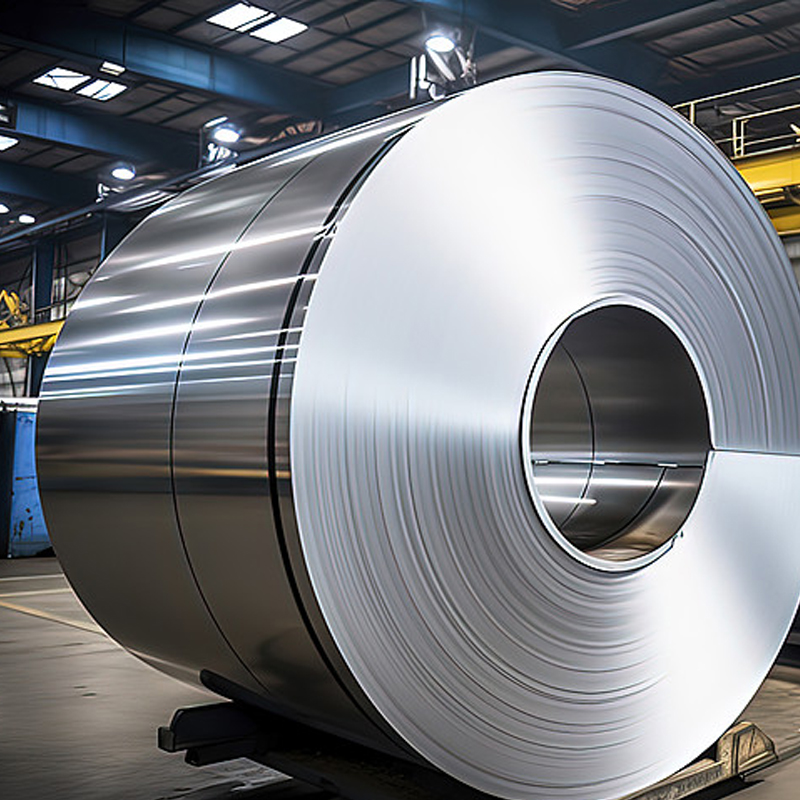
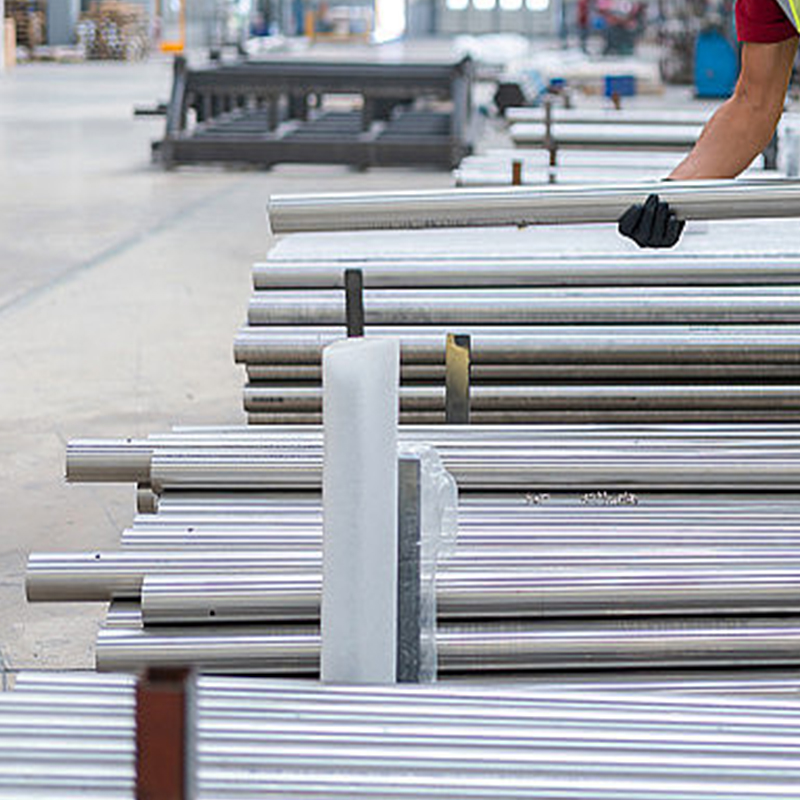
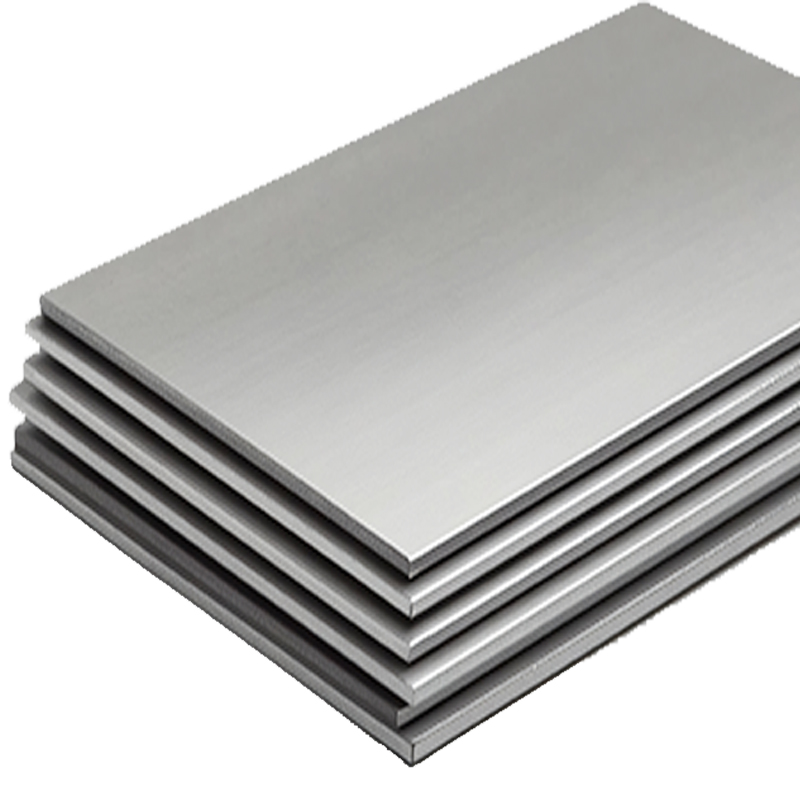
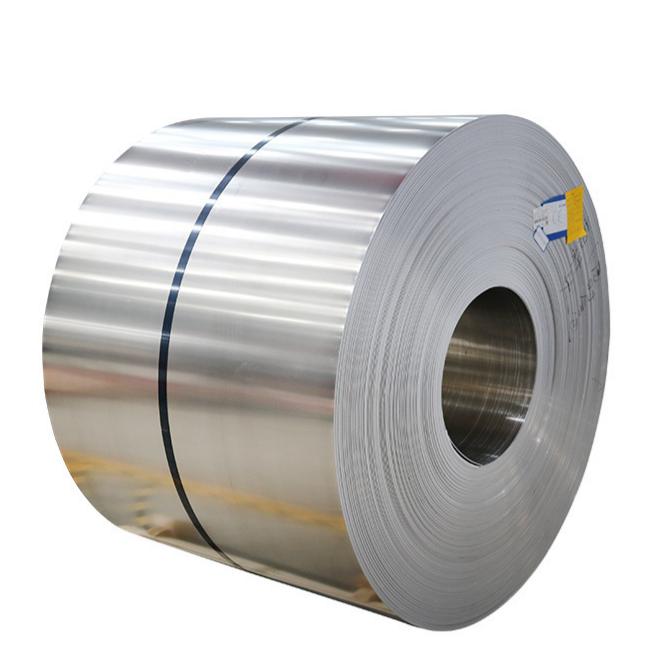
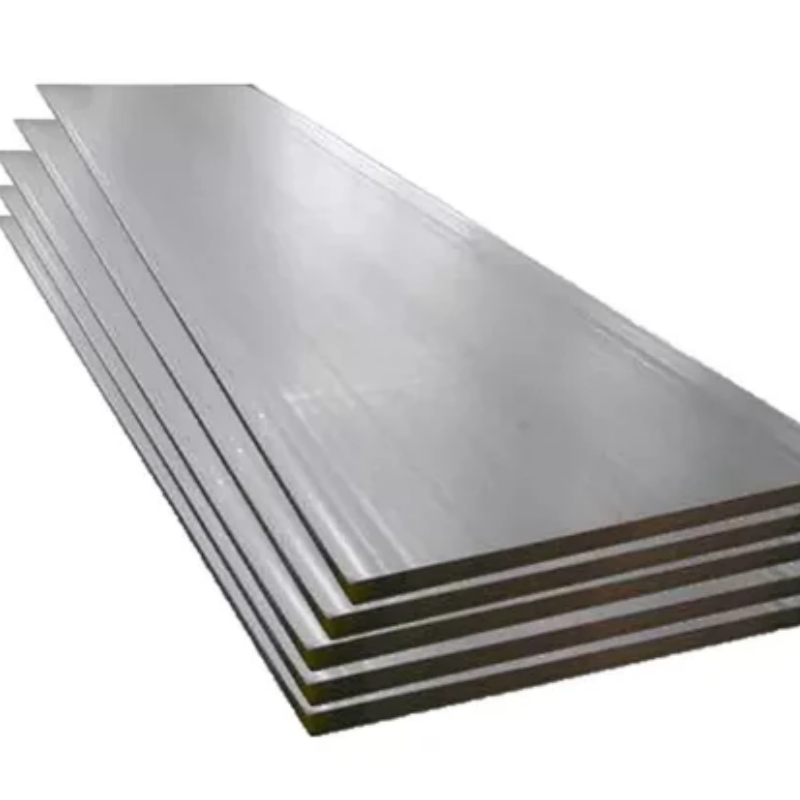
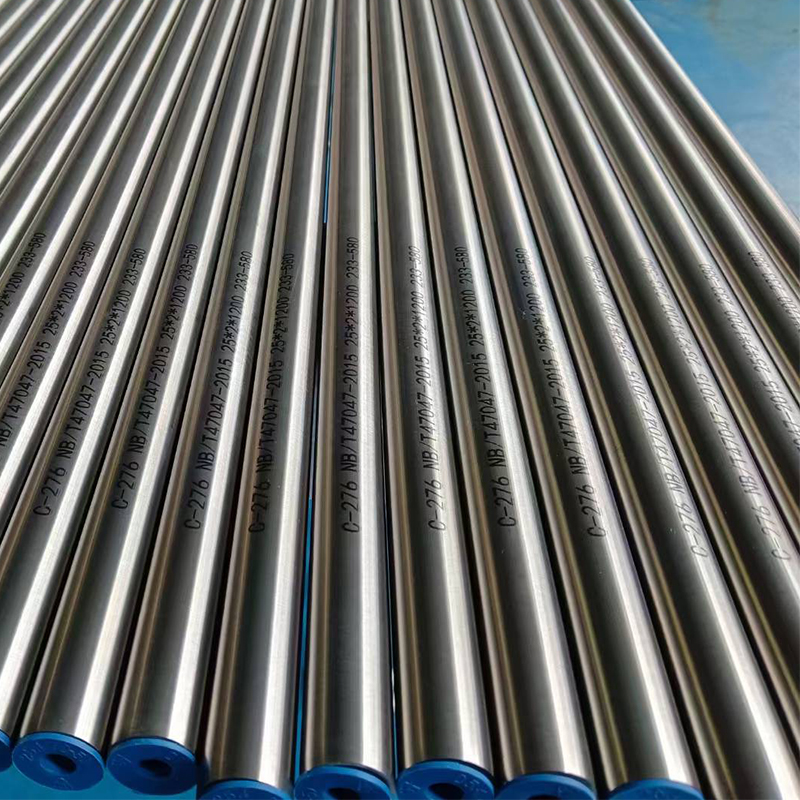
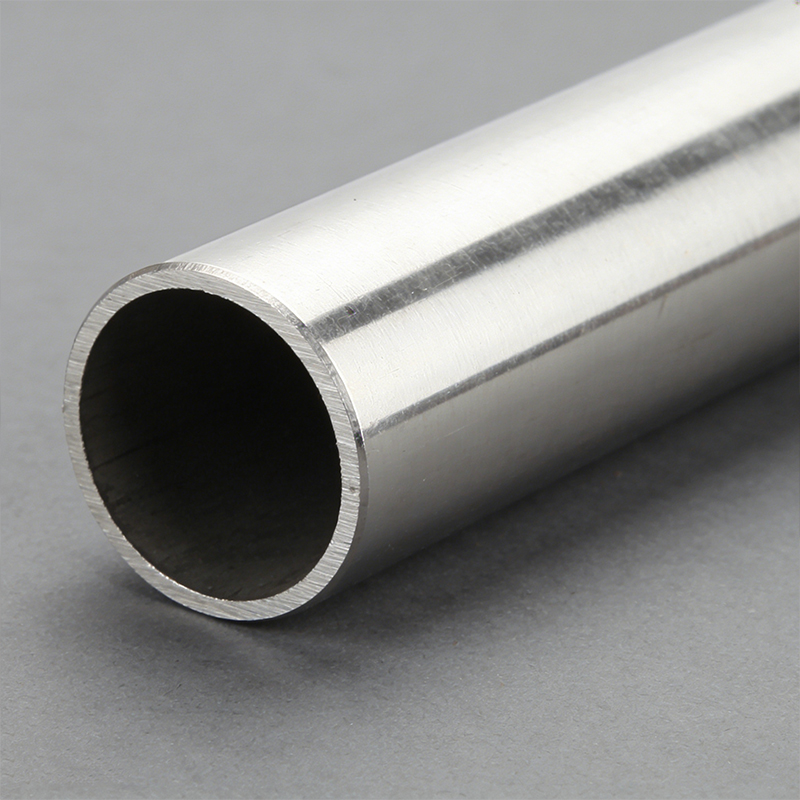
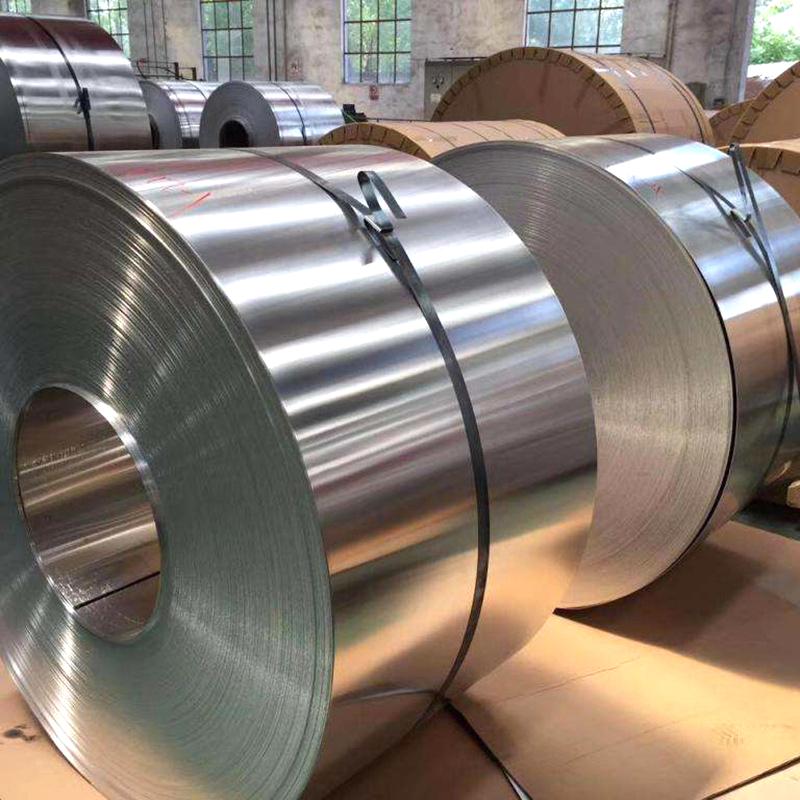
Nickel alloy pipes are essential components in various high-performance applications, particularly in industries like aerospace, petroleum, and energy. As a purchasing manager or engineer, understanding the specifications, applications, and potential challenges associated with nickel HASTELLOY alloy is crucial for making informed decisions. This article will guide you through finding reliable suppliers, navigating installation challenges, evaluating cost factors, and recognizing the advantages of nickel alloy pipes in various sectors.


Common Installation Challenges with Nickel Alloy Pipes and Solutions
Installing nickel alloy pipes can present unique challenges, often stemming from their specific material properties and applications. One common issue is the difficulty in welding nickel alloys due to their susceptibility to cracking if not properly managed. It is crucial to use compatible filler materials and preheat the pipes to minimize stress. Another challenge is ensuring proper alignment and support during installation. Nickel INCOLOY alloy may require specialized supports to handle their weight and thermal expansion. Proper planning and consultation with engineers familiar with nickel alloys can help avoid misalignment and ensure a successful installation.
Lastly, corrosion resistance is a key advantage of nickel alloys, but the installation environment can still impact performance. Ensure that any protective coatings or surface treatments are maintained, especially in corrosive environments. Regular inspections and maintenance can prevent long-term issues associated with corrosion.