Choosing the Right Inconel Alloy for Your Project Needs

All Categories
Get a Quote

Get a Free Quote

Our representative will contact you soon.
Email
Mobile
Name
Company Name
Message
0/1000

Inconel alloy

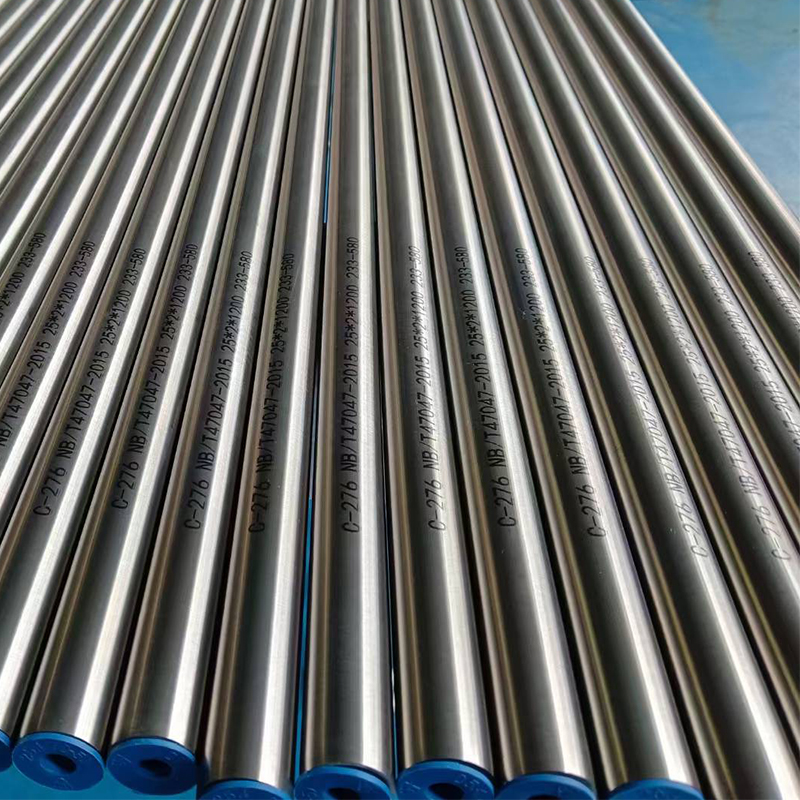
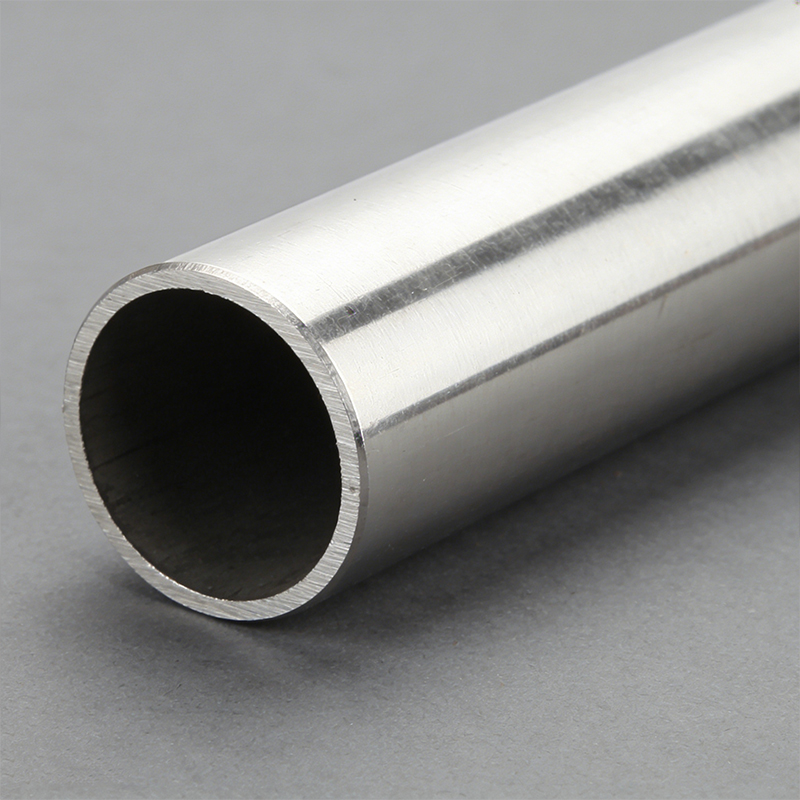
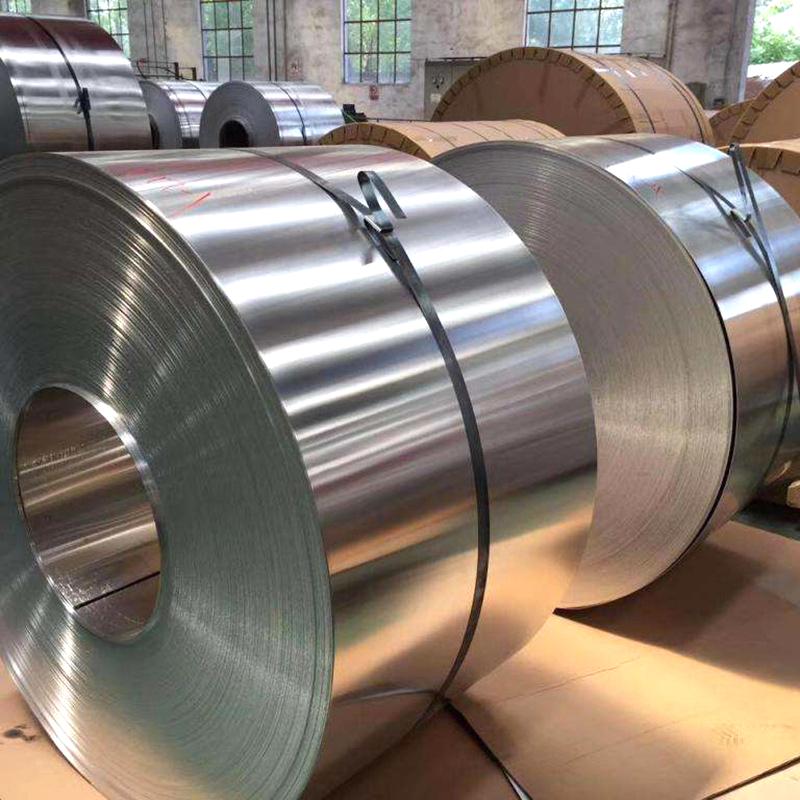
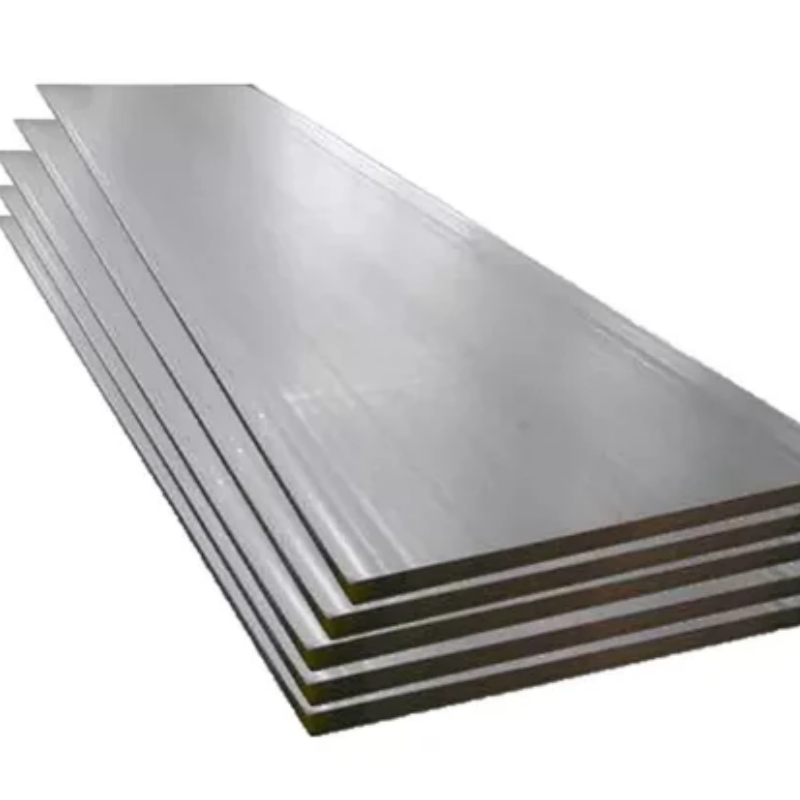
Inconel alloys are high-performance nickel-chromium-based superalloys known for their exceptional resistance to heat and corrosion. These properties make them a popular choice in demanding industries such as aerospace, petroleum, and nuclear power. B2B buyers, including purchasing managers and engineers, often face challenges in selecting the right alloy to meet specific project requirements, understanding supplier capabilities, and ensuring quality and performance standards. This article will help clarify these concerns, providing valuable insights into choosing, sourcing, and evaluating Inconel 718.
Our Products

Choosing the Right Inconel Alloy for Your Project Needs

Selecting the appropriate Inconel alloy hinges on understanding the specific application requirements. Different alloys exhibit varying properties tailored for unique environments. For instance, Inconel 625 is ideal for high-stress and corrosive environments due to its superior fatigue strength and resistance to pitting, while Inconel 718 is often used in high-temperature applications like gas turbines, where its ability to retain strength at elevated temperatures is crucial. 

When choosing an alloy, consider the operating conditions, such as temperature, pressure, and exposure to corrosive substances. It’s also essential to assess the mechanical properties required for your application, including tensile strength, yield strength, and ductility. Collaborating with a knowledgeable supplier can help clarify these specifications and ensure that the selected alloy meets both current and future needs.

Get a Free Quote

Our representative will contact you soon.
Email
Mobile
Name
Company Name
Message
0/1000

Related product categories

Where to Source Reliable Inconel Alloy Suppliers for Bulk Orders

Finding a reputable supplier for bulk orders of Inconel alloys involves several critical steps. Start by identifying manufacturers who specialize in nickel alloys and have a proven track record in the industry. Look for suppliers with relevant certifications, such as ISO9001 and AS9100, which indicate a commitment to quality management and customer satisfaction. 

Trade shows, industry publications, and online directories can also provide valuable leads on potential suppliers. It’s advisable to request samples or small orders initially to assess the quality of the materials and the supplier's responsiveness. Establishing a good relationship with your supplier can facilitate better communication, customization options, and potentially favorable pricing arrangements for future orders. 

Key Specifications to Evaluate When Purchasing Inconel Alloys

Several key specifications should be evaluated when purchasing Boyue Inconel alloys. These include: 

Chemical Composition: Understanding the specific nickel, chromium, and other alloying elements is vital since these dictate the corrosion resistance and mechanical properties of the alloy. 

Mechanical Properties: Confirm the tensile strength, yield strength, and elongation. These properties are crucial for ensuring the alloy can withstand the operational demands of your application. 

Dimensions and Tolerances: Ensure that the dimensions and tolerances meet your project requirements. Custom dimensions may be necessary, especially for specialized applications. 

Surface Finish: Depending on the application, surface finish can impact performance, especially in corrosion resistance and fatigue life. Discuss the required finish with your supplier. 

Heat Treatment: Some inconel material may require specific heat treatments to optimize their properties. Ensure that your supplier can provide the necessary heat treatment processes. 

By closely evaluating these specifications, buyers can mitigate risks associated with purchasing and ensure the alloy will perform adequately in its intended application.

Applications and Use Cases

Inconel alloys are utilized across various industries due to their exceptional properties. In aerospace, for example, Inconel 718 is employed in critical components like turbine blades and combustion chambers, where resistance to extreme temperatures and pressures is essential. In the petrochemical industry, Inconel 625 is often favored for piping and valves due to its outstanding resistance to chloride-induced stress corrosion cracking. 

Other notable applications include: 

Oil and Gas: Used in drilling and production environments where high temperatures and corrosive substances are prevalent.  

Nuclear Power: Employed in reactor components and heat exchangers due to their ability to withstand radiation and high-temperature conditions. 

Marine Applications: Inconel alloys are used in offshore oil rigs and marine equipment, where they are exposed to aggressive saltwater environments. 

Understanding the specific use cases for each Boyue alloy type can greatly aid in selecting the right material for your project.

What to Look for in Quality and Performance

When assessing the quality and performance of Boyue Inconel alloys, several factors warrant attention: 

Certifications: Ensure your supplier has relevant certifications that demonstrate compliance with international quality standards. Look for documentation that confirms the alloy's chemical composition and mechanical properties. 

Traceability: Reliable suppliers should provide traceability for their products, allowing you to track the material's origin and processing history. This is crucial for quality assurance and compliance in regulated industries. 

Testing and Inspection: Inquire about the supplier's testing methods for the alloys. Mechanical testing, such as tensile tests and fatigue tests, along with non-destructive testing methods, can provide insights into the material's performance. 

Customer Feedback and Reviews: Research feedback from other customers regarding the supplier's reliability and product quality. Testimonials can provide valuable information about the supplier's consistency and service level. 

Customization Capabilities: Evaluate whether the supplier can accommodate your specific needs, including custom sizes, finishes, and processing requirements. This flexibility can be advantageous for specialized applications. 

By focusing on these quality indicators, buyers can ensure they are selecting inconel 600 that meet their project standards and performance expectations.