Key Factors in Sourcing Nickel-Based Alloys

All Categories
Get a Quote

Get a Free Quote

Our representative will contact you soon.
Email
Mobile
Name
Company Name
Message
0/1000

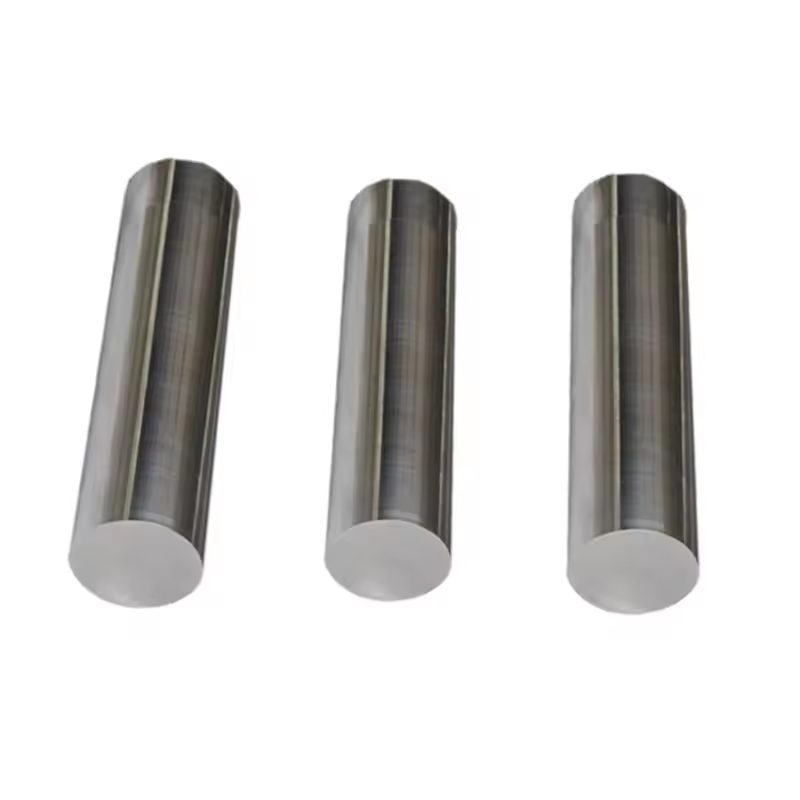
Nickel based alloy

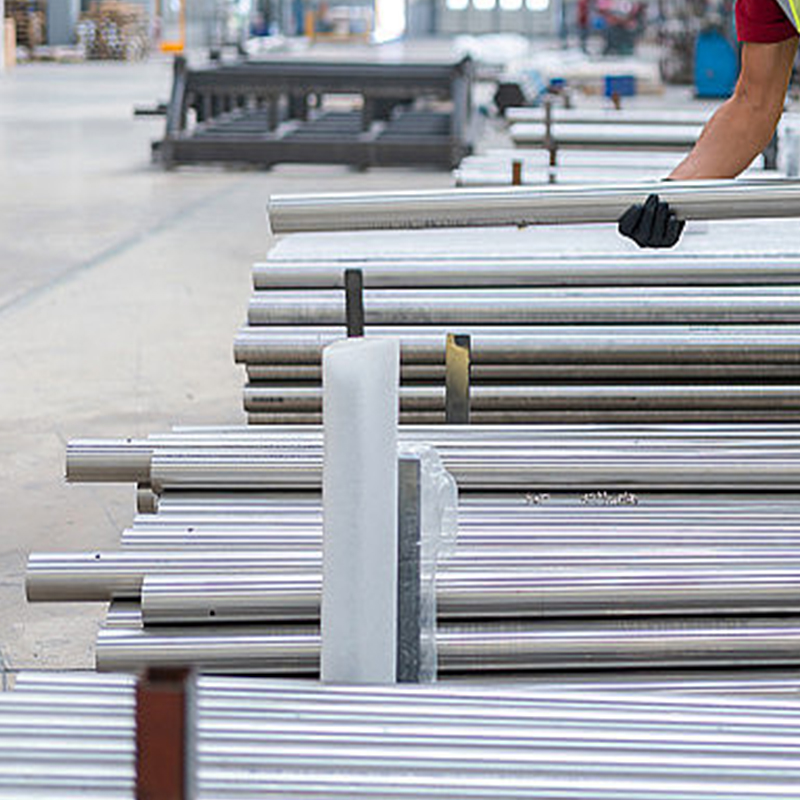
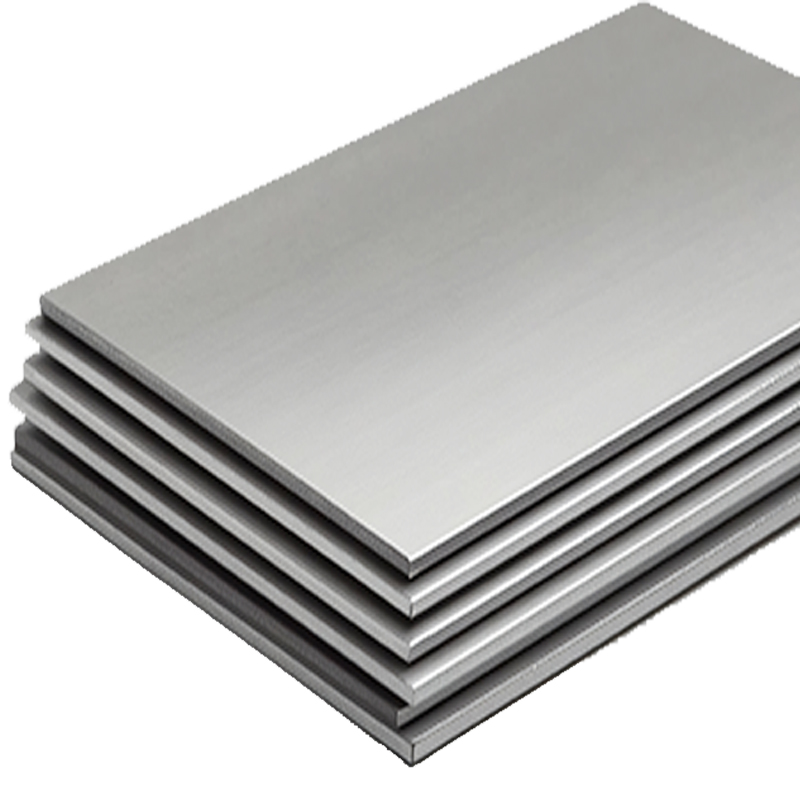
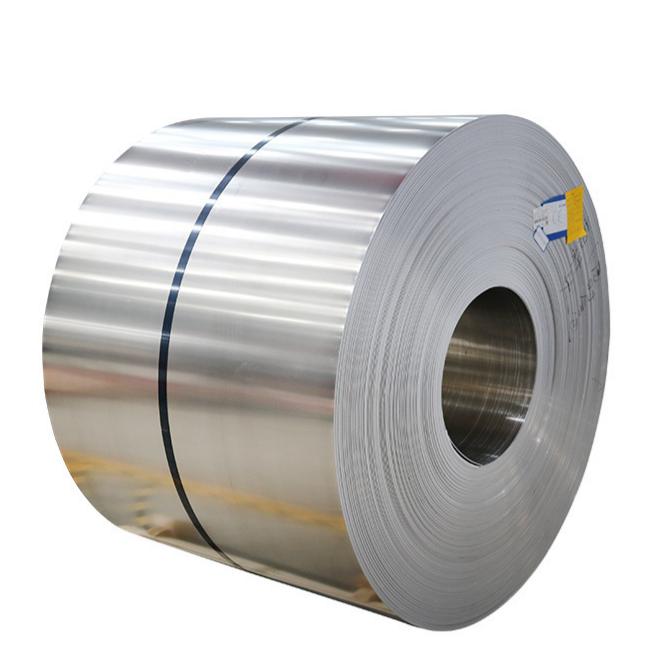
Nickel-based alloys are essential materials in various industries due to their excellent corrosion resistance, high-temperature strength, and versatility. For buyers in manufacturing, energy, aerospace, and other sectors, understanding the characteristics and specifications of these alloys is crucial for making informed purchasing decisions. This article will delve into critical factors to consider when sourcing nickel-based alloys, helping purchasing managers and engineers identify reliable suppliers, comprehend cost factors, and evaluate the best options for their applications
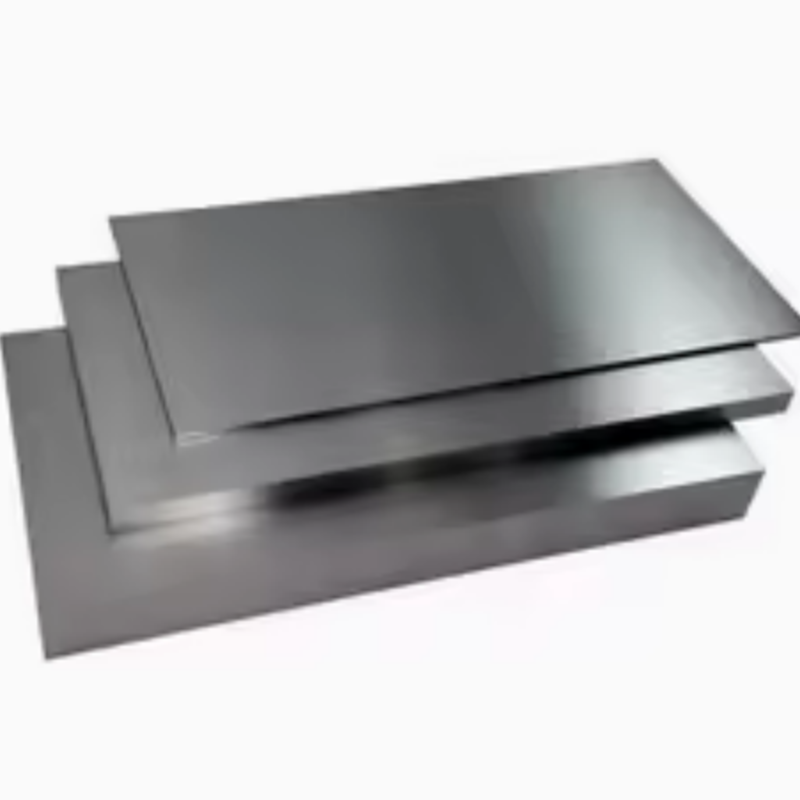
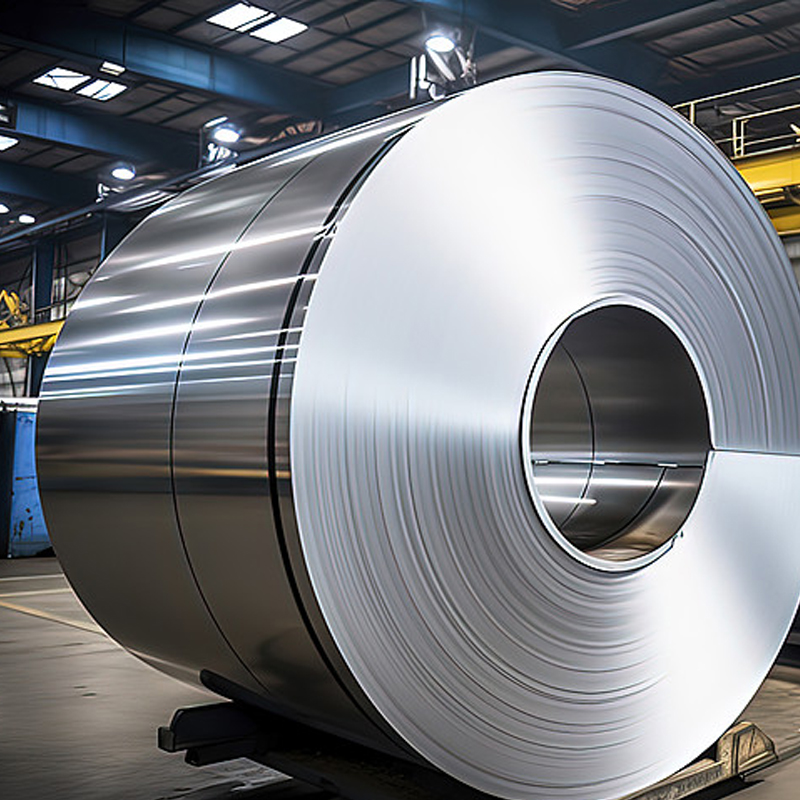
Our Products

Key Specifications to Consider When Sourcing Nickel-Based Alloys

When sourcing nickel-based alloys or nickel based superalloys, several specifications are critical to ensuring the material meets performance requirements. Key specifications include

Chemical Composition: The specific percentages of nickel, chromium, molybdenum, and other elements in the alloy determine its properties. For example, higher nickel content often improves corrosion resistance, while chromium enhances oxidation resistance

Mechanical Properties: Buyers should evaluate tensile strength, yield strength, and ductility. These properties define how the alloy will behave under stress during operation. For high-stress applications, such as in aerospace or nuclear power, higher strength alloys are essential

Temperature Resistance: Nickel-based alloys are often chosen for their ability to withstand extreme temperatures. Understanding the operational temperature range and thermal expansion characteristics helps ensure the alloy will perform reliably without degrading

Fabrication Techniques: Different alloys may respond differently to machining, welding, or forming processes. Buyers should verify compatibility with their manufacturing methods to avoid issues during production

Surface Treatment: The surface finish can impact performance, especially in corrosive environments. Options such as passivation or coating can enhance durability and lifespan

Standards and Certifications: Ensure that the alloy meets relevant industry standards (such as, ASTM, ASME) and possesses necessary certifications, such as ISO9001 or AS9100, which indicate adherence to quality management systems

Understanding these specifications will enable buyers to evaluate the suitability of nickel-based alloys for their specific needs effectively

Get a Free Quote

Our representative will contact you soon.
Email
Mobile
Name
Company Name
Message
0/1000

Related product categories

Where to Find Reliable Suppliers for Nickel-Based Alloys in Bulk

Finding trustworthy suppliers for nickel-based alloys requires a strategic approach. Here are several avenues to consider

Industry Trade Shows and Conferences: Attending industry-specific events allows buyers to meet manufacturers and suppliers face-to-face, assess their products, and understand their capabilities

Online Marketplaces and Directories: Platforms like ThomasNet, Alibaba, and industry-specific directories can help identify potential suppliers. Look for those with verified credentials and positive reviews

Networking with Industry Peers: Engaging with other professionals in your industry can provide recommendations for reliable suppliers based on their experiences

Manufacturer Websites: Directly visiting the websites of alloy manufacturers, like Jiangsu Boyue Alloy Materials Co., Ltd., can provide insights into their product range, certifications, and custom capabilities. Ensure to look for detailed product specifications and case studies that showcase their expertise

Requesting Samples: Once potential suppliers are identified, requesting samples can provide a practical evaluation of their products. This step is crucial for assessing material properties and ensuring they meet your requirements

By leveraging these resources, buyers can identify reliable suppliers that align with their bulk purchasing needs

Understanding Cost Factors for Wholesale Nickel-Based Alloy Purchases

Pricing for nickel-based alloys can vary significantly based on several factors. Understanding these can help buyers make informed decisions

Raw Material Prices: The cost of nickel or monel nickel alloy and other alloying elements fluctuates based on global market conditions. Monitoring these prices can help in budgeting for purchases

Production Processes: The complexity of the manufacturing process, including smelting and forging, impacts production costs. More intricate production methods often lead to higher prices but can result in better quality

Customization Needs: Custom orders tailored to specific applications may incur additional costs. Buyers should clearly define their requirements to receive accurate quotations

Order Volume: Bulk purchases typically lead to cost savings. Suppliers often provide discounts or better pricing tiers based on order quantities

Logistics and Shipping: Factor in transportation costs, including packaging and shipping fees. Suppliers with efficient logistics can provide better overall pricing

Quality Control: The level of quality assurance and testing can influence costs. Suppliers who conduct rigorous quality checks may charge more but offer greater reliability

By considering these cost factors, purchasing managers can negotiate effectively and ensure they are getting the best value for their investment

Applications of Nickel-Based Alloys in Aerospace and Energy Industries

Nickel-based alloys are widely used in critical applications within the aerospace and energy sectors due to their superior properties

Aerospace: In aviation, nickel alloys are used in engine components, turbine blades, and exhaust systems. Their ability to withstand high temperatures and resist oxidation makes them essential for performance and safety

Energy: In the energy sector, particularly nuclear and fossil fuel power plants, nickel alloys are employed in piping, valves, and pressure vessels. These applications require materials that can endure harsh environments and high pressures

Petrochemical: The petroleum industry relies on nickel alloys for their resistance to corrosive chemicals and high-temperature conditions, making them ideal for refining processes and offshore drilling equipment

Marine: Nickel-based alloys are also used in marine applications, including shipbuilding and offshore structures, where exposure to seawater and high mechanical stress is common

Understanding the specific applications of nickel-based alloys helps buyers ensure they select materials that meet the unique demands of their projects

Which One Fits Your Requirements Best?

Choosing the right nickel-based alloy requires careful consideration of your specific application and requirements. Here are some practical steps to help you make the best selection

Define Your Requirements: Assess the operating conditions, including temperature, pressure, and environmental factors. This will help narrow down the suitable alloy options

Consult with Suppliers: Engage with your suppliers to discuss your needs. They can provide guidance on the best alloy choices based on their experience and product knowledge

Evaluate Samples: Before finalizing your decision, request samples of shortlisted alloys. Testing these samples under actual operating conditions will help confirm their suitability

Consider Long-Term Performance: Think about the long-term implications of your choice, including maintenance and replacement costs. Selecting a more durable alloy may result in lower total costs over time

Review Specifications Thoroughly: Ensure that the chosen alloy meets all necessary specifications and industry standards for your application

By following these steps, buyers can confidently select the nickel-based alloy or nickel superalloy that best fits their requirements, ensuring the success of their projects