Inconel Alloy 600: Key Considerations for Buyers

All Categories
Get a Quote

Get a Free Quote

Our representative will contact you soon.
Email
Mobile
Name
Company Name
Message
0/1000

Inconel alloy 600

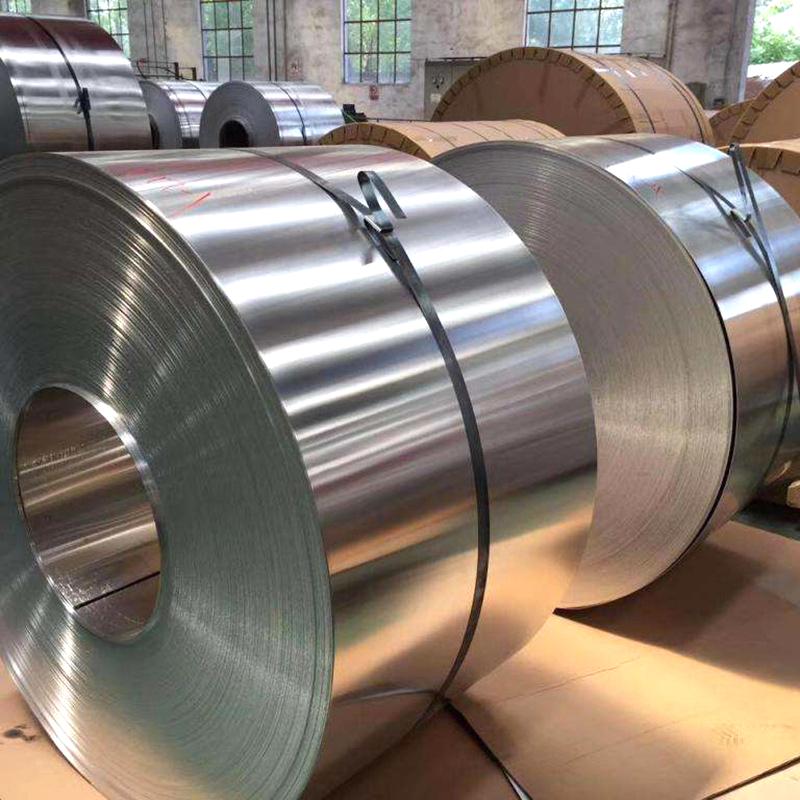
Inconel Alloy 600 is a high-performance nickel-chromium alloy known for its exceptional resistance to oxidation and corrosion, making it ideal for demanding environments. As a B2B buyer in industries such as aerospace, petroleum, or nuclear power, your primary concerns will likely include material compatibility, application suitability, and supplier reliability. This article outlines key considerations when selecting Boyue inconel alloy, offers guidance on sourcing it, details key specifications, provides installation insights, and addresses common challenges associated with its use. 
Our Products

What to Consider When Choosing Inconel Alloy 600 for Your Project

When selecting Inconel Alloy 600, several factors should be considered to ensure it meets your project's specific requirements. First, assess the operating conditions such as temperature and pressure. Inconel 600 excels in high-temperature environments, often exceeding 2000°F (1093°C). It is also vital to consider the alloy's resistance to various corrosive environments, including sulfuric and hydrochloric acids, which are common in petrochemical applications. 

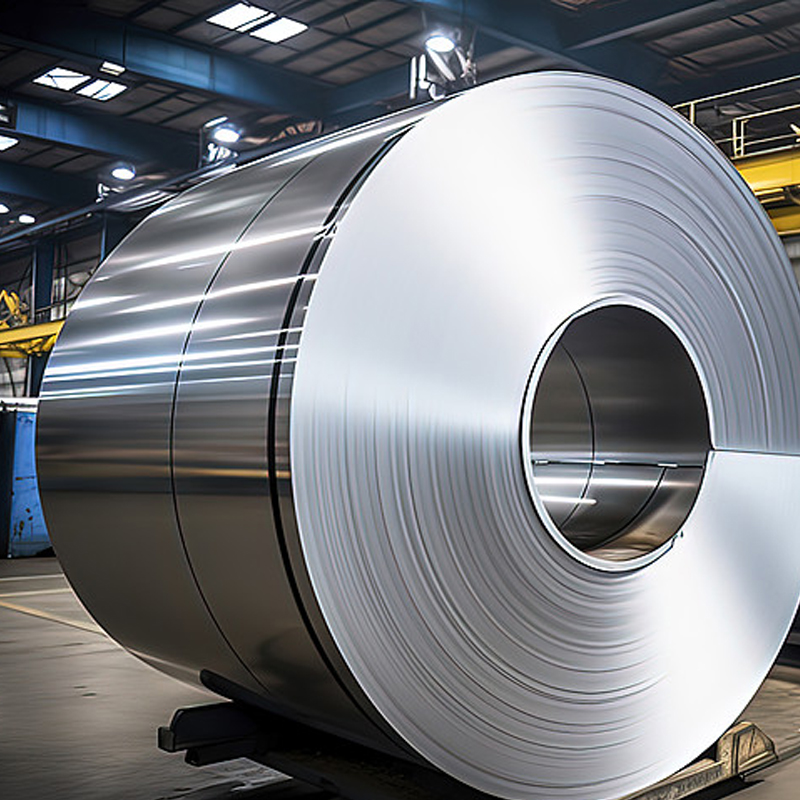
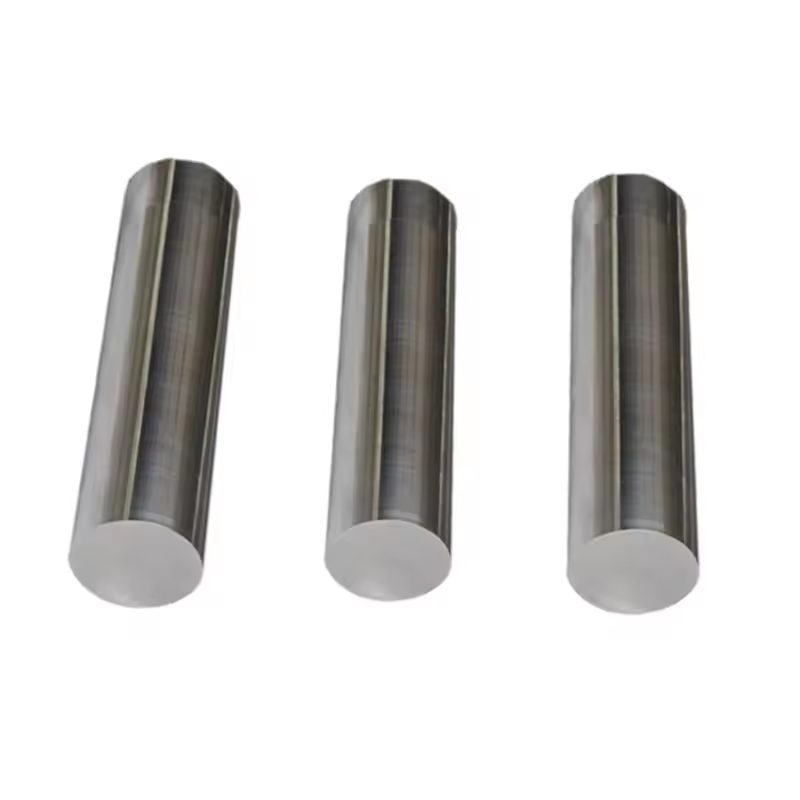
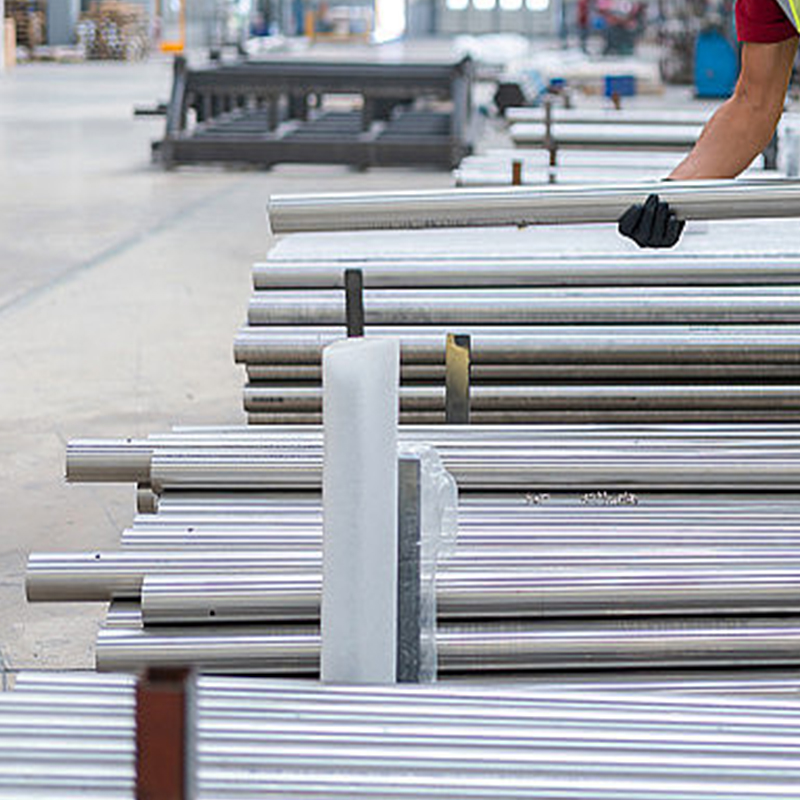
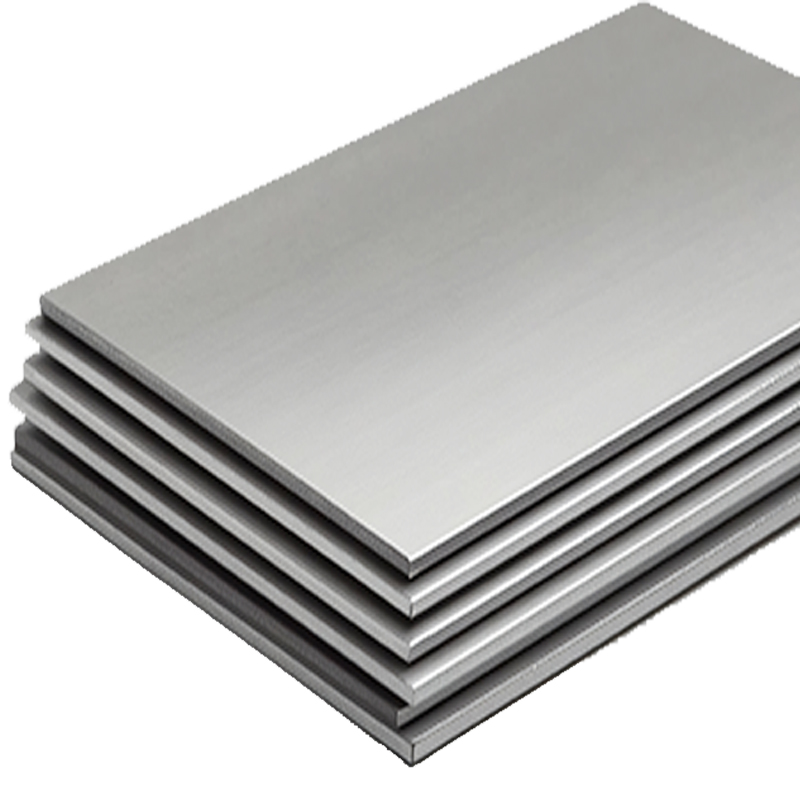
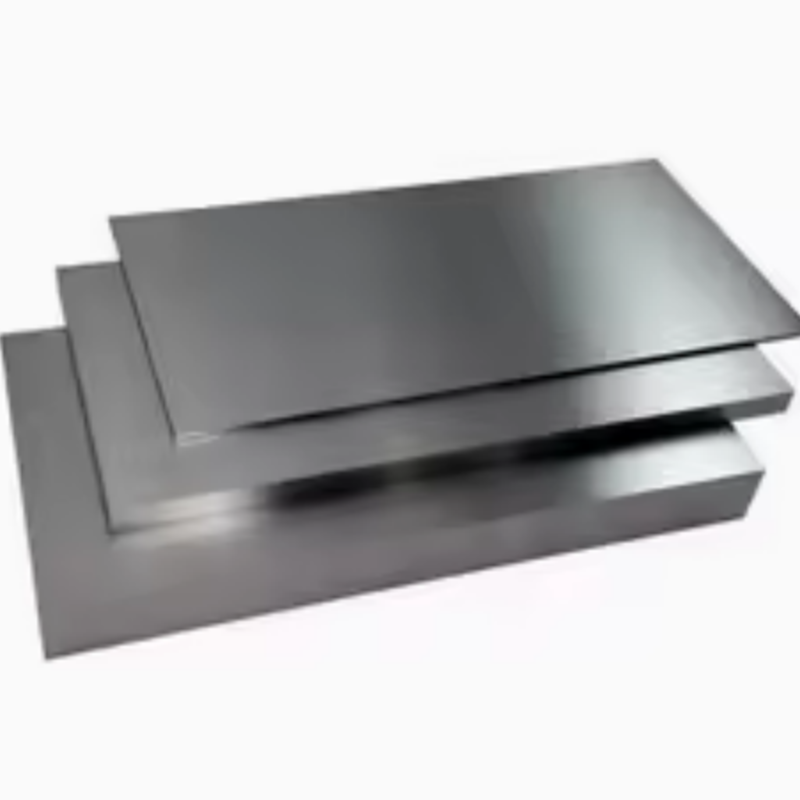
Next, evaluate the mechanical properties required for your application. Inconel Alloy 600 provides excellent strength and fatigue resistance, making it suitable for components subjected to stress. Additionally, consider the form of the material—whether you need pipes, plates, or fasteners—and any customization requirements for dimensions or surface treatments. 

Lastly, verify the supplier’s capability to provide certified materials that meet industry standards such as ISO9001 and AS9100. This ensures that the material you receive is reliable and fit for purpose. 

Get a Free Quote

Our representative will contact you soon.
Email
Mobile
Name
Company Name
Message
0/1000

Related product categories

Sourcing Inconel Alloy 600 for Wholesale Purchases

Sourcing Inconel Alloy 600 in bulk requires careful evaluation of suppliers to ensure quality, pricing, and delivery timelines align with your needs. Start by requesting quotes from multiple manufacturers, including Jiangsu Boyue Alloy Materials Co., Ltd., which specializes in nickel alloy products and offers a complete production chain from smelting to forging. 

When evaluating suppliers, consider their certifications—such as PED and API—which indicate compliance with international quality standards. Additionally, inquire about their minimum order quantities (MOQ) and lead times; understanding these factors will help you plan your inventory and production schedules effectively. 

It’s also advisable to request samples before placing a large order. Testing samples will help you assess the material's performance and ensure it meets your specifications under real-world conditions. 

Key Specifications of Inconel Alloy 600 for Industrial Buyers

Inconel Alloy 600 is characterized by several key specifications that are crucial for industrial applications: 

Chemical Composition: The alloy typically contains 72% nickel, 14% chromium, and 8% iron, with trace amounts of manganese, silicon, and carbon. This composition imparts excellent corrosion resistance and high-temperature strength. 

Mechanical Properties: Inconel 600 boasts a tensile strength of approximately 80,000 psi (550 MPa) and a yield strength of around 30,000 psi (200 MPa). These values may vary based on the specific form and treatment of the alloy. 

Thermal and Electrical Conductivity: The Boyue inconel material demonstrates good thermal conductivity, which is beneficial in heat exchangers and other applications where heat transfer is critical. 

Fabrication Properties: Inconel 600 can be readily formed and welded, making it flexible for various manufacturing processes. However, it is essential to adhere to proper welding techniques to maintain its integrity. 

Compliance Standards: Ensure that the alloy meets relevant industry standards based on your application, such as ASTM B167 for seamless pipes or ASTM B168 for plates. 

Understanding these specifications will help you make informed decisions to fit your project needs. 

Installation Guidance for Inconel Alloy 600 in Critical Applications

Proper installation of Inconel Alloy 600 is crucial to ensure its performance in critical applications. Before installation, review the manufacturer's guidelines regarding welding and machining, as the alloy requires specific techniques to prevent cracking or distortion. 

Welding: Use filler materials that are compatible with Inconel 600, such as ERNiCr-3. Preheating may not be necessary, but controlling the heat input during welding is essential to avoid overheating, which can lead to microstructural changes. 

Machining: Inconel 600 can be challenging to machine due to its work-hardening characteristics. Use sharp tools and consider using coolant to reduce heat and improve tool life. 

Testing and Inspection: After installation, conduct non-destructive testing (NDT) to identify any potential issues such as cracks or incomplete welds. Regular inspections during service can help ensure long-term reliability. 

Installation Environment: Be mindful of the installation environment, as exposure to harsh chemicals or extreme conditions can affect the integrity of the material over time. 

Following these guidelines will help minimize installation risks and enhance the performance of Inconel Alloy 600 in your applications. 

Common Challenges When Using Inconel Alloy 600 and Their Solutions

While Inconel Alloy 600 offers many advantages, users may encounter specific challenges that need addressing: 

Cost: The price of Inconel alloys can be significantly higher than that of stainless steel or carbon steel. To mitigate costs, consider bulk purchasing or collaborating with suppliers like Jiangsu Boyue Alloy Materials Co., Ltd. that can offer competitive pricing through direct manufacturing channels. 

Fabrication Difficulties: The alloy's work-hardening properties can complicate machining and forming processes. Employing proper tooling, such as carbide tools, and using appropriate cutting speeds can help overcome these issues. 

Corrosion in Certain Environments: Although Inconel 600 is resistant to many corrosive environments, it can still be susceptible to stress corrosion cracking in chlorinated environments. Conduct thorough risk assessments to identify applications where this may be a concern and consider alternative materials if necessary. 

Availability: Depending on the specific form and treatment you require, availability can sometimes be an issue. Establishing a reliable relationship with a manufacturer who maintains stock or has a quick lead time can alleviate this problem. 

By understanding these common challenges and their Boyue inconel alloy solutions, you can better prepare for successful integration of Inconel Alloy 600 into your projects.