 EN

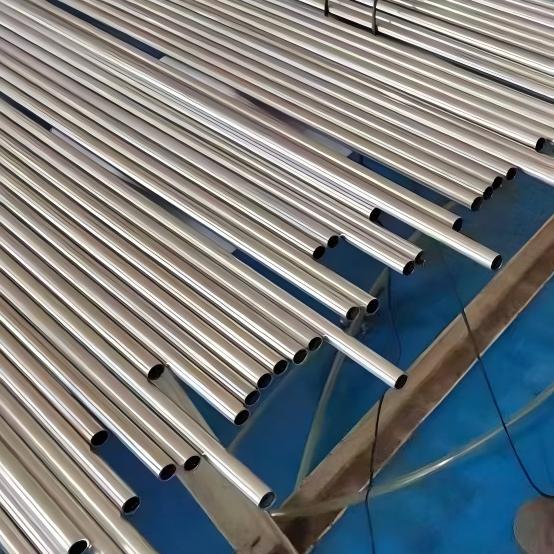
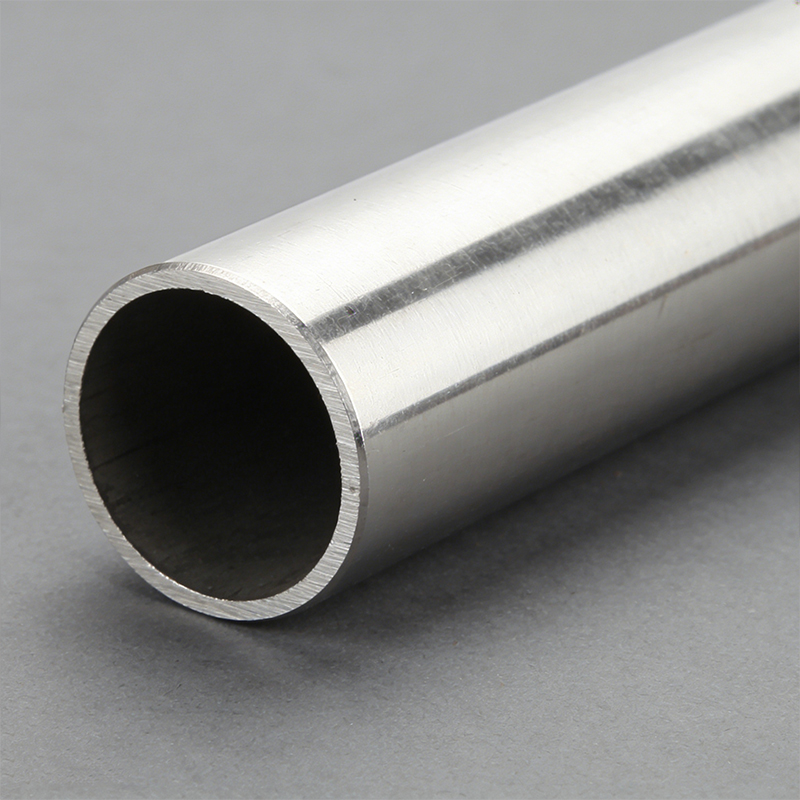
Nickel alloy tubes are vital components in various industries, particularly in aerospace, petroleum, and energy sectors. These tubes offer superior strength, corrosion resistance, and durability, making them essential for high-performance applications. Understanding the key specifications, installation challenges and benefits of nickel alloy tubes can help buyers make informed purchasing decisions. This article will delve into critical factors that influence the selection and usage of nickel alloy tubes, providing practical insights for purchasing managers, engineers, and other industry professionals.
Common Challenges in Nickel Alloy Tube Installation and Solutions
Installing nickel alloy tubes can present several challenges that may impact performance and safety. Common issues include:
Alignment and Fit: Misalignment during installation can lead to stress concentrations and potential failure. To mitigate this, it's important to use precision tools and fixtures during installation to ensure correct alignment.
Welding and Joining: Nickel alloys can be challenging to weld due to their thermal properties and potential for cracking. It is advisable to engage skilled welders familiar with nickel alloy welding techniques and to follow proper pre- and post-weld heat treatment processes.
Corrosion and Environmental Factors: Even though nickel alloys offer excellent corrosion resistance, exposure to harsh environments can still pose risks. Buyers should consider protective coatings or additional measures, such as cathodic protection, especially in highly corrosive applications.
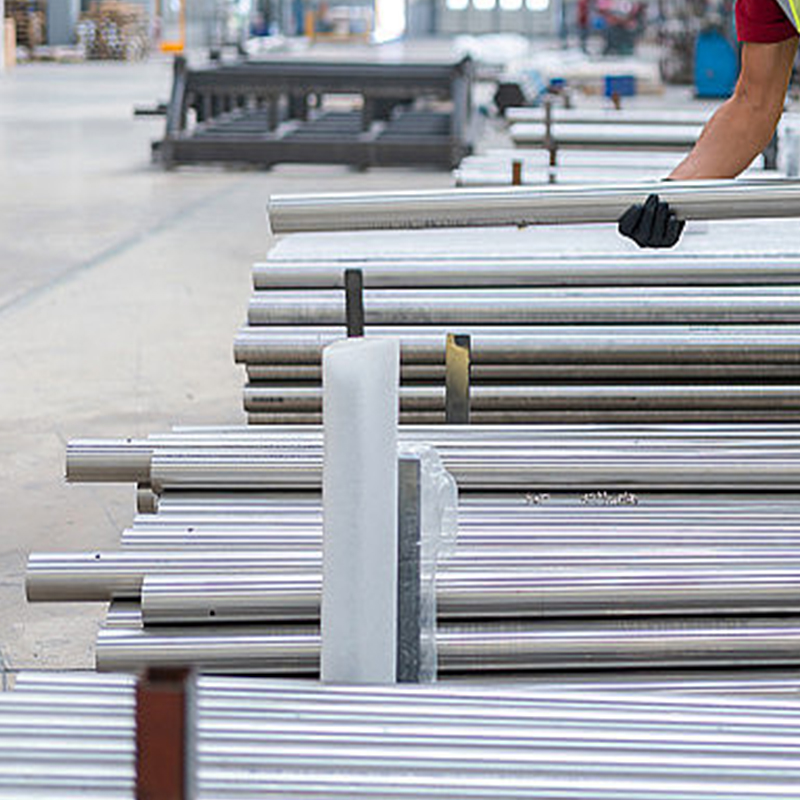
Material Handling: monel nickel alloy are often heavy and can be sensitive to physical damage during transport and installation. Proper handling procedures, including the use of appropriate lifting equipment and padding, can help prevent damage.
Understanding these installation challenges and employing strategic solutions can enhance the performance and longevity of nickel alloy tubes in various applications.