Choosing the Right Hastelloy Alloy for Your Project

All Categories
Get a Quote

Get a Free Quote

Our representative will contact you soon.
Email
Mobile
Name
Company Name
Message
0/1000

Hastelloy alloy

Hastelloy alloys are high-performance nickel-based materials known for their excellent corrosion resistance and high-temperature stability. These alloys are essential for various industries, including aerospace, petroleum, nuclear power, and energy sectors. B2B buyers, such as purchasing managers and engineers, often prioritize durability, compatibility, and specific performance characteristics when selecting a hastelloy alloy for their projects. This article will guide you through the selection process, specifications, sourcing, common challenges, and installation requirements for Hastelloy alloys, ensuring you make informed purchasing decisions. 
Our Products

How to Choose the Right Hastelloy Alloy for Your Project Needs

Selecting the appropriate Hastelloy alloy begins with understanding the specific requirements of your project. Key factors to consider include the operational environment, temperature and pressure conditions, and exposure to corrosive substances. The hastelloy metal alloys such as C-276 and C-22 are frequently chosen for their superior resistance to pitting and stress corrosion cracking, particularly in chemical processing environments. 

When evaluating options, consult with your supplier to clarify the alloy's mechanical properties, such as tensile strength and yield strength, as well as its compatibility with existing materials in your application. Additionally, consider any required certifications or compliance with industry standards. For instance, if your use case involves aerospace components, ensure the alloy meets AS9100 standards for quality management.

Get a Free Quote

Our representative will contact you soon.
Email
Mobile
Name
Company Name
Message
0/1000

Related product categories

Key Specifications of Hastelloy Alloy for Bulk Ordering

When ordering Hastelloy alloys in bulk, understanding the key specifications is crucial. Buyers should confirm the following parameters: 

Material Composition: Ensure the alloy's chemical makeup aligns with your needs. Hastelloy C22 alloys typically contain nickel, molybdenum, and chromium, which contribute to their corrosion resistance. 

Mechanical Properties: Important specifications include tensile strength, hardness, and elongation. For instance, a tensile strength of 80 ksi (550 MPa) or higher is often required for applications demanding high strength. 

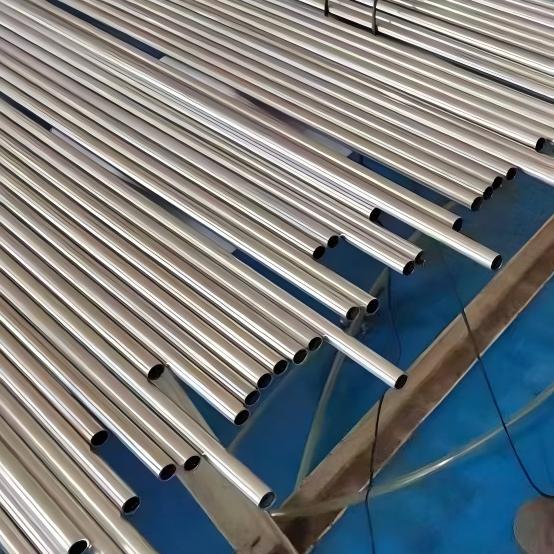
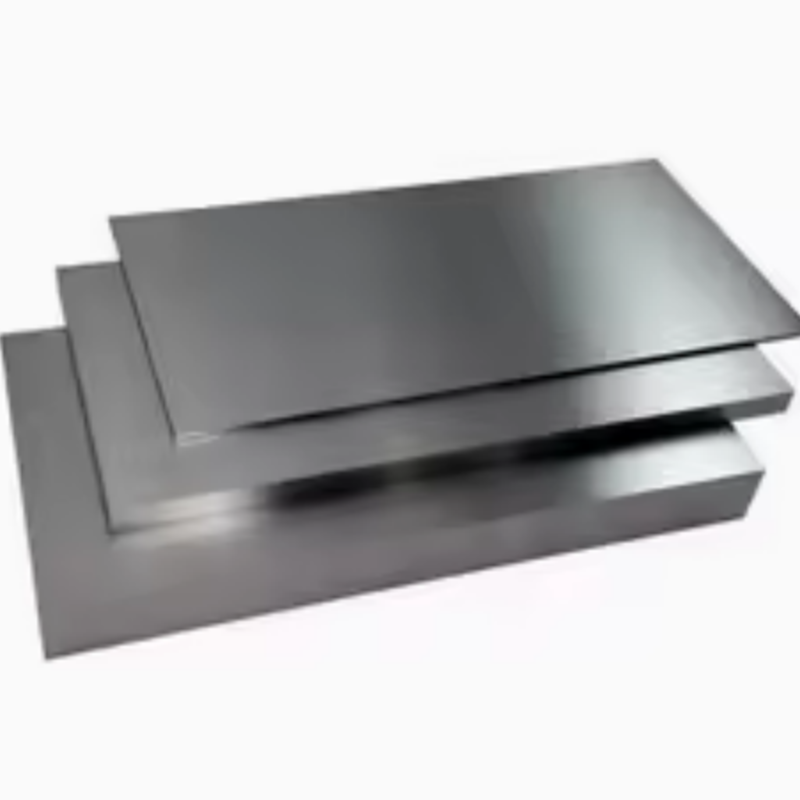
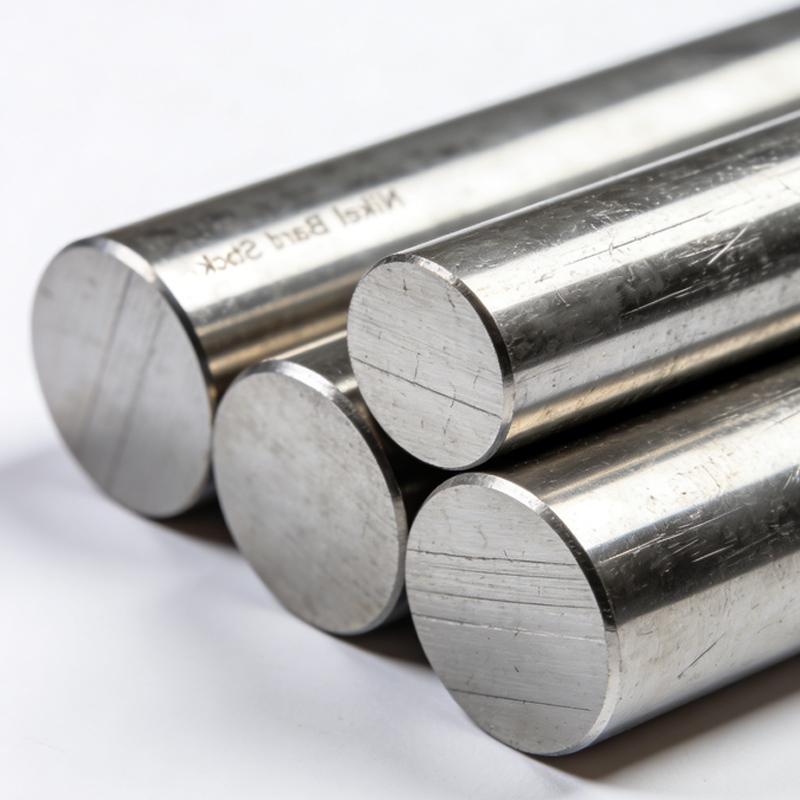
Form and Dimensions: Specify the form of the alloy whether pipes, plates, or fasteners and include precise dimensions and tolerances. This ensures that the components fit seamlessly within your assembly. 

Surface Finish: Depending on the application, you may need a specific surface finish to enhance corrosion resistance or improve aesthetic appearance. 

Testing and Certification: Request documentation confirming compliance with relevant standards (e. g., ASTM, AS9100) and any testing results that demonstrate the alloy's performance characteristics. 

By providing detailed specifications during the RFQ process, you can streamline the ordering and approval phases, ensuring that the received material meets your project's stringent requirements. 

Where to Source Reliable Hastelloy Alloy Suppliers for Wholesale

Finding reputable suppliers for Hastelloy alloys is critical for ensuring quality and reliability. Start by researching manufacturers with a proven track record in the industry. Look for companies that offer: 

Certifications: Verify that the supplier holds relevant certifications such as ISO9001, AS9100, and PED, which indicate adherence to quality management systems. 

Production Capabilities: Assess the supplier's manufacturing capabilities, including smelting and forging processes, to ensure they can meet your volume and customization needs. 

Customer References: Request references or case studies from previous clients in similar industries to evaluate the supplier's reliability and performance. 

After-Sales Support: Ensure that the supplier provides robust after-sales support, including technical assistance and efficient logistics for timely delivery. 

Global Reach: Investigate the supplier's export markets, particularly if your project has international components. 

By focusing on these criteria, you can establish a reliable supply chain for your Hastelloy alloy needs. 

Common Problems When Using Hastelloy Alloy and Their Solutions

While Hastelloy alloys offer exceptional properties, challenges can arise during their use. Common issues include: 

Corrosion Under Certain Conditions: Even with high corrosion resistance, Hastelloy alloys can be susceptible to localized attack in specific environments. To mitigate this, conduct thorough assessments of the operational environment and consider using alloys specifically designed for challenging conditions, such as Hastelloy C-276 in acidic environments. 

Machining Difficulties: Hastelloy alloys can be challenging to machine due to their toughness. Utilizing proper tooling materials and techniques, such as carbide tools and slow feed rates, can enhance machinability and reduce wear. 

Welding Issues: Achieving strong welds on Hastelloy can be tricky due to its susceptibility to cracking. Employing qualified welders familiar with nickel alloys and using appropriate filler materials can help ensure quality welds. 

Cost Considerations: The price of Hastelloy alloys can be higher than standard materials. To manage costs, evaluate the total lifecycle expenses, including maintenance and downtime, rather than focusing solely on initial material costs. 

By understanding these challenges and implementing proactive solutions, you can maximize the performance and longevity of Hastelloy alloy components in your applications. 

Installation Guidance for Hastelloy Alloy Components in Projects

Proper installation of Hastelloy alloy components is crucial for ensuring their functionality and durability. Here are key considerations for installation: 

Pre-Installation Inspection: Before installation, inspect all components for surface defects, dimensions, and compliance with specifications. Any discrepancies should be addressed before proceeding. 

Compatible Joining Techniques: Use appropriate welding or joining methods recommended for Hastelloy alloys. Ensure that all personnel involved in the installation are trained on the specific requirements of handling and installing nickel alloys. 

Environmental Control: During installation, protect Hastelloy components from contamination and environmental factors that could compromise their integrity. This is particularly important in corrosive environments. 

Testing and Validation: After installation, conduct tests to validate the performance of the components under operational conditions. This may include pressure tests or leak detection to ensure that everything is functioning correctly. 

Documentation and Compliance: Maintain thorough documentation throughout the installation process, including inspection reports and compliance with relevant safety standards. This documentation may be essential for future audits or inspections. 

By adhering to these installation guidelines, you can ensure that your Hastelloy alloy components operate effectively and reliably throughout their intended lifespan.