Monel 400 Plate: Specifications and Sourcing Guide

All Categories
Get a Quote

Get a Free Quote

Our representative will contact you soon.
Email
Mobile
Name
Company Name
Message
0/1000

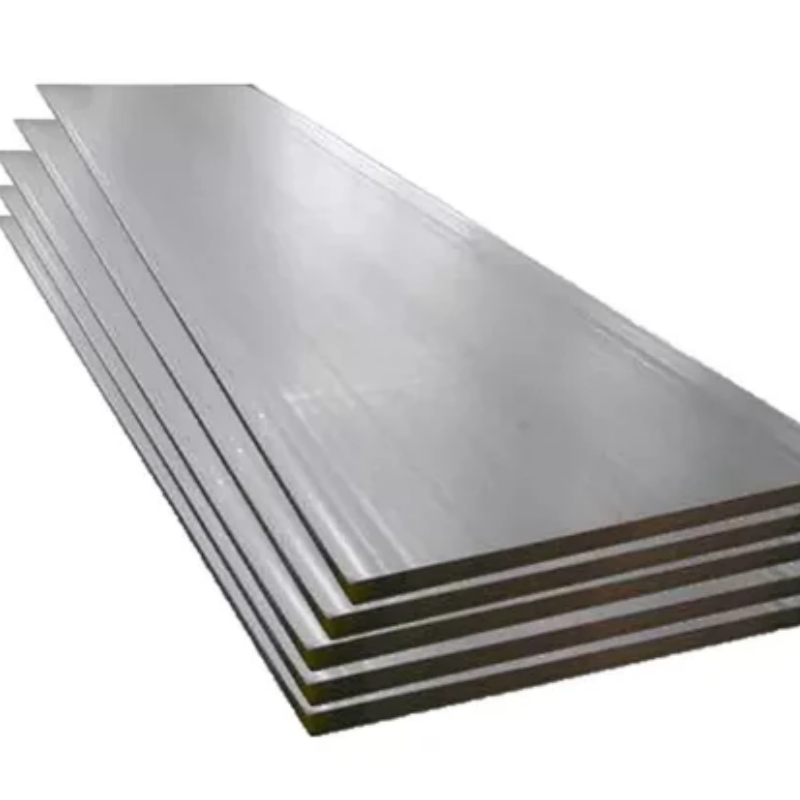
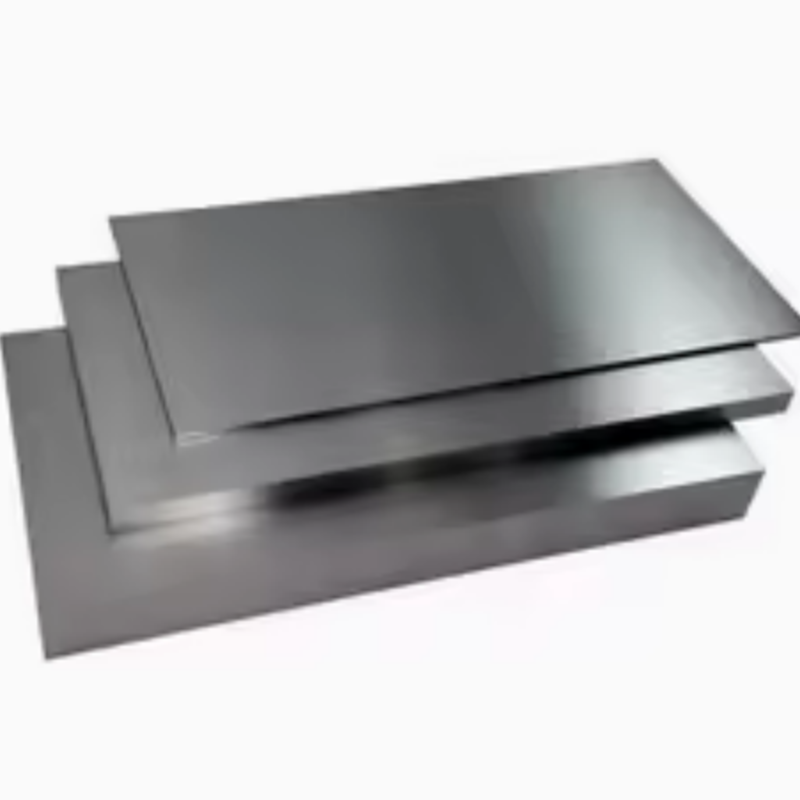
Monel 400 plate

Monel 400 plates are a versatile nickel-copper alloy product known for their excellent corrosion resistance and mechanical properties, making them a preferred choice in various industrial applications. As B2B buyers, purchasing managers, and engineers explore options for materials that meet specific performance requirements, understanding the specifications, sourcing, and potential challenges of Monel 400 plates is essential. This article aims to clarify these aspects, providing actionable insights to assist in your purchasing decisions.          
Our Products

Where to Find Reliable Suppliers of Monel 400 Plates for Wholesale

Monel 400 plates are defined by several key specifications that dictate their performance in demanding environments. These specifications include: 

Chemical Composition: Monel 400 typically consists of approximately 63% nickel and 28% copper, along with trace amounts of iron, manganese, carbon, and silicon. This unique composition provides exceptional resistance to seawater, acids, and alkalis. 

Mechanical Properties: Monel 400 has a high tensile strength (around 70,000 psi), making it suitable for high-stress applications. Its yield strength is also notable, ensuring it can withstand heavy loads without permanent deformation.  

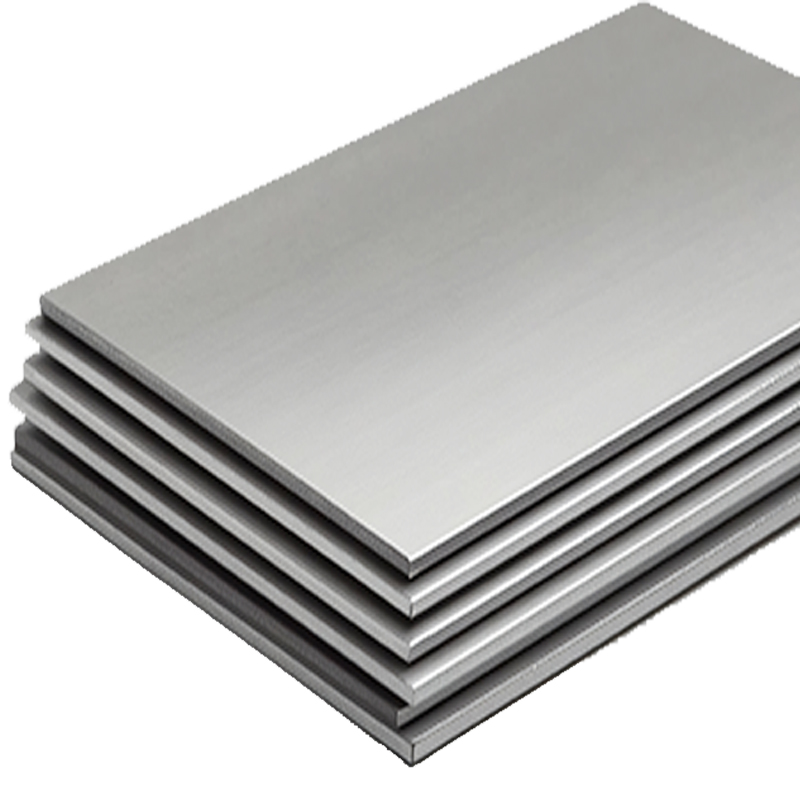
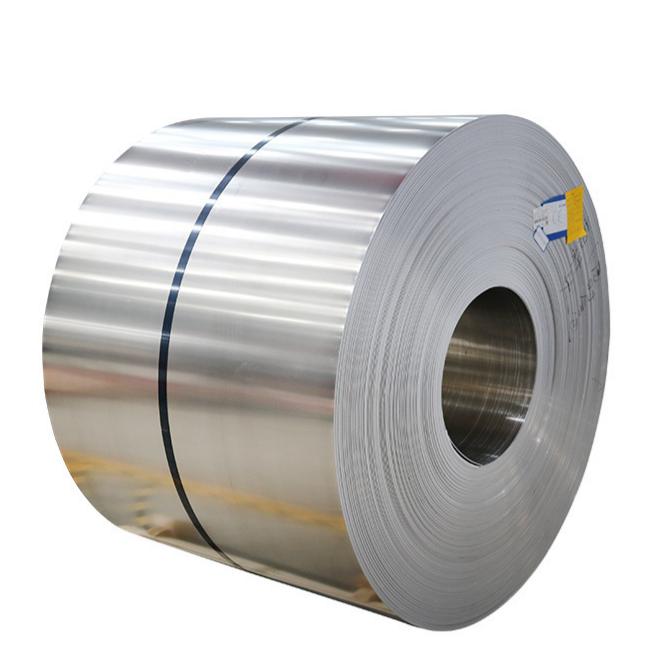
Dimensions: Standard Monel 400 plates come in thicknesses ranging from 0.25 inches to 3 inches and can vary in width and length. Custom dimensions are also available, catering to specific project requirements. 

Surface Finish: The surface finish of Monel 400 plates can range from hot rolled to cold rolled, with options for additional treatments such as polishing, depending on the intended application. 

Temperature and Pressure Ratings: Monel 400 plates can maintain their integrity in extreme temperatures up to about 1,000°F (538°C) and exhibit excellent performance in high-pressure environments, which is crucial for applications in the aerospace and petrochemical industries. 

Understanding these specifications is vital for selecting the right Monel 400 plates that meet the specific demands of your project. 

Frequently Asked Questions

What is Monel 400 plate and its main features?

Monel 400 plate is a nickel-copper alloy plate known for high corrosion resistance, strength, and good mechanical properties at elevated temperatures. It suits seawater, chemical, and acidic environments.
Monel 400 plates are used in aerospace, petroleum, nuclear power, new energy, pressure vessels, marine engineering, and chemical processing where corrosion resistance and strength are critical.
We offer custom thicknesses, widths, lengths and can provide cutting, forging and finishing as one-stop service to meet specific project requirements and specifications.
Our production is ISO9001, AS9100, PED and API compliant. We provide material certificates, inspection reports, and testing on request including chemical and mechanical test results.
Contact our sales team with required dimensions, quantity and application. We provide timely quotations, technical guidance and can arrange samples, delivery and custom processing.

Get a Free Quote

Our representative will contact you soon.
Email
Mobile
Name
Company Name
Message
0/1000

Related product categories

Common Installation Challenges with Monel 400 Plates and Solutions

Selecting the appropriate Monel 400 plate involves several considerations: 

Application Requirements: Evaluate the specific conditions the plate will face, including exposure to corrosive environments, temperature fluctuations, and mechanical loads. For example, if the plate will be used in a marine environment, ensure that the corrosion resistance properties match the expected exposure levels. 

Thickness and Dimensions: Determine the necessary thickness and dimensions based on structural requirements and space constraints. It’s advisable to consult with engineers to assess how the chosen dimensions will interact with existing components or systems. 

Surface Finish Needs: Depending on the application, a specific surface finish may be required. For example, a polished finish might be necessary for aesthetic applications or where surfaces must be clean and smooth. 

Customization Options: If standard sizes do not meet your requirements, inquire about custom manufacturing capabilities. Jiangsu Boyue Alloy Materials Co., Ltd. offers tailored solutions, which can help in achieving precise specifications that align with your project needs. 

Budget Considerations: Understand how the specifications will impact your budget. Thicker plates or those with special surface finishes tend to have higher costs. It’s essential to balance quality with budget constraints to ensure a viable procurement strategy. 

By carefully assessing these factors, you can make informed decisions that lead to successful project outcomes. 

Benefits Over Other Nickel Alloys

When purchasing Monel 400 plates, consider the following key steps to streamline the procurement process: 

Requesting Quotations: Prepare a comprehensive RFQ (Request for Quotation) that includes details such as product type, dimensions, required specifications, quantity, delivery location, and any special requirements. Providing thorough information will help suppliers deliver accurate quotes. 

Supplier Evaluation: Research potential suppliers by reviewing their certifications (like ISO9001 and AS9100) and manufacturing capabilities. Verify their experience in producing monel 400 tubing and ask for references from previous clients in similar industries. 

Sample Approval: Before placing a large order, request samples of the Monel 400 plates. Conduct thorough inspections and tests to ensure that the samples meet your specifications and performance requirements. This step is crucial to avoid costly mistakes during mass production. 

Quality Assurance: Establish quality control processes to ensure that the plates received meet the agreed-upon specifications. This may involve on-site inspections or third-party testing for critical applications, especially in industries like aerospace and nuclear power. 

Lead Times and Delivery: Confirm lead times with suppliers, as these can vary based on order size and customization needs. Understanding the timeline is critical for project planning and execution. 

By following these guidelines, buyers can enhance their purchasing efficiency and ensure they obtain the right Monel 400 plates for their applications. 

Key Applications of Monel 400 Plates in Various Industries

Sourcing Monel 400 plates in bulk requires evaluating several factors to ensure reliability: 

Reputable Manufacturers: Look for manufacturers with a proven track record in the alloy materials industry. Jiangsu Boyue Alloy Materials Co., Ltd. is an established supplier with certifications that reflect high-quality standards. 

Industry Partnerships: Consider suppliers that have partnerships or affiliations with industry organizations. This can often indicate a commitment to quality and adherence to industry standards. 

Global Reach: Suppliers with experience in international markets are more likely to understand various compliance and regulatory requirements, which can simplify the procurement process for multinational projects. 

Customer Support: Evaluate the level of customer service provided by the supplier. Reliable communication and support can make the procurement process smoother and provide assistance in addressing any potential issues. 

Bulk Pricing: When sourcing in bulk, don’t hesitate to negotiate pricing. Many suppliers are open to discussing discounts for larger orders, which can significantly affect your overall budget. 

By choosing a reliable supplier with a strong industry presence, you can ensure a consistent supply of high-quality monel 400 pipe plates. 

Technical Advantages of Monel 400 Plates for Corrosion Resistance

While Monel 400 plates are highly durable, buyers should be aware of common challenges and their solutions: 

Corrosion in Certain Environments: Although Monel 400 offers excellent corrosion resistance, it may not be suitable for environments with chlorides, which can lead to stress corrosion cracking. To mitigate this risk, consider alternative materials or protective coatings for applications in chloride-rich environments. 

Dimension Tolerances: Variations in thickness or dimensions can occur during manufacturing. It’s crucial to specify tight tolerances in your RFQ and to conduct rigorous quality checks upon receipt of the plates. 

Welding Issues: Welding Monel 400 requires specialized techniques to prevent cracking and ensure strong joints. Ensure your welding team is experienced with nickel alloys and employs the appropriate filler materials. 

Temperature Limitations: While Monel 400 performs well under high temperatures, exceeding its limits can lead to reduced mechanical properties. Always verify the operating conditions against the material specifications to prevent premature failure. 

Supply Chain Disruptions: Global supply chain issues can affect the availability of Monel 400 plates. To safeguard against delays, consider establishing relationships with multiple suppliers and maintaining a safety stock of critical materials. 

By being proactive about these potential challenges, buyers can enhance their material selection process and ensure project success.