 EN

Boyue Monel Hastelloy S, a nickel-copper alloy known for its excellent corrosion resistance and mechanical properties, is widely used in demanding industrial applications. As a B2B buyer, understanding the specifications, quality evaluation methods, applications, and supplier options for Monel alloy is crucial for making informed purchasing decisions. This article will provide you with essential insights into these aspects to help streamline your procurement process and ensure the success of your projects
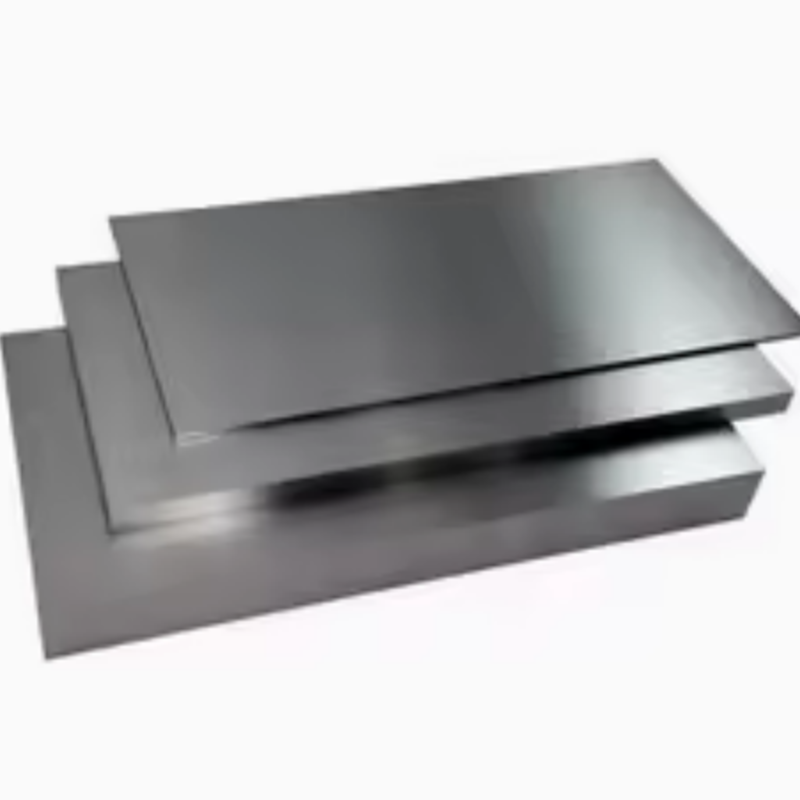
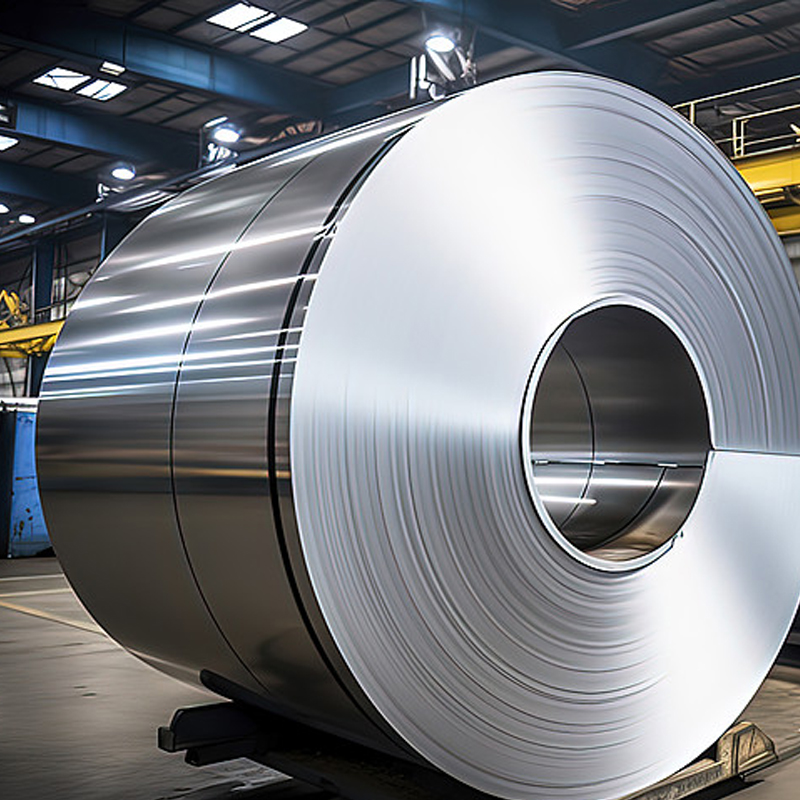
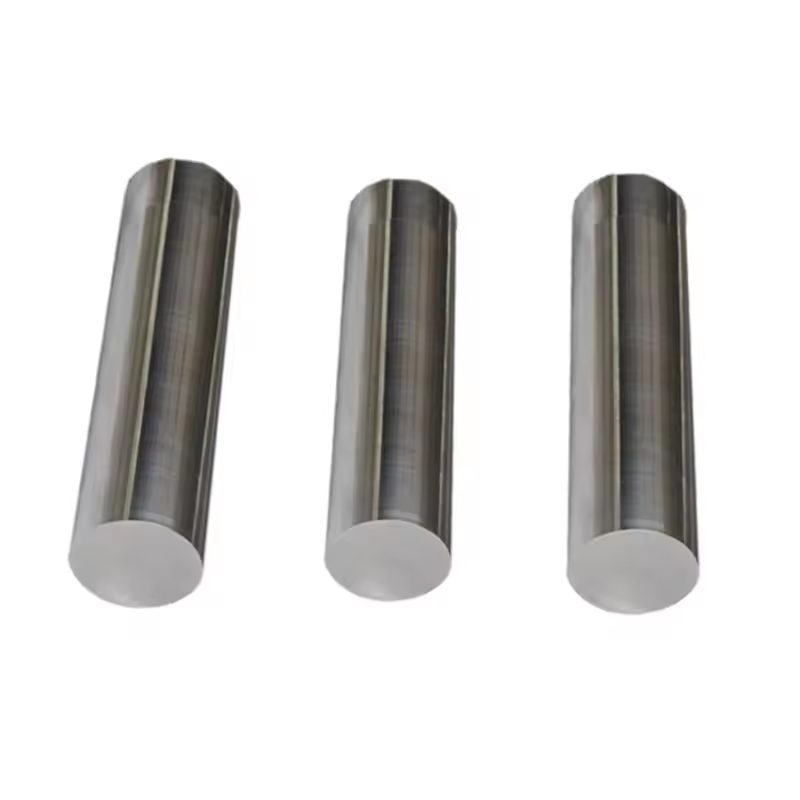
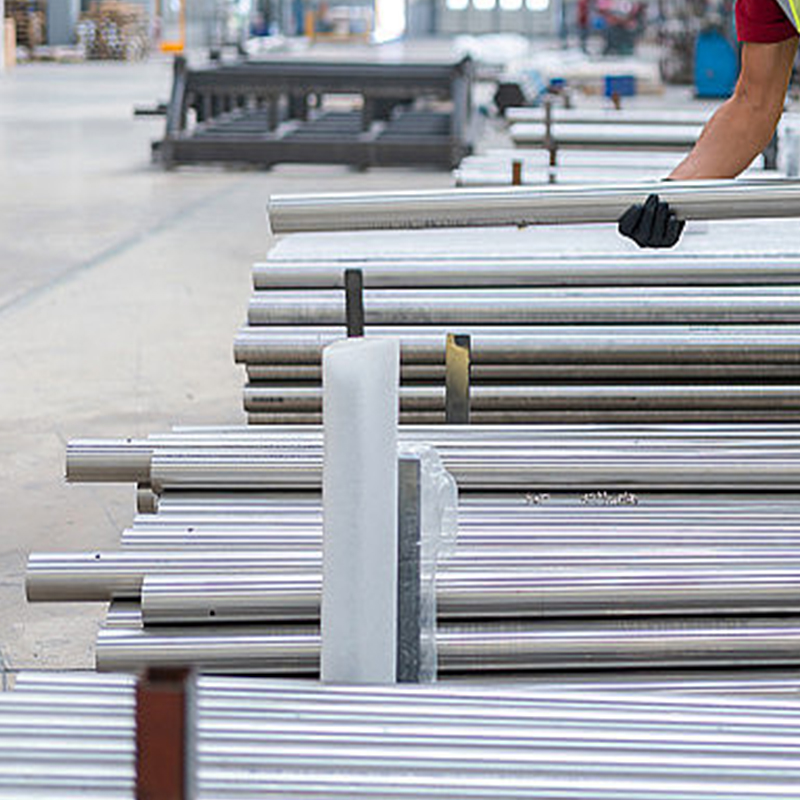
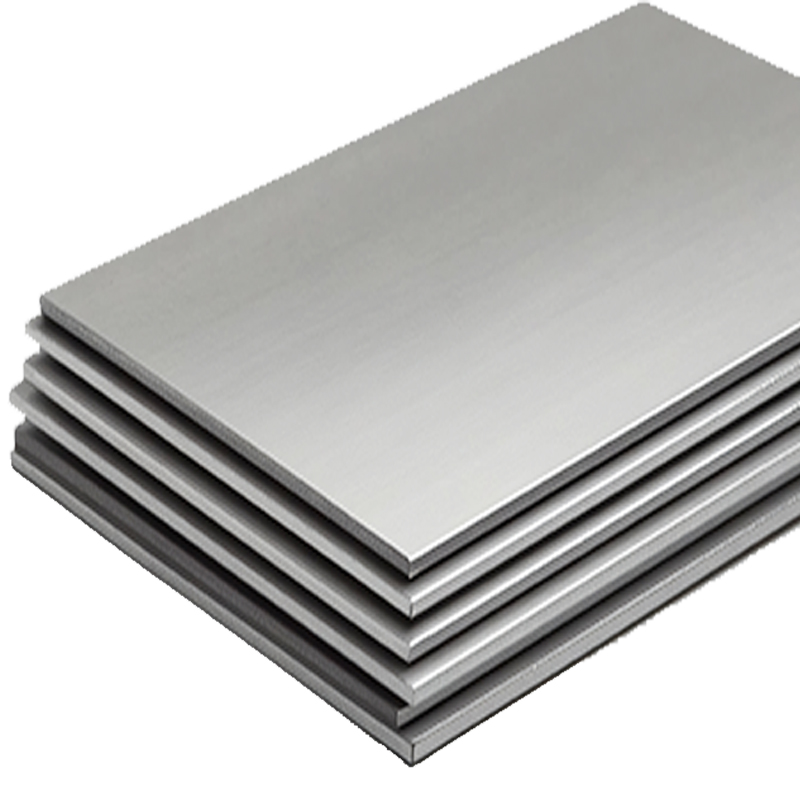
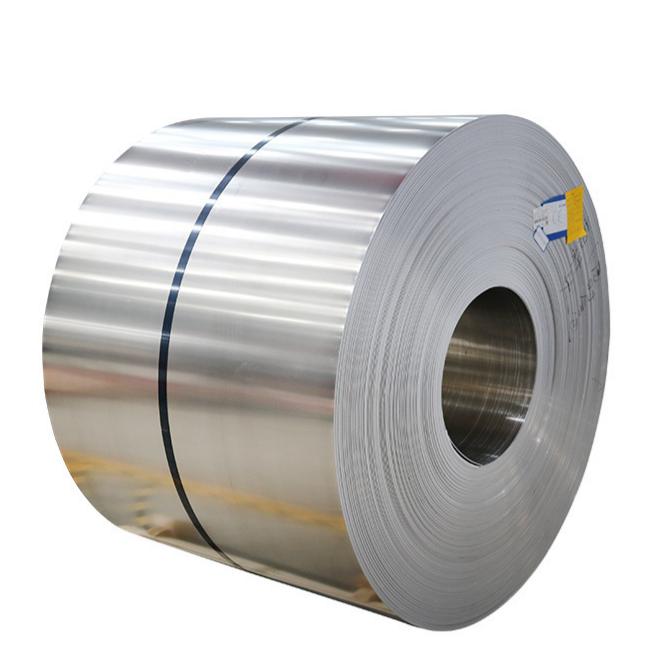
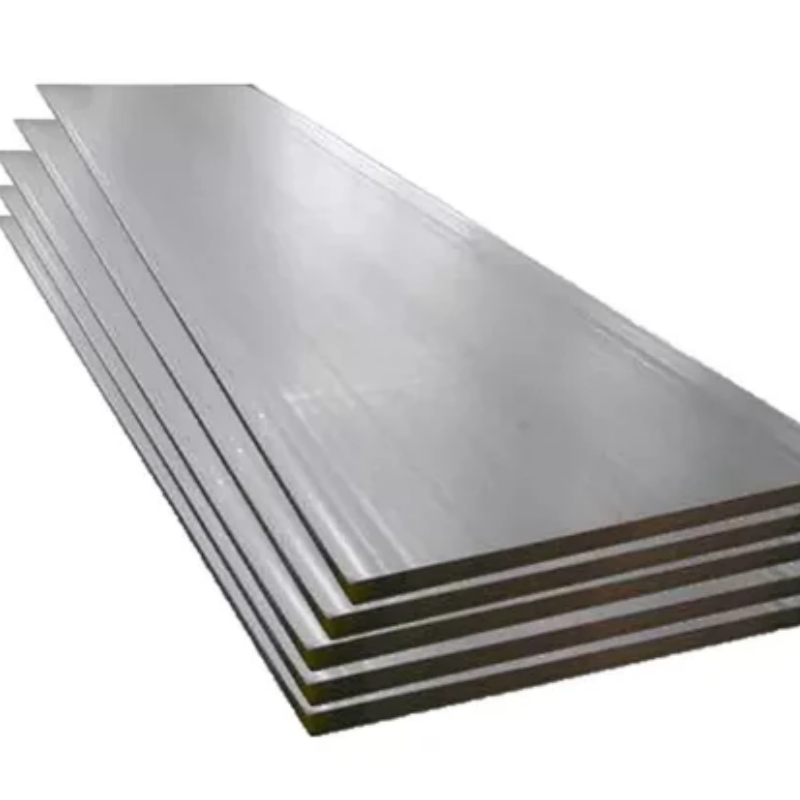
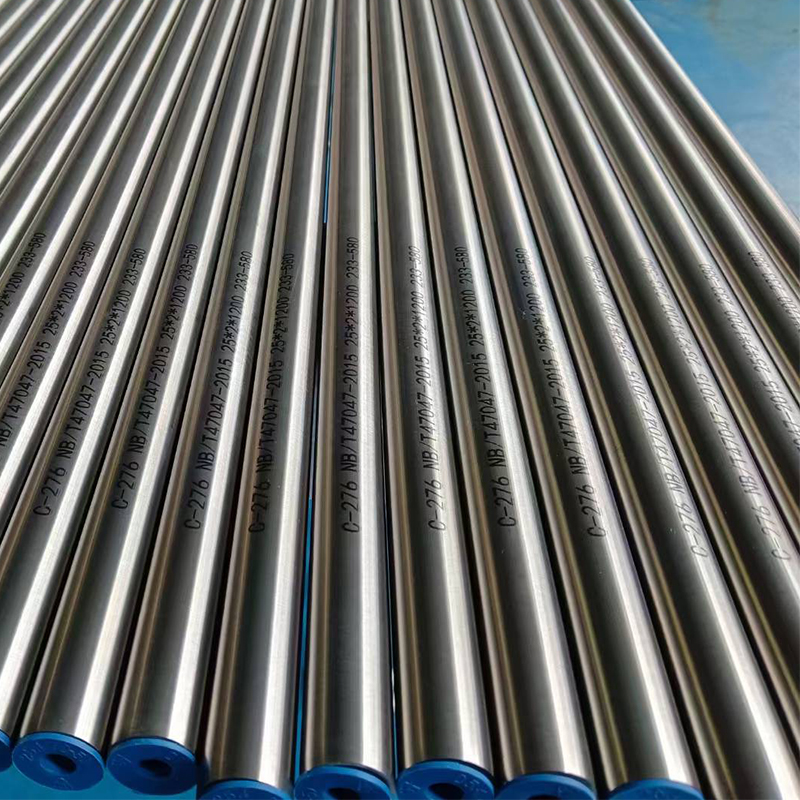
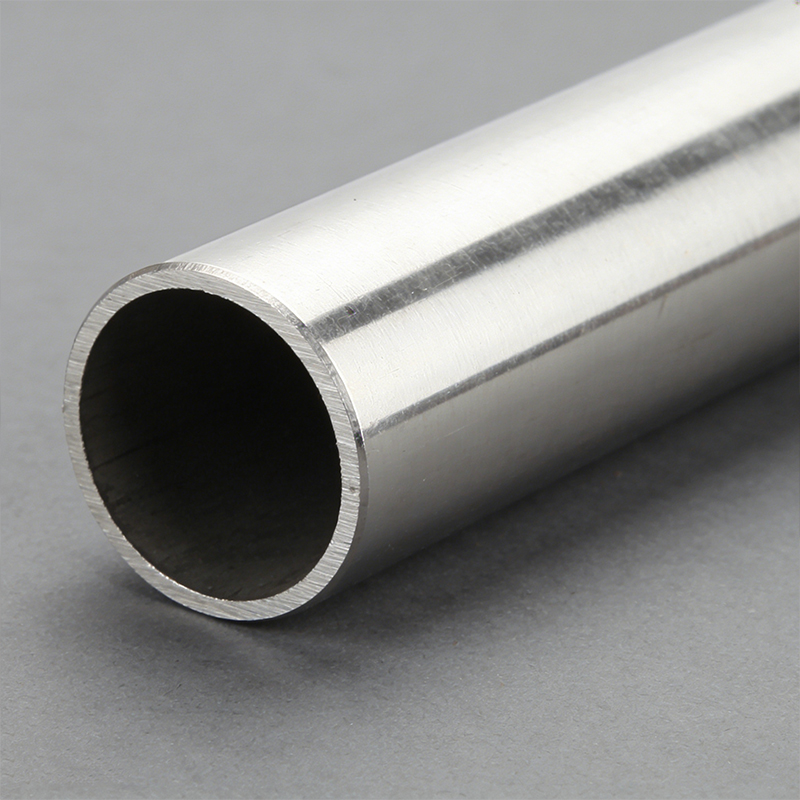
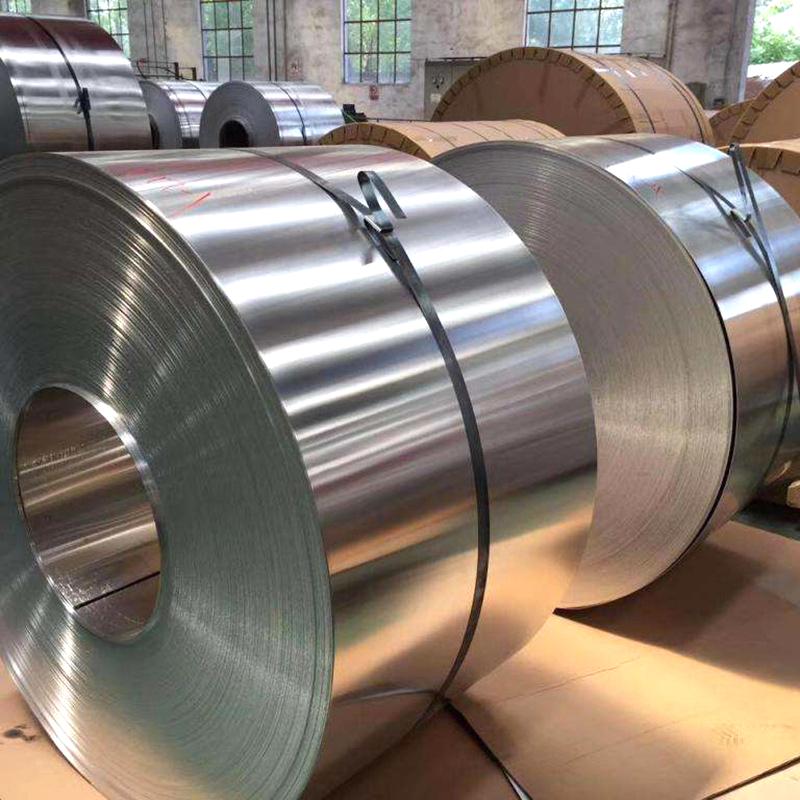
How to Evaluate the Quality of Monel Alloy Products
Quality evaluation of Boyue monel Hastelloy G‑50 products is essential to avoid costly mistakes and ensure performance reliability in your applications. Here are practical steps to assess quality:
Certifications and Standards: Verify that the supplier complies with relevant quality standards such as ISO9001, AS9100, and ASTM specifications. These certifications ensure that the manufacturing processes adhere to strict quality control measures
Material Testing: Request material test reports (MTRs) that include mechanical property tests, chemical composition analysis, and corrosion resistance tests. This documentation serves as proof that the material meets your specifications
Surface Inspection: Conduct visual inspections for surface defects, such as pitting or cracks, which could compromise performance. Surface finish should also be evaluated according to your application’s requirements
Sample Approval: Before placing a large order, obtain samples for testing under actual operating conditions. This allows you to verify that the alloy performs as expected in your specific application
Supplier Reputation: Research the supplier's reputation within the industry. Customer reviews, case studies, and testimonials can provide insights into their reliability and product quality
By implementing these quality evaluation steps, you can minimize risks and ensure that your investment in Monel alloy products yields the desired outcomes