Monel 400 Tubing: Specifications and Supplier Guide

All Categories
Get a Quote

Get a Free Quote

Our representative will contact you soon.
Email
Mobile
Name
Company Name
Message
0/1000

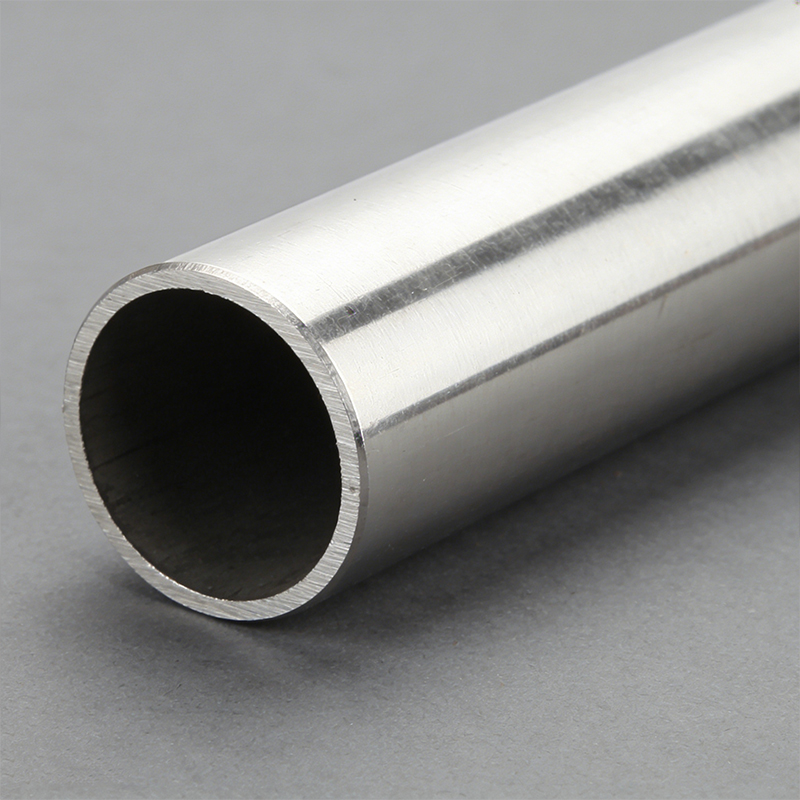
Monel 400 tubing

Monel 400 tubing is a nickel-copper alloy known for its exceptional resistance to corrosion and high strength across a range of temperatures. As a B2B buyer, understanding the specifications, applications, and supplier considerations for inconel 625 tubing is crucial. This article will guide you through the essential factors to consider when sourcing this material, ensuring that your purchasing decisions are informed and aligned with your project requirements.
Our Products

Understanding Monel 400 Tubing Specifications for Bulk Orders

Monel 400 tubing is characterized by its specific material composition, which includes approximately 67% nickel and 31% copper, with trace amounts of iron, manganese, carbon, and silicon. This unique blend provides excellent resistance to a variety of corrosive environments, especially those found in marine and chemical processing applications. 

When placing bulk orders, it is essential to verify specific dimensions, wall thickness, and lengths that align with your project needs. Common dimensions for Monel 400 tubing can vary, with options typically ranging from 1/4" to 12" in diameter. Buyers should also consider the manufacturing method, as both seamless and welded options are available, each offering distinct advantages depending on the application. 

It is important to confirm the required certifications, such as ISO9001 and AS9100, which ensure quality management and compliance with international standards. Buyers should also inquire about the minimum order quantity (MOQ) and production lead times, which can vary based on the supplier's capacity and the specifics of the order.

Get a Free Quote

Our representative will contact you soon.
Email
Mobile
Name
Company Name
Message
0/1000

Related product categories

How to Choose the Right Monel 400 Tubing Supplier for Your Needs

Selecting the right supplier for Boyue Monel 400 tubing requires careful consideration of several factors. First, assess the supplier’s manufacturing capabilities and experience in producing nickel alloys. A supplier with a complete production chain, including smelting and forging processes, can often provide better quality assurance and more consistent materials. 

Next, evaluate the supplier’s quality control processes. Ask about their inspection methods and any certifications they hold, such as PED or API. These certifications can serve as indicators of the supplier’s commitment to maintaining high-quality standards throughout production. 

Another critical factor is customization capabilities. Depending on your project requirements, you may need specific dimensions or surface treatments. Ensure that the supplier can accommodate these customizations and is willing to work closely with you to meet your specifications. 

Lastly, consider the supplier’s reputation in the industry. Look for reviews or testimonials from other B2B buyers, particularly those in your field. A trusted supplier will often have a proven track record of on-time delivery and responsive customer service.

Common Applications of Monel 400 Tubing in Industrial Projects

Monel 400 tubing finds extensive applications across various industries due to its unique properties. In the marine industry, it is used for seawater applications, including propeller shafts and pumps, because of its resistance to chloride ion corrosion. 

In the chemical processing sector, Monel 400 is favored for its ability to withstand corrosive substances such as acids and alkalis, making it suitable for piping systems and heat exchangers. The petroleum industry also utilizes this tubing for downhole tubing and oil and gas production equipment, where exposure to harsh environments is common. 

Additionally, hastelloy c276 tubing is employed in aerospace applications, particularly in components that require high strength and corrosion resistance at elevated temperatures. Its versatility and reliability make it a go-to choice for critical applications across these sectors.

A Buyers Guide

When preparing to purchase Boyue Monel 400 tubing, buyers should gather comprehensive information to ensure a smooth transaction. Here are essential points to consider: 

Technical Specifications: Clearly specify the dimensions, wall thickness, and required certifications. Providing exact measurements will help suppliers give accurate quotations and avoid production delays. 

Quantity Requirements: Determine your order volume, keeping in mind supplier MOQs and your project timeline. This helps in negotiating prices and delivery schedules. 

Application Context: Share details about the intended application. Understanding how the tubing will be used can influence material selection and any necessary customization. 

Sample Approval: Before mass production, request samples to verify that the tubing meets your quality standards and specifications. Testing samples in actual operating conditions can prevent issues during full-scale production. 

Logistics: Discuss packaging and shipping options with your supplier. Proper packaging is crucial to prevent damage during transit, especially for bulk orders. 

By preparing this information ahead of time, buyers can facilitate a more efficient procurement process and foster a better relationship with suppliers.

Addressing Common Problems with Monel 400 Tubing Solutions

While Boyue Monel 400 tubing is known for its durability, there are common issues that buyers should be aware of to ensure a successful purchase. One frequent challenge is dimensional accuracy. Tubing that does not meet specified dimensions can lead to compatibility issues during installation. Always verify that the supplier provides precise measurements and conducts thorough inspections during manufacturing. 

Another concern is corrosion, particularly if the tubing is exposed to extreme conditions outside its specified range. Buyers should confirm that the tubing is suitable for their specific application to avoid premature failure. 

Additionally, ensure that the supplier has robust quality control measures in place to catch any defects during production. Issues such as weld integrity or surface imperfections can impact performance. Regular communication with the supplier and conducting quality inspections on received products can mitigate these risks effectively. 

In summary, understanding the specifications, choosing the right supplier, recognizing applications, preparing effectively, and addressing potential problems are key steps in successfully sourcing Alloy Pipes for your industrial projects. By following this guide, buyers can make informed decisions that enhance project outcomes and establish reliable supplier partnerships.