Sourcing Monel Material: Key Considerations for Buyers

All Categories
Get a Quote

Get a Free Quote

Our representative will contact you soon.
Email
Mobile
Name
Company Name
Message
0/1000

Monel material

Monel material is a high-performance nickel-copper alloy widely recognized for its exceptional corrosion resistance, strength, and versatility. Buyers in industries such as aerospace, petroleum, nuclear power, and energy generation often seek Monel to meet specific application requirements. This article will guide you through key considerations when sourcing Monel material, ensuring you make informed decisions that align with your operational needs

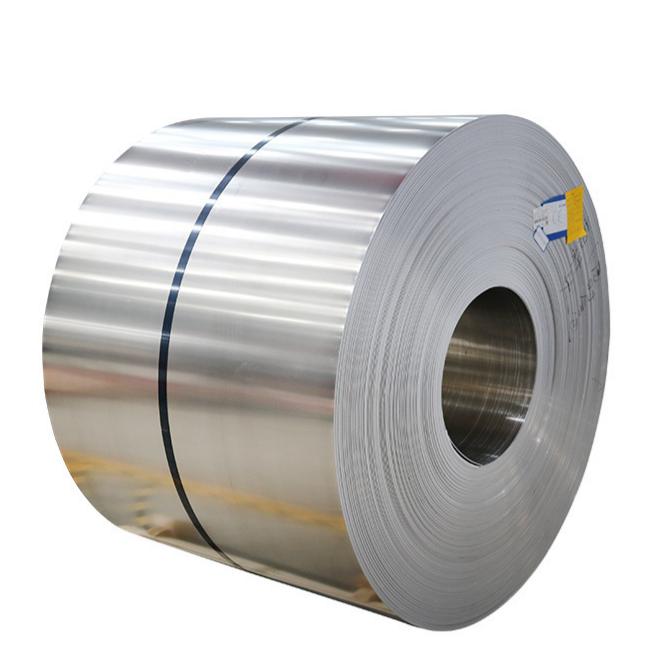
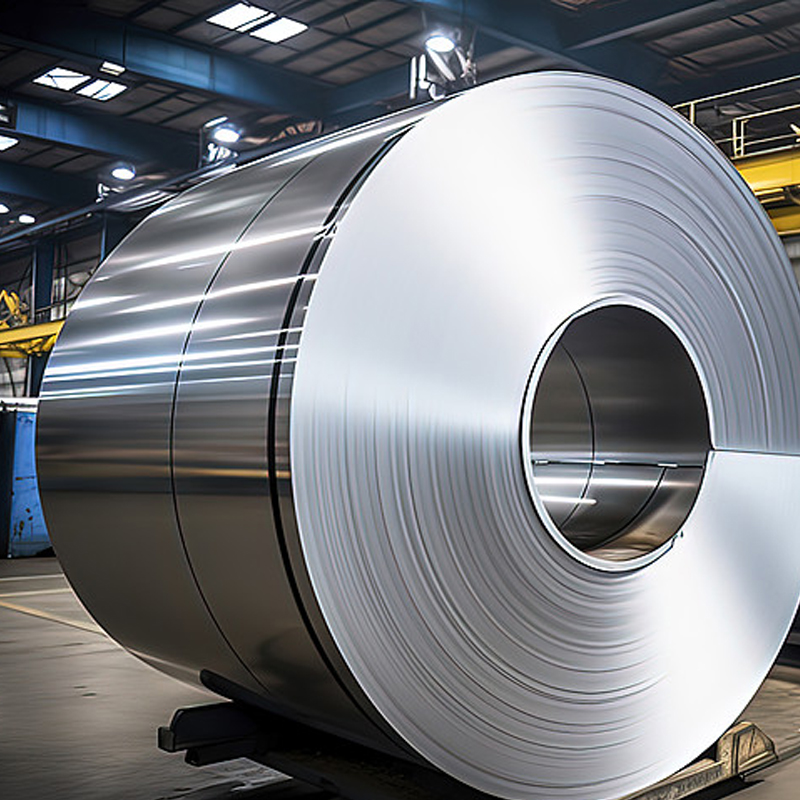
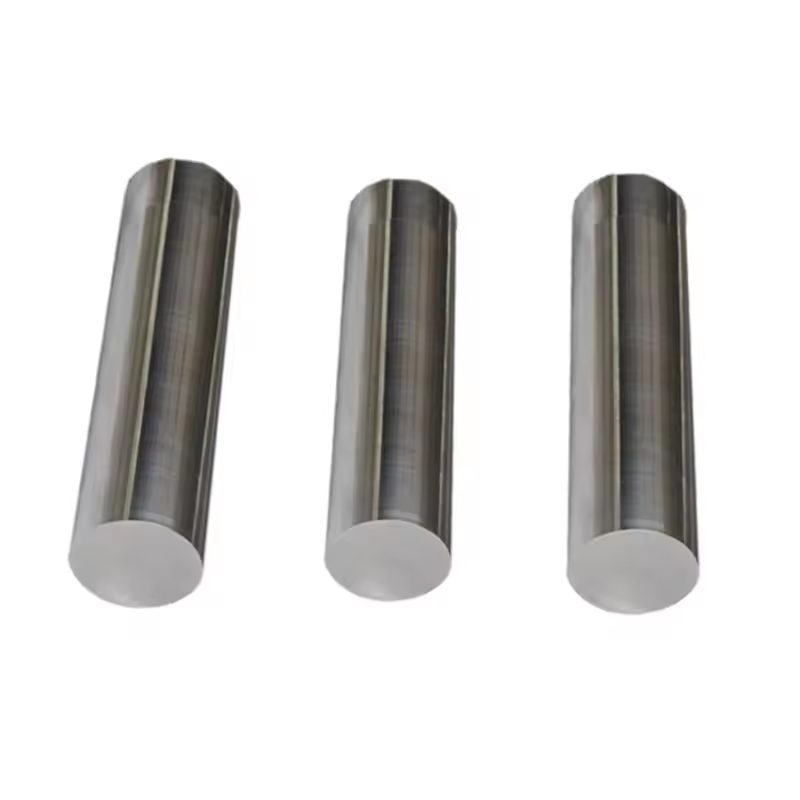
Boyue provides monel material and other nickel alloy products for various industrial applications. When evaluating Monel material from Boyue, B2B buyers can consider factors such as alloy grade, chemical composition, mechanical properties, corrosion resistance, product form, dimensions, surface condition, applicable material standards, heat treatment requirements, application environment, customization options, quality control, testing documentation, production capacity, lead times, and supplier support to determine whether the material meets their specific industrial requirements.
Our Products

What to Consider When Sourcing Monel Material for Bulk Orders

Sourcing Monel material for bulk orders involves several critical factors that can significantly affect your procurement process. First, understanding the specific grade of Monel required for your application is crucial. Different grades, such as Monel 400 or Monel K-500, offer varying levels of corrosion resistance and mechanical properties. Therefore, clearly defining your operational environment—be it exposure to seawater, acidic conditions, or high temperatures—is essential

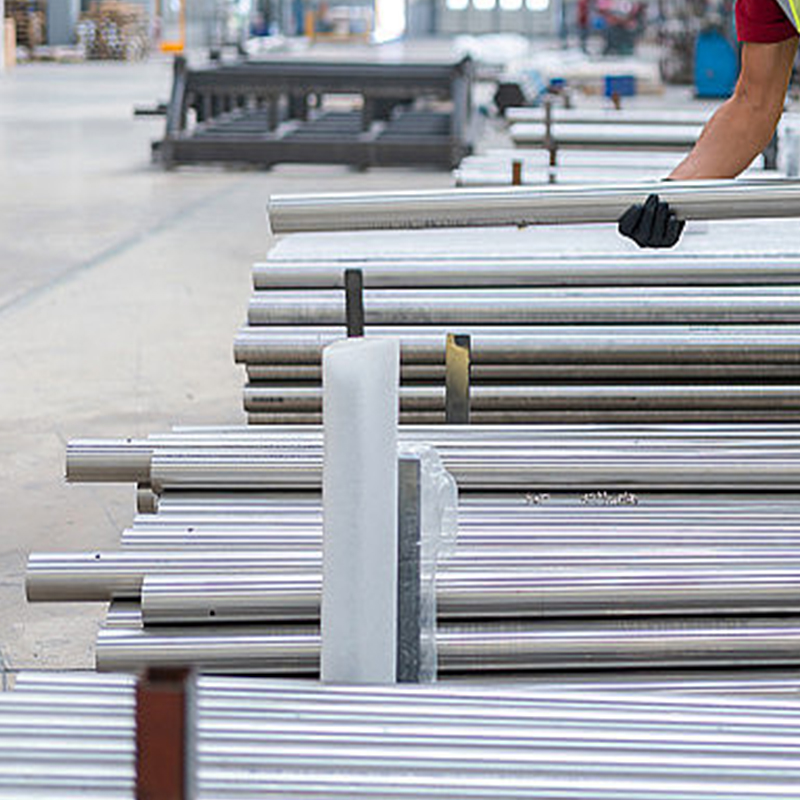
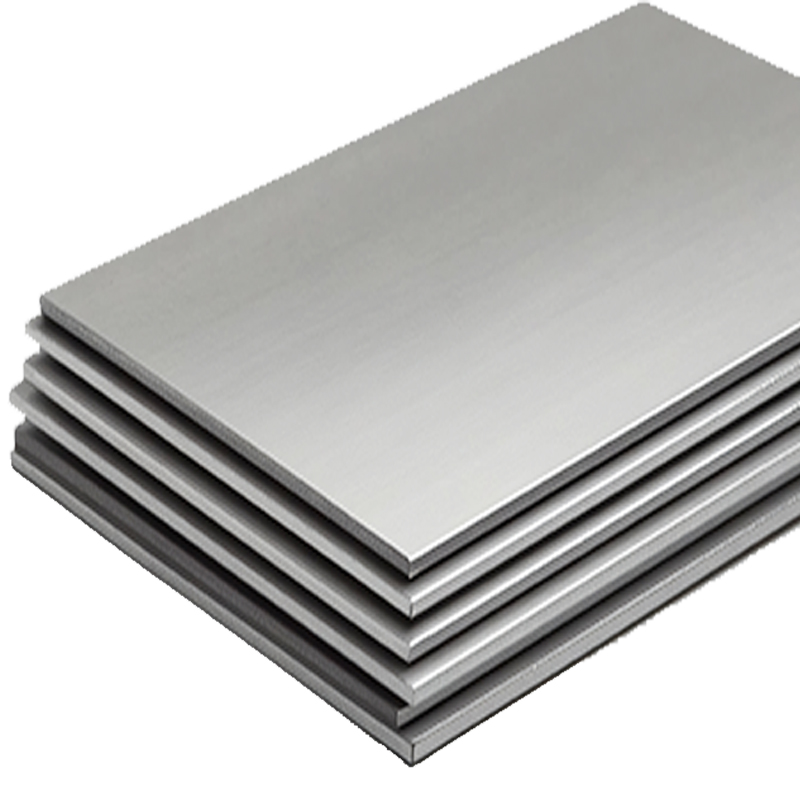
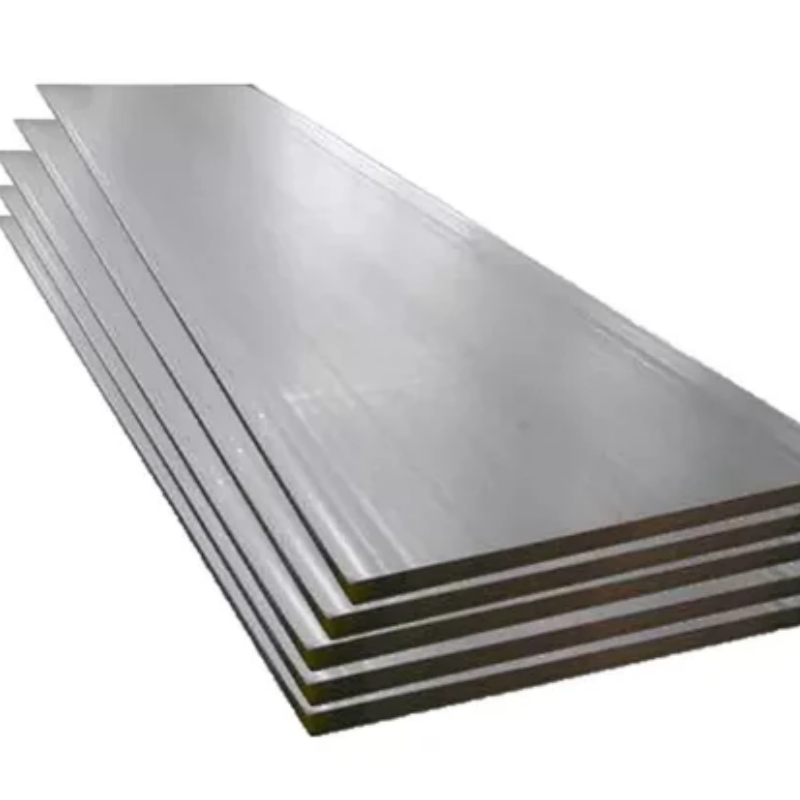
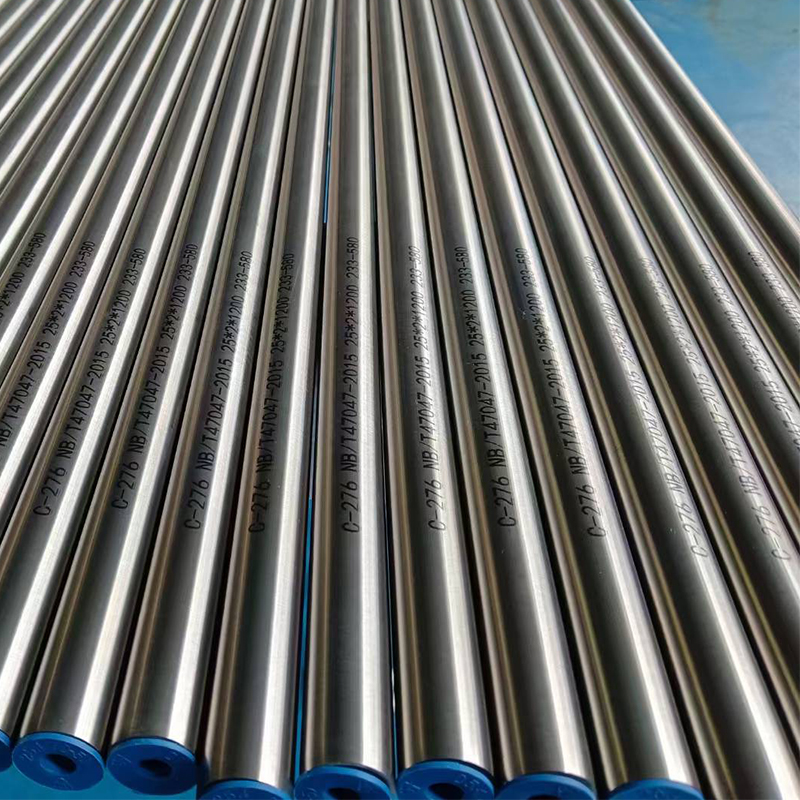
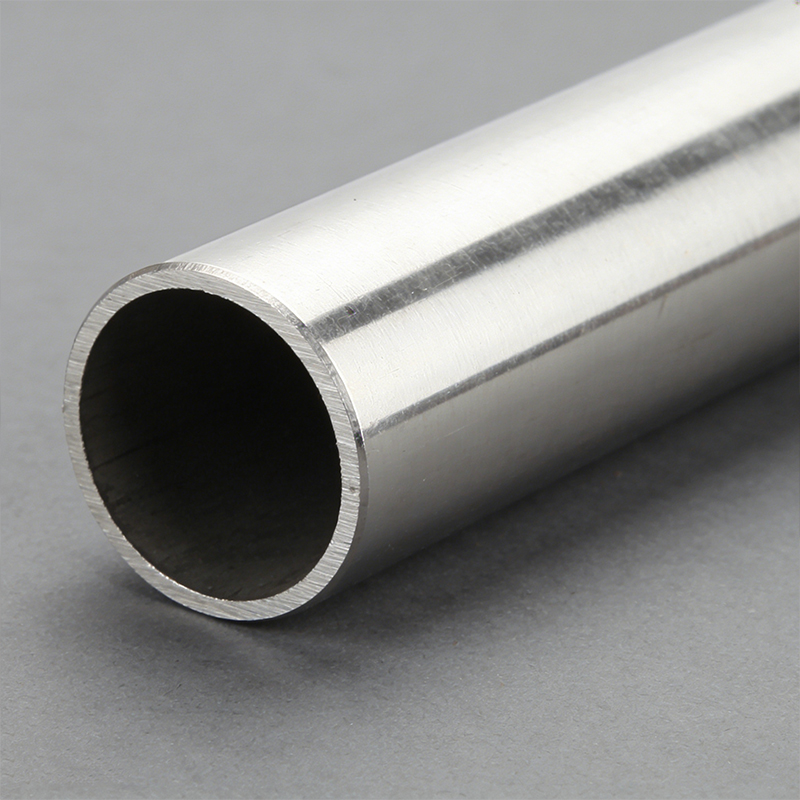
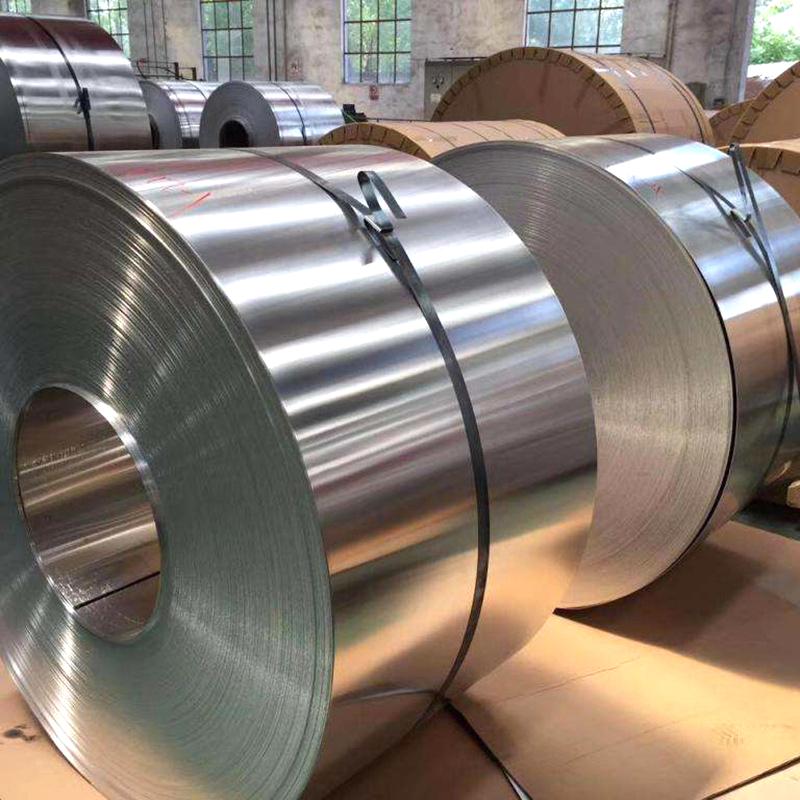
Another key consideration is the manufacturing capabilities of your supplier. Ensure that they have the equipment and expertise to produce Monel in the required forms, such as pipes, plates, or fasteners. A supplier like Jiangsu Boyue Alloy Materials Co., Ltd. can offer a seamless production chain from smelting to forging, which is beneficial for maintaining quality control throughout the manufacturing process

Lastly, confirm the supplier's ability to meet your volume requirements. Minimum order quantities (MOQ) can vary significantly between manufacturers, and understanding their production capacity will help you avoid delays in your supply chain.

Get a Free Quote

Our representative will contact you soon.
Email
Mobile
Name
Company Name
Message
0/1000

Related product categories

Key Specifications of Monel Material for Industrial Applications

When evaluating Monel material for industrial applications, several specifications are paramount. Key parameters include:

Chemical Composition: The specific nickel and copper content in Monel affects its corrosion resistance and mechanical properties. For instance, Monel 400 typically contains about 67% nickel and 30% copper, making it suitable for marine applications

Mechanical Properties: Important mechanical properties such as yield strength, tensile strength, and elongation must be assessed. Buyers should ensure that these properties meet or exceed the demands of their specific applications—particularly in high-stress environments

Dimensions and Tolerances: Precise dimensions and tolerances are crucial in applications where fit and performance are critical. Ensure that your supplier can provide Monel in the exact sizes and specifications required by your project

Surface Finish: Depending on the application, the surface finish of Monel Alloy can affect its performance, particularly in corrosive environments. Discuss the required surface treatment options with your supplier to ensure compatibility with your application

Evaluating these specifications will help ensure that the Monel material you source will perform reliably under the desired conditions.

What Buyers Need to Know

Buyers should be aware of several key aspects when procuring Monel material. First, understanding the lead time for production and delivery is vital. Monel is often considered a specialty alloy, and the time required to produce and deliver large quantities can vary based on the supplier's current workload and capabilities

Additionally, buyers should inquire about quality control processes. A reputable supplier will have strict quality assurance measures in place, including testing for mechanical properties and corrosion resistance. Request documentation that verifies compliance with relevant industry standards, such as ISO9001 or AS9100

Finally, it is beneficial to ask about customization options. Many suppliers offer tailored solutions to meet specific application requirements, such as custom dimensions or special surface treatments. Engaging in these discussions early in the procurement process can lead to more effective outcomes.

Ensuring Supply Chain Stability

For businesses relying on Monel Alloy 400 material, ensuring supply chain stability is essential. One effective strategy is to establish strong partnerships with your suppliers. A supplier like Jiangsu Boyue Alloy Materials Co., Ltd., with a complete production chain, can help mitigate risks associated with sourcing and production

It is also advisable to maintain open communication regarding demand forecasts and potential fluctuations in order volumes. This proactive approach allows suppliers to better manage their production schedules and inventory, which can lead to more reliable delivery times

Another consideration is geographical location. Proximity to your supplier can reduce shipping times and costs, enhancing overall supply chain efficiency. Moreover, evaluating the supplier's ability to operate in your target export markets can provide additional assurance of stability.

Installation Guidelines for Monel Material in Various Industries

Proper installation is critical for maximizing the performance of Monel material across various industries. Here are some guidelines to consider:

Pre-Installation Inspection: Before installation, inspect all Monel components for any signs of damage or defects. Ensure that they meet the specifications outlined in your purchase agreement

Compatibility with Other Materials: When installing monel metal alongside other materials, pay careful attention to potential galvanic corrosion. Use appropriate insulating materials to prevent contact between dissimilar metals, especially in corrosive environments

Torque Specifications: For bolted connections, adhere to the manufacturer’s torque specifications to avoid material failure. Over-tightening can lead to deformation or cracking, while under-tightening can result in leaks or joint failures

Thermal Expansion Considerations: Monel exhibits significant thermal expansion. When designing installations, account for the potential movement of Monel components due to temperature changes, particularly in high-heat environments

By following these guidelines, you can ensure that your Monel installations are both efficient and reliable, thereby enhancing the overall performance of your systems

In summary, sourcing Monel material requires careful consideration of specifications, supplier capabilities, and installation practices. By applying this knowledge, you can streamline your procurement process and enhance the performance of your applications.