Monel 400: Key Specifications and Supplier Guidance

All Categories
Get a Quote

Get a Free Quote

Our representative will contact you soon.
Email
Mobile
Name
Company Name
Message
0/1000

Monel 400

Monel 400 is a popular nickel-copper alloy known for its exceptional resistance to corrosion and high temperatures, making it a versatile choice for various industrial applications. As a B2B buyer, understanding the specific properties and applications of Monel 400 is crucial for making informed purchasing decisions. This article will guide you through essential considerations, including how to choose Monel 400 for your applications, key specifications to look for, reliable suppliers, installation guidance, and common issues you may encounter with this material
Our Products

How to Choose Monel 400 for Your Industrial Applications

When selecting Monel 400, it is vital to consider the specific requirements of your application. This alloy excels in environments exposed to seawater, acids, and alkalis, making it suitable for industries such as aerospace, petroleum, and nuclear power

Start by assessing the chemical exposure your application will face. Monel Alloy 400's high resistance to corrosion, particularly in reducing environments, allows it to perform effectively in harsh conditions. Additionally, evaluate the mechanical properties, such as tensile strength and ductility, as they influence how the material will perform under stress

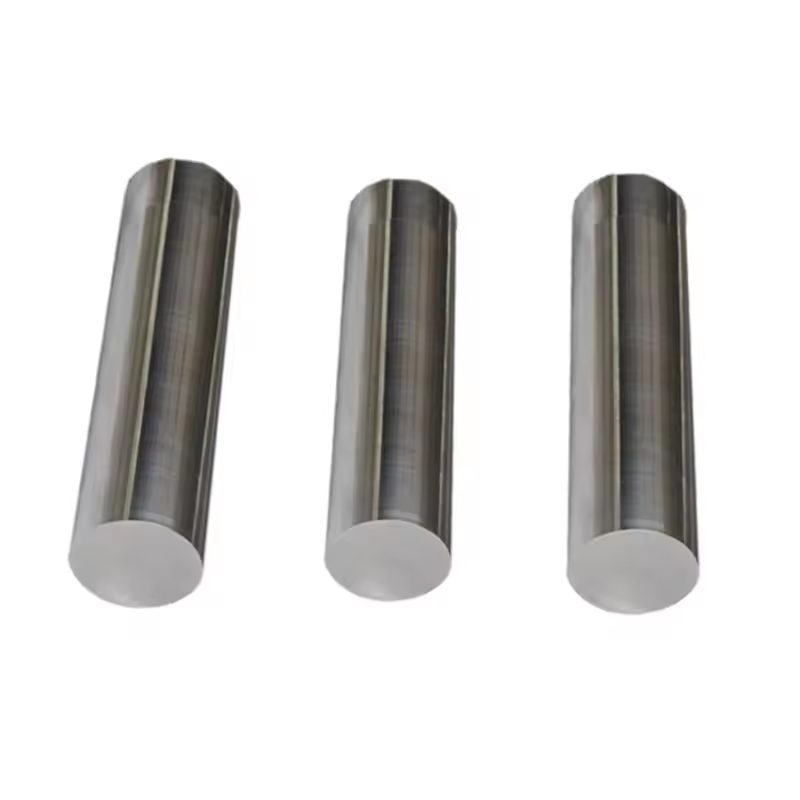
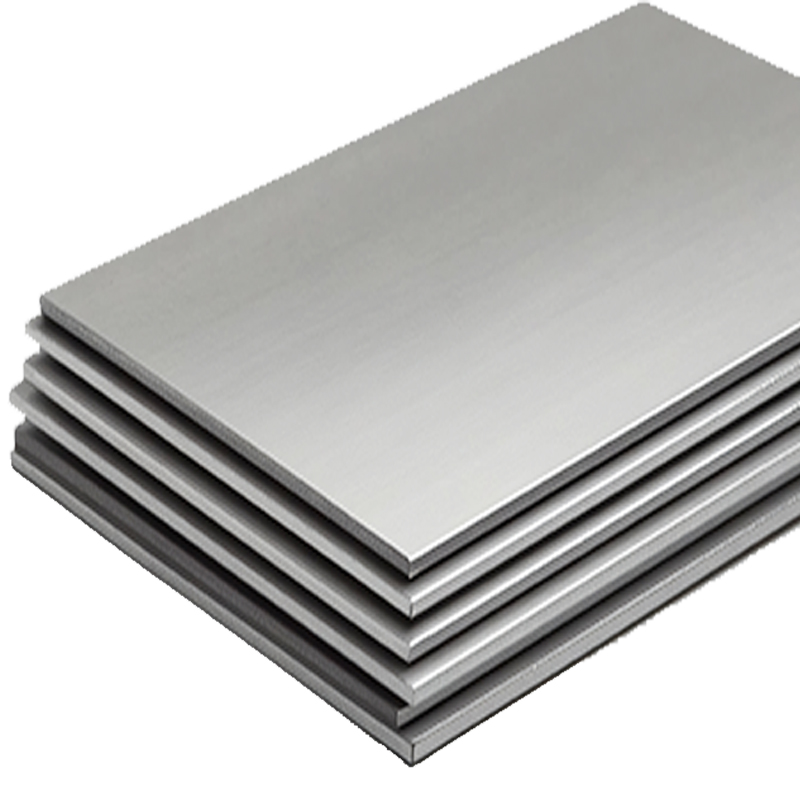
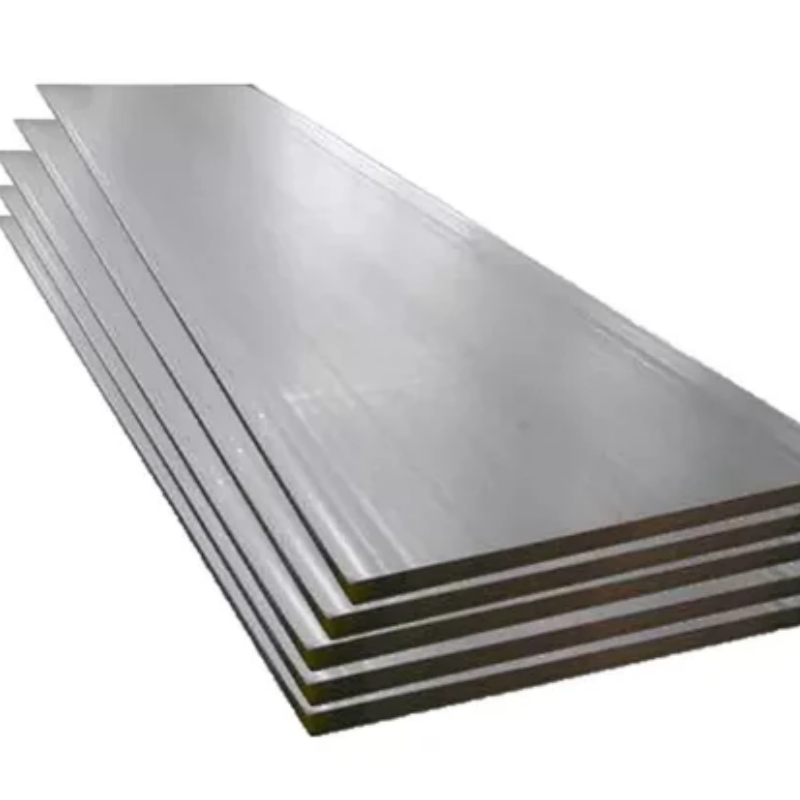
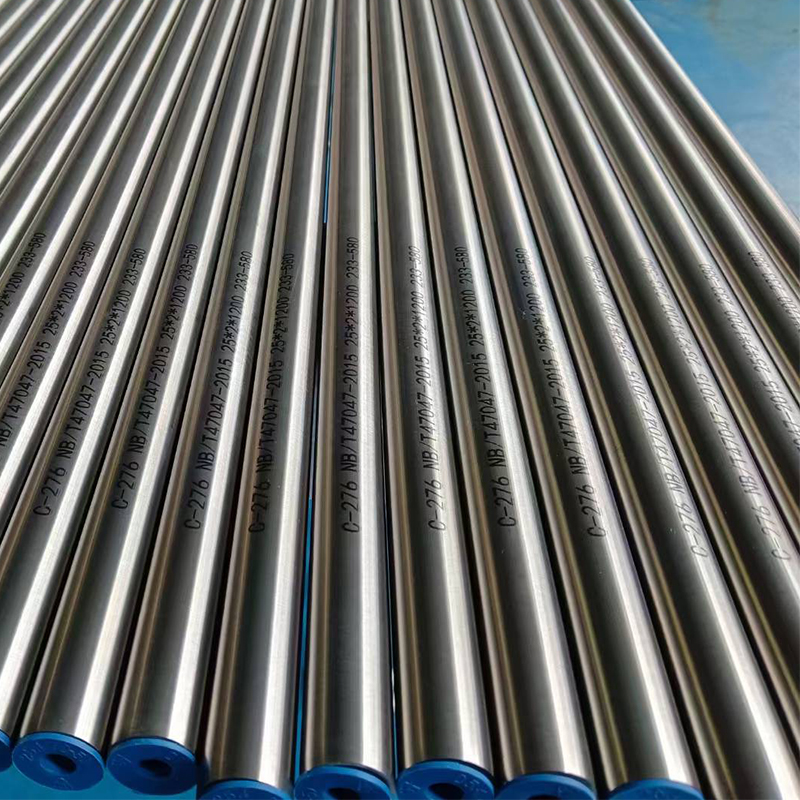
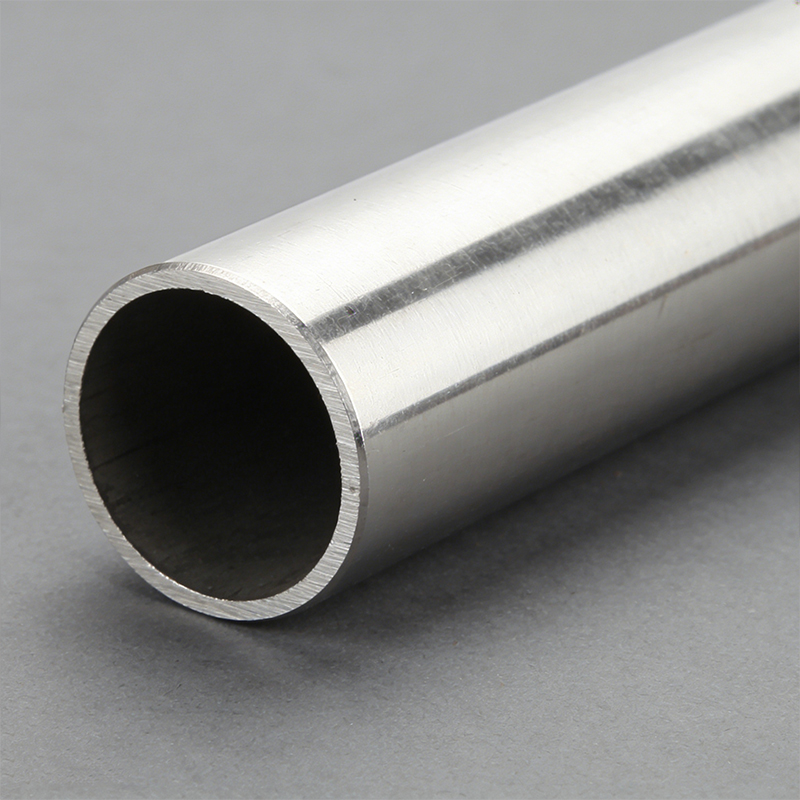
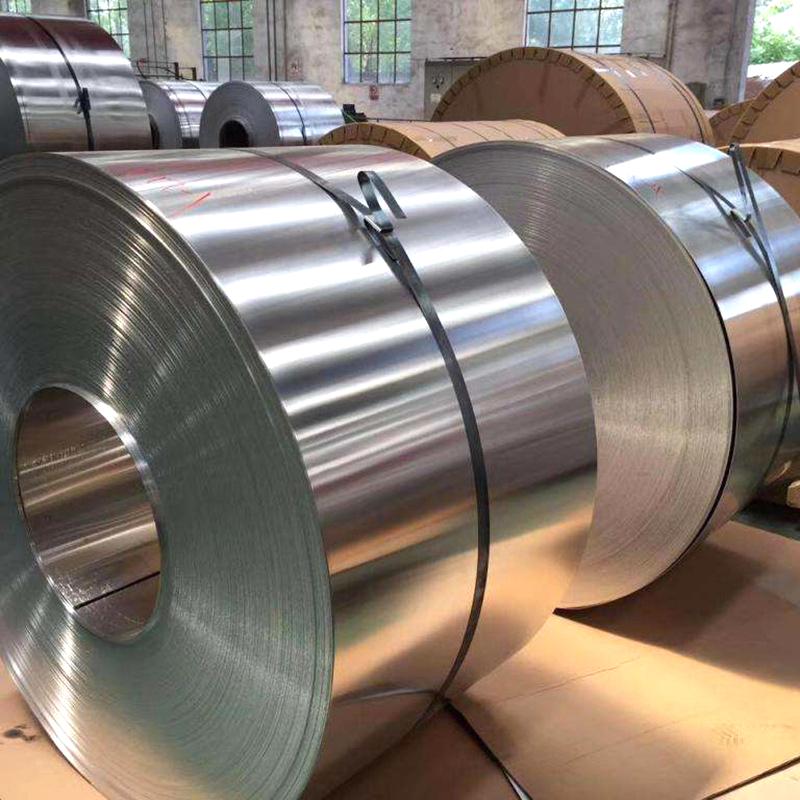
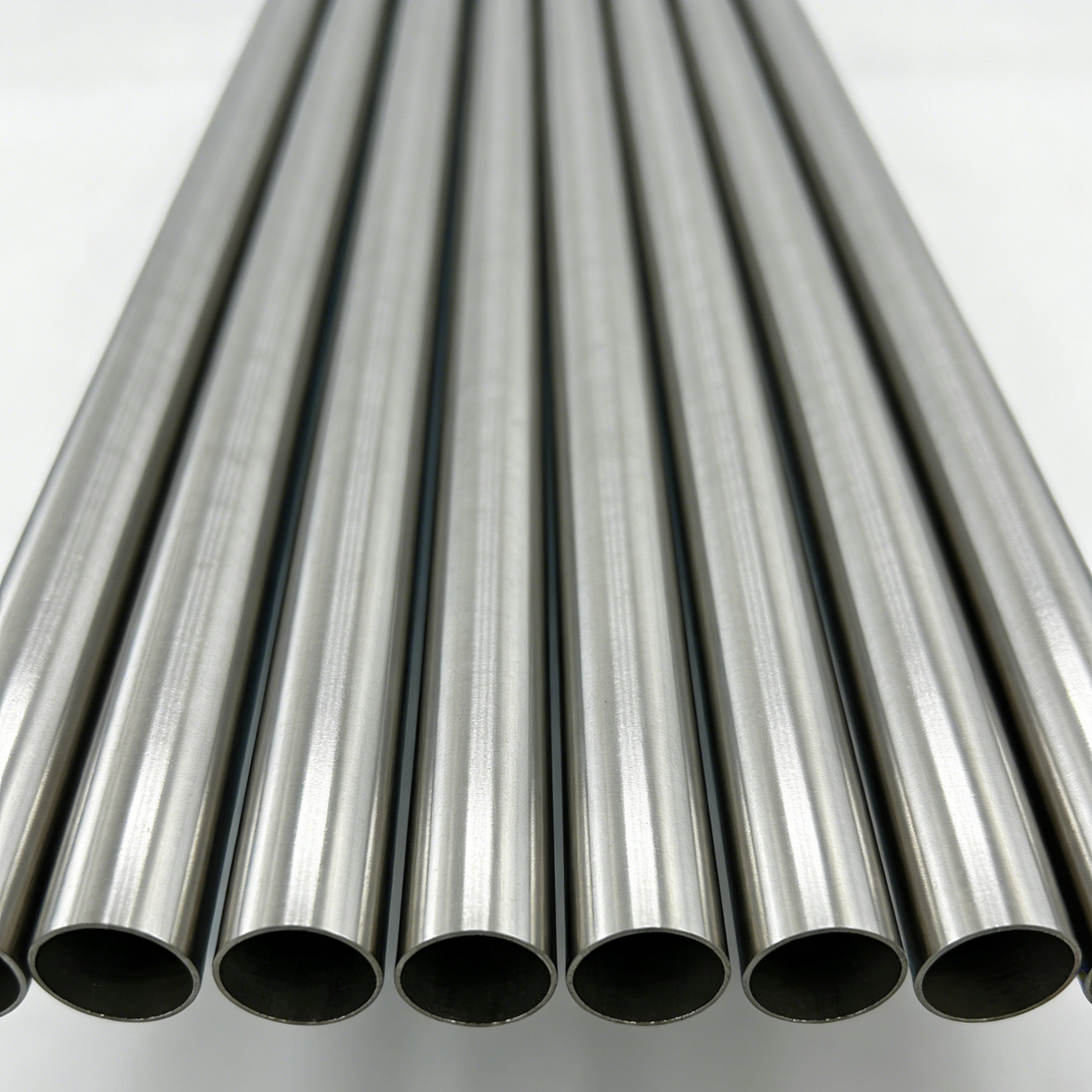
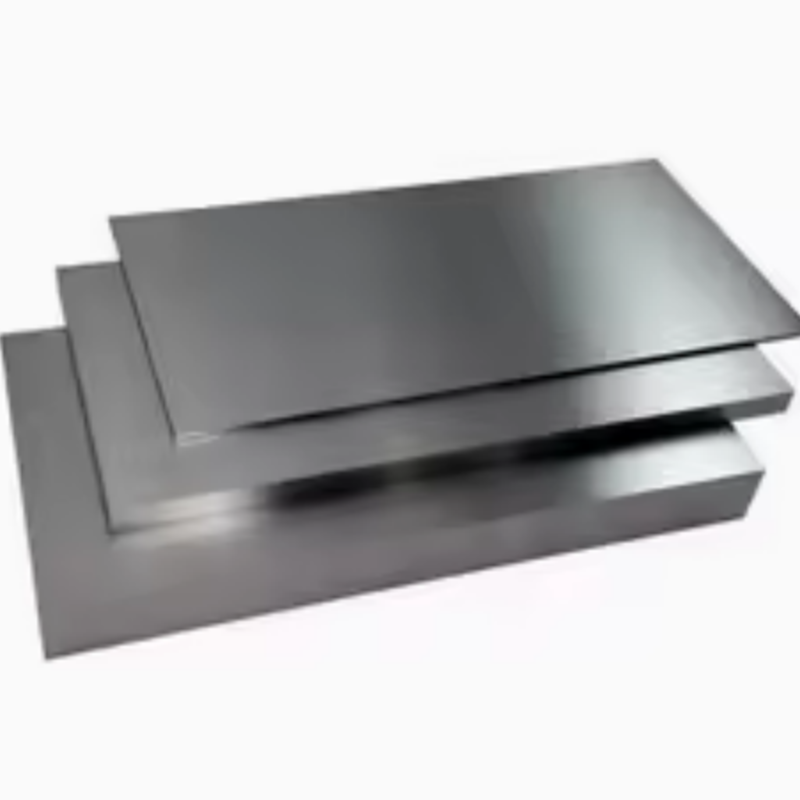
Consider the form of Monel 400 you need, whether it be pipes, plates, or fasteners. Each form will have distinct advantages based on your manufacturing processes and installation requirements. Collaborating with a knowledgeable supplier can help you determine the most suitable form and specification based on your application

Get a Free Quote

Our representative will contact you soon.
Email
Mobile
Name
Company Name
Message
0/1000

Related product categories

Key Specifications of Monel 400 for Wholesale Buyers

Key Specifications of Monel 400 for Wholesale Buyers

For wholesale buyers, understanding Monel 400's specifications is critical. Key parameters to focus on include

Chemical Composition: Monel 400 typically contains about 63% nickel and 28% copper, with small amounts of manganese, silicon, and iron. This specific composition contributes to its excellent corrosion resistance and mechanical properties

Mechanical Properties: Look for tensile strength values typically around 70,000 psi (483 MPa) and yield strength close to 30,000 psi (207 MPa). These figures indicate the alloy’s ability to withstand mechanical stress without deforming

Temperature Resistance: Monel 400 can operate effectively at temperatures up to 1000°F (538°C), making it suitable for high-temperature applications

Standards and Certifications: Ensure that the alloy meets industry standards such as ASTM B164 and ASME SB164, which govern the quality and manufacturing processes of Monel 400

As you prepare to make a purchase, confirm these specifications with the supplier to ensure they align with your application requirements

Reliable Suppliers for Monel 400 in the Manufacturing Sector

Finding a reliable supplier for Monel 400 is crucial for ensuring product quality and service reliability. Look for suppliers that have established reputations within the manufacturing sector, such as Jiangsu Boyue Alloy Materials Co., Ltd. They should provide comprehensive services, including

Custom Manufacturing Capabilities: A supplier that offers tailored solutions can help meet your specific needs, whether for unique dimensions or custom forms

Certifications: Look for suppliers with ISO9001, AS9100, PED, and API certifications, as these indicate a commitment to quality and compliance with industry standards

Quality Control Processes: Reliable suppliers should have robust quality control measures in place to ensure that every batch of Monel 400 meets specified standards

Customer Support: A responsive customer service team can assist you with inquiries regarding specifications, lead times, and logistics

By partnering with a reputable supplier, you can ensure a consistent supply of high-quality Monel metal 400 for your projects

Installation Guidance for Monel 400 Products in Projects

Installing Monel 400 products requires careful consideration to ensure optimal performance. Here are a few key points to keep in mind during the installation process

Pre-Installation Inspection: Before installation, inspect the Monel 400 components for any signs of damage or defects. This includes checking for surface imperfections that may affect performance

Compatibility with Other Materials: When integrating Monel 400 with other metals, be cautious of galvanic corrosion. It is advised to use compatible materials to minimize the risk of corrosion and ensure longevity

Installation Techniques: Use appropriate welding techniques suitable for Monel 400. TIG (Tungsten Inert Gas) welding is commonly recommended for achieving strong, high-quality welds. Ensure that the filler materials used are also compatible with Monel 400 to maintain its properties

Post-Installation Testing: Conduct tests post-installation to verify the integrity of the connections and the overall assembly. This can help identify any issues that may arise during operation

By following proper installation guidelines, you can maximize the performance and lifespan of Monel 400 products in your applications

Common Problems with Monel 400 and Effective Solutions

While Monel 400 is known for its durability, it is not without challenges. Here are some common issues buyers might encounter, along with effective solutions

Corrosion in Certain Environments: Although Monel 400 is resistant to many corrosive agents, it can still suffer from pitting corrosion in highly acidic environments. To mitigate this, ensure that the alloy is used within its recommended chemical exposure limits and consider protective coatings where necessary

Weld Cracking: Improper welding techniques can lead to cracking in Monel 400 components. To prevent this, ensure that the welding process is aligned with best practices for nickel alloys, and always preheat the material to reduce thermal stress

Surface Degradation: Monel 400 can experience surface degradation from prolonged exposure to aggressive environments. Regular maintenance and inspections can help identify early signs of wear, allowing for timely intervention

Dimensional Variability: Variations in dimensions can occur during manufacturing. It is advisable to request a finished sample before mass production to confirm that all specifications meet your requirements

By being aware of these potential challenges and implementing suitable solutions, you can enhance the reliability of your Monel 400 applications and reduce the risk of costly failures