Monel Alloy K-500: Key Factors for Buyers

All Categories
Get a Quote

Get a Free Quote

Our representative will contact you soon.
Email
Mobile
Name
Company Name
Message
0/1000

Monel Alloy K-500

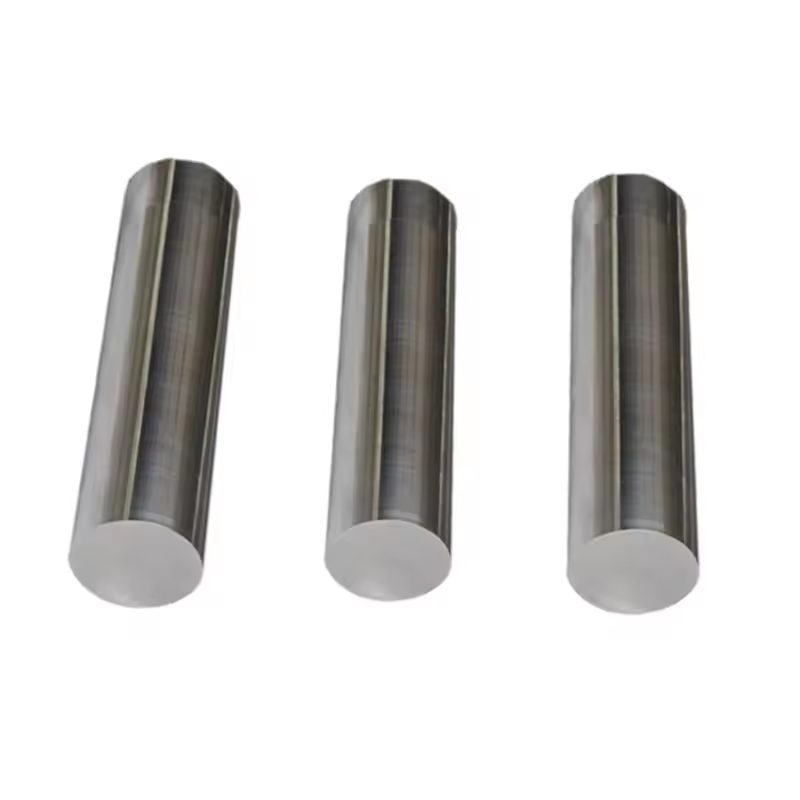
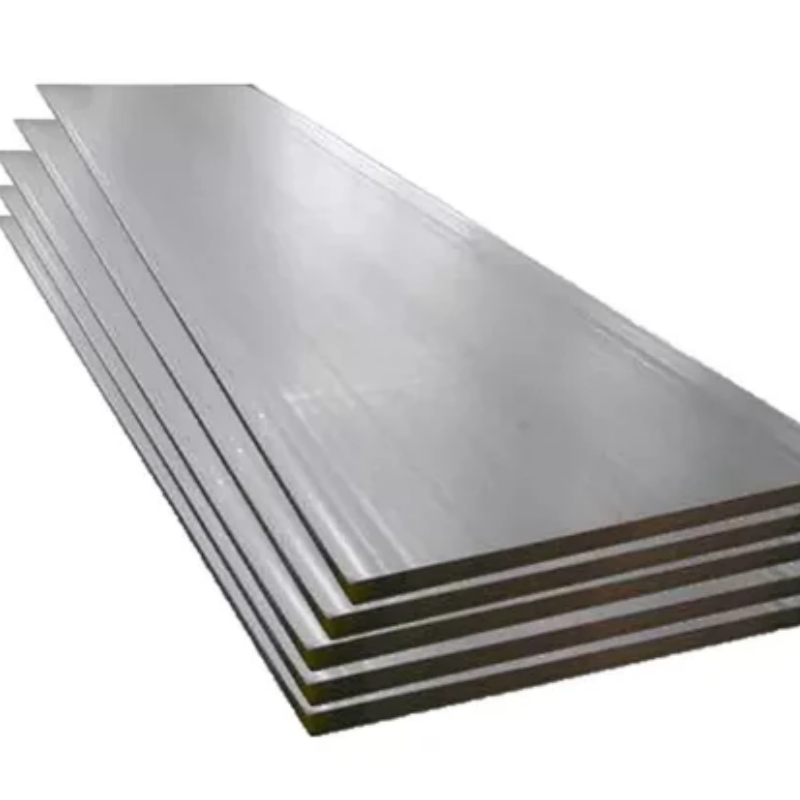
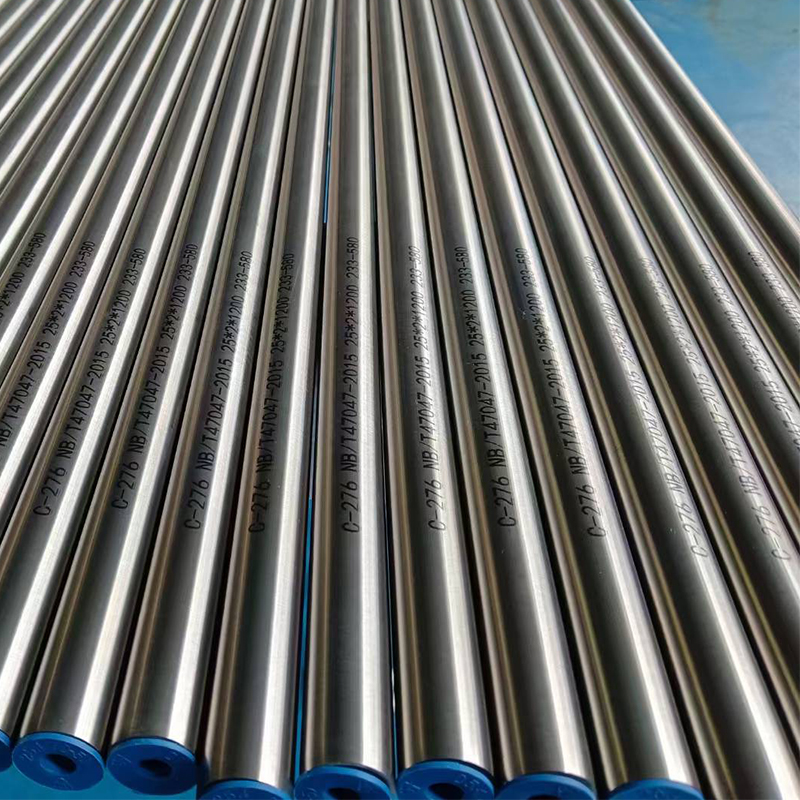
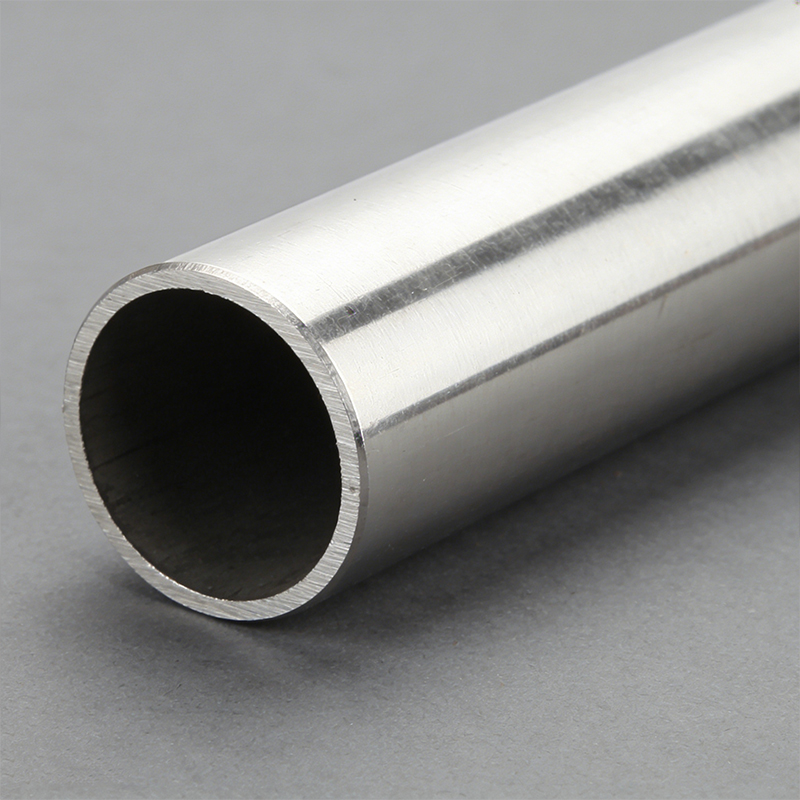
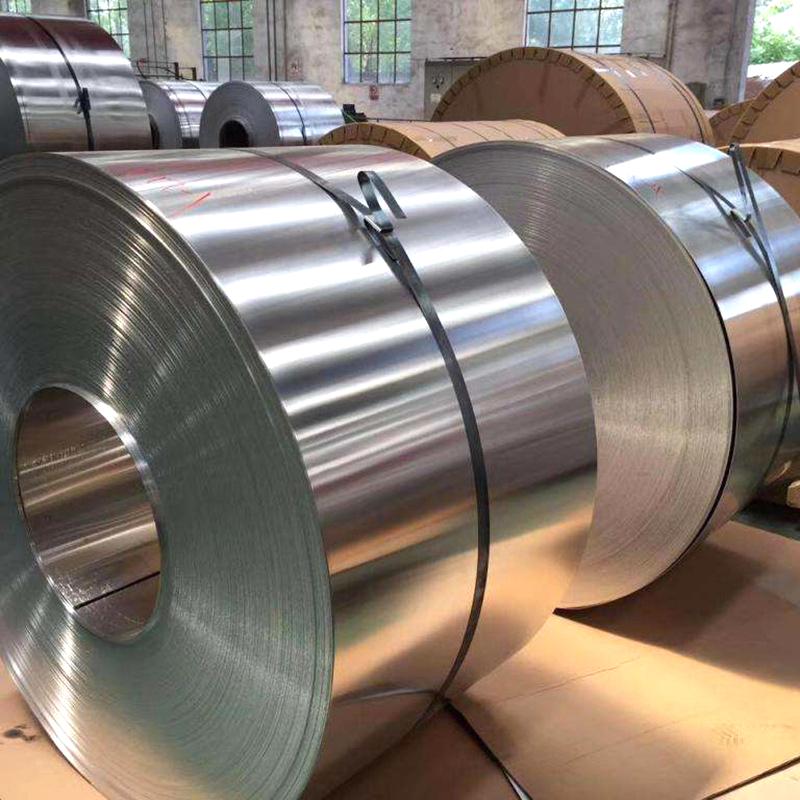
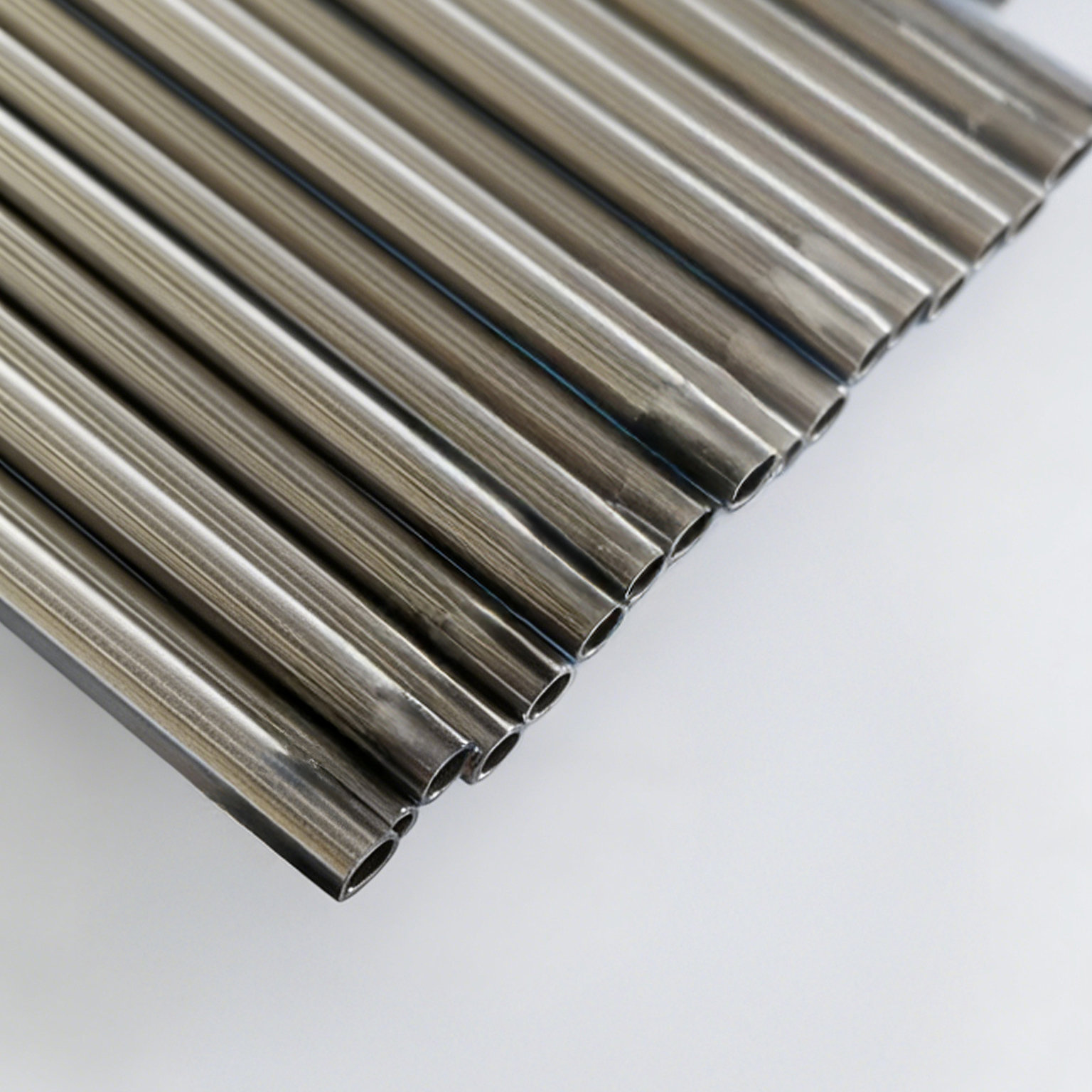
Boyue Monel Alloy K-500 is a nickel-copper Hastelloy known for its high strength and corrosion resistance, making it an ideal choice for various industrial applications. As a B2B buyer, understanding the properties, quality evaluation, and applications of Monel Alloy K-500 is essential for making informed purchasing decisions. This article will address key considerations for wholesale buyers, how to evaluate the quality of Monel Alloy K-500, its specific applications, installation guidelines, and common issues with the alloy, alongside their solutions
Our Products

Key Factors for Wholesale Buyers

When sourcing Boyue Monel Alloy K-500 Hastelloy B, buyers should consider several critical factors to ensure they select the right materials for their applications. First, the specific composition of the alloy, which typically includes around 63% nickel and 28% copper, along with small amounts of iron, manganese, and silicon, plays a significant role in its performance characteristics. Buyers should request detailed material specifications to confirm that the alloy meets the necessary requirements for strength and corrosion resistance

Additionally, understanding the manufacturing capabilities of the supplier is crucial. Jiangsu Boyue Alloy Materials Co., Ltd., for instance, employs a comprehensive production chain that includes smelting and forging, ensuring high-quality and consistent products. Buyers should inquire about the supplier’s certifications, such as ISO9001 and AS9100, which indicate a commitment to quality management systems

Finally, consider the MOQ (minimum order quantity) and lead times for production and delivery. Customization capabilities are also significant; suppliers should be able to accommodate specific requirements regarding dimensions, surface treatments, and packaging to meet the unique needs of different applications

Get a Free Quote

Our representative will contact you soon.
Email
Mobile
Name
Company Name
Message
0/1000

Related product categories

Evaluating the Quality of Monel Alloy K-500 for Industrial Use

Evaluating the Quality of Monel Alloy K-500 for Industrial Use

Quality evaluation of Boyue Monel Alloy K-500 Hastelloy B‑2 requires careful inspection of both the material and the manufacturing processes. Key specifications to confirm include tensile strength, yield strength, and elongation percentage. For instance, Monel Alloy K-500 typically exhibits a minimum tensile strength of around 110,000 psi and yield strength of about 80,000 psi, which are critical for applications under high stress

In addition to mechanical properties, buyers should examine the alloy’s resistance to corrosion, especially in hostile environments such as marine or chemical applications. The presence of impurities can significantly impact performance, so it is advisable to conduct or request a thorough chemical analysis report

Quality control processes are also essential to ensure that each batch of Monel Alloy K-500 meets the required standards. Buyers should inquire about the manufacturer's quality assurance protocols, including any testing methods such as ultrasonic testing or metallographic examination, to confirm that the alloy is free from defects and is suitable for the intended applications

Applications of Monel Alloy K-500 in Aerospace and Energy Sectors

Monel Alloy K-500 is prominently used in the aerospace and energy sectors due to its unique properties. In aerospace, the alloy's high strength-to-weight ratio and resistance to extreme temperatures make it an excellent choice for components such as turbine blades, fuel systems, and structural parts. Its ability to withstand the corrosive effects of saltwater and other harsh chemicals also makes it suitable for marine applications

In the energy sector, Monel Alloy K-500 is utilized in the manufacturing of valves, pumps, and other critical components for oil and gas exploration and production. The alloy's resistance to pitting and stress corrosion cracking is particularly valuable in environments where exposure to various corrosive agents is expected, such as in offshore drilling platforms

Understanding these applications helps buyers select the right grade and specifications of Monel Alloy K-500 to meet industry-specific requirements, ensuring optimal performance and durability in their projects

Installation Guidelines for Monel Alloy K-500 Components

Proper installation of Monel Alloy K-500 components is crucial for ensuring their long-term performance. It is advisable to follow specific guidelines during installation to prevent potential issues. First, ensure that all surfaces that will be joined are clean and free from contaminants. Any grease, oil, or dirt can compromise the integrity of the joint and lead to failure

When welding Monel Alloy K-500, it is essential to use the correct welding techniques and filler materials, as improper welding can introduce weaknesses. Typically, gas tungsten arc welding (GTAW) is recommended for this alloy, with a filler material that matches the alloy composition to maintain corrosion resistance

Moreover, proper torque specifications should be followed when fastening components to achieve the necessary clamping force without damaging the alloy. Buyers should also consider environmental conditions during installation; extreme temperatures or exposure to corrosive substances can affect the material and should be addressed accordingly

Common Problems with Monel Alloy K-500 and Their Solutions

Despite its many advantages, Monel Alloy K-500 can face specific challenges during use. One common problem is susceptibility to stress corrosion cracking (SCC) in certain environments, particularly when exposed to chloride ions. To mitigate this risk, buyers should ensure that the alloy is used within its recommended temperature and stress parameters, and consider applying protective coatings or using alternative materials in particularly aggressive environments

Another issue can arise from improper installation practices, leading to joint failure or leakage. To avoid this, buyers should adhere strictly to installation guidelines and conduct thorough inspections post-installation to ensure everything is functioning as intended

Lastly, buyers should be aware that Monel Alloy K-500 may require periodic maintenance to uphold its performance, especially in applications exposed to harsh conditions. Regular inspections and maintenance schedules should be established to ensure the components remain in optimal condition

By understanding these common problems and their solutions, buyers can make more informed decisions and ensure the longevity and reliability of their Monel Alloy K-500 applications