Monel 400 Pipe: Specifications and Quality Insights

All Categories
Get a Quote

Get a Free Quote

Our representative will contact you soon.
Email
Mobile
Name
Company Name
Message
0/1000

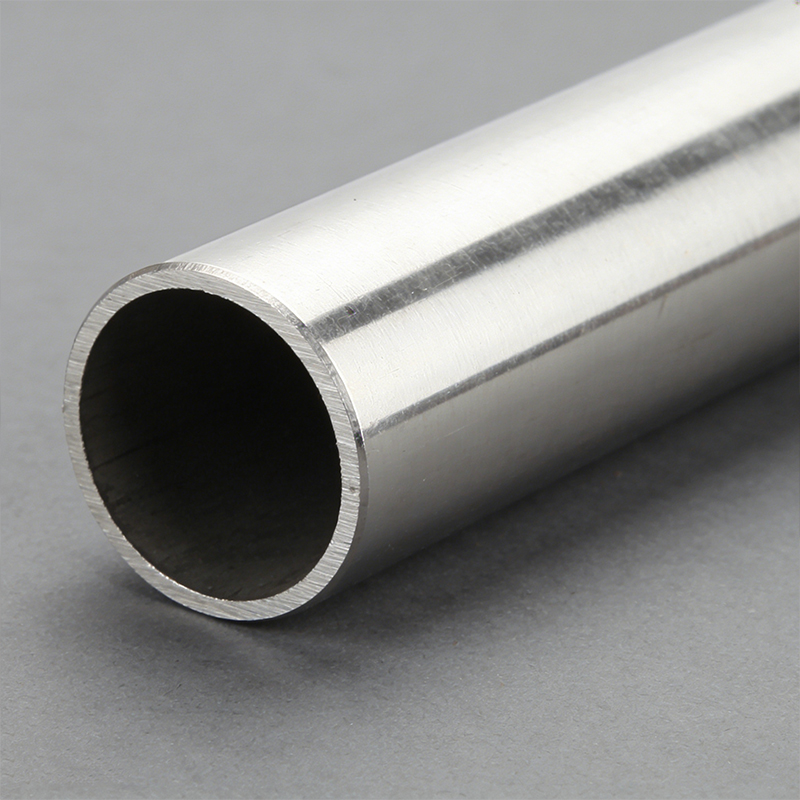
Monel 400 pipe

Monel 400 pipe is a nickel-copper alloy known for its exceptional resistance to corrosion and high-temperature strength, making it an ideal choice for various industrial applications. Buyers often prioritize aspects such as material properties, quality assurance, and suitability for specific environments when evaluating their options. This article will delve into the specifications, quality assessment, installation guidelines, common challenges, and essential considerations for purchasing Monel 400 pipes,  aimed at assisting B2B buyers in making informed decisions. 
Our Products

Understanding Monel 400 Pipe Specifications for Bulk Orders

Monel 400 is a versatile alloy, primarily composed of nickel (about 67%) and copper (about 30%), with trace amounts of iron, manganese, carbon, and silicon. The most critical specifications to consider when ordering Monel 400 pipes include: 

Dimensions and Wall Thickness: The pipe's diameter and wall thickness must align with the application requirements. Common sizes range from 1/8 inch to 12 inches in diameter, with varying wall thicknesses. Buyers should verify exact dimensions based on their project's specifications to ensure compatibility. 

Pressure Rating: Monel 400 are known for their high strength and can withstand considerable pressure, with ratings often exceeding 1500 psi. It's essential to understand the pressure requirements of the intended application to select the appropriate grade. 

Temperature Resistance: This alloy performs well in temperatures up to 1000°F (538°C), maintaining its mechanical properties even in harsh conditions. Buyers should assess the operational temperature of their systems before selection. 

Corrosion Resistance: Monel 400 exhibits excellent resistance to a wide range of corrosive environments, including seawater and acidic solutions. Understanding the specific corrosive agents in the application is critical for ensuring longevity and durability. 

Get a Free Quote

Our representative will contact you soon.
Email
Mobile
Name
Company Name
Message
0/1000

Related product categories

How to Evaluate the Quality of Monel 400 Pipes for Projects

Quality evaluation is vital when purchasing Monel 400 pipes, as it directly impacts performance and safety. Here are key factors to consider: 

Certifications and Standards: Ensure that the supplier adheres to relevant industry standards, such as ISO 9001 and AS9100. These certifications indicate a commitment to quality management systems. Additionally, check for compliance with specific industry regulations, such as API for oil and gas applications. 

Material Testing: Request material test certificates (MTCs) that confirm the monel material pipe's chemical composition and mechanical properties. This documentation provides  assurance that the product meets the specified requirements. 

Inspection Procedures: A reputable supplier should conduct thorough inspections during the manufacturing process. Inquire about their quality control processes,  including non-destructive testing (NDT) methods to detect any internal defects. 

Sample Approval: Prior to bulk orders, it is advisable to obtain and evaluate a sample. This allows you to assess the actual quality, fit, and finish of the Monel 400 pipe before committing to larger quantities. 

Installation Guidelines for Monel 400 Pipes in Complex Systems

Proper installation of Monel 400 pipes is crucial to their performance and longevity. Here are essential guidelines: 

Preparation and Cleaning: Before installation, ensure that all surfaces are clean and free from contaminants. Any debris or grease can compromise the integrity of the joint. 

Welding Considerations: When welding monel metal, use appropriate filler materials and techniques to prevent distortion and ensure strong joints. Preheating may be necessary, depending on the thickness of the pipes and ambient temperature. 

Pipe Supports and Alignment: Properly support the pipes to avoid sagging or misalignment, which can lead to stress and potential failure. Ensure that all connections are aligned correctly to avoid undue strain on the joints. 

Thermal Expansion: Consider the effects of thermal expansion during installation. Monel 400 has a relatively high coefficient of thermal expansion, so plan for expansion joints or flexible connections where necessary. 

Common Problems with Monel 400 Pipes and Their Solutions

While Monel 400 pipes are highly durable, certain issues can arise during their lifecycle. Here are some common problems and their solutions: 

Corrosion Resistance Limitations: Although Monel 400 is resistant to many corrosive substances, it may not perform well in environments with concentrated sulfuric acid or certain strong oxidizers. In such cases, consider alternative alloys or coatings that provide enhanced protection. 

Welding Cracking: Improper welding techniques can lead to cracking and reduced strength. To mitigate this, use qualified welders familiar with nickel alloys and ensure appropriate pre- and post-weld heat treatments. 

Stress Corrosion Cracking (SCC): This phenomenon can occur in certain environments, particularly when exposed to chlorides. To prevent SCC, maintain proper handling and installation practices, and consider using Monel 500 or other alloys with higher resistance under stressful conditions. 

What Buyers Should Know

When preparing to purchase Monel 400 pipes, buyers should keep the following considerations in mind: 

Minimum Order Quantity (MOQ): Understand the supplier's MOQ, as this can influence overall project costs and timelines. If your project requires a smaller quantity,  inquire about potential exceptions or alternative purchasing options. 

Customization Options: Many manufacturers, including Jiangsu Boyue Alloy Materials Co., Ltd., offer customization for dimensions, wall thickness, and finishes.  Clearly communicate your requirements to ensure that you receive products suited to your specific application. 

Lead Times and Delivery: Confirm lead times based on your order size and customization needs. Understanding delivery schedules is crucial for project planning,  especially in industries where timing is critical. 

Packaging and Shipping: Proper packaging is essential to protect Monel 400 pipes during transport. Discuss packaging methods with your supplier to ensure that the pipes arrive in optimal condition. 

By considering these factors and following the guidelines outlined, B2B buyers can make informed decisions regarding Monel 400 pipe procurement, ensuring that their projects proceed smoothly and effectively.