C276 Pipe: Specifications and Supplier Evaluation

All Categories
Get a Quote

Get a Free Quote

Our representative will contact you soon.
Email
Mobile
Name
Company Name
Message
0/1000

C276 pipe

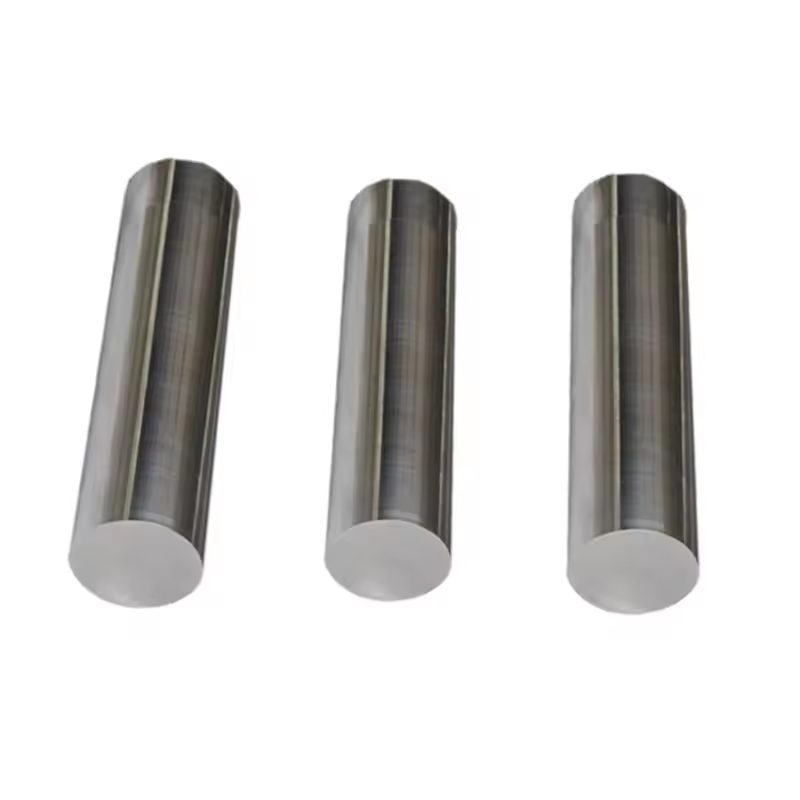
C276 pipe, made from nickel alloy, is a critical component in various industrial applications due to its exceptional resistance to corrosion and high-temperature strength. Buyers, including purchasing managers and engineers, prioritize factors such as material quality, supplier reliability, and application suitability when sourcing C276 pipes. This Hastelloy C-22 article delves into the specifications, quality evaluation methods, applications, advantages, and guidelines for contractors and distributors, equipping B2B buyers with essential knowledge to make informed decisions.
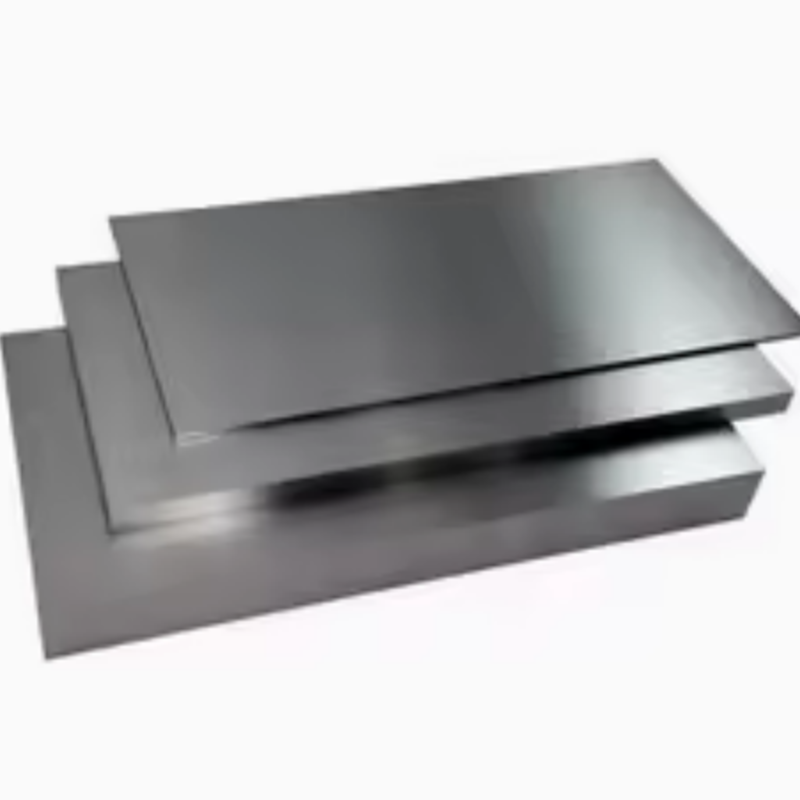
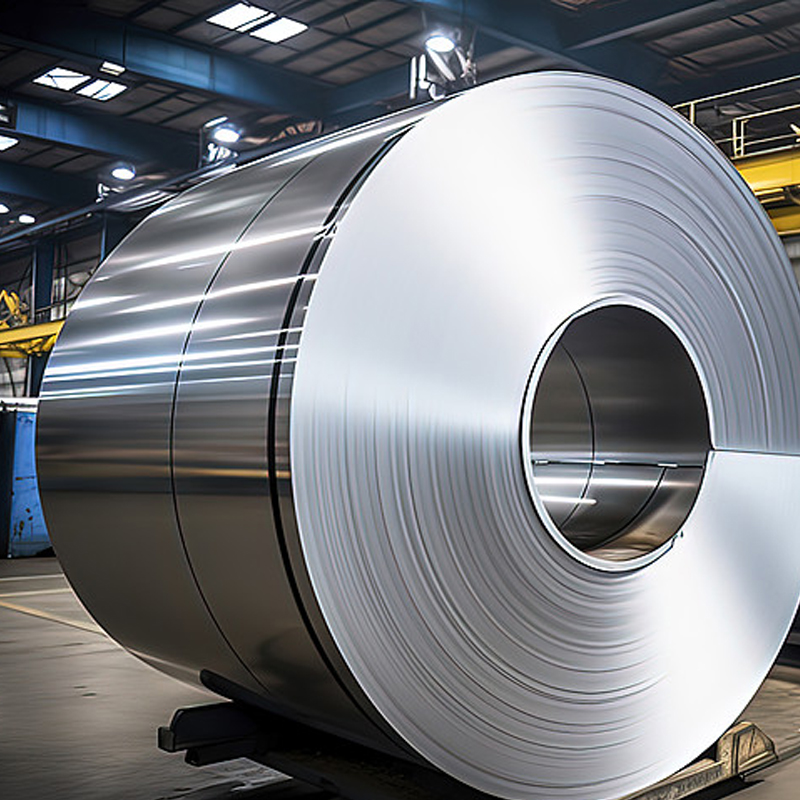
Our Products

When considering C276 pipes

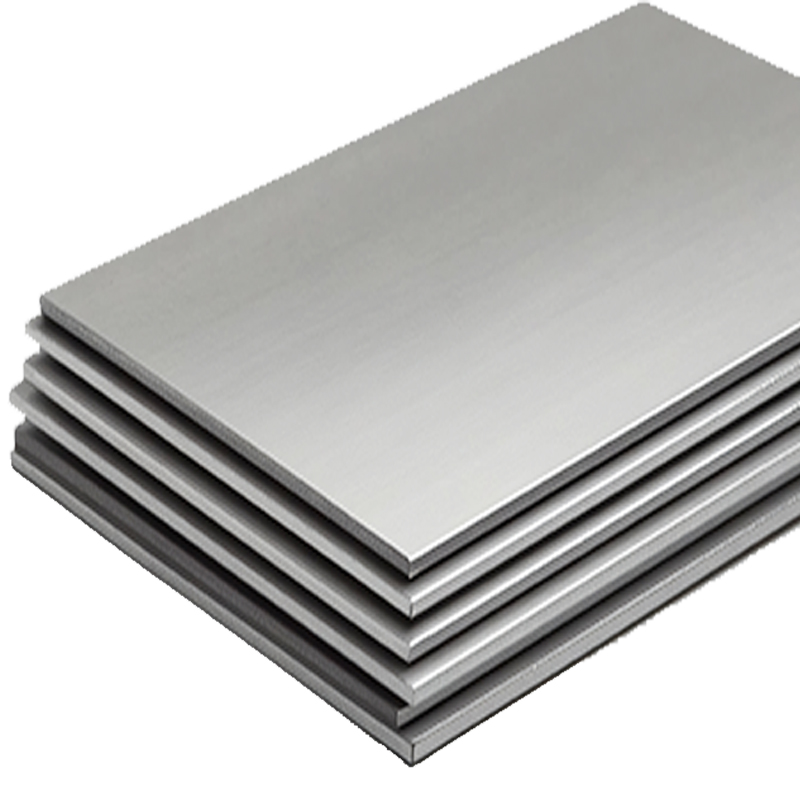
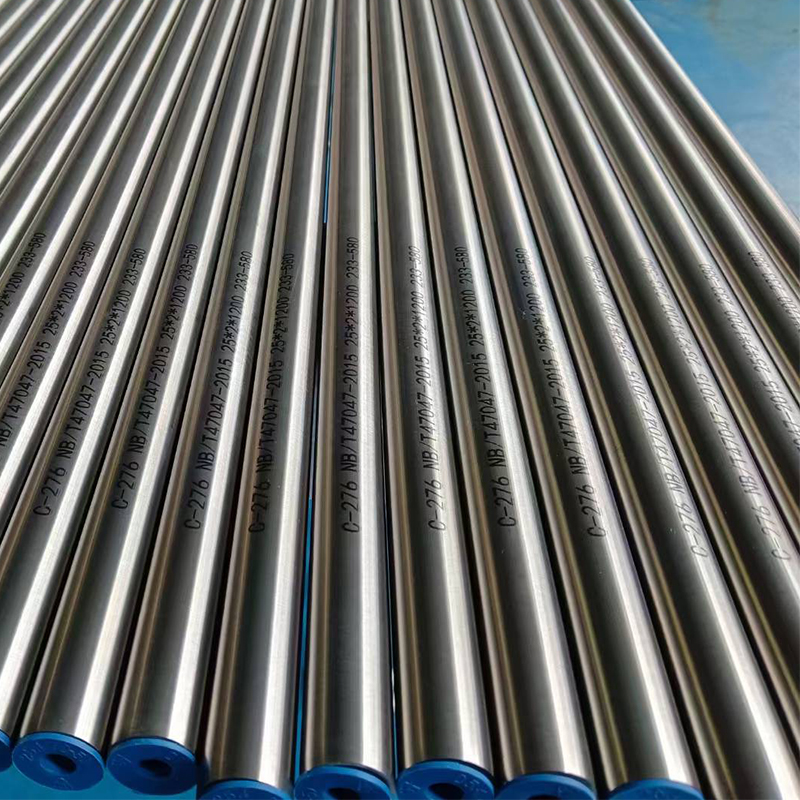
When considering C276 pipes, understanding the specifications is vital for ensuring the right fit for your application. C276 pipes are typically characterized by their composition, dimensions, and tolerances.  The hast alloy sheet primary alloying elements include nickel, molybdenum, and chromium, which contribute to their high resistance to pitting, crevice corrosion, and stress corrosion cracking. 

Chemical Composition: C276 pipes generally contain roughly 57% nickel, 15% molybdenum, and 16% chromium. This unique blend allows for superior performance in harsh environments, such as chemical processing and marine applications. 

Dimensions: C276 pipes are available in various diameters and wall thicknesses. Standard sizes are often specified based on nominal pipe sizes (NPS), and buyers should verify that the dimensions align with their project requirements. 

Tolerances: Adherence to industry standards, such as ASTM B575 or ASME SB575, is crucial. Buyers should confirm that the manufacturer can meet these tolerances to ensure proper fit and performance in their systems.  

Certifications: Look for pipes that come with relevant certifications such as ISO 9001 and AS9100. These certifications ensure that the manufacturing process meets international quality and safety standards. 

Get a Free Quote

Our representative will contact you soon.
Email
Mobile
Name
Company Name
Message
0/1000

Related product categories

Selecting a reliable supplier for C276 pipes

Selecting a reliable supplier for C276 pipes involves several key evaluation criteria. Buyers should conduct thorough research and due diligence to ensure they partner with a reputable manufacturer. 

Experience and Expertise: Assess the supplier’s experience in producing C276 pipes. A manufacturer with a solid track record in alloy manufacturing will likely understand the complexities involved in producing high-quality pipes. 

Quality Control Processes: Inquire about the supplier's quality control measures. Effective quality assurance processes should include material inspections, in-process checks, and final testing. 

Production Capabilities: Understand the supplier’s manufacturing capabilities. A supplier with advanced production equipment and the ability to produce custom sizes or specifications can provide more flexibility to meet your needs. 

Customer References: Request references or case studies from previous clients. This Hastelloy B2 information can provide insights into the supplier's reliability and service quality. 

Lead Times and MOQs: Discuss lead times and minimum order quantities (MOQs) upfront. A responsive supplier should be able to provide accurate timelines and accommodate your order sizes. 

C276 pipes are utilized

C276 pipes are utilized across a spectrum of industries, thanks to their resilience and adaptability.  Understanding these applications can help buyers identify suitable use cases and ensure compatibility with their projects. 

Chemical Processing: Due to its corrosion resistance, C276 is extensively used in chemical plants, particularly for handling aggressive chemicals and high-temperature processes. 

Aerospace: The Hastelloy G-30 aerospace industry relies on C276 pipes for components that require high strength-to-weight ratios and excellent resistance to extreme environments. 

Nuclear Power: C276’s ability to withstand radiation and high-temperature conditions makes it ideal for nuclear applications, where material integrity is crucial. 

Oil and Gas: In the petroleum industry, C276 pipes are used in various applications, including offshore platforms and refineries, where exposure to corrosive substances is common. 

Marine Applications: The marine industry benefits from C276's resistance to seawater corrosion, making it suitable for shipbuilding and offshore construction. 

The choice of C276 pipes offers

The choice of C276 pipes offers several advantages that can significantly impact performance and longevity in demanding applications: 

Corrosion Resistance: The high nickel and molybdenum content provides exceptional resistance to both localized and uniform corrosion, extending the lifespan of the pipes. 

High-Temperature Strength: C276 maintains its mechanical properties at elevated temperatures, making it suitable for applications that involve heat cycling. 

Versatility: C276 pipes can be made in various sizes and geometries, allowing for custom solutions that meet specific application requirements. 

Weldability: The material is known for its excellent weldability, which is essential for complex installations and repairs. 

Low Maintenance: The durability of C276 pipes often translates to lower maintenance costs over time, providing long-term savings for companies. 

For contractors and distributors working with C276 pipes

For contractors and distributors working with C276 pipes, understanding the procurement process and key considerations is essential for smooth operations. 

Request for Quotation (RFQ): When preparing an RFQ, provide clear specifications, including pipe dimensions, material grade, required certifications, and quantities. This information will help suppliers give accurate quotes. 

Sample Approval: Before placing a large order, request samples to evaluate dimensions, fit, and quality.  Testing samples under actual operating conditions can help identify potential issues early. 

Quality Inspection: Establish quality inspection criteria based on the intended application. Common checks include dimensional accuracy, surface finish, and material properties. 

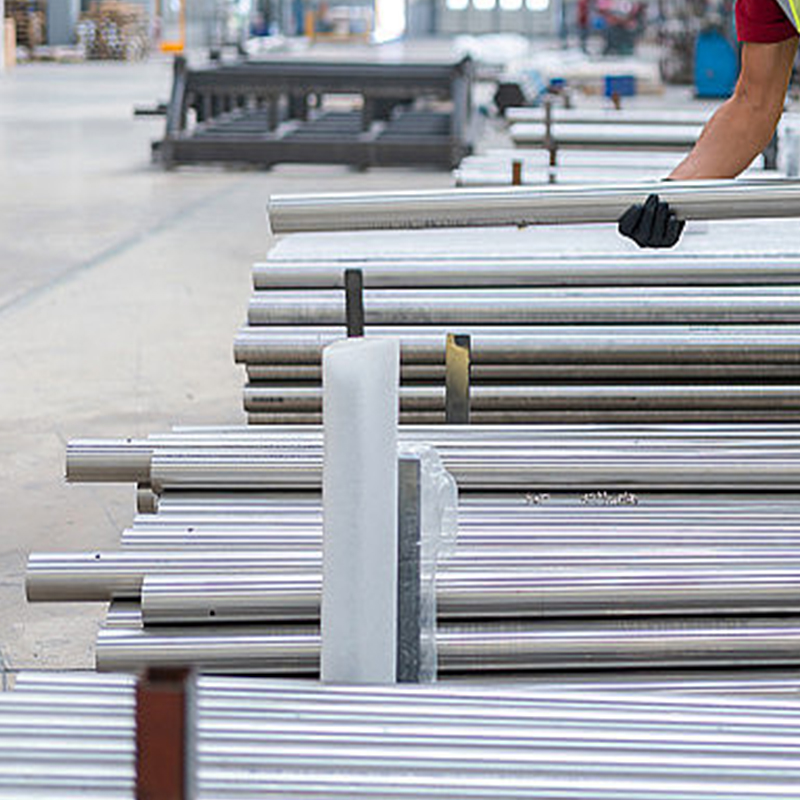
Logistics and Packaging: Discuss packaging requirements with suppliers to ensure the pipes are protected during transit. Proper packaging reduces the risk of damage and ensures the products arrive in optimal condition. 

Post-Purchase Support: Confirm the availability of technical support from the supplier. Having access to expert guidance can assist in resolving any issues that arise during installation or operation. 

By equipping themselves with this knowledge, B2B buyers can confidently navigate the procurement of C276 pipes, ensuring optimal performance and satisfaction in their industrial applications.