 EN

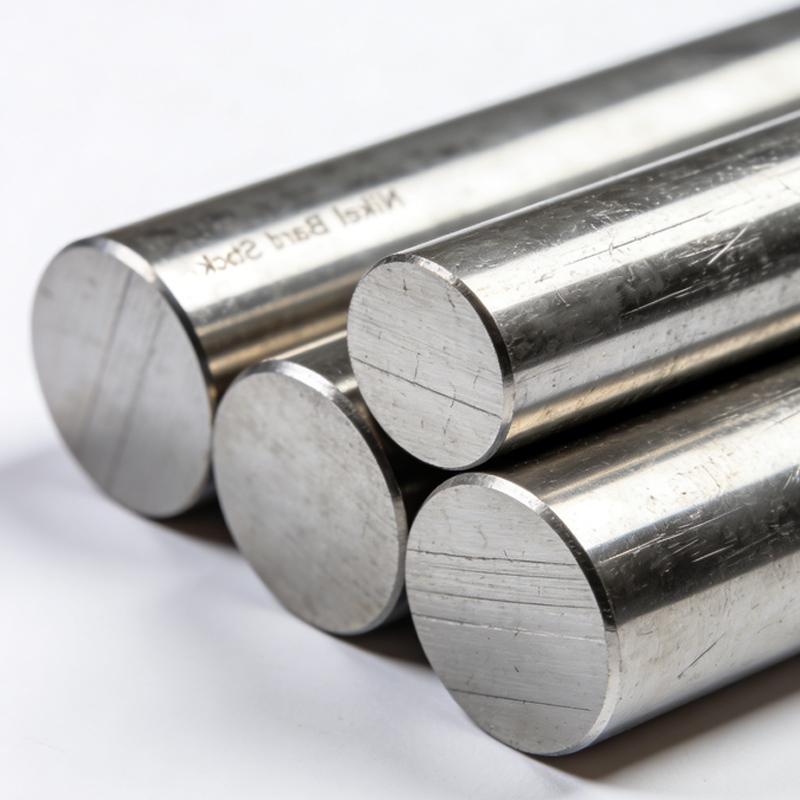
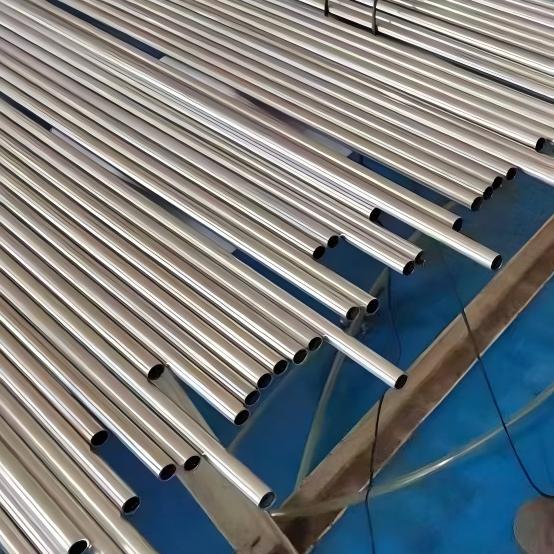
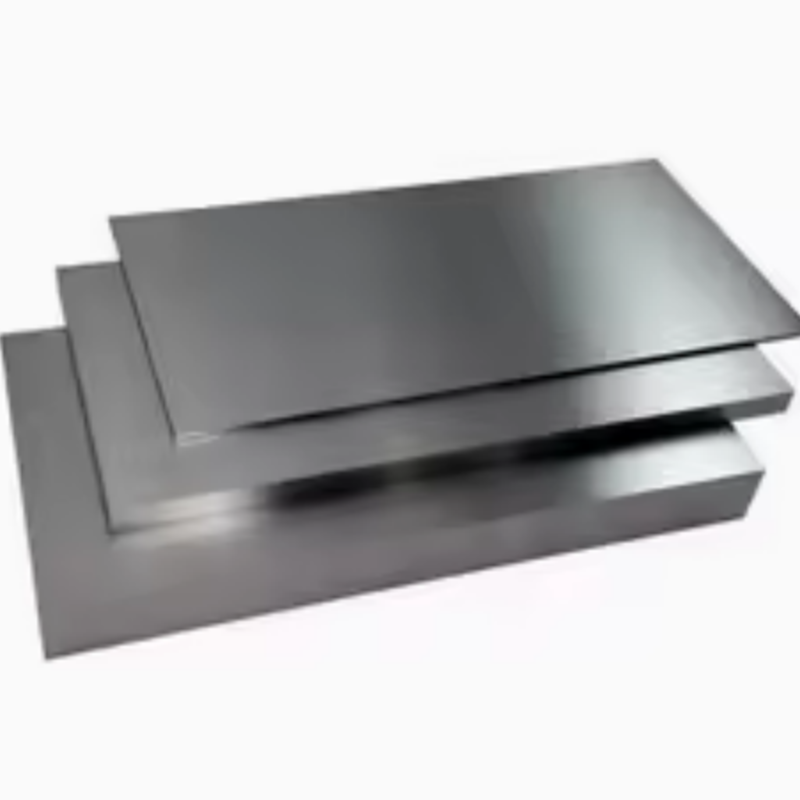
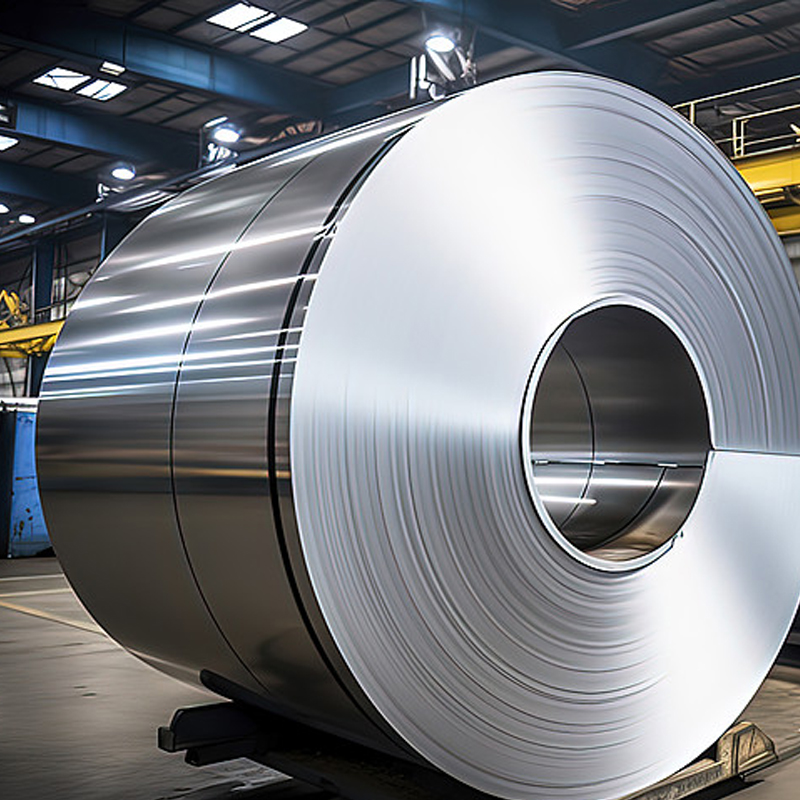
Hastelloy metal is a high-performance alloy primarily composed of nickel, molybdenum, and chromium, known for its excellent corrosion resistance and ability to withstand extreme temperatures and pressures. This makes Hastelloy an ideal choice for demanding applications in sectors such as aerospace, petroleum, nuclear power, and new energy. As a B2B buyer, your key concerns may include material specifications, compatibility with existing systems, quality assurance, and supplier reliability. This article aims to provide in-depth insights into hastelloy metal, addressing common buyer queries and helping you make informed decisions for your upcoming projects.
Common Problems with Hastelloy Metal and Effective Solutions
While Hastelloy metal is highly regarded for its performance, buyers may encounter some common issues. One notable problem is the potential for dimensional discrepancies during production, which can impact compatibility with existing components. To mitigate this risk, buyers should request samples of the material before mass production. This allows you to verify dimensions and ensure a proper fit within your application.
Another challenge involves corrosion resistance in specific environments. While Hastelloy C22 exhibits excellent resistance to many corrosive agents, certain conditions may still lead to degradation. For example, prolonged exposure to high concentrations of sulfuric acid can compromise the alloy's integrity. It's crucial for buyers to communicate the specific environmental conditions the material will face and work closely with the supplier to select the right Hastelloy grade that meets these requirements.
Lastly, be aware of the packaging and shipping methods. Hastelloy metal can be sensitive to moisture and contamination during transport. Ensuring that the supplier uses adequate protective packaging can help maintain the alloy's quality until it reaches your facility.