Hastelloy B3: Key Considerations for Buyers

All Categories
Get a Quote

Get a Free Quote

Our representative will contact you soon.
Email
Mobile
Name
Company Name
Message
0/1000

Hastelloy B3

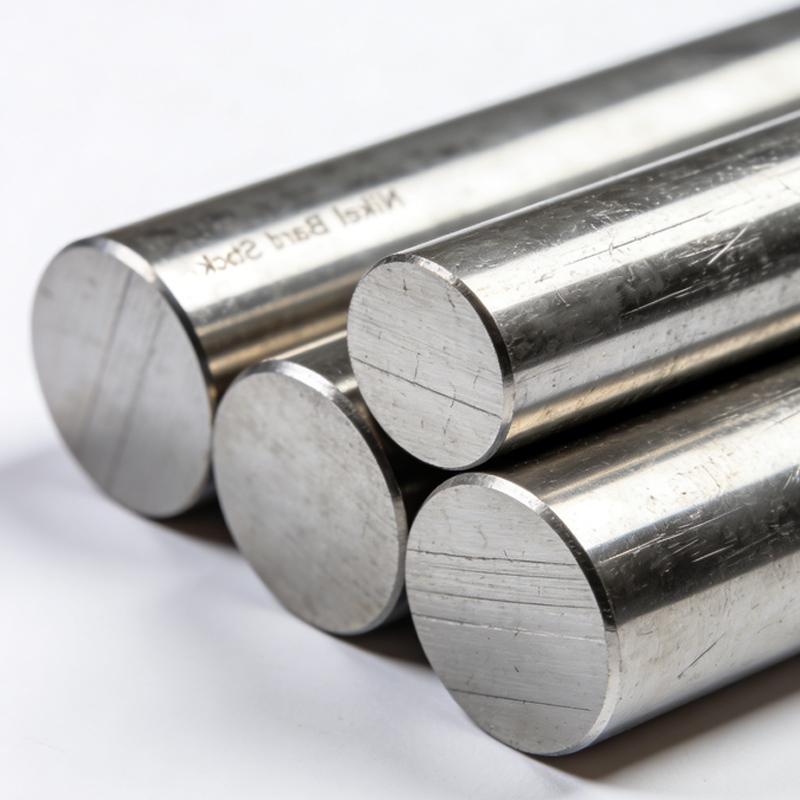
Hastelloy B3 is a high-performance nickel alloy known for its resistance to corrosion and high-temperature stability, making it a preferred choice in demanding industrial applications. For B2B buyers such as purchasing managers, engineers, and product managers—understanding the specific properties and applications of hastelloy B3 is crucial for ensuring optimal performance and longevity in their projects. This article will provide insights into key considerations for wholesale buyers, specifications for bulk orders, quality evaluation, essential buyer knowledge, and installation guidance, ultimately assisting in informed purchasing decisions.  
Our Products

Key Considerations for Wholesale Buyers

When considering wholesale purchases of Hastelloy B3, buyers must focus on several critical factors. First and foremost, understanding the specific requirements of the application is essential. Hastelloy B3 is particularly suited for environments involving corrosive materials, high temperatures, and pressure conditions typical in industries like aerospace, petroleum, and nuclear power.   

Buyers should also evaluate the supplier’s capabilities. Factors such as minimum order quantities (MOQ), lead times, and customization options can significantly impact project timelines and budgets. Additionally, verifying the manufacturer’s certifications, such as ISO9001 and AS9100, can ensure that the products meet industry standards for quality and safety.  

Another important consideration is the potential for price fluctuations based on material availability and market demand. Establishing a long-term relationship with a reliable supplier may help mitigate these risks and provide more stable pricing over time. 

Get a Free Quote

Our representative will contact you soon.
Email
Mobile
Name
Company Name
Message
0/1000

Related product categories

Understanding the Specifications of Hastelloy B3 for Bulk Orders

Understanding the Specifications of Hastelloy B3 for Bulk Orders

Hastelloy B3 is characterized by its unique composition, primarily consisting of nickel, molybdenum, and a small percentage of chromium. This combination provides excellent resistance to pitting and stress corrosion cracking, making it ideal for use in harsh chemical environments.  

When placing bulk orders, buyers should pay attention to specific details such as dimensions, thickness, and surface finish. These specifications can significantly influence the alloy's performance in its intended application. Additionally, buyers should confirm the alloy's mechanical properties, including tensile strength and yield strength, which are crucial for ensuring that the material can withstand operational demands.  

To streamline the ordering process, it’s advisable to provide comprehensive technical drawings and specifications during the RFQ (Request for Quotation) phase. This includes detailing the application conditions and any required certifications, which can help suppliers deliver accurate quotes and timely service. 

Evaluating the Quality of Hastelloy B3 for Your Projects

Quality evaluation is a critical step in ensuring that Hastelloy B3 meets the required performance standards for specific applications. Buyers should consider implementing a systematic inspection process that includes the following key components: 

Material Certification: Request mill certificates that verify the alloy's composition and properties. This documentation ensures that the material meets specified standards and is traceable to its source. 

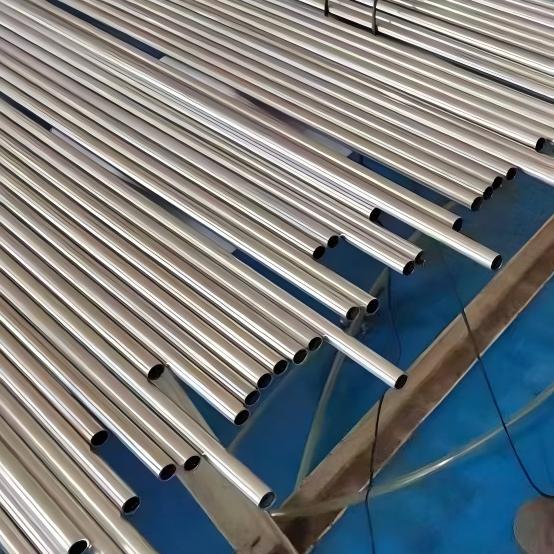
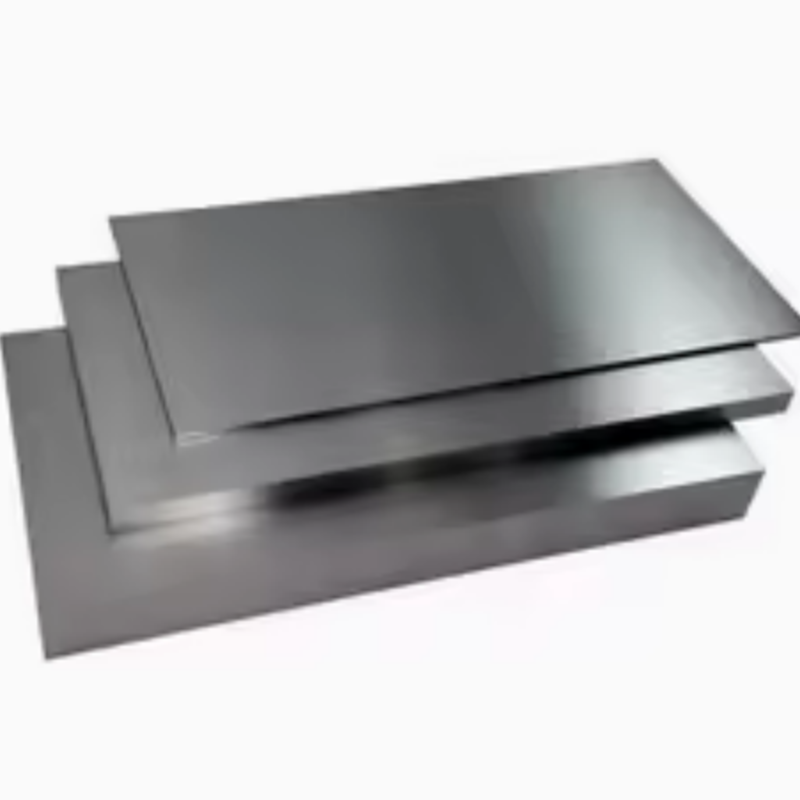
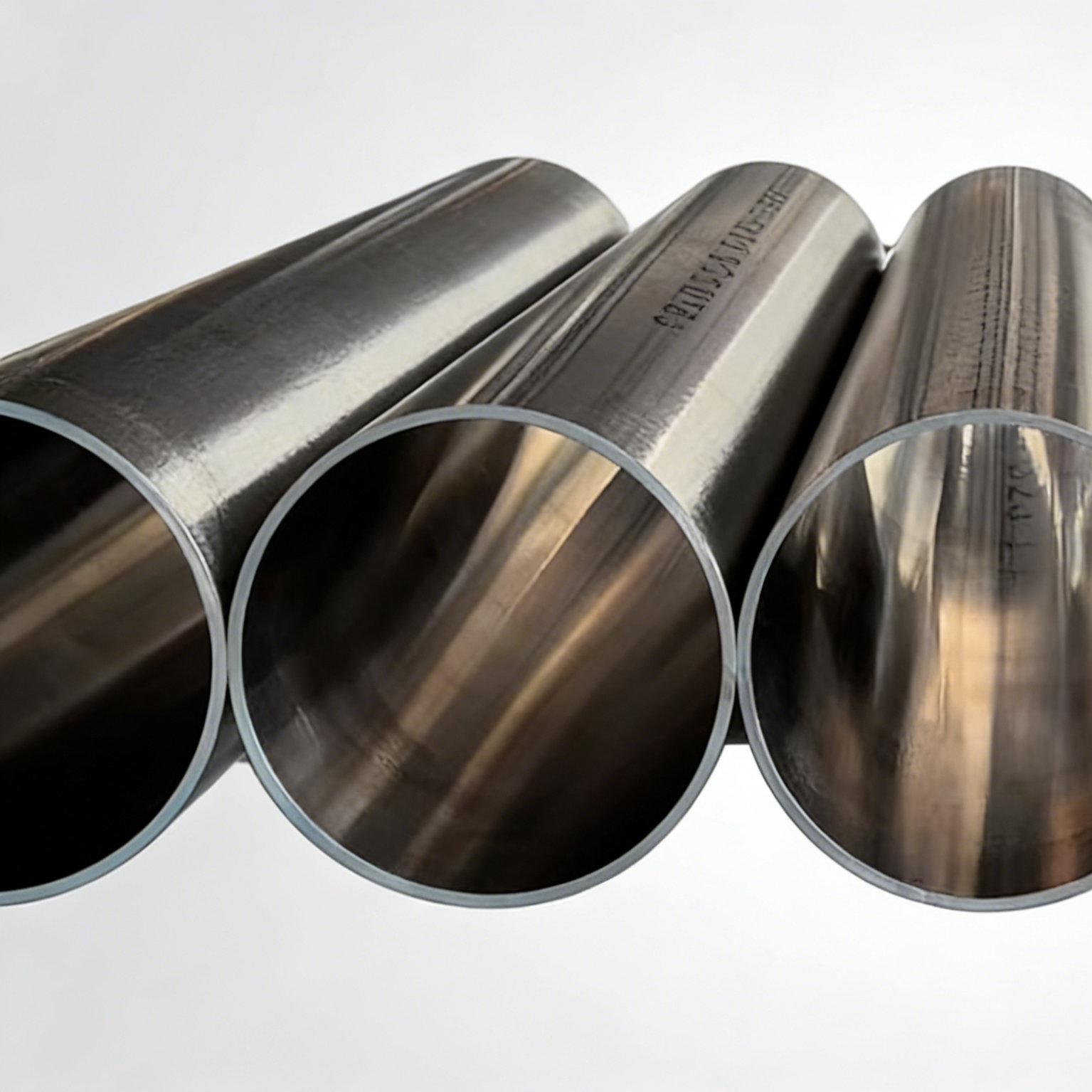
Dimensional Inspection: Verify that the dimensions of the hastelloy metal B3 products conform to the provided specifications. This includes checking pipe diameters, plate thicknesses, and fastener dimensions to ensure they fit seamlessly into your assembly. 

Surface Integrity: Assess the surface finish for any defects that could affect performance, such as pitting, roughness, or inconsistencies that may lead to premature failure in corrosive environments. 

Testing: Consider whether third-party testing is necessary, particularly for critical applications. Non-destructive testing methods like X-ray or ultrasonic testing can reveal internal flaws that may not be visible externally. 

By establishing a robust quality control process, buyers can minimize the risk of issues arising during production or operational use, ultimately ensuring the reliability of their projects. 

What Buyers Need to Know

For buyers considering Hastelloy B3, understanding its application suitability is crucial. While this alloy excels in resisting acidic and alkaline environments, it is essential to confirm that it is appropriate for the specific chemicals and conditions encountered in the intended application. 

Additionally, buyers should be aware of the potential for variations in performance based on the form of the material whether in pipes, plates, or fasteners. Each form may have different mechanical properties and tolerances, which can influence the overall performance in a given application. 

Another key factor is the importance of a reliable supply chain. Engaging with suppliers who have a proven track record in producing high-quality Hastelloy B3 can help ensure that projects remain on schedule and meet the necessary specifications. 

Installation Guidance for Hastelloy B3 in Industrial Projects

Proper installation of Hastelloy B3 components is vital for maximizing their performance and lifespan. Here are some practical guidelines that buyers should keep in mind during the installation phase: 

Preparation: Ensure that all surfaces are clean and free of contaminants before installation. This includes removing any oils, dirt, or oxidation that could interfere with the integrity of the joints. 

Joining Techniques: Depending on the component type, different joining techniques may be necessary. For instance, welding procedures should be selected based on the thickness and application of the material. It’s recommended to use compatible filler materials and follow established welding protocols to prevent cracking or corrosion. 

Alignment and Tension: When installing fasteners, ensure proper alignment and torque specifications to avoid undue stress on the material. Over-torquing can lead to deformation or failure, while under-torquing may result in leaks or joint failure. 

Post-Installation Inspection: Conduct a thorough inspection after installation to check for any signs of leaks, misalignment, or surface imperfections. This step is crucial to catch any potential issues before the system is put into operation. 

By following these installation guidelines, buyers can help ensure that Hastelloy C22 B3 components perform optimally in their intended applications, contributing to the overall success of their projects.