Where to Source High-Quality Hastelloy Sheets

All Categories
Get a Quote

Get a Free Quote

Our representative will contact you soon.
Email
Mobile
Name
Company Name
Message
0/1000

Hastelloy sheet

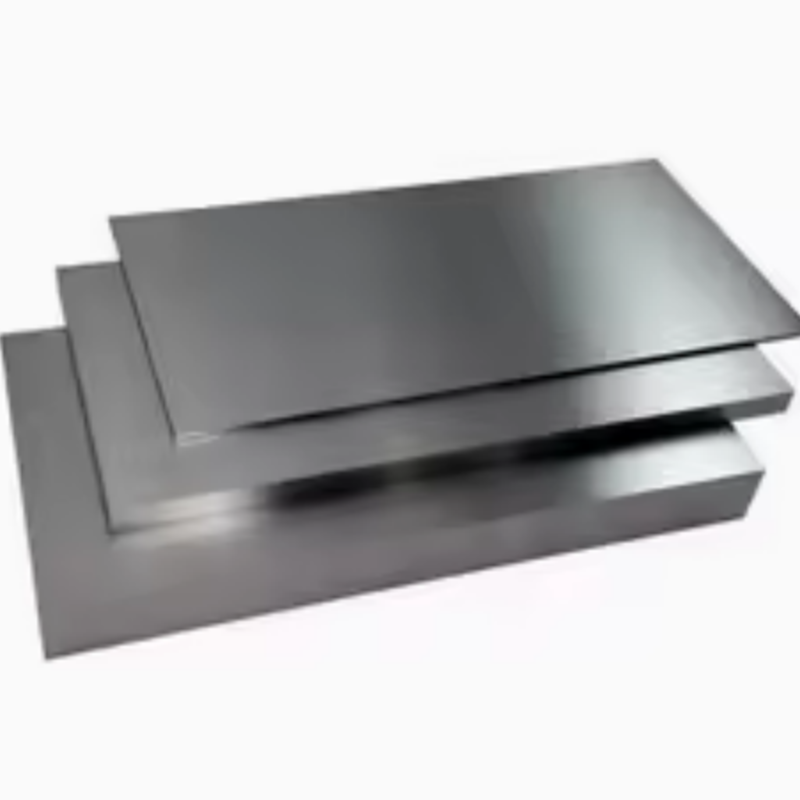
Hastelloy sheets are specialized nickel-based alloys known for their exceptional resistance to corrosion and high-temperature environments. For B2B buyers, particularly those in sectors like aerospace, petroleum, and nuclear power, sourcing high-quality Hastelloy sheets is crucial for ensuring their applications perform reliably under demanding conditions. This article will guide you through key considerations in sourcing Hastelloy sheets, including specifications, quality and cost factors, installation guidance, and common issues to watch for, helping you make informed purchasing decisions. 
Our Products

Where to Source High-Quality Hastelloy Sheets for Bulk Orders

Finding a reliable supplier for Hastelloy sheets involves assessing various factors. Start by looking for manufacturers with a complete production chain, such as Jiangsu Boyue Alloy Materials Co., Ltd., which specializes in alloy material research, development, and sales. Such companies typically offer a one-stop service that includes smelting, forging, and custom manufacturing, ensuring a consistent quality throughout the production process. 

Additionally, verify the supplier’s certifications, such as ISO 9001, AS9100, and API, which indicate their adherence to rigorous quality standards. Establishing a partnership with suppliers who export to global markets can also provide insights into their capability in meeting international requirements. Always request product samples before placing bulk orders to ensure the material meets your specifications and application needs. 

Get a Free Quote

Our representative will contact you soon.
Email
Mobile
Name
Company Name
Message
0/1000

Related product categories

Specifications to Consider When Purchasing Hastelloy Sheets

When purchasing Hastelloy sheets, several critical specifications should be evaluated: 

Material Composition: Different grades of Hastelloy (such as C-276, C-22, or B-2) have varying compositions that impact their corrosion resistance and mechanical properties. Choose a grade based on the environmental conditions your application will face, such as exposure to acidic or alkaline substances. 

Thickness and Dimensions: The thickness of the sheets will affect their strength and durability. Ensure that the dimensions align with your project requirements. It's advisable to confirm tolerances and surface finishes as they can impact the performance of the final product. 

Temperature and Pressure Ratings: Understanding the operational limits of the Hastelloy sheets under high-temperature and pressure conditions is crucial, particularly for applications in nuclear power and pressure vessels. Make sure the chosen material is suitable for your specific operating environment. 

Customizations: If you have unique project requirements, discuss customization options with your supplier, such as specific dimensions or surface treatments, which may enhance performance in your application. 

Quality and Cost Factors

Quality and cost are often interrelated when sourcing Hastelloy sheets. While it may be tempting to go for the lowest price, consider the following: 

Material Quality: High-quality Hastelloy metal sheets may come at a premium, but their superior performance can result in lower maintenance costs and higher reliability in demanding applications. Always assess the supplier's quality control processes to ensure consistency in their products. 

Production Method: The manufacturing process can affect both the quality and cost of the sheets. Suppliers that utilize advanced smelting and forging techniques typically offer more reliable products. Be cautious of suppliers who do not disclose their production methods, as this can be a red flag. 

Volume Discounts: When placing bulk orders, inquire about volume discounts. A reputable supplier may offer pricing incentives based on the quantity ordered, which can significantly reduce overall costs. 

Installation Guidance for Hastelloy Sheets in Various Projects

Proper installation of Hastelloy sheets is essential to maximize their performance and lifespan. Here are some key considerations: 

Surface Preparation: Ensure that the surface of the installation area is clean and free from contaminants. Proper surface preparation can prevent premature corrosion and enhance the bond strength in applications requiring welding or fastening. 

Welding Techniques: If welding is required, select the appropriate welding method that matches the Hastelloy grade. Some grades may require specific filler materials to maintain corrosion resistance. Consult the manufacturer for recommended welding procedures to avoid compromising the material’s integrity. 

Thermal Expansion Considerations: Hastelloy sheets can experience thermal expansion in high-temperature environments. Design your installation to accommodate these changes, which may include flexible joints or expansion gaps. 

Common Problems with Hastelloy Sheets and Their Solutions

While Hastelloy sheets are highly durable, buyers should be aware of potential issues that may arise: 

Corrosion Resistance Limitations: Although Hastelloy is known for its corrosion resistance, certain environments may still pose a risk. Regularly assess the operating conditions and consider additional protective measures, such as coatings or liners, if necessary. 

Thermal Fatigue: In applications with fluctuating temperatures, thermal fatigue can occur. Ensure that the installation is designed to handle temperature cycles, which may include using appropriate fasteners or supports to minimize stress on the sheets. 

Fabrication Challenges: Due to their hardness, Hastelloy C276 sheets can be more challenging to machine or fabricate compared to other materials. Be prepared for potential delays during production and discuss machining capabilities with your supplier beforehand. 

By understanding these aspects, you can mitigate risks associated with Hastelloy sheets and ensure that your projects proceed smoothly. Overall, thorough planning and communication with your supplier will lead to better outcomes for your applications.