Key Specifications and Applications of Hastelloy G-30

All Categories
Get a Quote

Get a Free Quote

Our representative will contact you soon.
Email
Mobile
Name
Company Name
Message
0/1000

Hastelloy G-30

Boyue Hastelloy  G-30 is a nickel-chromium-molybdenum alloy known for its exceptional corrosion resistance, particularly in aggressive environments. This article aims to address the key considerations for buyers interested in sourcing Hastelloy G-30, including specifications, supplier evaluation, quality assessment, common installation challenges, and its diverse applications across industries like aerospace and energy. Understanding these factors will equip purchasing managers, engineers, and product managers with the necessary insights to make informed decisions
Our Products

Key Specifications for Buyers

When evaluating Boyue Hastelloy G‑30, buyers should pay attention to several key specifications that impact its performance in various applications

Chemical Composition: Hastelloy G-30 typically contains nickel, chromium, molybdenum, and iron. The specific percentages of these elements influence the alloy’s resistance to pitting and stress corrosion cracking. For instance, a higher chromium content generally enhances corrosion resistance

Mechanical Properties: Important mechanical properties include yield strength, tensile strength, and elongation. Buyers should verify these properties against their specific application requirements, as inadequate strength can lead to failure under operational stress

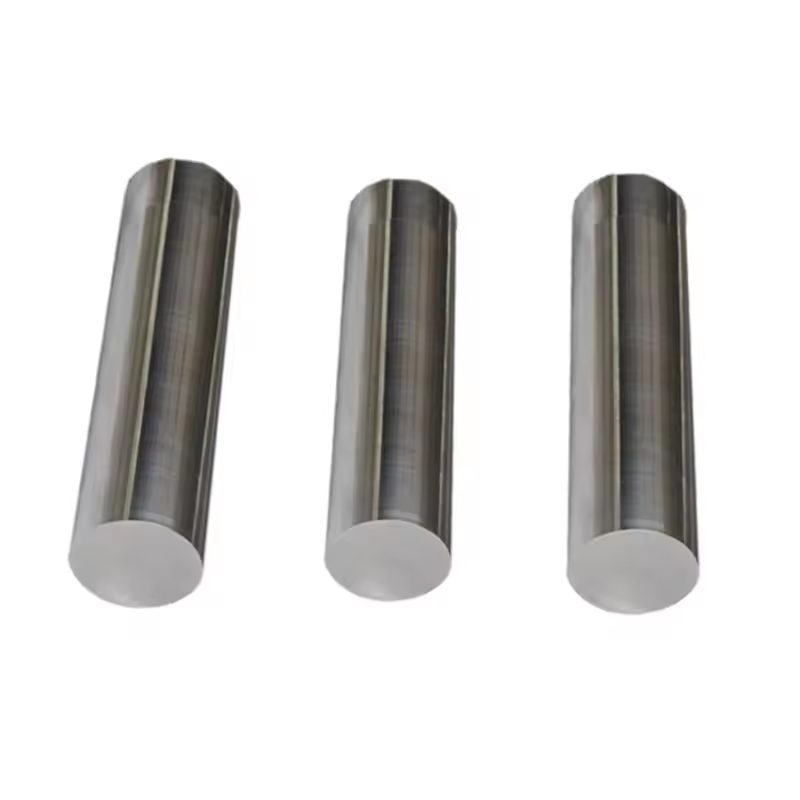
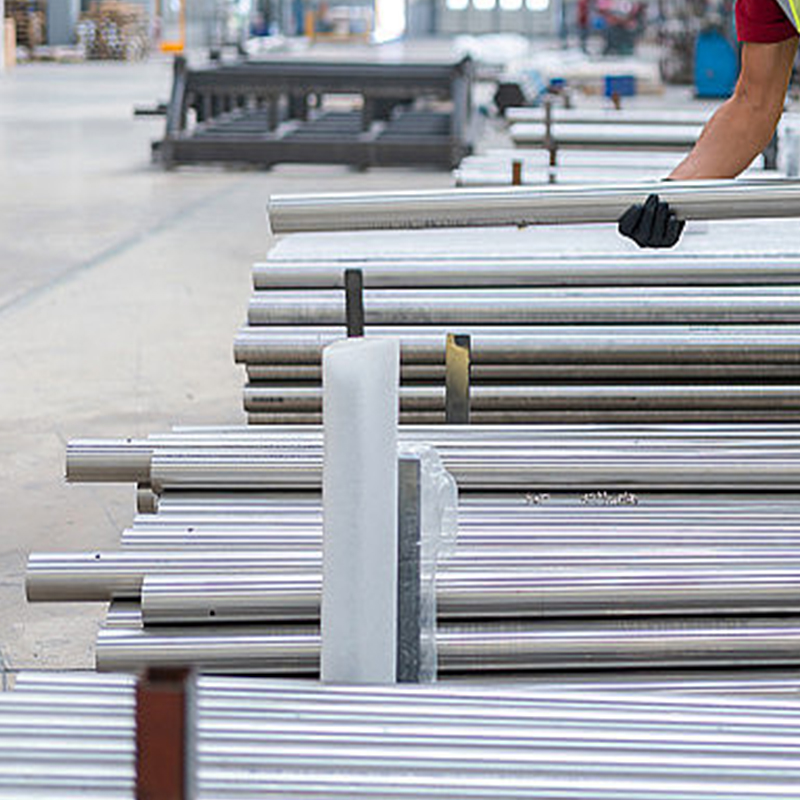
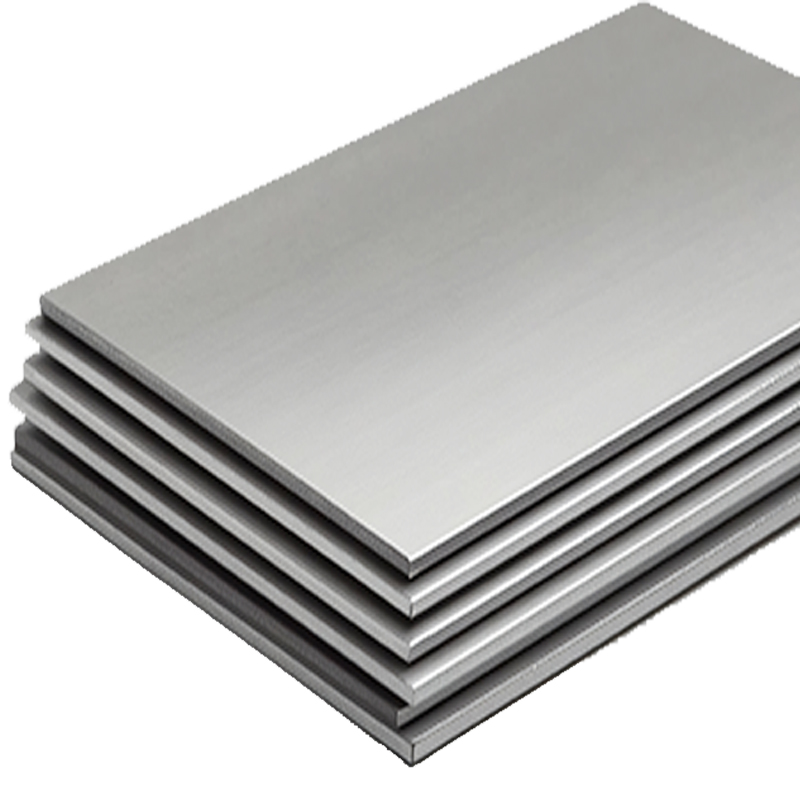
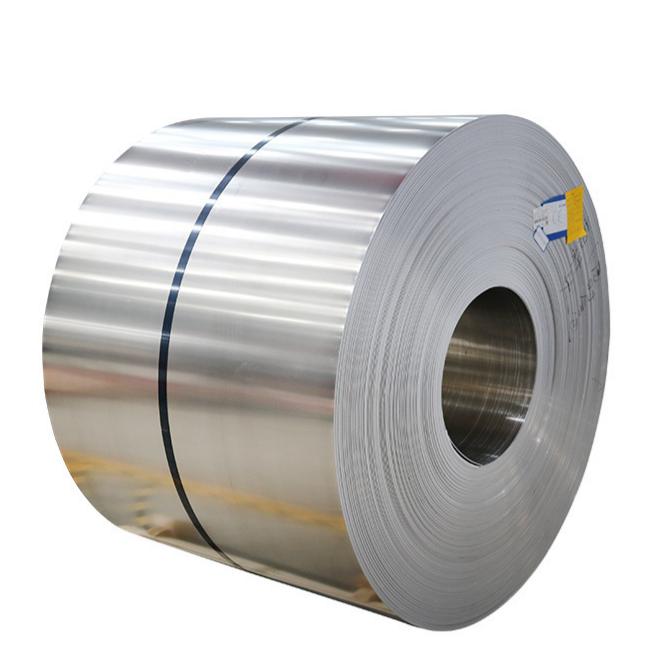
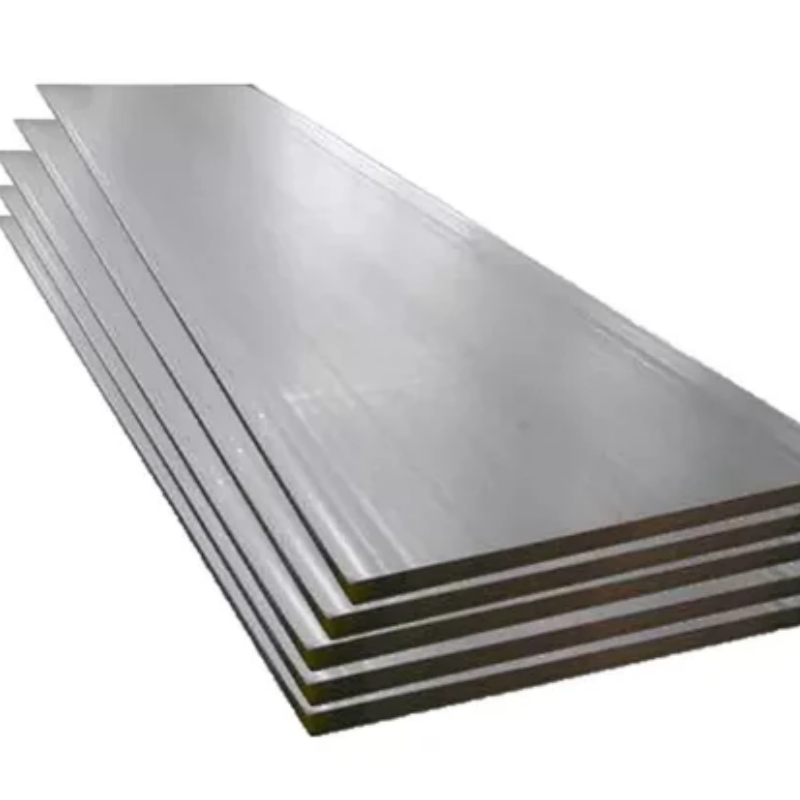
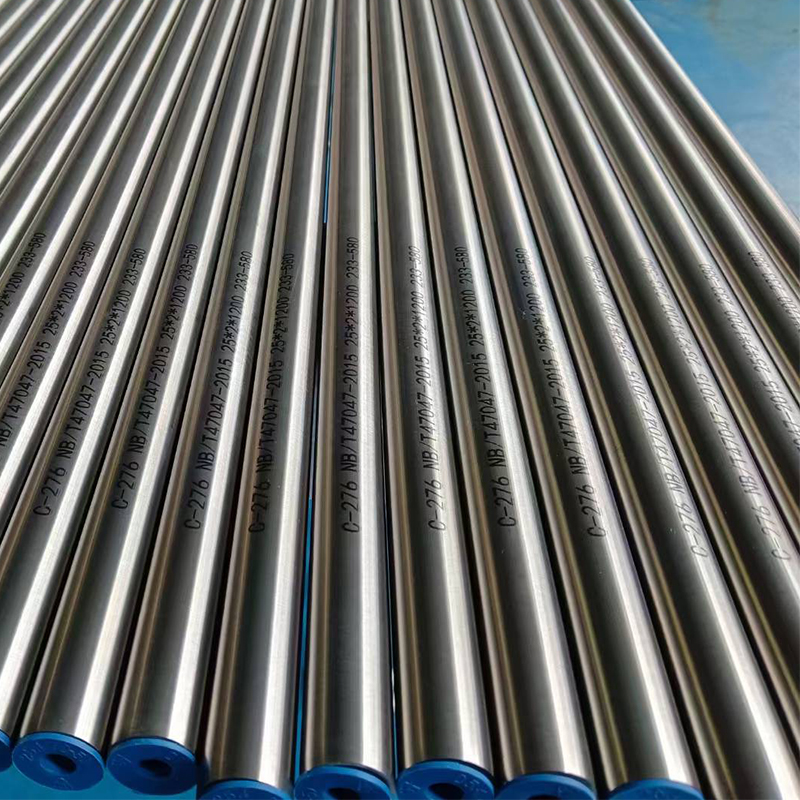
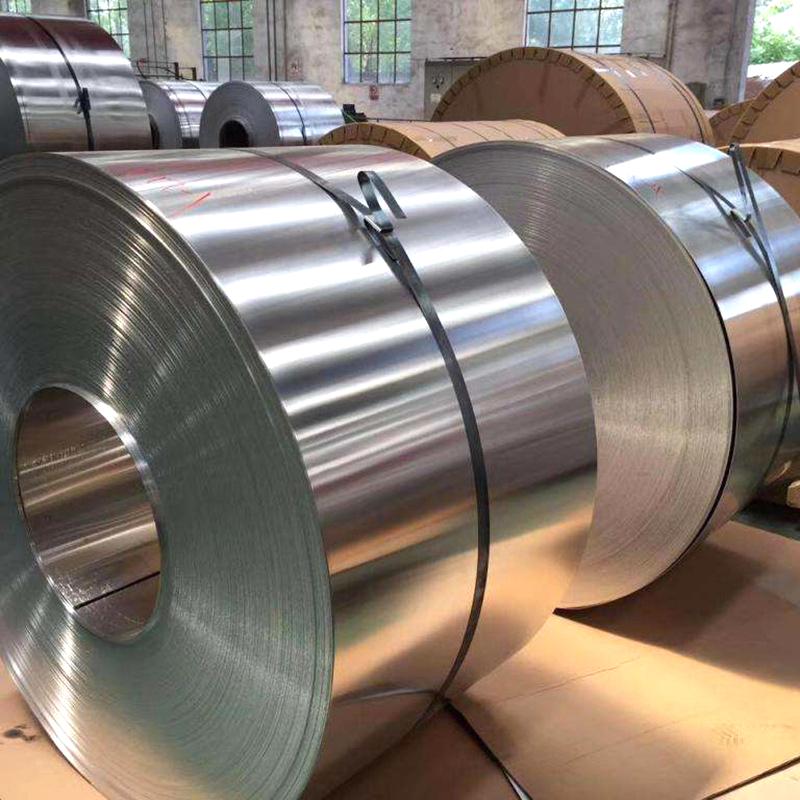
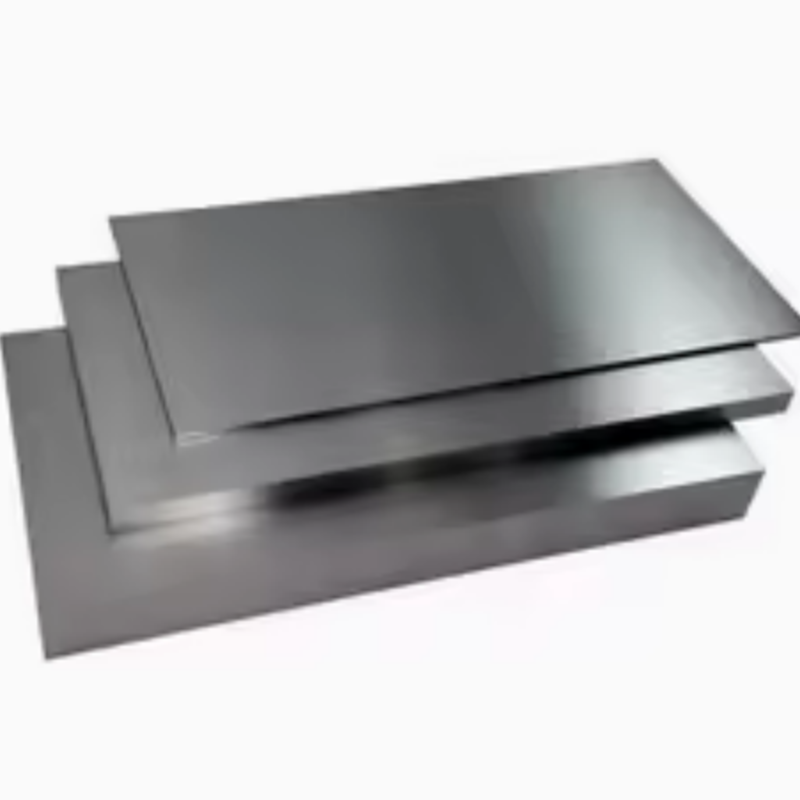
Dimensions and Tolerances: Custom dimensions may be required based on specific project needs. Ensure that the supplier can accommodate these dimensions within industry tolerances to avoid complications during installation

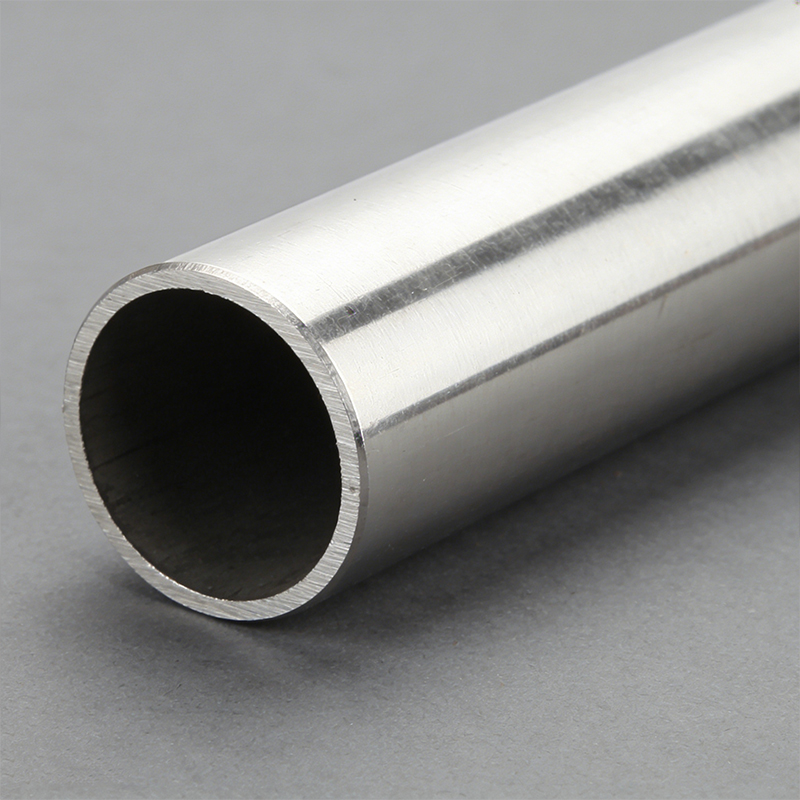
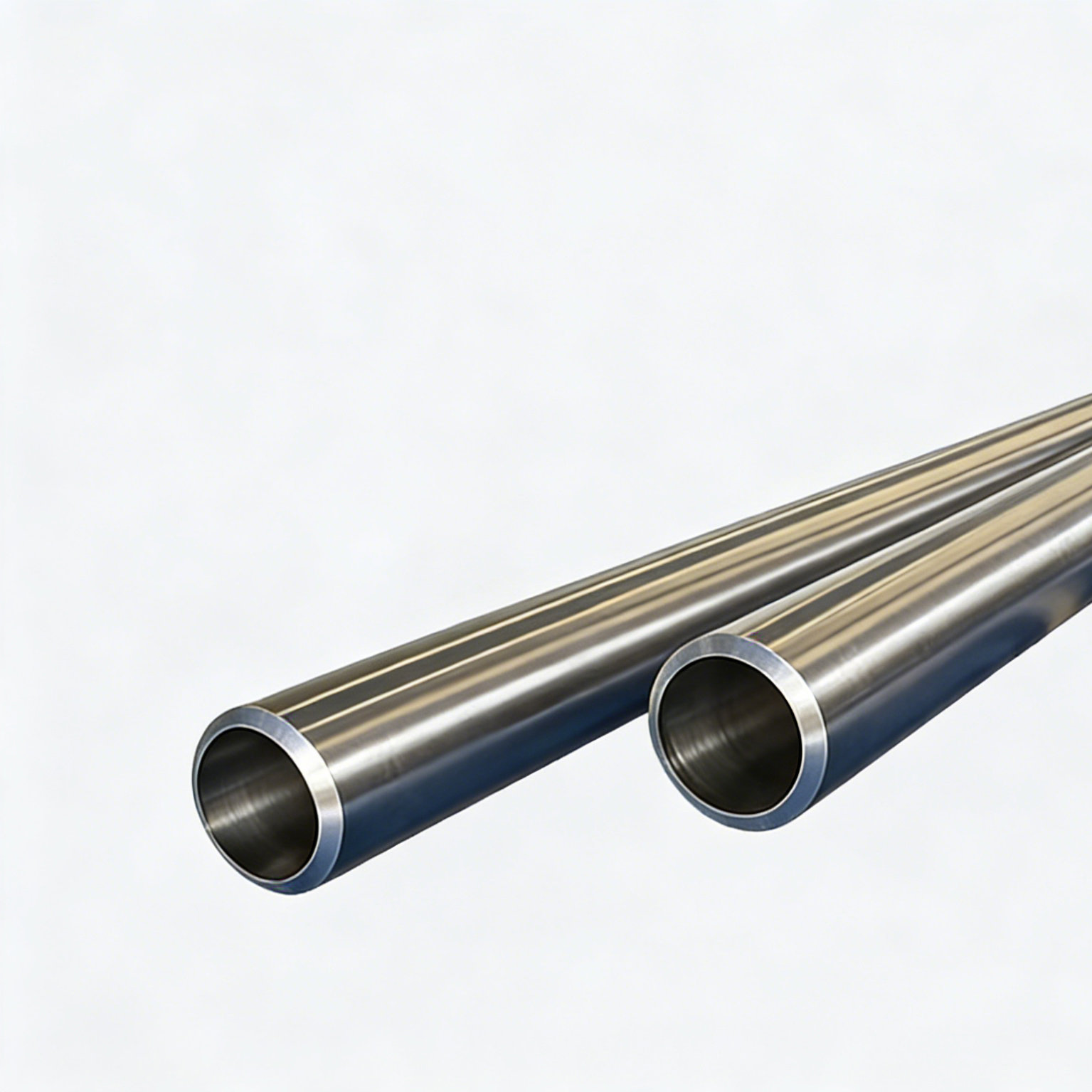
Surface Finish: The surface finish of Hastelloy G-30 can affect its corrosion resistance. A smoother finish may be required in applications exposed to harsh environments. Buyers should discuss surface treatment options with their supplier

Certifications: Ensure that the alloy complies with relevant industry standards, such as ASTM specifications, to guarantee quality and performance

Confirming these specifications before placing an order can prevent costly mistakes and ensure that the alloy meets the intended application requirements

Get a Free Quote

Our representative will contact you soon.
Email
Mobile
Name
Company Name
Message
0/1000

Related product categories

How to Choose the Right Hastelloy G-30 Supplier for Your Projects

How to Choose the Right Hastelloy G-30 Supplier for Your Projects

Selecting the right supplier for Boyue Hastelloy G‑50 is crucial for ensuring product quality and reliability. Here are several factors to consider:

Experience and Reputation: Look for suppliers with a proven track record in manufacturing nickel alloys. A reputable supplier will have experience in handling complex specifications and a history of successful projects in your industry

Manufacturing Capabilities: Ensure that the supplier has the necessary manufacturing capabilities, including smelting, forging, and machining. This is particularly important for custom orders where specific dimensions or surface finishes are required

Quality Assurance Processes: Evaluate the supplier’s quality control measures. Certifications such as ISO9001 and AS9100 indicate a commitment to quality management systems. Additionally, inquire about their testing methods for mechanical and chemical properties

Customization Options: Depending on your project requirements, you may need specific modifications to the alloy. A supplier that offers customization can better meet your needs

Lead Times and Minimum Order Quantities (MOQ): Discuss lead times and MOQs upfront to ensure they align with your project timelines. A reliable supplier should provide clear information regarding delivery schedules

Performing due diligence on potential suppliers will help you mitigate risks and ensure a successful partnership

Evaluating the Quality of Hastelloy G-30 for Industrial Applications

Quality assessment of Hastelloy G-30 is essential to ensure it meets the demands of industrial applications. Here are key factors to consider during evaluation:

Material Certification: Always request material test reports that verify compliance with specifications. This documentation should include results for chemical composition, mechanical properties, and any relevant testing performed

Visual Inspection: Perform a visual inspection for surface defects, such as cracks, pits, or inconsistencies. These defects can indicate poor quality control during manufacturing

Sample Testing: Before committing to a large order, consider obtaining samples for testing under actual operating conditions. This helps verify that the alloy performs as expected in its intended application

Supplier Audits: Conduct audits of potential suppliers to assess their manufacturing processes, equipment, and quality assurance practices. This firsthand evaluation can provide valuable insights into their capabilities

Feedback from Other Customers: Seek testimonials or case studies from other companies that have used the supplier’s Hastelloy G-30 products. Their experiences can provide additional assurance regarding quality and service

Taking these steps to evaluate quality will help ensure that the Hastelloy G-30 you procure will perform reliably in demanding environments

Common Installation Problems with Hastelloy G-30 and Their Solutions

Boyue Hastelloy G-30 is lauded for its durability, but installation challenges can arise if not properly addressed. Here are common problems and their solutions:

Misalignment during Installation: When components are not aligned correctly, it can lead to stress concentrations and premature failure. To mitigate this, ensure precise measurements and utilize proper alignment tools during installation

Incompatibility with Other Materials: Hastelloy G-30 may react with certain materials, leading to corrosion. Ensure compatibility with any gaskets, seals, or other alloys used in conjunction. Consulting with the supplier can provide guidance on material compatibility

Thermal Expansion Issues: Hastelloy G-30 has a relatively low coefficient of thermal expansion. This can lead to issues in high-temperature applications if joints are not designed to accommodate movement. Use expansion joints or flexible connectors to address this concern

Surface Contamination: Contaminants on the surface can impact performance and corrosion resistance. Clean surfaces thoroughly before installation and avoid contact with oils or other contaminants

Improper Fastening Techniques: Applying incorrect torque during fastening can lead to joint failure. Always follow recommended torque specifications provided by the manufacturer to ensure secure connections

By anticipating these issues, project managers and engineers can implement best practices that facilitate smooth installation and long-term performance

Hastelloy G-30 Applications Across Aerospace and Energy Industries

Hastelloy G-30 is widely utilized in various applications across the aerospace and energy sectors due to its remarkable resistance to corrosion and high-temperature stability

Aerospace Applications: In the aerospace industry, Hastelloy G-30 is often used in components subject to extreme environments, such as turbine engines and exhaust systems. Its ability to withstand high temperatures and corrosive gases makes it ideal for these demanding applications

Petroleum and Chemical Processing: The alloy’s resistance to pitting and stress corrosion cracking makes it suitable for use in chemical processing equipment, such as reactors and heat exchangers, where exposure to aggressive chemicals is common

Nuclear Power: Hastelloy G-30’s performance in high-radiation environments and its resistance to corrosion make it a preferred choice for components in nuclear reactors, where reliability is paramount

Pressure Vessels: The alloy’s strength and toughness make it a suitable material for pressure vessels used in various industrial applications, providing safety and durability under high-pressure conditions

New Energy Technologies: As energy needs evolve, Hastelloy G-30 is also finding applications in renewable energy technologies, such as hydrogen production and fuel cells, where its corrosion resistance is essential for long-term performance

Understanding these applications can help buyers identify the right Hastelloy G-30 solutions for their specific industrial needs, ensuring optimal performance and reliability