 EN

Hastelloy B2 is a high-performance nickel alloy known for its excellent resistance to corrosion, particularly in reducing environments. For B2B buyers, understanding this material's specifications and sourcing considerations is crucial. This article will cover key aspects of hastelloy B2, including quality evaluation, cost factors, supplier reliability, and comparisons with other nickel alloys, providing insights that can help purchasing managers, engineers, and product managers make informed decisions.
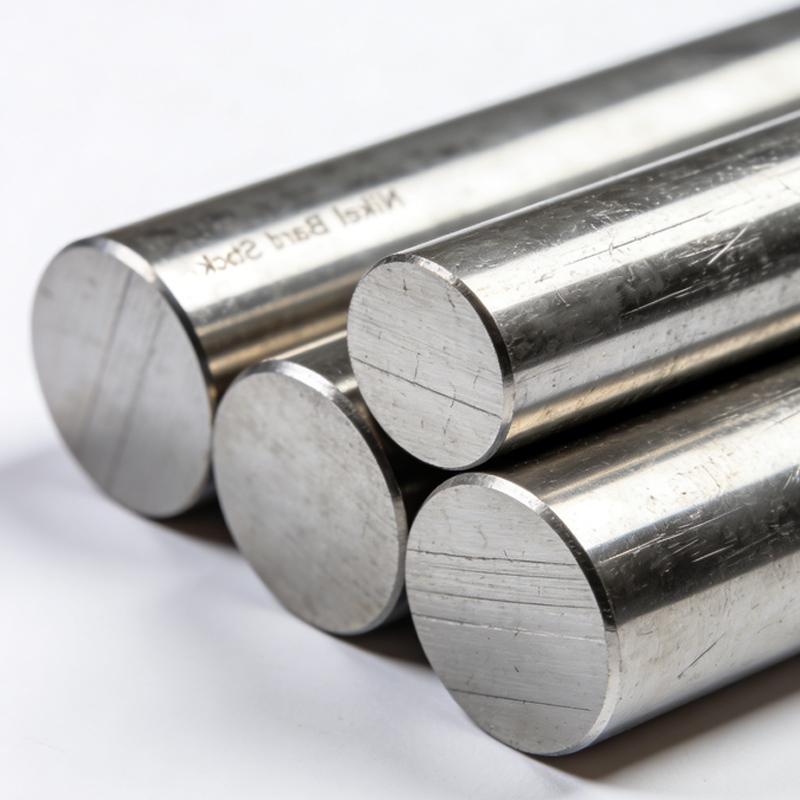
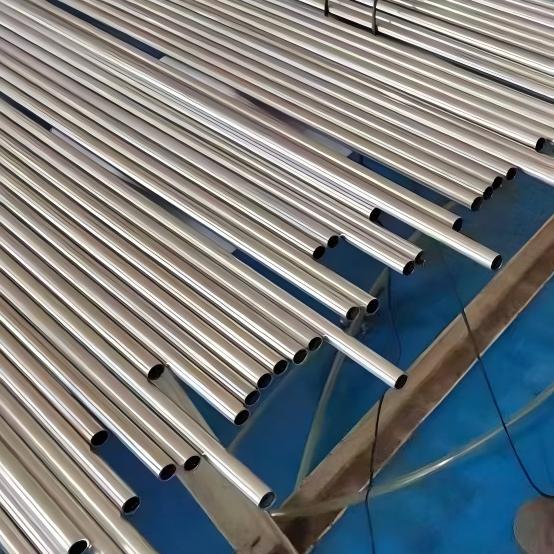
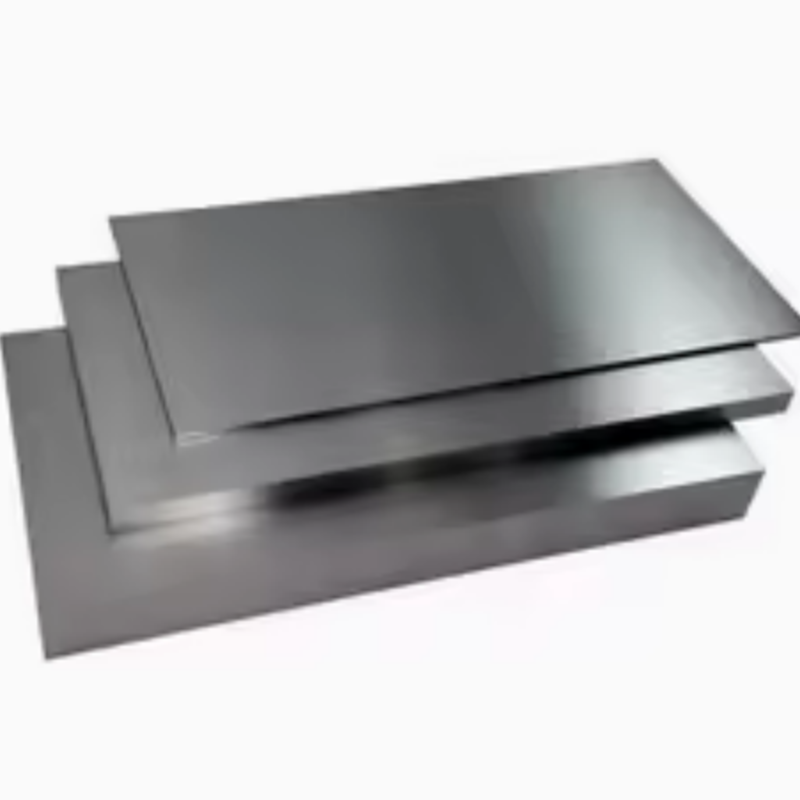
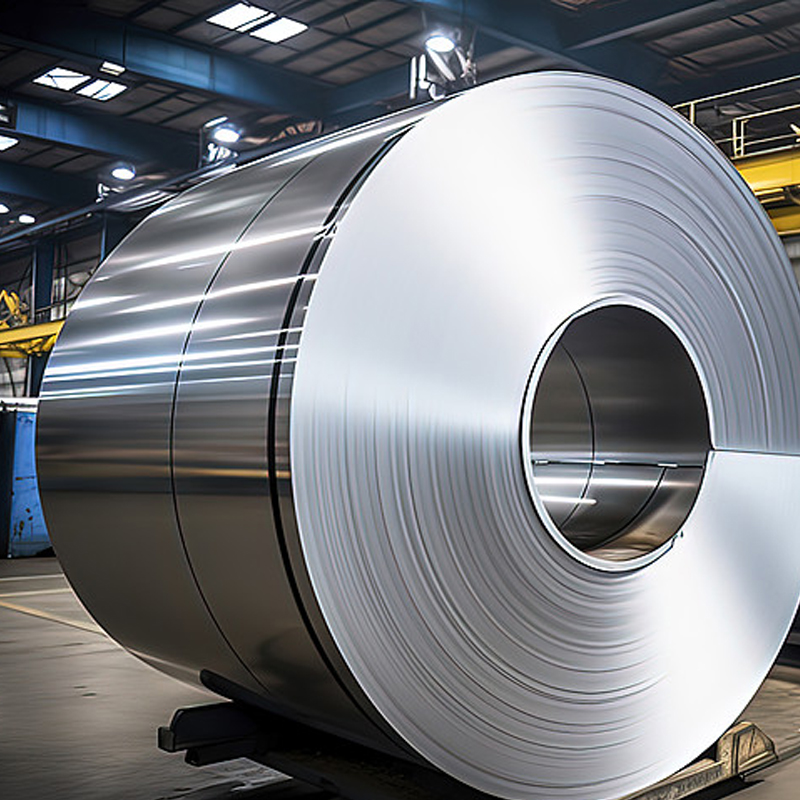
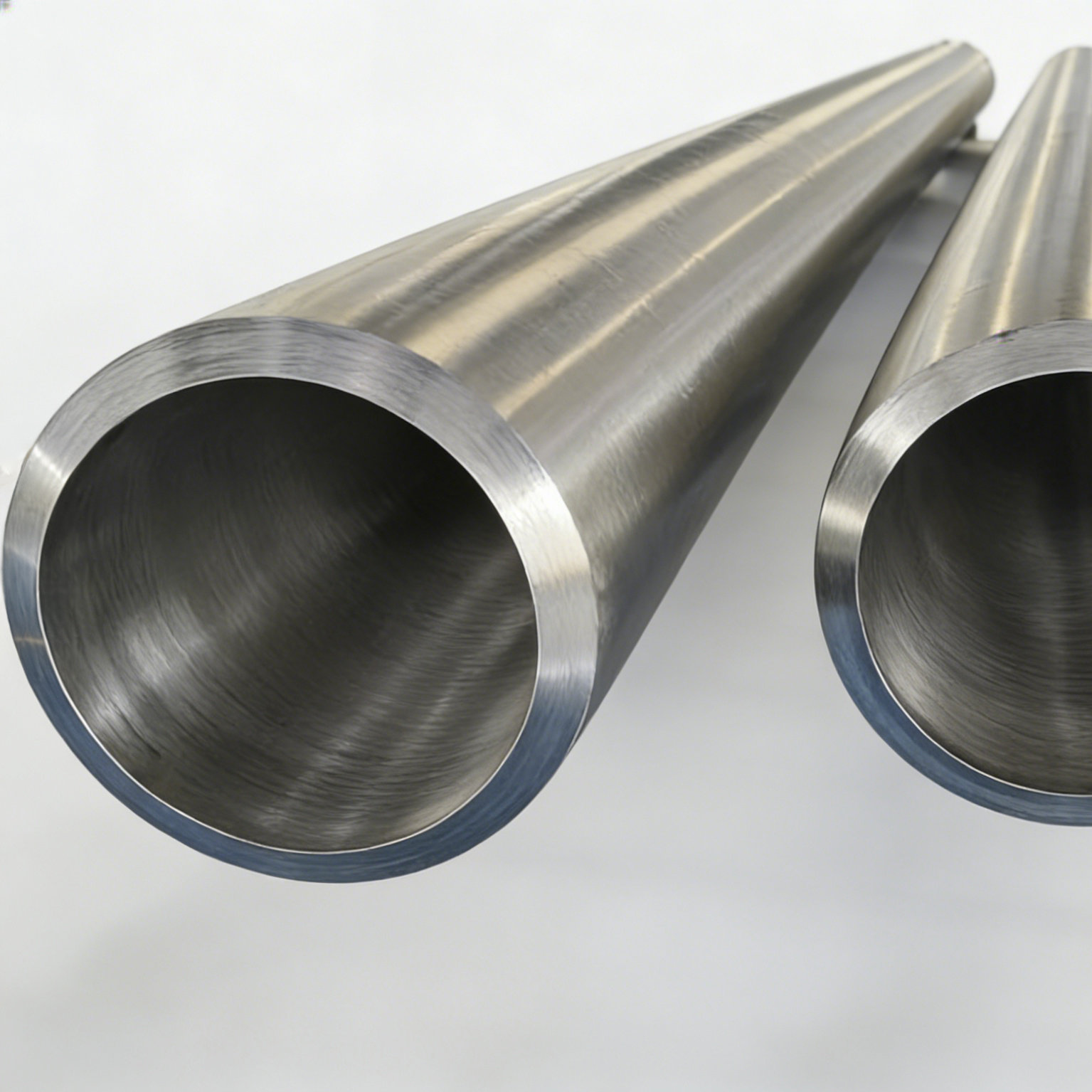
Evaluating the Quality of Hastelloy B for Your Projects
Quality evaluation of Hastelloy B is critical, especially in high-stakes applications such as aerospace and nuclear power. Buyers should prioritize suppliers that adhere to recognized standards and certifications, such as ISO 9001 and AS9100. These certifications indicate that the manufacturer has a quality management system in place to ensure consistent production quality.
When inspecting Hastelloy B, consider the following quality factors:
Material Composition: Verify that the alloy's chemical composition meets specifications. Molybdenum content should typically be between 27% and 30% for optimal corrosion resistance.
Mechanical Properties: Review the tensile strength and elongation at break. These properties influence the material's performance under stress and temperature variations.
Surface Finish: The surface condition can affect corrosion resistance. A smooth finish may be necessary for certain applications to minimize stress concentrations and enhance durability.
Conducting thorough quality inspections, including checking for proper certifications and ensuring the material meets project specifications, is essential before approving any batch for production use.