Choosing the Right Alloy 800H Pipe Supplier

All Categories
Get a Quote

Get a Free Quote

Our representative will contact you soon.
Email
Mobile
Name
Company Name
Message
0/1000

Alloy 800h pipe

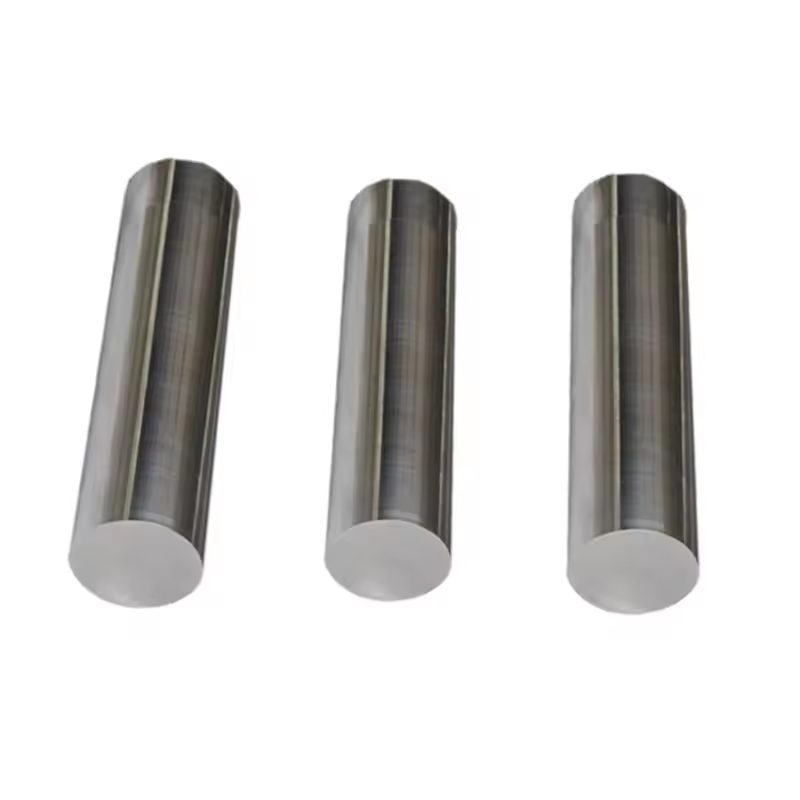
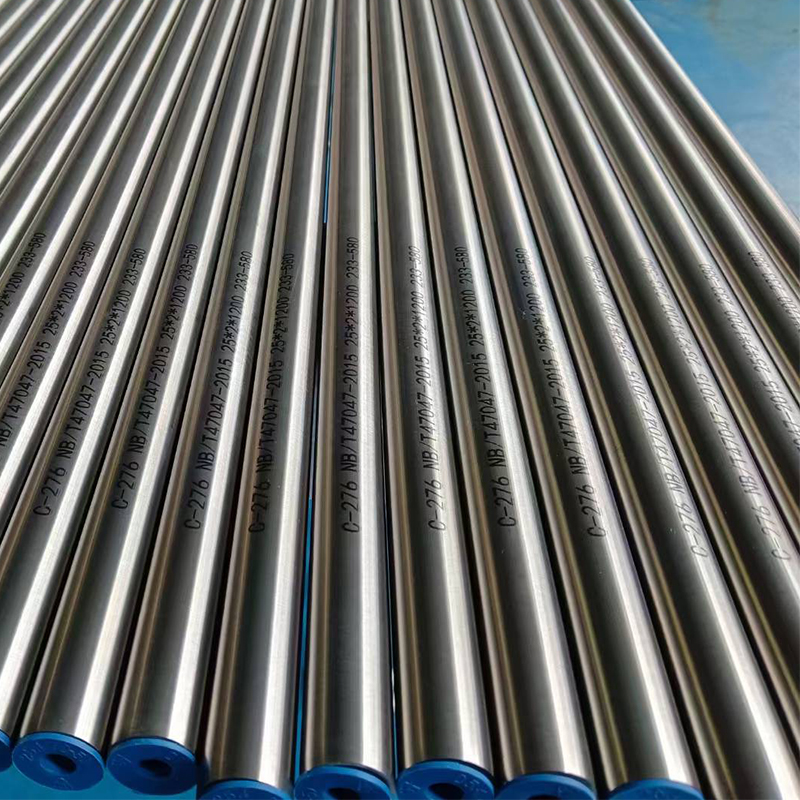
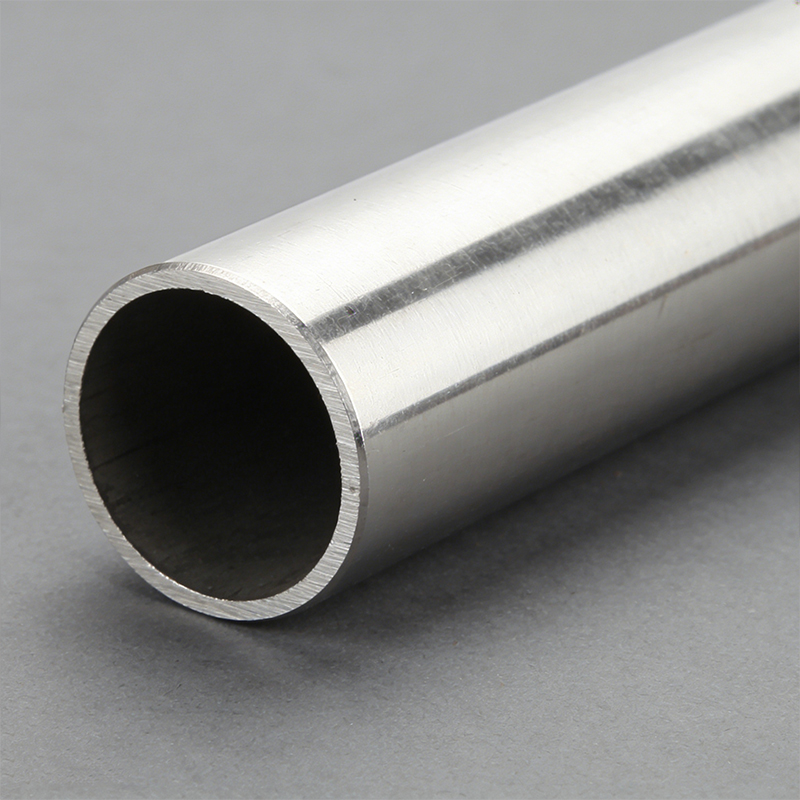
Alloy 800H pipes are essential components in various high-temperature and corrosive applications, particularly in industries such as aerospace, petroleum, nuclear power, and new energy. As a purchasing manager or engineer, ensuring you source high-quality Alloy 800H pipes from a reliable supplier is critical for project success. This article will guide you through selecting the right supplier, considerations for bulk orders, pricing factors, and essential insights to help you make informed purchasing decisions. 
Our Products

How to Choose the Right Alloy 800H Pipe Supplier for Your Projects

Selecting a supplier for Alloy 800H pipes involves several key considerations. Primarily, check the supplier’s experience and capabilities in manufacturing precision alloy materials. A reputable supplier should have a robust production chain that includes smelting and forging processes to ensure the integrity and quality of the pipes. 

Certifications are also crucial. Verify that the supplier holds relevant certifications such as ISO9001, AS9100, or API. These certifications demonstrate compliance with international quality standards and indicate a commitment to quality control processes. Jiangsu Boyue Alloy Materials Co., Ltd., for example, is certified in these areas, which can assure buyers of their product quality. 

Additionally, consider the supplier's customization capabilities. Depending on your project requirements, you may need specific dimensions, thicknesses, or finishes. A supplier that offers custom solutions can better meet your unique specifications. 

Get a Free Quote

Our representative will contact you soon.
Email
Mobile
Name
Company Name
Message
0/1000

Related product categories

Key Considerations

When sourcing Alloy 800H pipes, several factors should be evaluated: 

Material Specifications: Ensure that the pipes conform to ASTM standards, particularly ASTM B407 for seamless pipes. Understanding the chemical composition and mechanical properties will help confirm suitability for your applications, especially in high-temperature environments. 

Manufacturing Process: Investigate the supplier’s manufacturing techniques. Advanced production equipment and skilled personnel play a significant role in ensuring the pipes' structural integrity and performance under specific conditions. 

Quality Control: Inquire about the quality inspection processes employed by the supplier. Regular testing, including hydrostatic testing and non-destructive testing methods, is essential to ensure that the pipes meet required standards before shipment. 

Lead Time and Logistics: Understanding lead times for production and shipping is vital for project planning. Confirming the incoloy alloy 800 supplier’s capacity to deliver within your timeline is crucial, especially when dealing with bulk orders. 

What to Know About Bulk Ordering Alloy 800H Pipes for Projects

Bulk ordering Alloy 800H pipes can provide cost advantages, but it also requires careful planning. Here are some considerations: 

Minimum Order Quantity (MOQ): Different suppliers have varying MOQs. It’s essential to clarify this before placing an order to avoid potential delays or increased costs. 

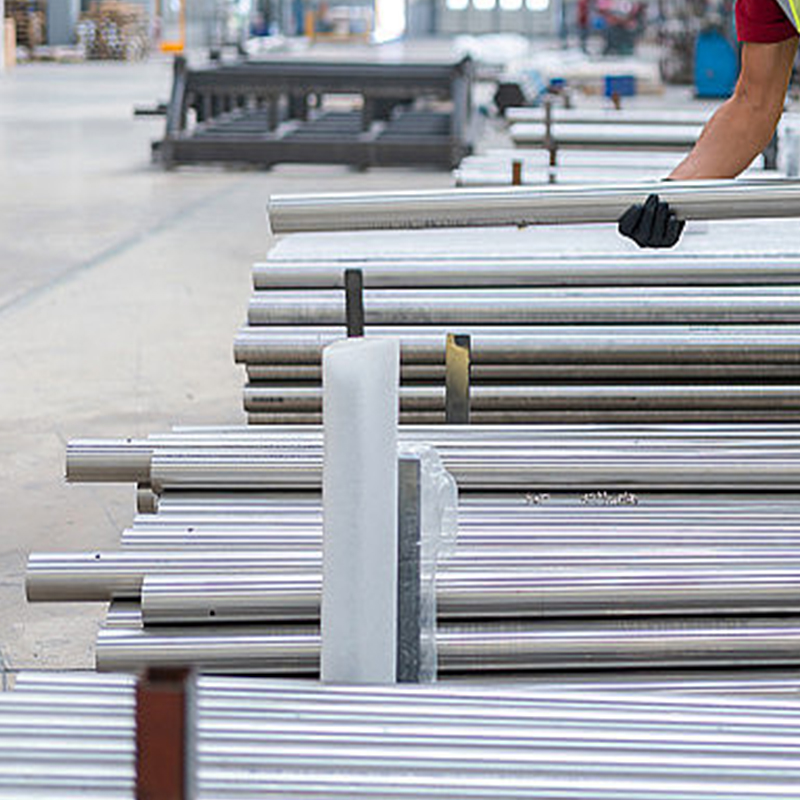
Storage and Inventory Management: Assess your storage capabilities. Bulk orders require adequate space and inventory management strategies to ensure the pipes remain in optimal condition. 

Quality Assurance: Before ordering in bulk, consider conducting a sample approval process. This involves evaluating a small batch of pipes for quality and specifications to ensure they meet project requirements before committing to a larger order. 

Shipping and Handling: Discuss packaging methods with the supplier to prevent damage during transit. Proper packaging is crucial, especially for long-distance shipments, to maintain the integrity of the pipes. 

Factors Affecting Pricing

Pricing for Alloy 800H pipes can vary based on several factors: 

Raw Material Costs: The price of nickel and other alloying elements directly influences the cost of Alloy 800H pipes. Fluctuations in raw material markets can significantly impact overall pricing. 

Manufacturing Processes: More complex manufacturing processes or custom specifications can increase production costs, which may be reflected in the selling price. 

Order Volume: Generally, larger orders can lead to lower unit prices, but this also depends on the supplier’s pricing structure and MOQ policies. 

Market Demand: Understanding current market demand for superalloy 800H pipes can help you negotiate better pricing or anticipate potential increases in costs. 

Essential Insights

When sourcing Alloy 800H pipes, consider the following insights to enhance your purchasing strategy: 

Application Suitability: Ensure the selected Alloy 800H pipes are suitable for your specific application, considering factors such as temperature, pressure, and chemical exposure. This will help reduce the risk of unexpected failures in critical applications. 

Technical Parameters: Familiarize yourself with the technical parameters that influence performance, such as tensile strength, yield strength, and corrosion resistance. This knowledge is essential for ensuring that the pipes will perform well under operational conditions. 

Supplier Relationships: Building a relationship with your supplier can lead to better communication and collaboration, which is vital for long-term project success. A supplier that understands your needs can provide better service and support. 

Regular Reviews: Regularly review supplier performance and product quality over time. This practice helps to maintain standards and ensures that any issues are addressed promptly, ultimately safeguarding your projects' integrity. 

Sourcing Alloy 800H pipes requires a thorough understanding of material specifications, supplier capabilities, and market dynamics. By focusing on quality, manufacturing processes, and effective communication with your supplier, you can ensure that your projects are supported by reliable and high-performance materials.