Incoloy Alloy 800: Key Specifications and Advantages

All Categories
Get a Quote

Get a Free Quote

Our representative will contact you soon.
Email
Mobile
Name
Company Name
Message
0/1000

Incoloy alloy 800

Incoloy Alloy 800 is a high-performance nickel-iron-chromium alloy known for its excellent resistance to oxidation and carburization at elevated temperatures. As a B2B buyer in industries such as aerospace, petroleum, and energy, understanding the specifications and quality considerations of Incoloy Alloy 800 is critical to making informed purchasing decisions. This article will provide valuable insights into the key specifications, evaluation methods, considerations for bulk orders, installation guidelines, and the advantages of using inconel alloy 800 in critical applications. 
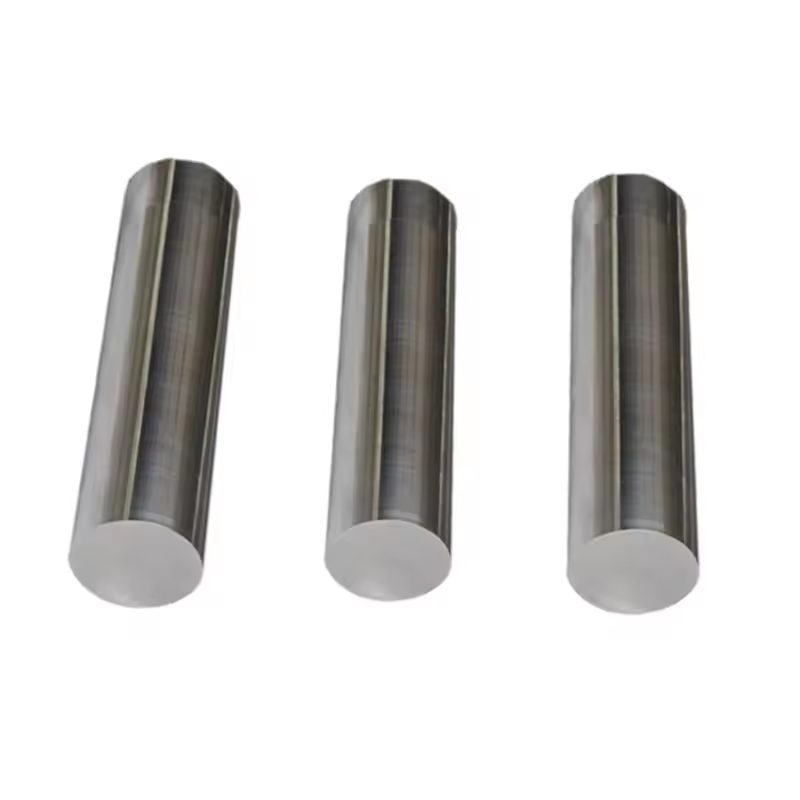
Our Products

Key Specifications for Buyers

When evaluating Incoloy Alloy 800, several key specifications should be considered. First, the chemical composition is crucial, as it typically contains 30% nickel, 20% chromium, and a balance of iron. This composition contributes to its high-temperature stability and resistance to oxidation. 

Another important specification is the mechanical properties, which include yield strength, tensile strength, and elongation. For inconel 800, the yield strength is typically around 30 ksi (207 MPa), while the tensile strength can reach up to 70 ksi (483 MPa). These values indicate that the alloy can withstand high stress and deformation, making it suitable for demanding applications. 

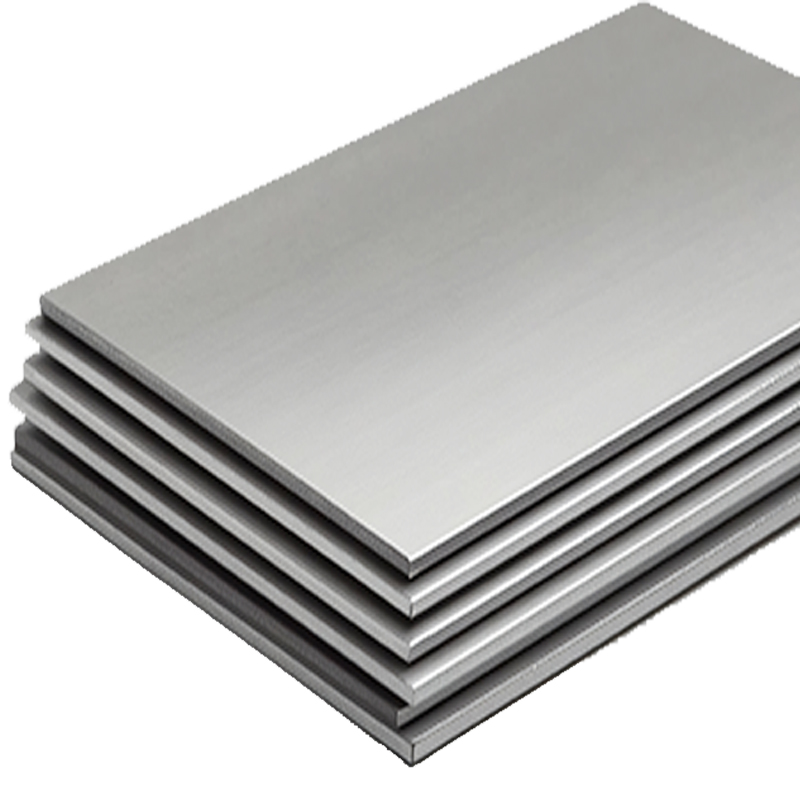
Thickness is another critical parameter, particularly for pipes and plates. Common thicknesses range from 0.5 mm to 25 mm, depending on the application requirements. Buyers should ensure that the thickness meets their specific project needs to maintain structural integrity and performance. 

Get a Free Quote

Our representative will contact you soon.
Email
Mobile
Name
Company Name
Message
0/1000

Related product categories

How to Evaluate the Quality of Incoloy Alloy 800 Products

How to Evaluate the Quality of Incoloy Alloy 800 Products

Quality evaluation of Incoloy Alloy 800 products should encompass several aspects. First, prospective buyers should request certifications from manufacturers, such as ISO 9001 and AS9100, which indicate adherence to quality management standards. Additionally, verification of compliance with industry-specific standards, such as API or PED, is essential for applications in the petroleum and pressure vessel industries. 

Next, buyers should assess the manufacturer's quality control processes. This includes examining their testing methodologies for chemical composition, mechanical properties, and corrosion resistance. A reputable manufacturer will provide documentation of these tests, such as mill certificates or test reports, ensuring that the delivered product meets defined specifications. 

When evaluating physical samples, buyers should inspect the surface finish for any defects, such as pitting or cracking, which could compromise performance. It is also advisable to perform dimensional checks to ensure that the product meets the specified tolerances. 

Bulk Order Considerations for Incoloy Alloy 800 Materials

When placing bulk orders for Incoloy Alloy 800, several key considerations must be addressed. First, buyers should confirm the minimum order quantity (MOQ) requirements, which can vary by manufacturer. Understanding the MOQ helps buyers plan their procurement strategies and manage inventory effectively.  

Lead time is another critical factor. Buyers should discuss expected delivery times with suppliers, especially for custom orders. Factors such as production capacity, material availability, and shipping logistics can influence lead times, so it’s important to factor this into project timelines. 

Pricing considerations should also be discussed. Factors such as order volume, material costs, and market demand can affect pricing. Buyers should inquire about bulk pricing discounts and any potential additional costs related to customization or expedited shipping. 

Finally, packaging methods should be clarified. Proper packaging is vital to prevent damage during transit, particularly for high-value materials like incoloy 800. Buyers should ensure that the chosen supplier uses adequate protective measures, such as wooden crates or foam padding, to safeguard the products. 

Installation Guidelines for Incoloy Alloy 800 Products in Projects

Proper installation of Incoloy Alloy 800 products is essential to ensure optimal performance. First, it's critical to consider the compatibility of the alloy with other materials in the assembly. Incoloy Alloy 800 exhibits good weldability; however, care should be taken to use appropriate filler materials to prevent issues such as cracking. 

Before installation, all surfaces should be cleaned to remove any contaminants that could affect the integrity of the welds or joints. It’s also advisable to conduct a dry run of the installation process to identify any potential issues before finalizing the assembly. 

During installation, it is crucial to monitor temperature conditions. Incoloy Alloy 800 performs well under high temperatures, but sudden temperature changes or thermal cycling can introduce stresses. Proper temperature management during installation will help mitigate these risks. 

Lastly, post-installation inspections should be conducted to ensure that all connections are secure and that the installed components meet the required specifications. This may include non-destructive testing methods to verify the integrity of welds and joints. 

Advantages of Incoloy Alloy 800 for Aerospace and Energy Industries

Incoloy Alloy 800 offers numerous advantages for applications in the aerospace and energy sectors. Its high-temperature strength and excellent resistance to oxidation and carburization make it ideal for use in environments with extreme heat and corrosive conditions, such as gas turbines, heat exchangers, and nuclear reactors. 

The alloy’s ability to maintain mechanical properties at elevated temperatures ensures reliability and longevity in critical applications. This characteristic is particularly important in the aerospace industry, where safety and performance are paramount. 

In the energy sector, Incoloy Alloy 800's versatility allows it to be used in various applications, from oil and gas extraction to renewable energy systems. Its resistance to stress corrosion cracking and high-temperature oxidation significantly reduces maintenance costs and downtime, providing long-term economic benefits. 

Additionally, the alloy’s capacity for customization enables manufacturers to tailor products to meet specific project requirements, enhancing its applicability across different industries. By utilizing Incoloy Alloy 800, companies can achieve a balance of performance, durability, and cost-effectiveness in their operations.