Choosing Precision Alloys for Aerospace and Energy

All Categories
Get a Quote

Get a Free Quote

Our representative will contact you soon.
Email
Mobile
Name
Company Name
Message
0/1000

Precision alloy

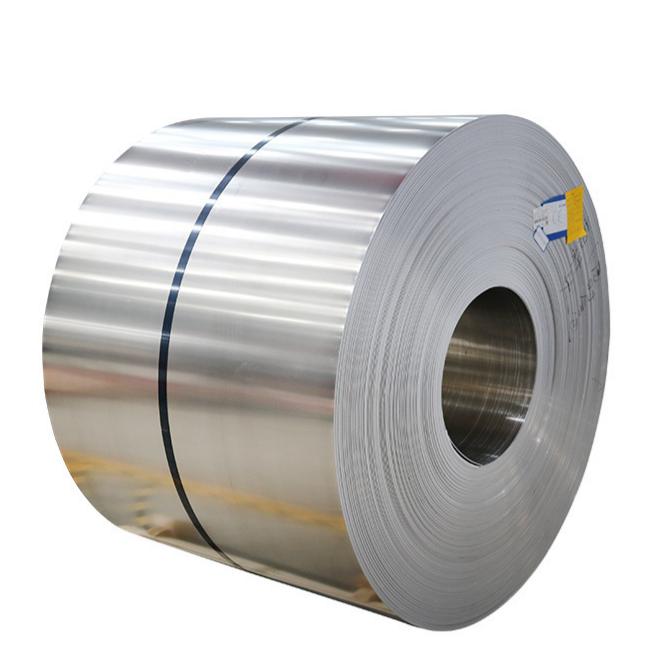
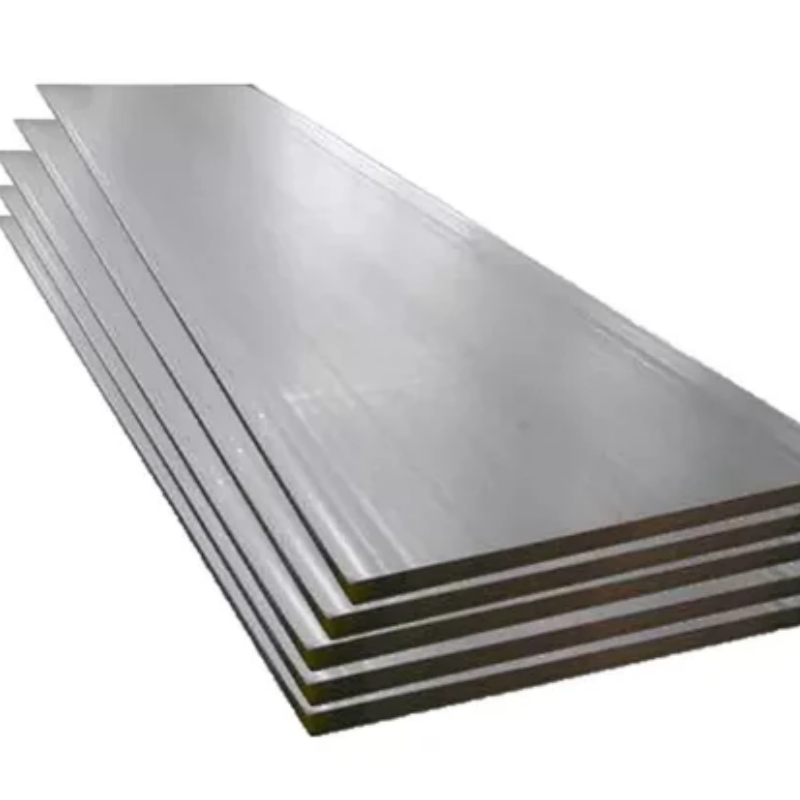
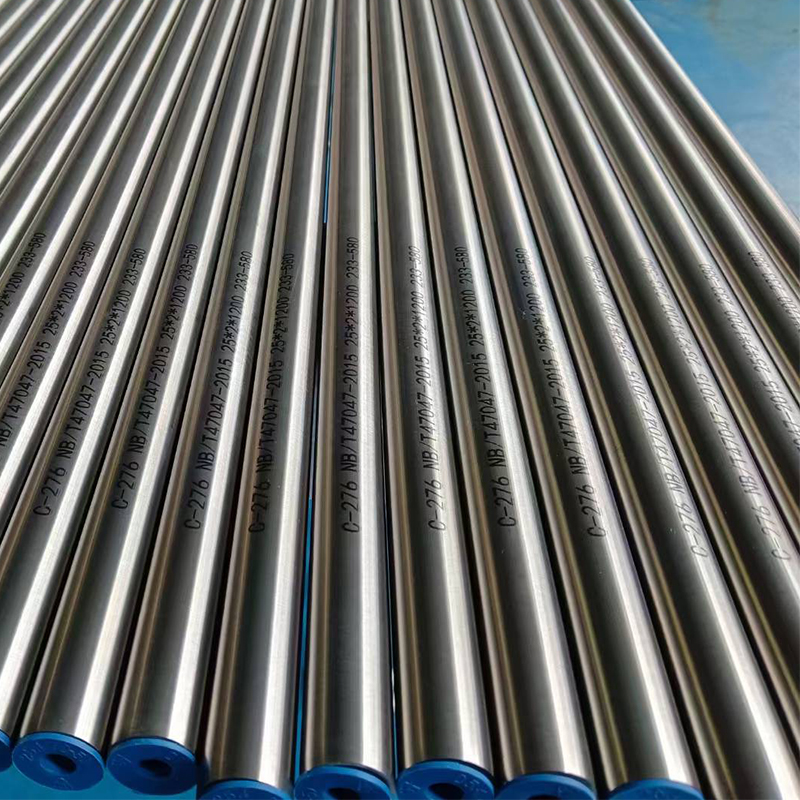
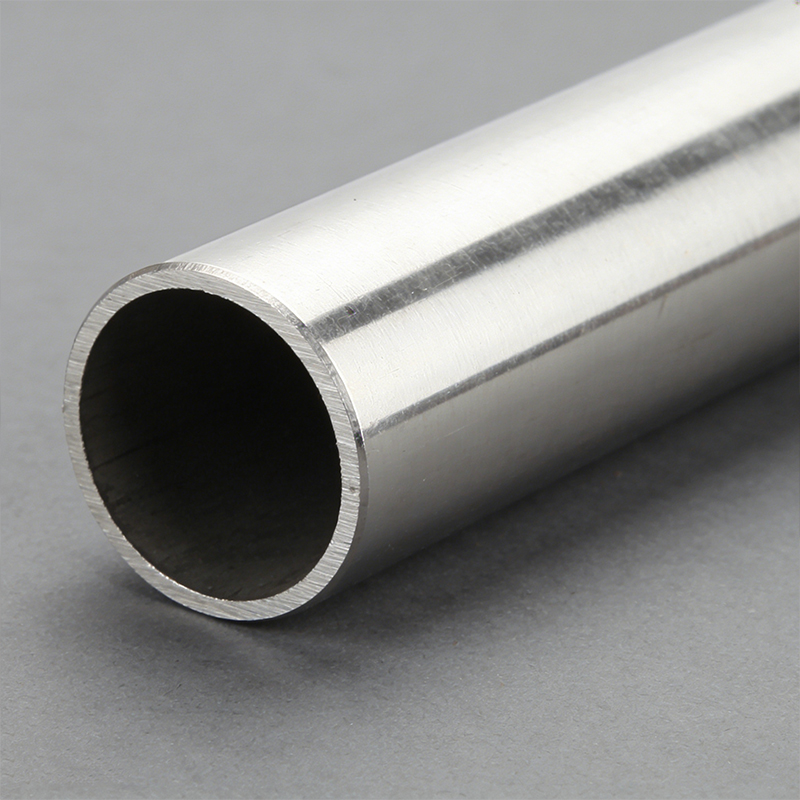
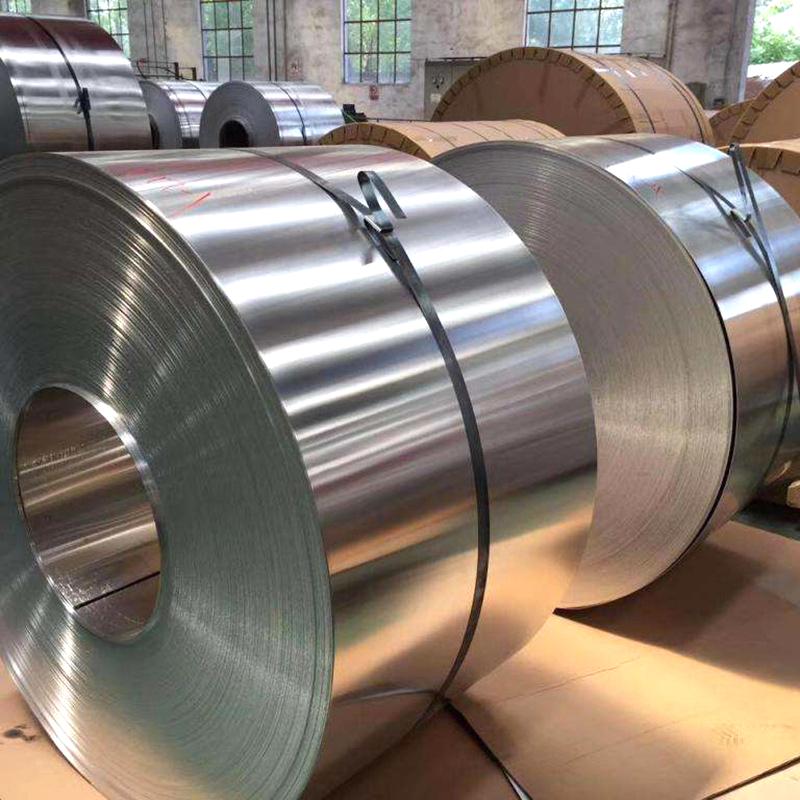
Precision alloys are specialized materials designed for applications requiring high performance and reliability under extreme conditions. These alloys are crucial in industries such as aerospace, nuclear power, and energy production, where material failure can lead to significant safety risks and operational inefficiencies. This article will explore essential factors when selecting precision alloys, including specifications, sourcing suppliers, and their applications in critical industries, helping B2B buyers make informed decisions. 

Our Products

What to Consider When Choosing Precision Alloys for Your Projects

Selecting the right precision alloy involves several key considerations that can significantly impact project outcomes. First, assess the specific application requirements, such as temperature resistance, corrosion resistance, and mechanical strength. Different monel alloy offer varied properties; for instance, nickel alloys are often preferred in environments exposed to high temperatures and corrosive substances. 

Another important factor is the manufacturing process. Understanding whether the alloy will be smelted, forged, or processed in another manner is vital, as each method affects the alloy's final properties. For example, forging can enhance the strength and ductility of the material, making it suitable for demanding applications. 

Additionally, consider customization capabilities. Many suppliers, like Jiangsu Boyue Alloy Materials Co., Ltd., offer tailored solutions to meet unique specifications, such as specific dimensions or chemical compositions. This can help ensure that the final product aligns perfectly with operational needs. 

Finally, evaluate the supplier’s certifications, such as ISO9001, AS9100, or PED, which indicate adherence to international quality standards. These certifications can provide assurance of the alloy’s reliability and performance in critical applications. 

Get a Free Quote

Our representative will contact you soon.
Email
Mobile
Name
Company Name
Message
0/1000

Related product categories

Key Specifications for Precision Alloy Pipes and Plates Explained

When it comes to precision alloy pipes and plates, several specifications are crucial for ensuring optimal performance in their intended applications. Key specifications include: 

Material Composition: This defines the alloy's properties. For example, nickel content can influence corrosion resistance and thermal stability. Buyers should verify the specific composition to ensure it meets the operational demands. 

Dimensions and Tolerances: Precision alloys must meet exact specifications regarding diameter, thickness, and length. Tolerances are also important; even minor deviations can affect the fit and function in critical applications. Ensure that the supplier provides detailed dimensional drawings and confirms tolerances before production. 

Mechanical Properties: This includes yield strength, tensile strength, and elongation. These properties determine how the material will perform under stress. For example, higher yield strength may be required for components exposed to high pressures. 

Surface Finish: The surface finish can affect corrosion resistance and assembly compatibility. Buyers should specify the desired finish, such as polished or coated, based on their application needs. 

Quality Assurance: Ensure the supplier has a robust quality control process in place to monitor the production and testing of alloys. This may include non-destructive testing (NDT) methods to detect potential flaws. 

Understanding these specifications will help buyers select precision alloys that not only meet their project requirements but also enhance overall efficiency and safety. 

Where to Source Reliable Precision Alloy Suppliers for Bulk Orders

Sourcing reliable suppliers for precision alloys is critical, especially for bulk orders. Here are some strategies to find trustworthy manufacturers: 

Industry Directories and Trade Associations: Utilize industry-specific directories and associations that focus on alloy materials. These resources often feature vetted suppliers known for quality and reliability. 

Online Marketplaces: Websites like Alibaba and ThomasNet can connect buyers with numerous suppliers. Look for suppliers with verified ratings and reviews, and prioritize those specializing in precision high-temp alloy. 

Networking and Trade Shows: Attending industry conferences and trade shows allows for direct interaction with potential suppliers. This can provide insights into their capabilities, product offerings, and customer service. 

Request for Quotations (RFQs): When reaching out to suppliers, provide detailed RFQs that specify your needs regarding material types, dimensions, and quantities. This ensures that potential suppliers can accurately assess their ability to meet your requirements. 

Supplier Audits: If possible, conduct site visits or audits to evaluate a supplier’s manufacturing capabilities, quality control processes, and overall reliability. This firsthand experience can be invaluable in building trust. 

By taking these steps, buyers can ensure they partner with suppliers capable of delivering high-quality precision alloys that meet their specifications. 

What Buyers Should Know

Before placing an order for precision alloys, buyers should consider several essential factors to avoid common pitfalls. First, ensure that all specifications are clearly defined and understood. This includes dimensions, material composition, and any specific treatment or finish required. 

Second, confirm the supplier's lead times and minimum order quantities (MOQs). Understanding these factors is crucial for project planning and inventory management. 

Third, it’s advisable to request samples before committing to bulk orders. This allows buyers to evaluate the material’s performance and compatibility with their applications. Testing samples under actual operating conditions can reveal potential issues that may not be apparent through documentation alone. 

Finally, establish clear lines of communication with the supplier. Discuss any potential customization needs and ensure that the supplier can accommodate these requests without significant delays or quality issues. 

By being proactive in these areas, buyers can mitigate risks and ensure a successful procurement process. 

Applications of Precision Alloys in Aerospace and Energy Industries

Precision alloys play a critical role in both the aerospace and energy industries, where performance and reliability are non-negotiable. 

In the aerospace sector, precision alloys, particularly nickel-based and titanium alloys, are used in engine components, structural parts, and fasteners. These materials are selected for their high strength-to-weight ratios and excellent resistance to extreme temperatures and corrosive environments. This ensures that aircraft components can withstand the rigors of flight while maintaining safety and efficiency. 

In the energy industry, precision Inconel alloy are essential in applications such as nuclear reactors, oil and gas extraction, and renewable energy systems. For instance, nickel alloys are commonly used in piping and valves due to their corrosion resistance and strength under high-pressure conditions. This is particularly critical in environments where exposure to harsh chemicals or extreme temperatures is a concern. 

Additionally, precision alloys are increasingly being used in new energy technologies, such as battery production and hydrogen fuel cells. The unique properties of these alloys can enhance the efficiency and longevity of energy storage solutions. 

By understanding these applications, buyers can better assess the suitability of precision alloys for their specific projects, ensuring they meet industry standards and operational demands.