 EN

Nickel TIG rods are essential components for welding applications that require high strength and corrosion resistance, particularly in industries such as aerospace, petroleum, and nuclear power. As a B2B buyer, understanding how to evaluate these rods, their specifications, and supplier options will help ensure you make informed purchasing decisions. This article will guide you through evaluating quality, sourcing specifications, identifying reliable suppliers, addressing common installation issues, and understanding the benefits of using nickel base TIG rods in high-performance applications.
Key Specifications to Consider When Sourcing Nickel TIG Rods
Several specifications must be evaluated before finalizing your order for nickel TIG rods. These include:
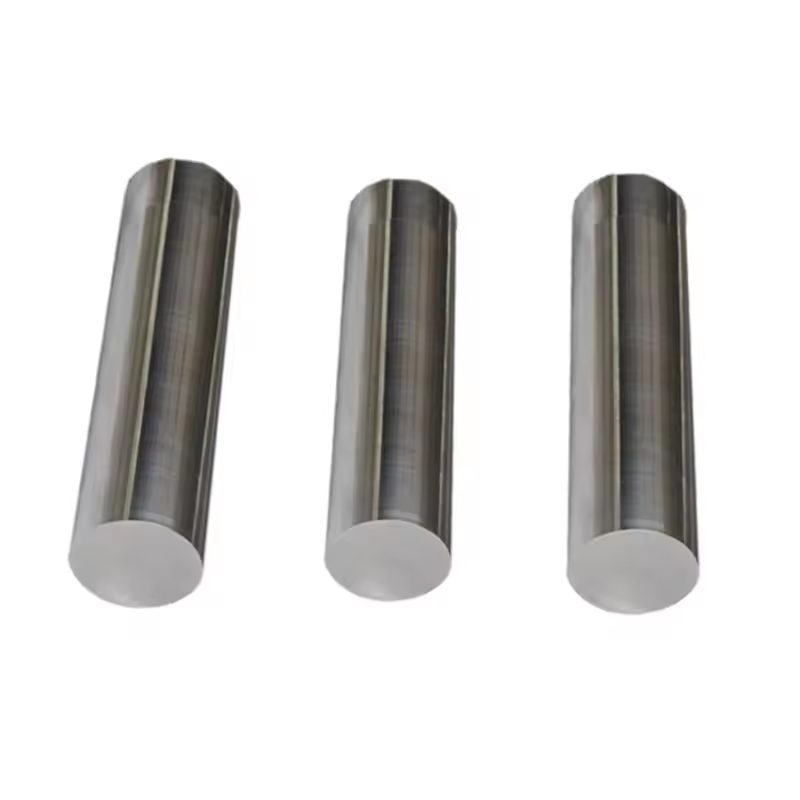
Diameter: Common diameters range from 1.0 mm to 3.2 mm. The diameter you choose will impact the heat input and weld pool control, which is critical for achieving the desired weld quality.
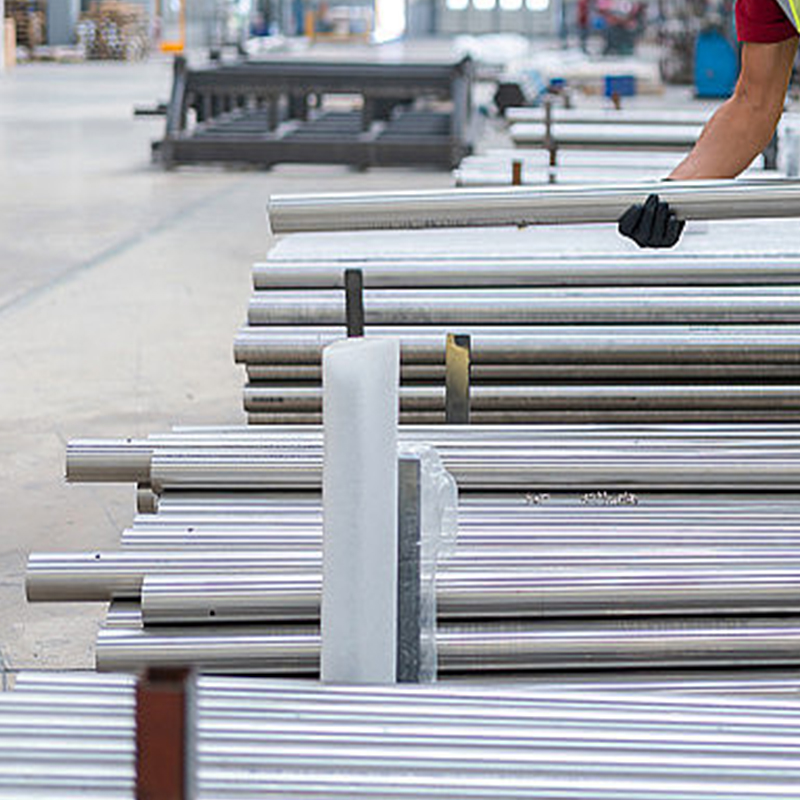
Length: Standard rod lengths typically range from 1 meter to 2.5 meters. Assess your welding equipment and application requirements to determine the appropriate length.
Alloy Composition: Different nickel alloys (such as Inconel or Monel) are suitable for various applications. Ensure that the nickel based alloy matches the base materials being welded and the service conditions, such as high-temperature environments.
Mechanical Properties: Look for rods with high tensile strength and yield strength, which are vital for maintaining integrity under stress. These properties should comply with the specifications required for your specific application.
It is advisable to request detailed technical data sheets from suppliers, as these documents will provide crucial insights into the rods' performance and suitability for your needs.