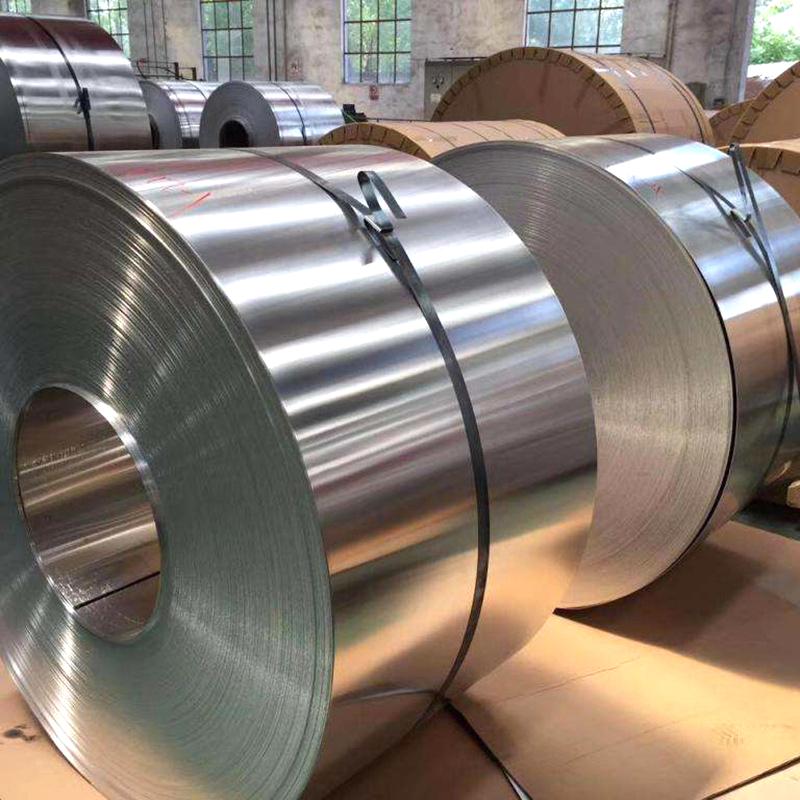
Key Specifications of Monel Nickel Alloy for Buyers

All Categories
Get a Quote

Get a Free Quote

Our representative will contact you soon.
Email
Mobile
Name
Company Name
Message
0/1000

Monel nickel alloy

Monel nickel alloy is a versatile material known for its excellent resistance to corrosion and high strength, making it suitable for various demanding applications. As a B2B buyer, understanding the specifications, quality evaluation, and sourcing options for Monel nickel alloy is essential for making informed purchasing decisions. This article will explore the key specifications of Monel nickel alloy for bulk orders, how to evaluate its quality, reliable sourcing options, comparisons with other nickel alloys, and common installation issues along with their solutions. 
Our Products

Key Specifications of Monel Nickel Alloy for Bulk Orders

When evaluating Monel nickel alloy for bulk orders, several key specifications should be considered: 

Chemical Composition: Monel alloys typically contain nickel (up to 67%), copper, and small amounts of other elements such as iron and manganese. The specific composition can affect the alloy's strength, corrosion resistance, and suitability for particular applications. 

Mechanical Properties: Important mechanical properties include tensile strength, yield strength, and elongation. For instance, Monel K-500 offers higher strength and hardness compared to Monel 400, making it more suitable for certain high-stress applications. 

Dimensions and Tolerances: Ensure the dimensions (diameter, thickness, length) meet your project requirements. Industrial standards often dictate specific tolerances that must be adhered to, which can vary based on the intended application. 

Surface Finish: The surface finish can impact the alloy's performance in corrosive environments. Common finishes include polished, pickled, or as-forged. Buyers should specify their requirements based on the application environment. 

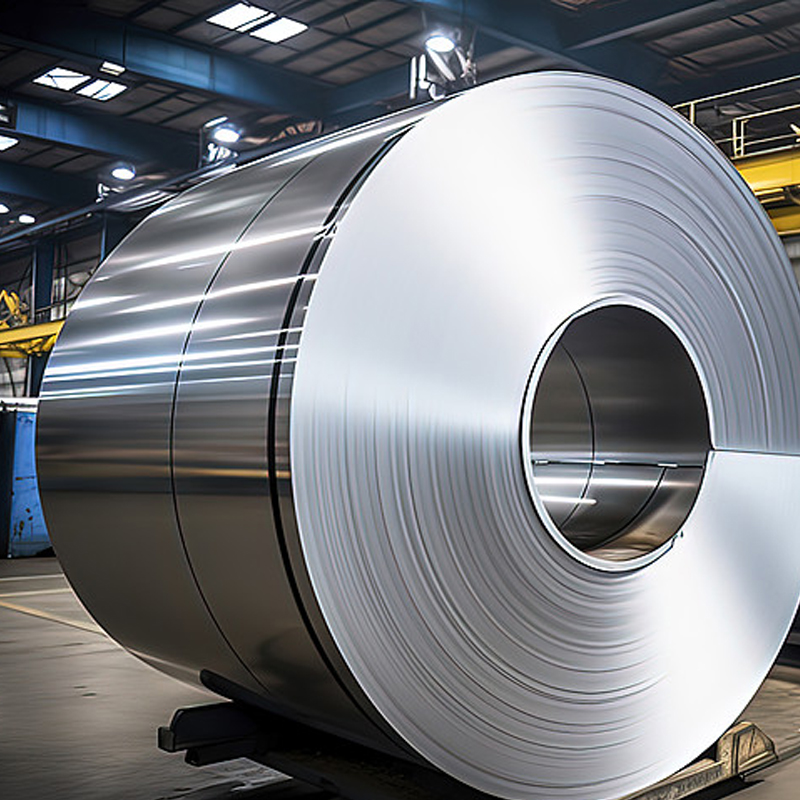
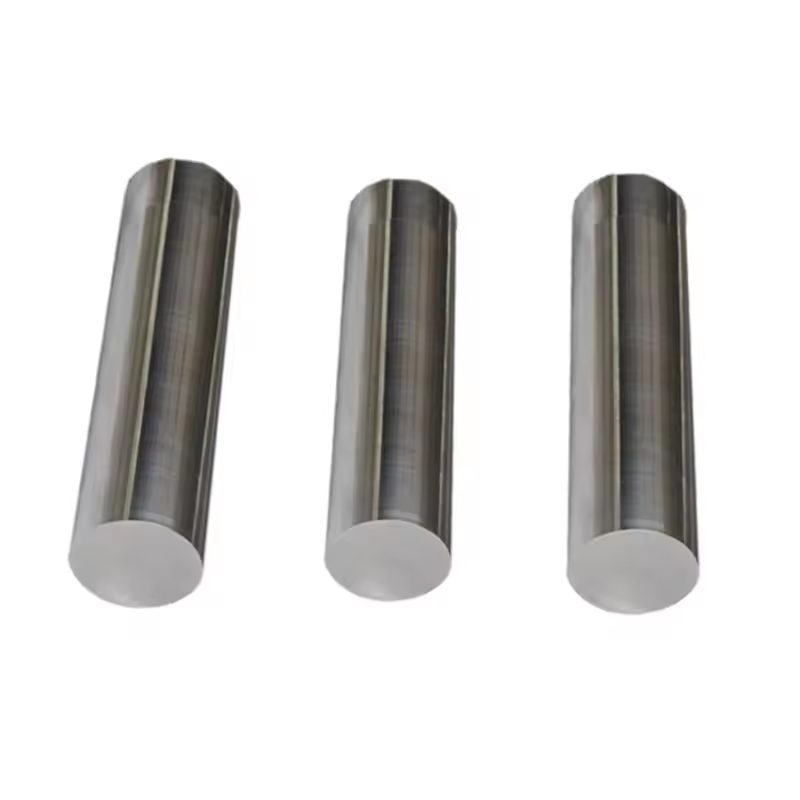
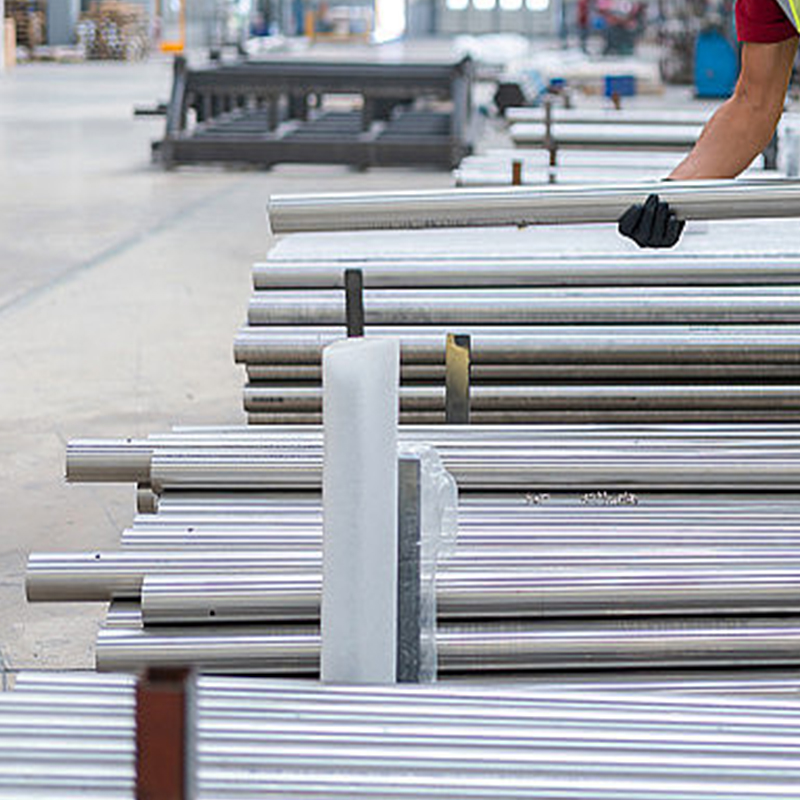
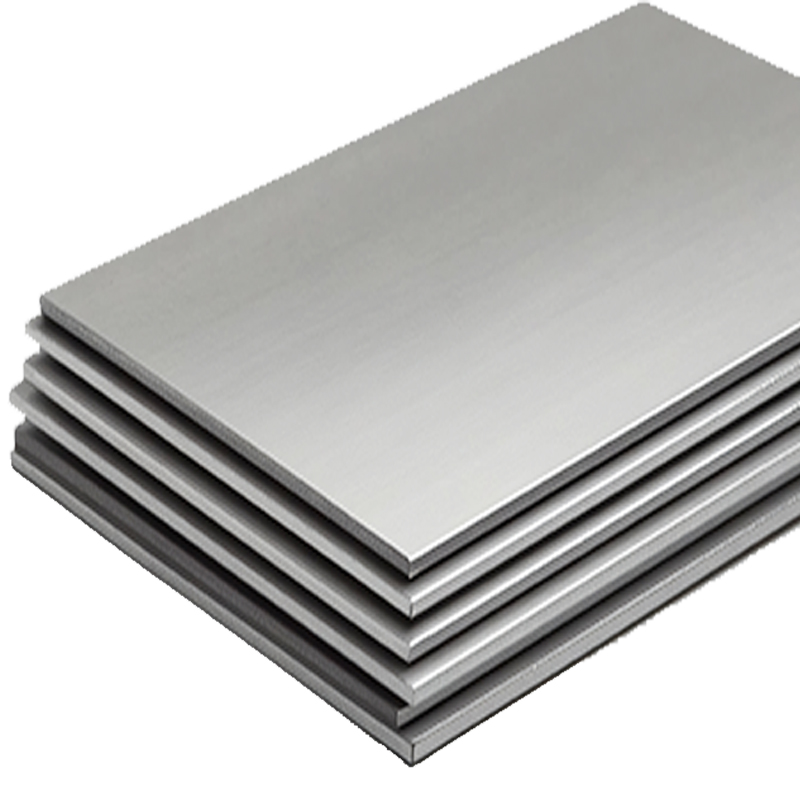
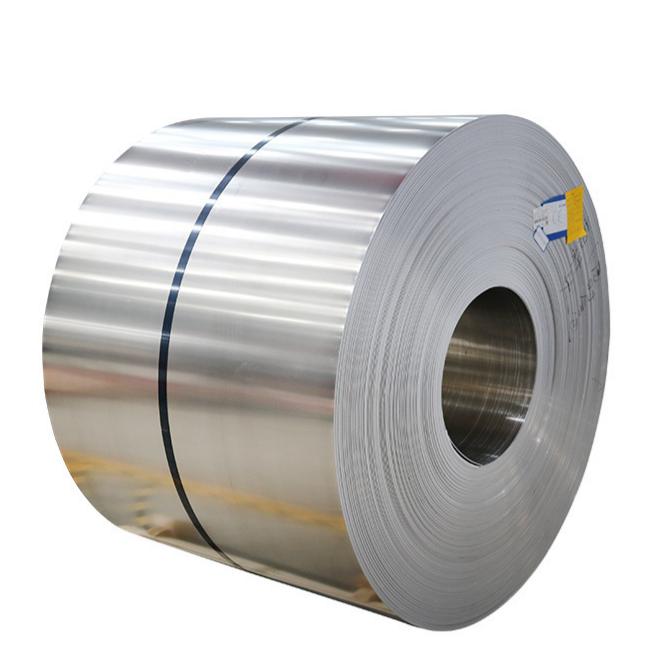
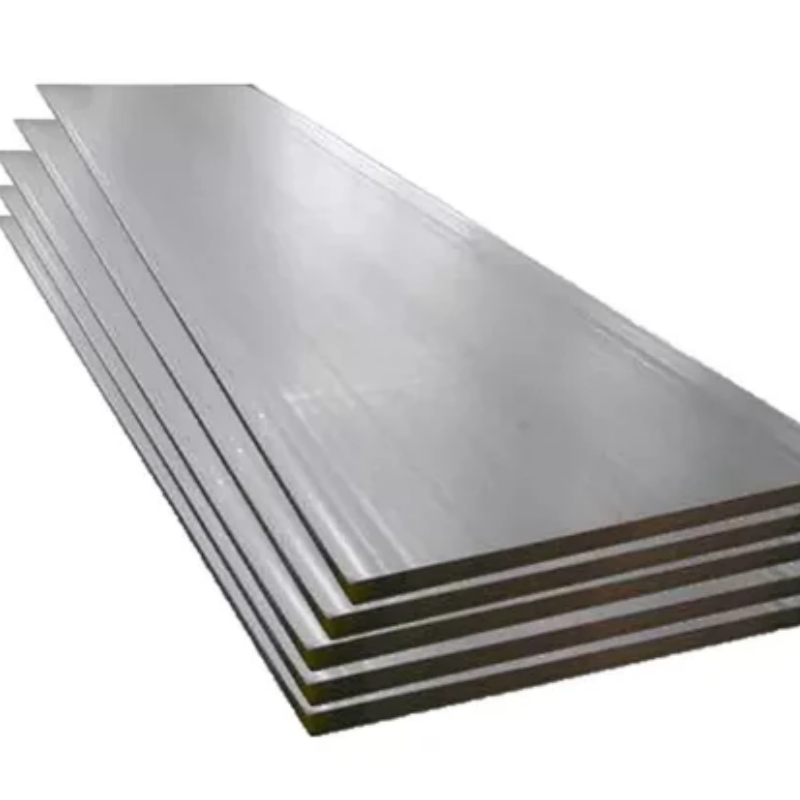
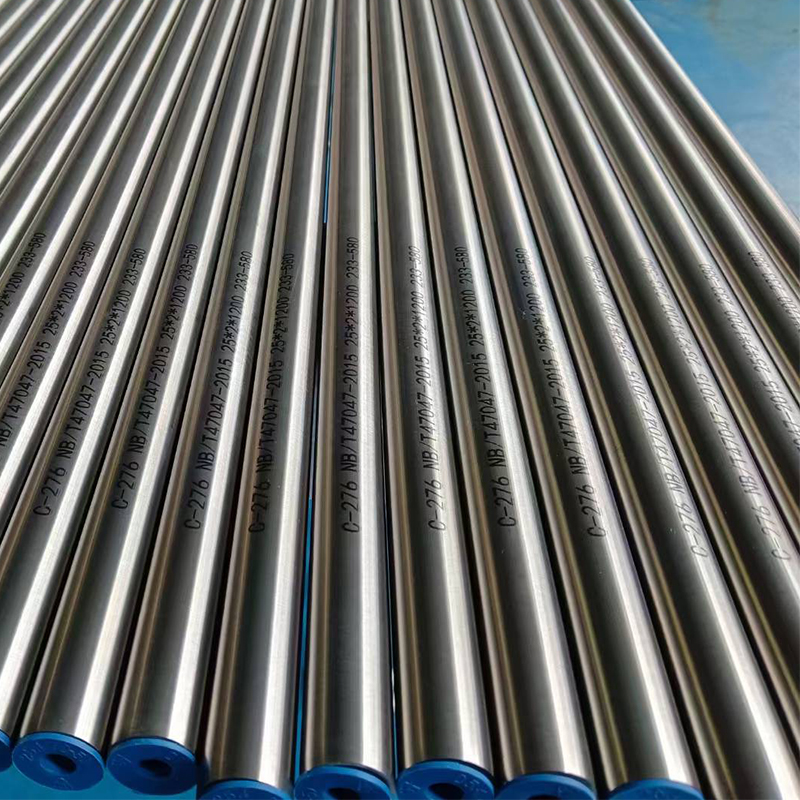
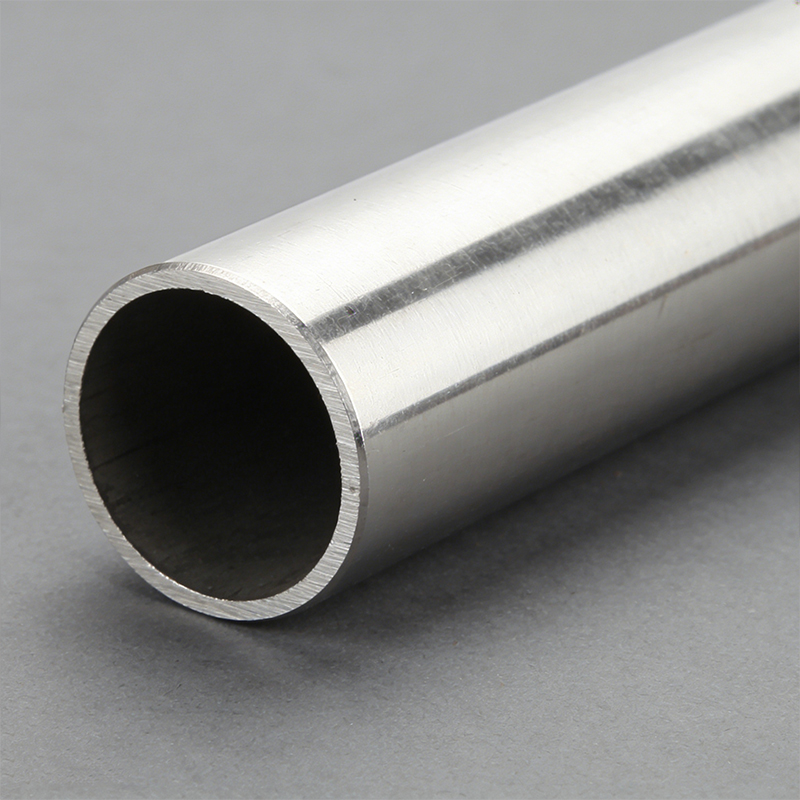
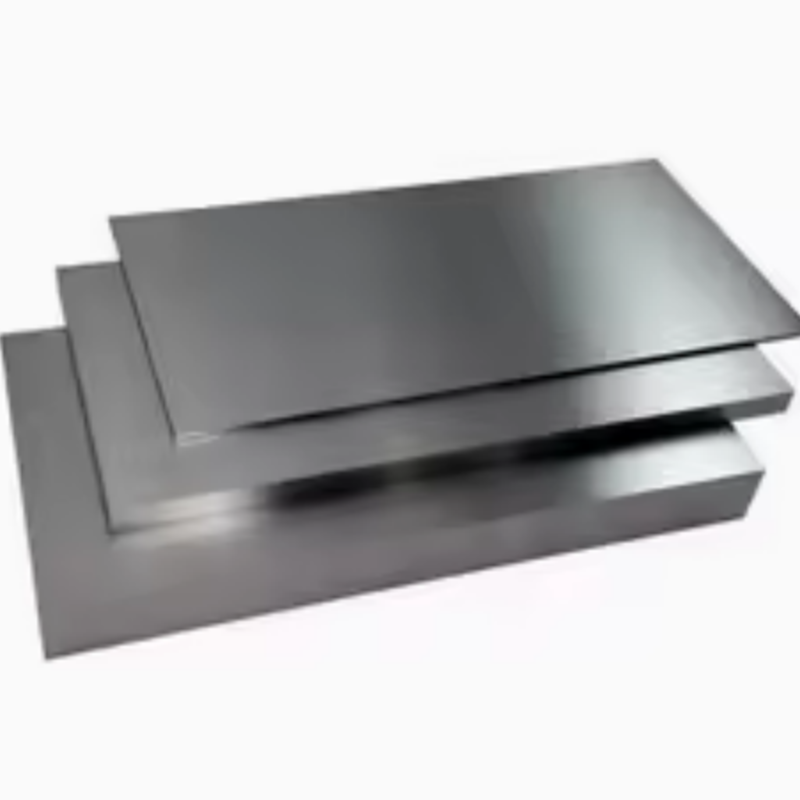
Form Factors: Monel nickel alloy is available in various forms including pipes, plates, bars, and fasteners. The choice of form will depend on the specific application needs. 

Certifications: Ensure that the manufacturer adheres to relevant standards such as ISO9001, AS9100, or PED, which indicate quality management systems are in place. 

Understanding these specifications will help buyers select the right Monel nickel alloy for their applications and ensure compliance with industry standards. 

Get a Free Quote

Our representative will contact you soon.
Email
Mobile
Name
Company Name
Message
0/1000

Related product categories

Evaluating the Quality of Monel Nickel Alloy Products

Quality evaluation of Monel nickel alloy products involves several critical steps: 

Material Testing: Request material certifications that provide details about the chemical composition and mechanical properties of the alloy. Testing methods such as spectrometry can verify these properties. 

Visual Inspection: Conduct a visual inspection of the products to check for surface defects, such as pitting, cracks, or discoloration, which can indicate poor quality or inadequate processing. 

Dimensional Checks: Before acceptance, verify that the dimensions and tolerances align with the specified requirements. This can prevent installation issues later in the process. 

Performance Testing: For critical applications, it may be necessary to perform performance testing under operating conditions. This could include pressure testing for pipes or fatigue testing for fasteners. 

Supplier Reputation: Evaluate the supplier’s reputation and history in the market. A trustworthy supplier should provide references and examples of previous successful projects that utilized their Monel nickel alloy products. 

By following these steps, buyers can significantly reduce the risk of quality issues and ensure that their Monel nickel alloy products meet the necessary performance standards. 

Where to Source Reliable Monel Nickel Alloy Suppliers

Finding reliable suppliers of Monel nickel alloy involves considering several factors: 

Industry Experience: Look for suppliers with a proven track record in manufacturing and supplying Monel nickel alloys. Companies like Jiangsu Boyue Alloy Materials Co., Ltd. specialize in alloy materials and offer comprehensive services including smelting and forging. 

Certifications: Ensure the supplier holds relevant certifications such as ISO9001, AS9100, and PED. These certifications indicate adherence to quality management and regulatory standards. 

Customization Capabilities: A reliable supplier should offer customization options to meet specific project requirements. This includes the ability to modify alloy compositions, dimensions, and surface finishes. 

Production Capacity: Assess the supplier's production capacity and lead times. This information is crucial for planning and ensuring that your project timelines are met. 

Customer Support: Evaluate the level of customer support provided by the supplier. Effective communication and support can ease the purchasing process and address any concerns promptly. 

Reviews and Testimonials: Research reviews and testimonials from previous clients. Positive feedback can provide insight into the supplier's reliability and product quality.  

With these criteria, buyers can identify trustworthy suppliers who can provide high-quality Monel nickel alloy products tailored to their needs. 

Comparing Monel Nickel Alloy with Other Nickel Alloys

Monel nickel alloy is often compared to other nickel alloys like Inconel and Hastelloy. Here are key differences: 

Corrosion Resistance: Monel is known for excellent resistance to seawater and reducing acids, making it suitable for marine applications. In contrast, Inconel excels in high-temperature applications and environments with oxidizing acids. 

Strength: Monel nickel alloy, particularly K-500, offers superior strength compared to some other nickel alloys. Inconel, however, tends to perform better at elevated temperatures due to its unique composition. 

Fabrication: Monel alloys are generally easier to fabricate than Inconel and Hastelloy, which can be more challenging due to their higher alloying content. 

Cost: Pricing can vary significantly. Monel is often more cost-effective than Inconel or Hastelloy for certain applications, particularly where extreme temperature resistance is not required. 

Applications: Monel is widely used in marine, chemical processing, and aerospace applications, while Inconel and Hastelloy are preferred for high-temperature and high-corrosion environments. 

Understanding these differences can guide buyers in selecting the most suitable alloy for their specific applications, ensuring optimal performance and cost-efficiency. 

Common Installation Issues with Monel Nickel Alloy Solutions

While Monel nickel alloys are known for their durability, several installation issues can arise: 

Compatibility with Other Materials: Monel can corrode when in contact with certain metals due to galvanic corrosion. It is essential to ensure that any bolts, screws, or other fasteners used in conjunction with Monel are compatible to prevent corrosion-related failures. 

Thermal Expansion: Monel has a different coefficient of thermal expansion compared to stainless steel or carbon steel. This difference can lead to stress in joints or connections if not accounted for during installation. Proper allowances should be made for thermal expansion in design and installation. 

Welding Challenges: Welding Monel alloys can be tricky due to their susceptibility to distortion and cracking. Use of the appropriate filler materials and welding techniques is crucial to avoid these issues. Preheating and post-weld heat treatment may be necessary for thicker sections. 

Surface Preparation: Inadequate surface preparation can lead to poor adhesion in applications requiring bonding or coating. Ensure surfaces are clean and free from contaminants before installation. 

Installation Tolerances: Ensure that installation tolerances are strictly followed. Misalignment can lead to operational issues, especially in high-pressure applications. 

By understanding these potential installation issues, buyers and engineers can take proactive steps to mitigate risks, ensuring a successful installation of Monel nickel alloy products.