Cupro Nickel Pipe: Specifications and Quality Standards

All Categories
Get a Quote

Get a Free Quote

Our representative will contact you soon.
Email
Mobile
Name
Company Name
Message
0/1000

Cupro nickel pipe

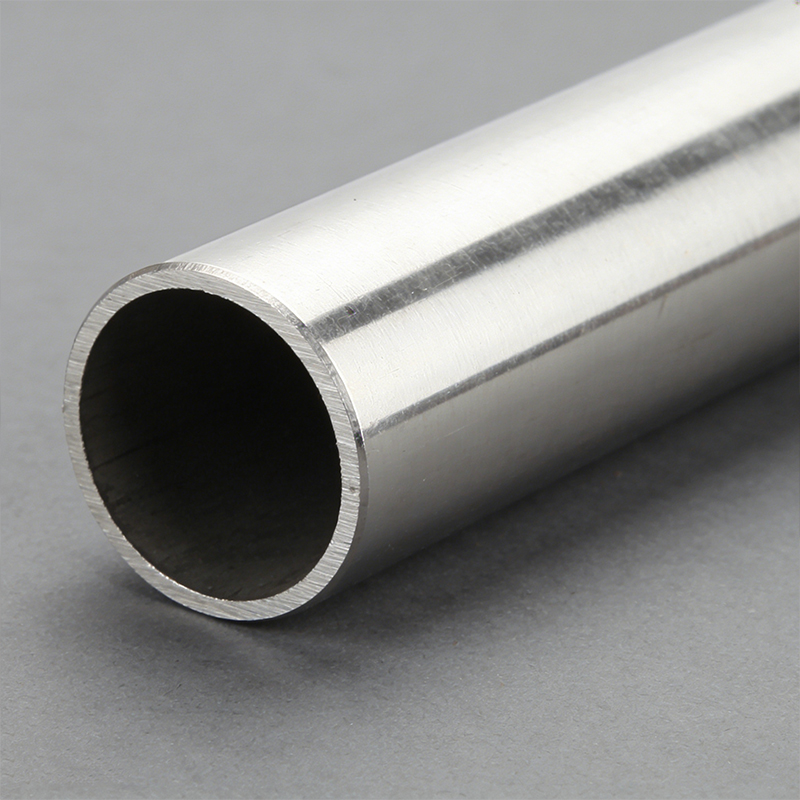
Cupro nickel pipes are specialized alloy products known for their excellent corrosion resistance, durability, and thermal conductivity. Commonly used in marine, oil and gas, and chemical industries, these pipes demand careful selection based on specifications and quality standards. This article will help B2B buyers understand the specifications of cupro nickel pipes, evaluate manufacturing quality, find reliable suppliers, address installation challenges, and compare these pipes with other alloy materials. 
Our Products

Understanding Cupro Nickel Pipe Specifications for Optimal Selection

When selecting cupro nickel pipes, several specifications must be considered to ensure they meet application requirements. Key specifications include the alloy composition, which typically includes copper and nickel in varying ratios, affecting corrosion resistance and mechanical properties. For instance, a common alloy is 90/10 cupro nickel, which offers good resistance to seawater corrosion, making it suitable for marine applications. 

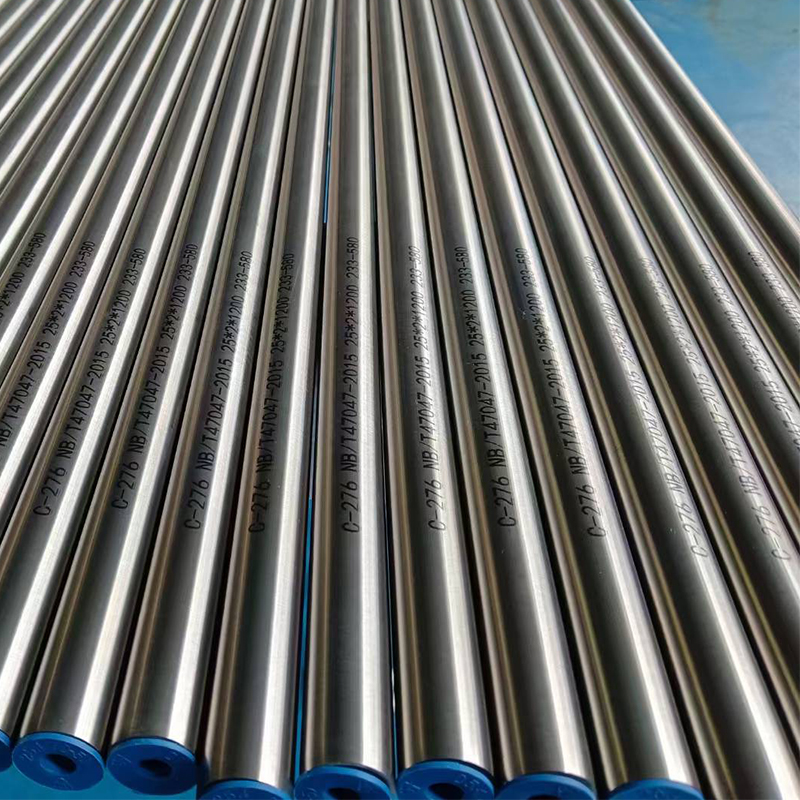
The pipe dimensions, such as diameter and wall thickness, are also critical. These dimensions should align with industry standards, such as ASTM or ASME, to ensure compatibility with existing systems. Additionally, the pipe's pressure rating, often classified under schedules (e. g., Schedule 40 or Schedule 80), dictates its ability to withstand internal pressure without failure. 

Buyers should also consider the surface finish of the pipes. A smooth finish can enhance flow and reduce wear, while a rough finish might be more suitable for particular applications. When requesting quotes, provide detailed specifications, including expected service conditions, to help suppliers offer the most suitable products. 

Get a Free Quote

Our representative will contact you soon.
Email
Mobile
Name
Company Name
Message
0/1000

Related product categories

Evaluating Quality Standards in Cupro Nickel Pipe Manufacturing

Quality standards are paramount in the production of cupro nickel pipes. Buyers should look for manufacturers certified by recognized quality management systems like ISO 9001 and industry-specific standards like AS9100 for aerospace applications. These certifications indicate a commitment to quality and consistent manufacturing practices. 

A robust quality control process should involve testing at multiple stages of production, including raw material inspection, in-process checks, and final product verification.  Common tests include hydrostatic testing to assess pressure integrity and non-destructive testing (NDT) methods, such as ultrasonic testing, to detect internal flaws. 

Furthermore, buyers should inquire about material traceability. This ensures that the raw materials used in manufacturing are documented and can be traced back to their source, which is crucial for applications in critical industries such as nuclear power or aerospace. 

Where to Source Reliable Suppliers for Cupro Nickel Pipe

Sourcing reliable suppliers for cupro nickel pipes can significantly impact the quality and performance of the final products. Start by looking for manufacturers with a proven track record in alloy materials, particularly those specializing in nickel alloys. Certifications such as PED (Pressure Equipment Directive) and API (American Petroleum Institute) can serve as indicators of a supplier’s capability to meet stringent quality standards. 

Attend industry trade shows and conferences to network with potential suppliers and gain firsthand insights into their manufacturing capabilities. Online platforms, such as industry-specific directories and forums, can also provide valuable reviews and ratings of suppliers. 

Requesting samples before committing to bulk orders is advisable. This allows buyers to assess the quality of the pipes, including their dimensions, finish, and overall performance under operating conditions. Establishing a relationship with suppliers who are open to customization can also be beneficial for meeting specific application requirements. 

Common Installation Challenges with Cupro Nickel Pipe and Solutions

Installing cupro nickel pipes presents several challenges that can affect performance and longevity. One common issue is the compatibility of joining methods. For optimal results, it’s crucial to select the appropriate welding technique, such as TIG (Tungsten Inert Gas) welding, which is often recommended for nickel alloys due to its ability to produce strong, clean joints. 

Another challenge is ensuring proper alignment during the installation process. Misalignment can lead to stress points that may cause leaks or pipe failure. Utilizing alignment tools and fixtures during installation can mitigate this risk. 

Additionally, the potential for galvanic corrosion when mixing different metals must be addressed. To avoid this, ensure that all components in the piping system are compatible or use insulating fittings to separate dissimilar metals. 

Lastly, proper handling and storage of cupro nickel pipes before installation are critical. Avoid exposing them to harsh environments or contaminants that could compromise their integrity.  

Comparing Cupro Nickel Pipe with Other Alloy Materials for Durability

When evaluating materials for piping solutions, it’s essential to compare cupro nickel pipes with other alloy options, such as stainless steel and carbon steel. Cupro nickel offers superior corrosion resistance, particularly in saline environments, making it a preferred choice for marine applications. In contrast, stainless steel, while also corrosion-resistant, can be more susceptible to pitting in certain conditions. 

Durability is another critical factor. Cupro nickel's unique properties provide excellent resistance to stress corrosion cracking and erosion, thereby extending the lifespan of the piping system in harsh environments. While carbon steel may be more cost-effective initially, its susceptibility to rust and the need for protective coatings can lead to higher long-term maintenance costs. 

Ultimately, the choice between these materials should be based on the specific application requirements, including environmental conditions, expected lifespan, and budget constraints. Buyers should also consider the total cost of ownership, factoring in installation, maintenance, and potential downtime when making decisions. 

By understanding these aspects of cupro nickel pipes, B2B buyers can make informed decisions that align with their operational needs and industry standards.