 EN

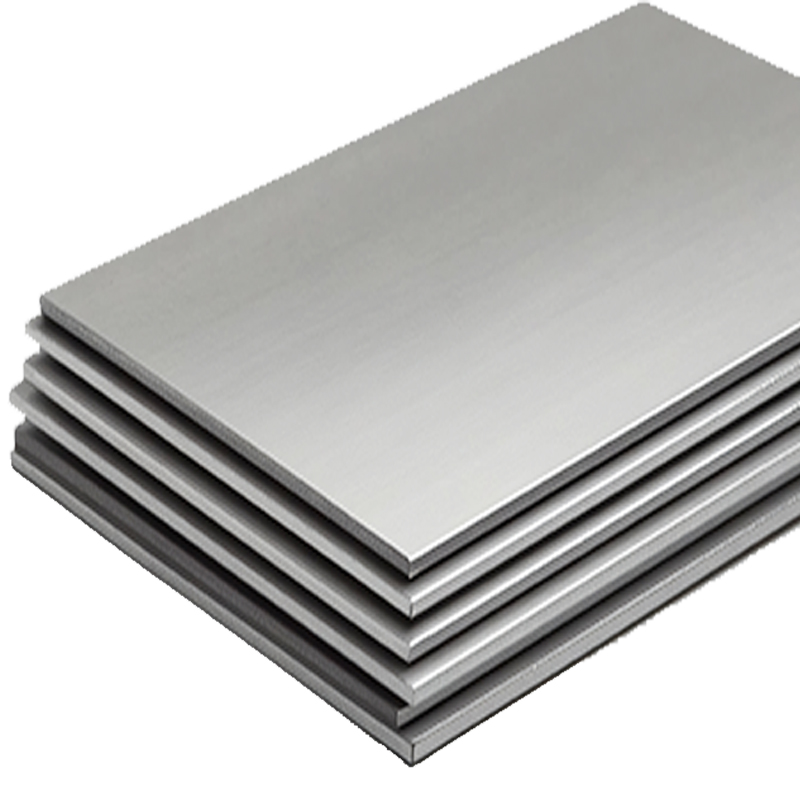
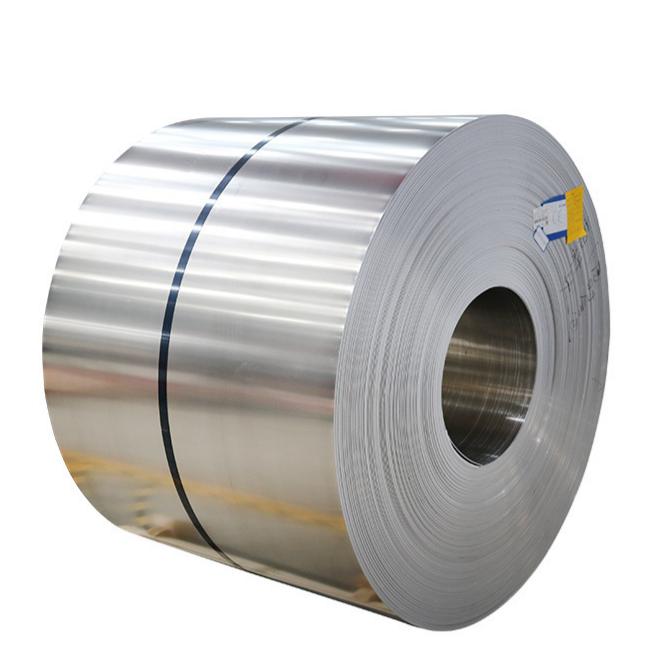
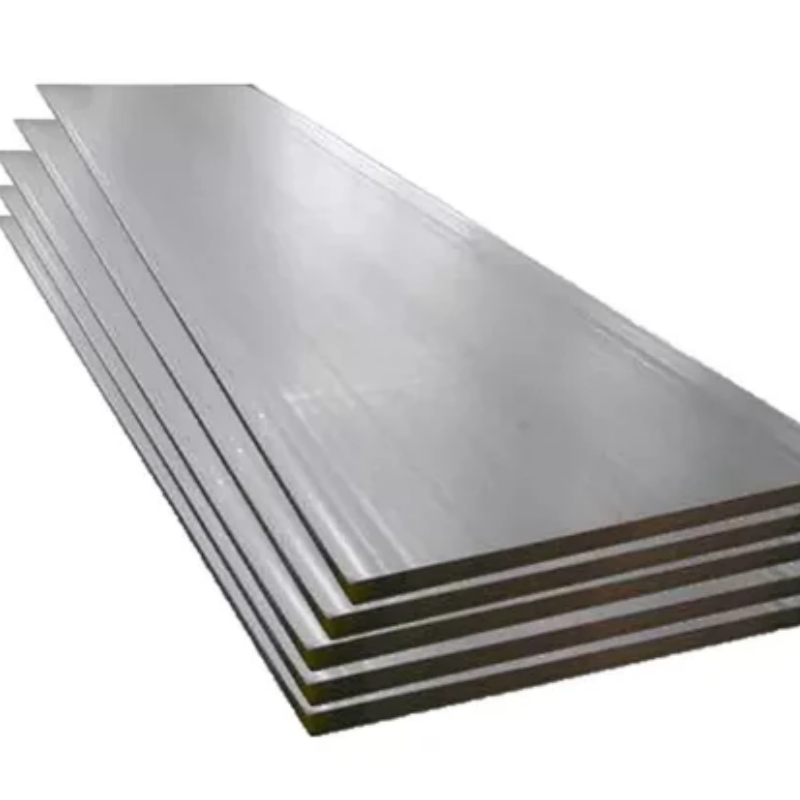
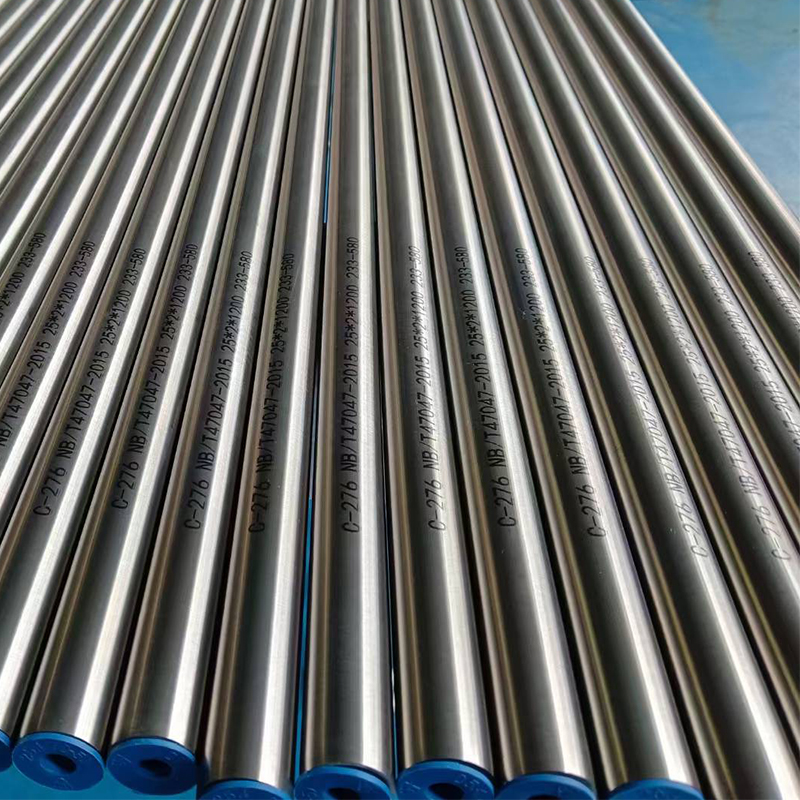
When sourcing nickel base alloys, decision-makers must consider various factors to ensure they select the right materials for their specific applications. Nickel base alloys are known for their exceptional resistance to corrosion and high-temperature stability, making them invaluable in industries such as aerospace, petroleum, and nuclear power. This article addresses the key considerations for purchasing these nickel based superalloys alloys, including supplier reliability, cost factors, applications, and potential challenges, equipping B2B buyers with the knowledge needed for informed decision-making.
How to Evaluate the Reliability of Your Nickel Base Supplier
Evaluating a nickel base alloy supplier's reliability involves examining several key aspects. Start by reviewing their certifications and quality management systems. Certifications like ISO9001 indicate a commitment to quality and consistent manufacturing practices. Additionally, the presence of industry-specific certifications, such as AS9100 for aerospace, adds credibility. Next, assess the supplier's production capabilities. A supplier who can manage all aspects of production, from alloy development to forging and finishing, is often more reliable. This integrated approach can lead to better quality control and fewer delays in delivery. Furthermore, consider the supplier’s experience in your specific industry. A supplier with a proven track record in aerospace or energy markets will likely have a better understanding of the stringent requirements and challenges associated with those applications. Testimonials, case studies, and customer references can provide insight into their reliability and service quality.