Choosing Reliable Suppliers for Nickel Alloy Materials

All Categories
Get a Quote

Get a Free Quote

Our representative will contact you soon.
Email
Mobile
Name
Company Name
Message
0/1000

Ni based alloy

Nickel-based alloys are critical materials in various high-performance applications, particularly in industries such as aerospace, energy, and petrochemicals. These alloys offer exceptional properties, including corrosion resistance, high-temperature stability, and strength. For B2B buyers, understanding the nuances of selecting the right nickel alloy supplier, evaluating costs, and identifying suitable applications is essential. We will guide you through the key considerations for sourcing nickel-based alloys effectively. 

Our Products

How to Choose Reliable Suppliers for Nickel Alloy Materials

Selecting a reliable supplier for nickel based alloy involves thorough evaluation across multiple dimensions. Start by assessing the supplier's manufacturing capabilities, including their production processes and equipment. A supplier like Jiangsu Boyue Alloy Materials Co., Ltd., which has a complete production chain from smelting to forging, can ensure quality control at every stage. 

Next, verify the supplier's certifications, such as ISO9001 and AS9100, which indicate adherence to international quality standards. It is also beneficial to inquire about their experience in your specific industry whether it's aerospace, nuclear power, or new energy as this can significantly influence their understanding of your unique requirements. 

Additionally, consider the supplier's customization capabilities. The ability to tailor products to specific dimensions and material compositions can be crucial for applications that demand precise specifications. Lastly, check the supplier's lead times and delivery reliability, as these factors can impact your production schedules. 

Get a Free Quote

Our representative will contact you soon.
Email
Mobile
Name
Company Name
Message
0/1000

Related product categories

What to Look For

When evaluating suppliers for nickel alloys, focus on several key aspects: 

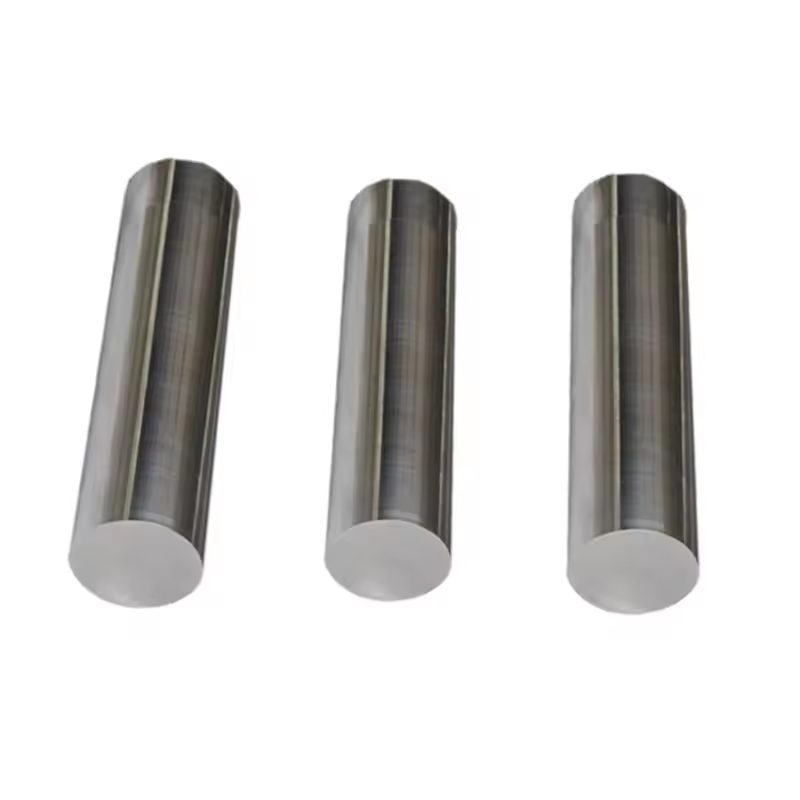
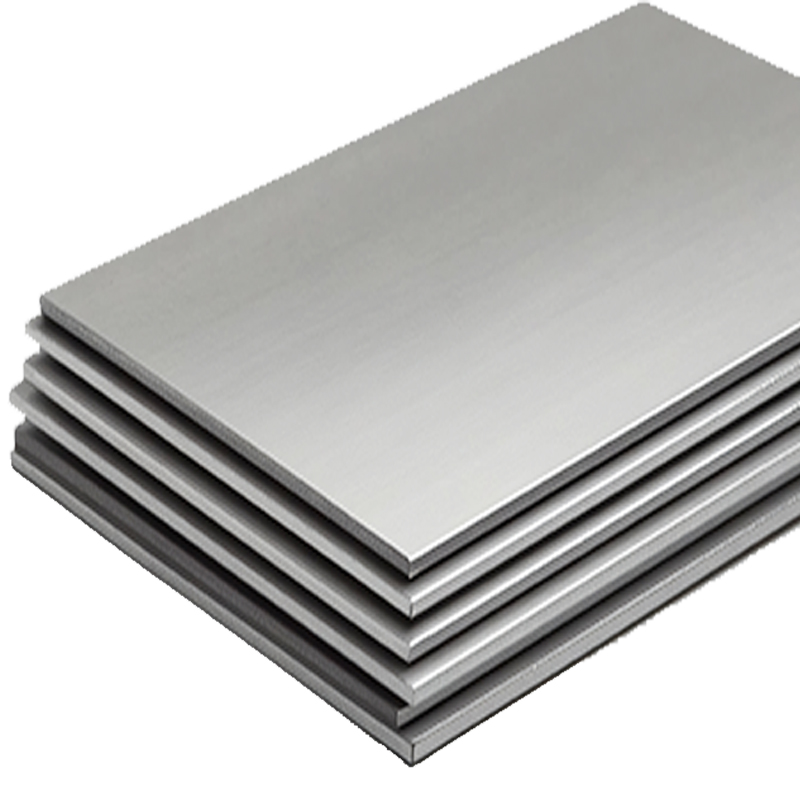
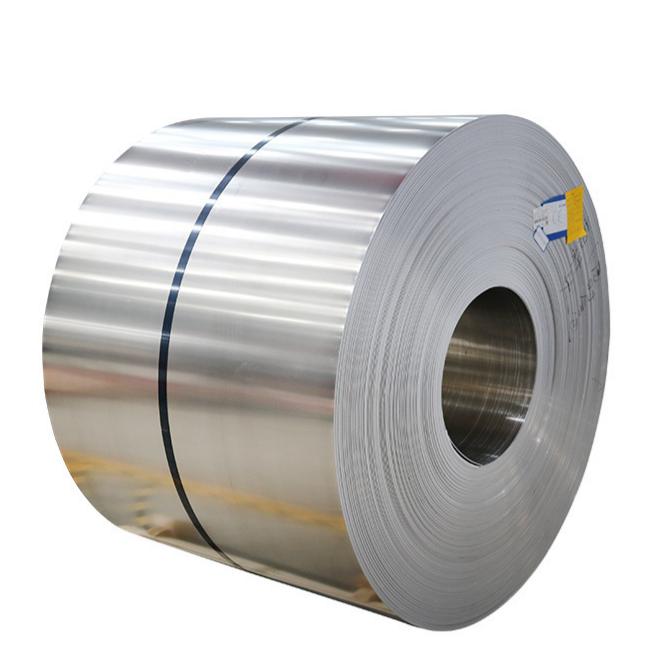
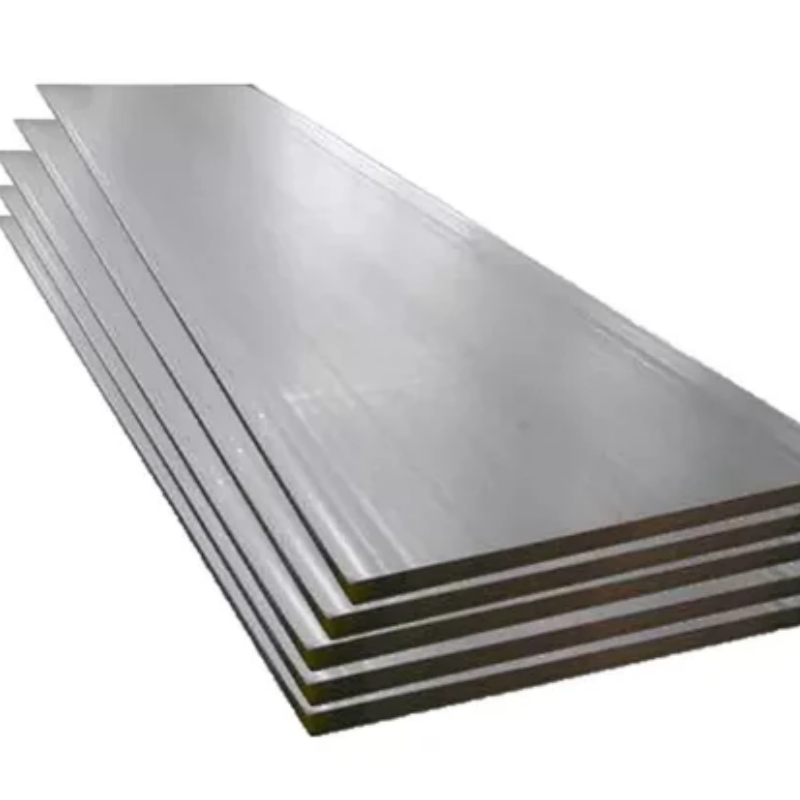
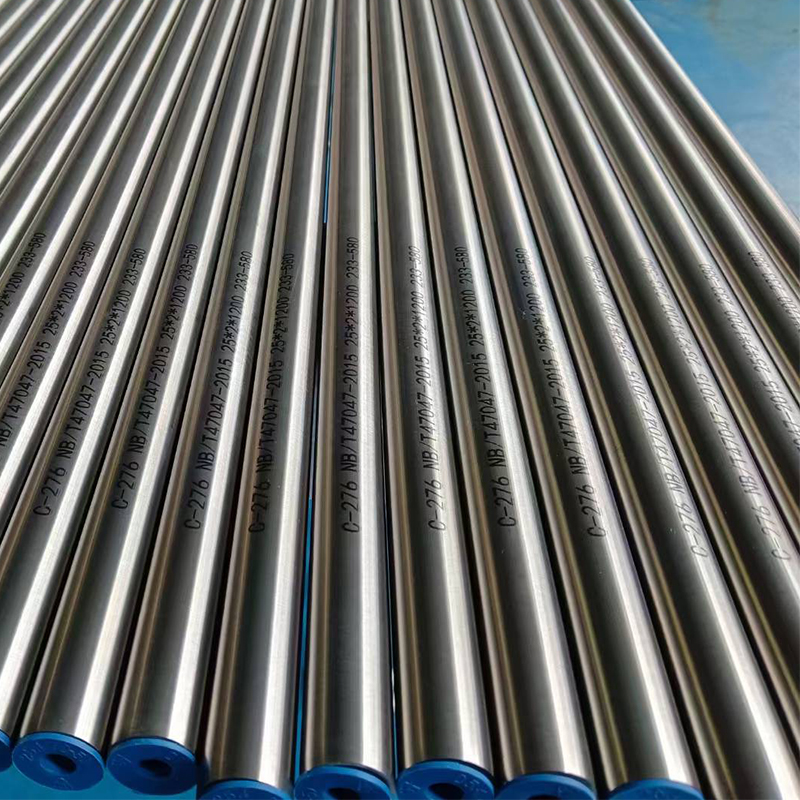
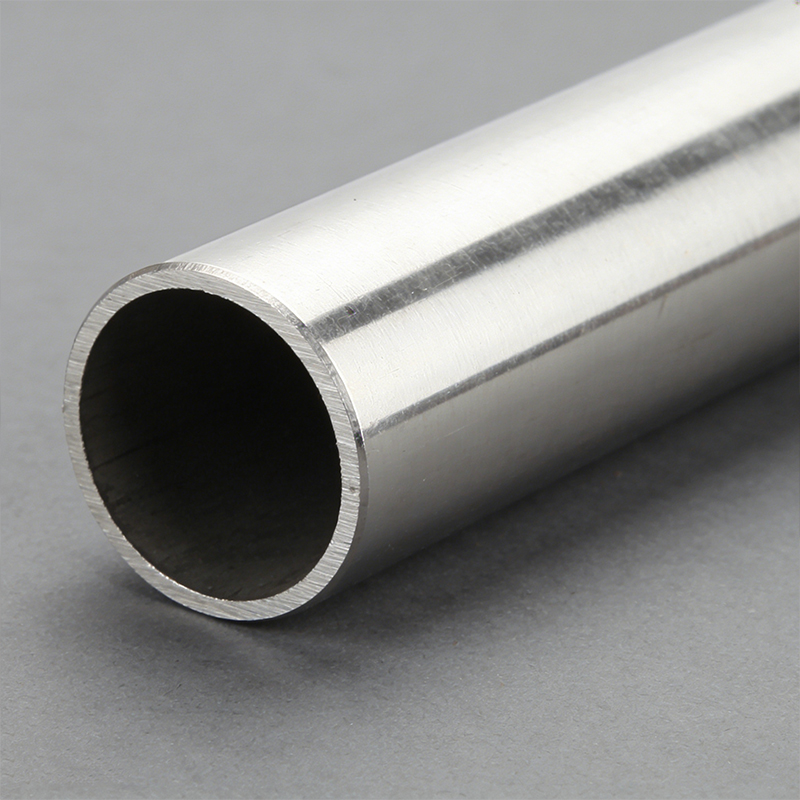
Material Specifications: Confirm the specific alloy grades and their corresponding properties. Nickel alloys are available in various forms, such as pipes, plates, and fasteners, each suited for different applications. 

Quality Control Processes: Inquire about the supplier's quality assurance procedures, including testing methods and inspection processes. A rigorous quality control system ensures that the products meet the required specifications and performance standards. 

Production Capacity: Assess the supplier's ability to fulfill your volume requirements. This includes understanding their minimum order quantities (MOQ), lead times, and how they handle bulk orders. 

Technical Support: A knowledgeable supplier should provide technical assistance, including advice on material selection and application suitability. This can prove invaluable during the decision-making process. 

Previous Client References: Request references or case studies that demonstrate the supplier's track record in similar projects. This can provide insights into their capabilities and reliability. 

Cost Factors in Bulk Purchasing Nickel Alloy Pipes and Plates

Cost considerations for purchasing monel nickel alloy materials in bulk go beyond just the unit price. Here are critical factors that influence the overall cost: 

Raw Material Prices: The cost of nickel and other alloying elements can fluctuate based on market conditions. Staying informed about these trends can help you negotiate better pricing. 

Manufacturing Processes: Different manufacturing techniques, such as forging or casting, can affect production costs. Understanding the implications of each method on the final product can guide your purchasing decisions. 

Customizations: Custom specifications often lead to higher costs. When requesting quotes, clarify your customization needs and understand how they impact pricing. 

Shipping and Handling: Consider transportation costs, especially if you are sourcing from international suppliers. Ensure that the supplier provides transparent shipping options and estimates. 

Quality Assurance Costs: Investing in quality assurance processes can reduce long-term costs associated with product failures or reworks. Ensure that the supplier's quality control measures align with your quality expectations. 

Applications of Nickel-Based Alloys in Aerospace and Energy Sectors

Nickel-based alloys are extensively used in both the aerospace and energy sectors due to their superior performance characteristics. In aerospace applications, these alloys are preferred for components that must withstand extreme temperatures and corrosive environments, such as turbine blades, exhaust systems, and fuel systems. Their ability to maintain structural integrity under high-stress conditions is essential for safety and performance. 

In the energy sector, especially in nuclear power and gas turbines, nickel alloys are employed for piping and structural components that must resist heat and corrosion. For example, API-certified nickel alloy pipes are crucial for transporting fluids in high-pressure applications, ensuring reliability and longevity. 

Furthermore, the use of nickel alloys in renewable energy technologies, such as wind turbines and battery systems, is on the rise. Their unique properties enable efficient energy conversion and storage, aligning with the industry's push towards sustainability. 

Comparing Nickel Alloy Options for Wholesale Buyers and Distributors

When comparing nickel alloy options, wholesale buyers and distributors should consider various factors to ensure they select the best materials for their applications: 

Alloy Composition: Different nickel alloys possess unique characteristics based on their chemical composition. For instance, Inconel, Monel, and Hastelloy each have distinct properties that make them suitable for specific environments. Understanding these differences can help you match the right nickel based super alloys to your application. 

Mechanical Properties: Review the mechanical properties such as tensile strength, yield strength, and elongation. These properties will determine how well the alloy performs under stress and strain. 

Corrosion Resistance: Evaluate the corrosion resistance of different alloys, particularly if they will be exposed to harsh environments. This is crucial for applications in chemical processing, marine, and oil and gas industries. 

Form and Finish: Nickel alloys come in various forms, including finished and semi-finished products. Consider whether you need ready-to-use components or if further processing will be required. 

Supplier Capabilities: Assess the supplier's ability to provide consistent quality and supply chain reliability. A supplier's track record in delivering similar materials can influence your decision-making process. 

By carefully considering these factors, buyers can make informed decisions that align with their operational needs and application requirements.