Incoloy 800H: Quality Evaluation and Sourcing Tips

All Categories
Get a Quote

Get a Free Quote

Our representative will contact you soon.
Email
Mobile
Name
Company Name
Message
0/1000

Incoloy 800H

Incoloy 800H is a high-performance nickel-iron-chromium alloy known for its excellent oxidation and carburization resistance at elevated temperatures. This article will address common concerns of B2B buyers in industries such as aerospace, petroleum, and energy about sourcing this alloy. With a focus on practical guidance, we’ll explore the nuances of evaluating quality, sourcing reliable suppliers, comparing Incoloy 800H with other nickel alloys, its specific applications, and installation guidance.
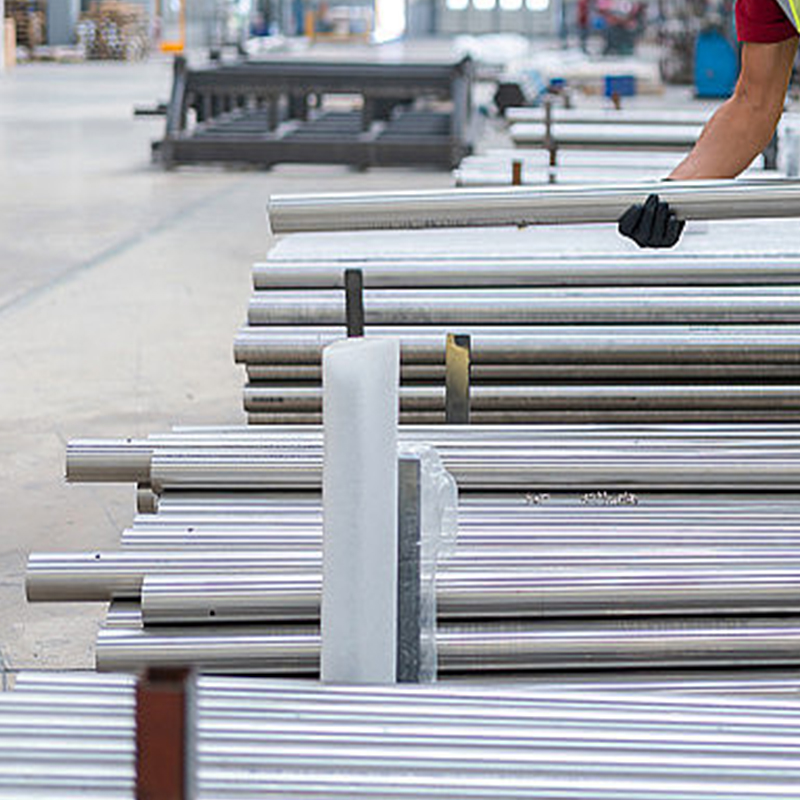
Our Products

How to Evaluate the Quality of Incoloy 800H Products

When assessing the quality of Incoloy 800H products, several key specifications should be considered. First, check the chemical composition, which should typically include around 32% nickel, 21% chromium, and 1.5% titanium. This composition contributes to the alloy’s high resistance to oxidation and excellent structural stability at high temperatures. Buyers should also verify the mechanical properties, such as tensile strength and yield strength, which indicate how the material will perform under stress. 

Another critical factor is the manufacturing process. Look for suppliers with robust quality control systems and certifications like ISO9001 or AS9100. These certifications demonstrate adherence to industry standards and best practices. Additionally, requesting mill test reports (MTRs) can provide insights into the alloy's compliance with specific standards, ensuring the material is fit for your application. 

Buyers should also consider the surface finish of Incoloy 800H products. A proper surface treatment can enhance corrosion resistance, which is especially important in harsh operating environments. Conducting inspections or requesting samples before mass production can help confirm the quality of the final products. 

Get a Free Quote

Our representative will contact you soon.
Email
Mobile
Name
Company Name
Message
0/1000

Related product categories

Where to Source Reliable Suppliers for Incoloy 800H Alloys

Where to Source Reliable Suppliers for Incoloy 800H Alloys

Sourcing reliable suppliers for Incoloy 800H alloys involves evaluating multiple factors. Start by identifying manufacturers with a proven track record in producing nickel alloys. Industry certifications, such as PED and API, can indicate a supplier’s commitment to quality and compliance with international standards. 

Furthermore, consider suppliers that offer a complete production chain, from smelting to forging. This capability allows for better quality control and customization options. Jiangsu Boyue Alloy Materials Co., Ltd., for instance, engages in alloy material R&D and boasts a complete production chain, which can be beneficial for buyers seeking tailored solutions for specific projects. 

Networking within industry-specific forums, attending trade shows, and consulting with industry peers can also yield valuable supplier recommendations. Look for suppliers that provide transparent communication and are willing to share technical specifications, lead times, and pricing upfront. Establishing a good relationship with potential suppliers can also facilitate smoother transactions down the line. 

Comparing Incoloy 800H with Other Nickel Alloys for Projects

Incoloy 800H stands out among nickel alloys due to its unique combination of properties. When compared to other alloys, such as Inconel 600 or Monel 400, Incoloy 800H offers superior resistance to high-temperature oxidation and carburization. This makes it particularly suitable for applications in the petrochemical and nuclear industries, where materials are often subjected to extreme environments. 

For projects requiring high strength at elevated temperatures, Incoloy 800H is often preferred over Inconel 600 due to its higher creep resistance. However, buyers should also weigh factors such as cost, availability, and specific application requirements when making a comparison. 

Understanding the environmental conditions of your application is crucial. For example, if the environment is more chemically aggressive, alternatives like Inconel 625 may be more suitable, while Incoloy 800HT may be ideal for high-temperature service in less corrosive environments. Consulting with a knowledgeable supplier can help clarify these distinctions and guide the selection process. 

Applications of Incoloy 800H in Aerospace and Energy Industries

Incoloy 800H is widely used in both aerospace and energy industries due to its excellent high-temperature strength and corrosion resistance. In the aerospace sector, it is often found in components such as exhaust systems and gas turbine parts, where materials must withstand high temperatures and oxidizing environments. 

In the energy industry, particularly in nuclear power and petrochemical sectors, Incoloy 800H is utilized in heat exchangers, reactors, and pressure vessels. Its ability to maintain structural integrity under high stress and temperature conditions makes it a preferred choice for critical applications. 

When considering Incoloy 800H for these applications, buyers should ensure that the material meets specific industry standards and regulations. It’s advisable to work closely with suppliers who understand the particular requirements of these industries and can provide tailored solutions. 

Installation Guidance for Incoloy 800H Components and Materials

When installing Incoloy 800H components, it is essential to follow specific guidelines to ensure optimal performance and longevity. Begin by ensuring that all surfaces are clean and free from contaminants, as impurities can lead to corrosion or failure at the joint interfaces. 

It’s also crucial to consider thermal expansion during installation. High-temp alloy 800H has a coefficient of thermal expansion that differs from carbon steel, so allowances for expansion and contraction must be made to prevent stress concentrations that could lead to cracking or deformation. 

When welding Incoloy 800H, use appropriate filler materials and techniques. Preheat the material before welding to minimize the risk of cracking, and follow the recommended post-weld heat treatment to relieve any residual stresses. Buyers should consult with the manufacturer or a welding specialist to obtain specific recommendations based on their application requirements. 

By paying close attention to these installation practices, buyers can ensure the reliability and longevity of Incoloy 800H components in their applications. Always refer to manufacturer guidelines and industry best practices during the installation process to mitigate risks associated with improper handling or installation techniques.