 EN

Incoloy 825 is a versatile nickel-iron-chromium alloy known for its excellent resistance to corrosion and high-temperature strength. It is particularly suitable for demanding applications in industries such as aerospace, petroleum, nuclear power, and pressure vessels. For B2B buyers, understanding how to choose the right alloy, its specifications, quality evaluations, cost factors, and potential challenges can significantly impact procurement decisions and project success. This article will provide insights into Boyue Incoloy 825 to help professionals make informed purchasing decisions.
Key Specifications of Incoloy 825 for Wholesale Buyers
Wholesale buyers should focus on several key specifications when sourcing Incoloy 825. The following parameters are crucial:
Chemical Composition: Incoloy 825 is primarily composed of nickel (38-46%), chromium (19.5-23.5%), and iron (balance), along with smaller amounts of molybdenum, copper, and titanium. Understanding this composition helps buyers determine the alloy's suitability for specific environments.
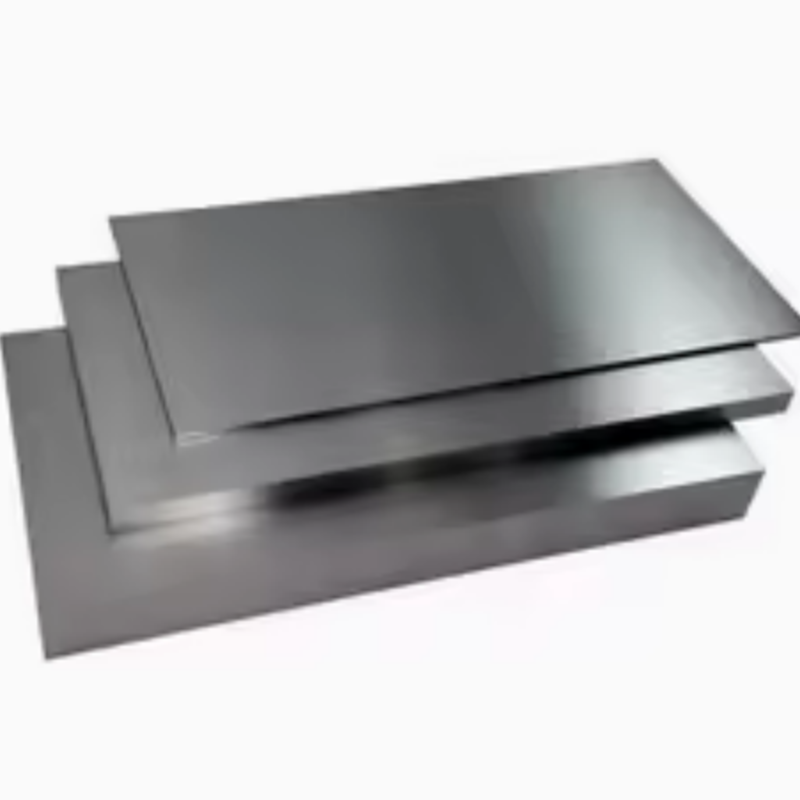
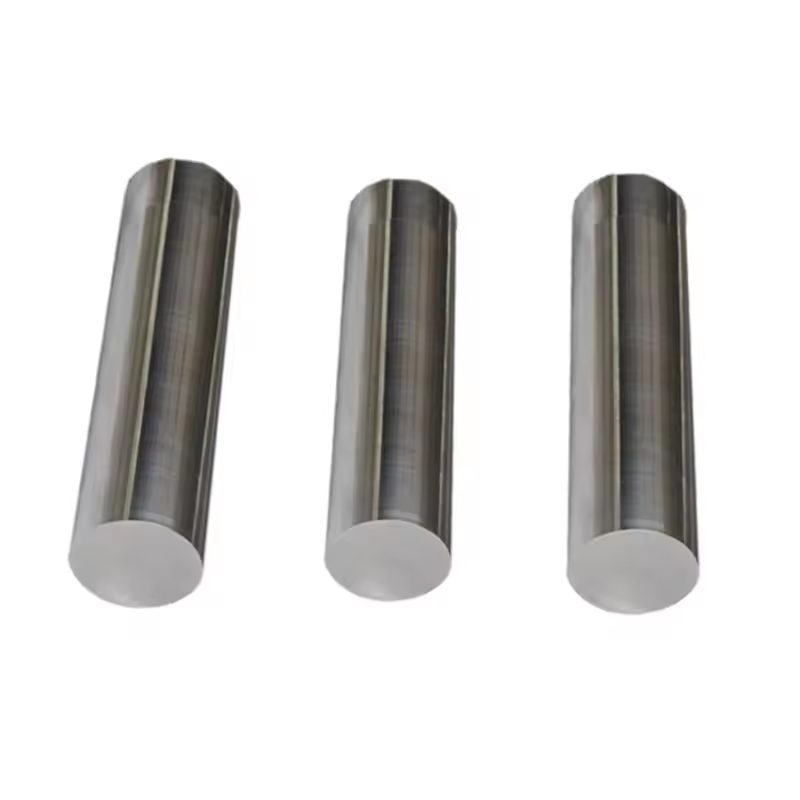
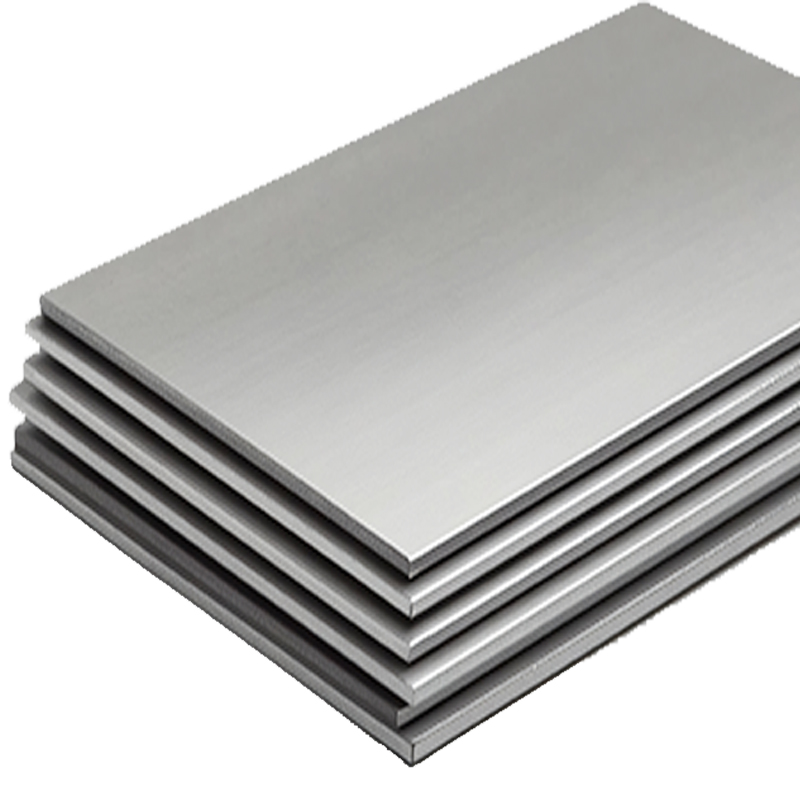
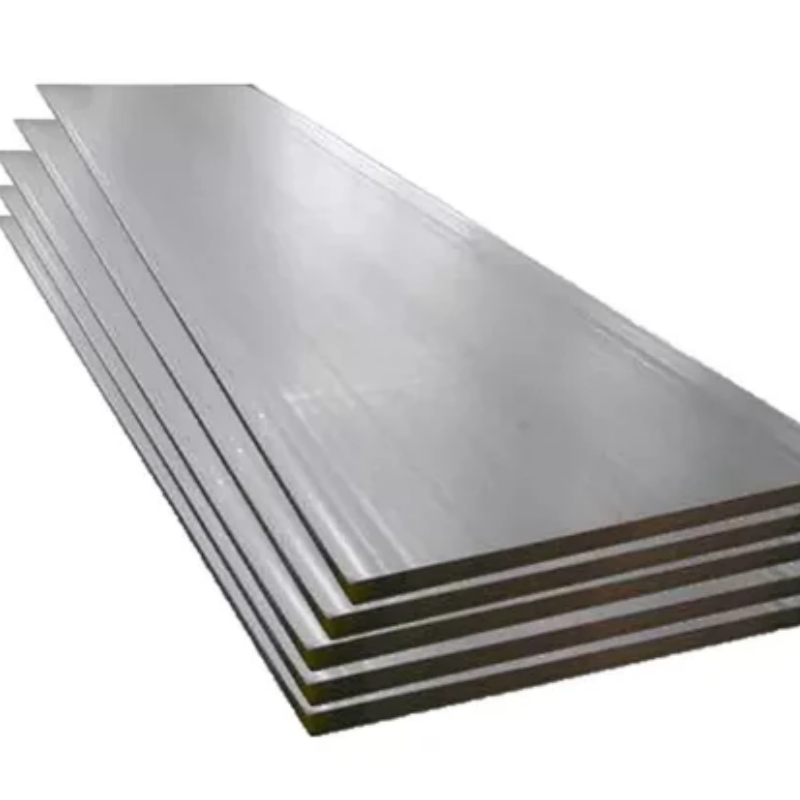
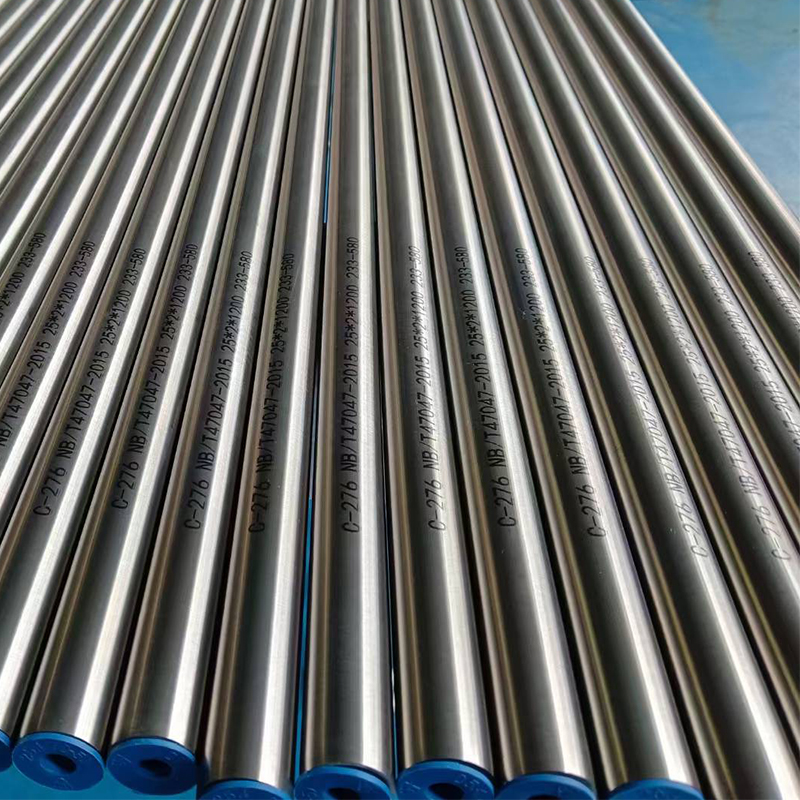
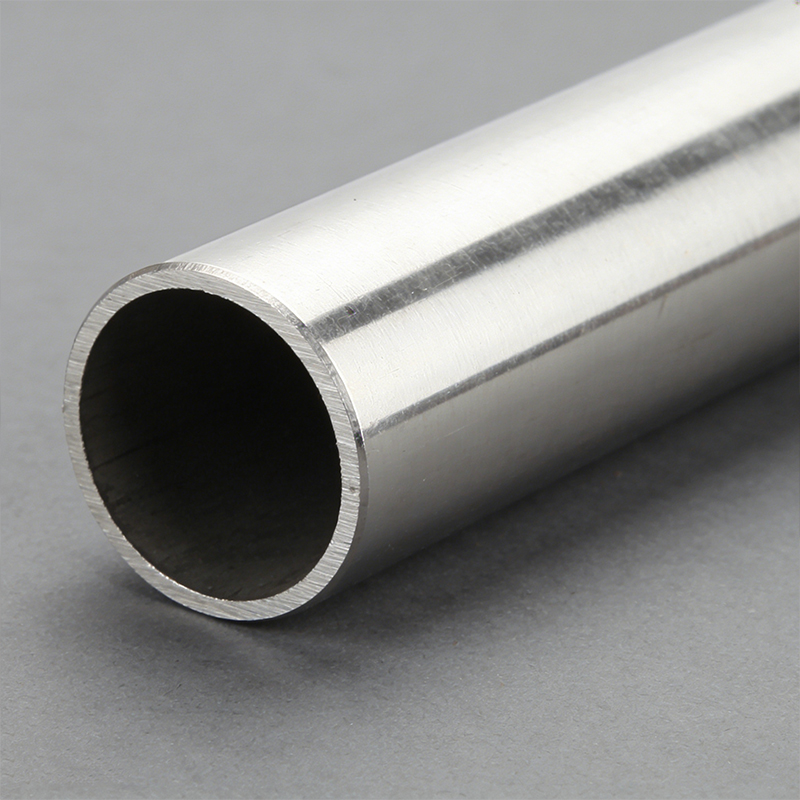
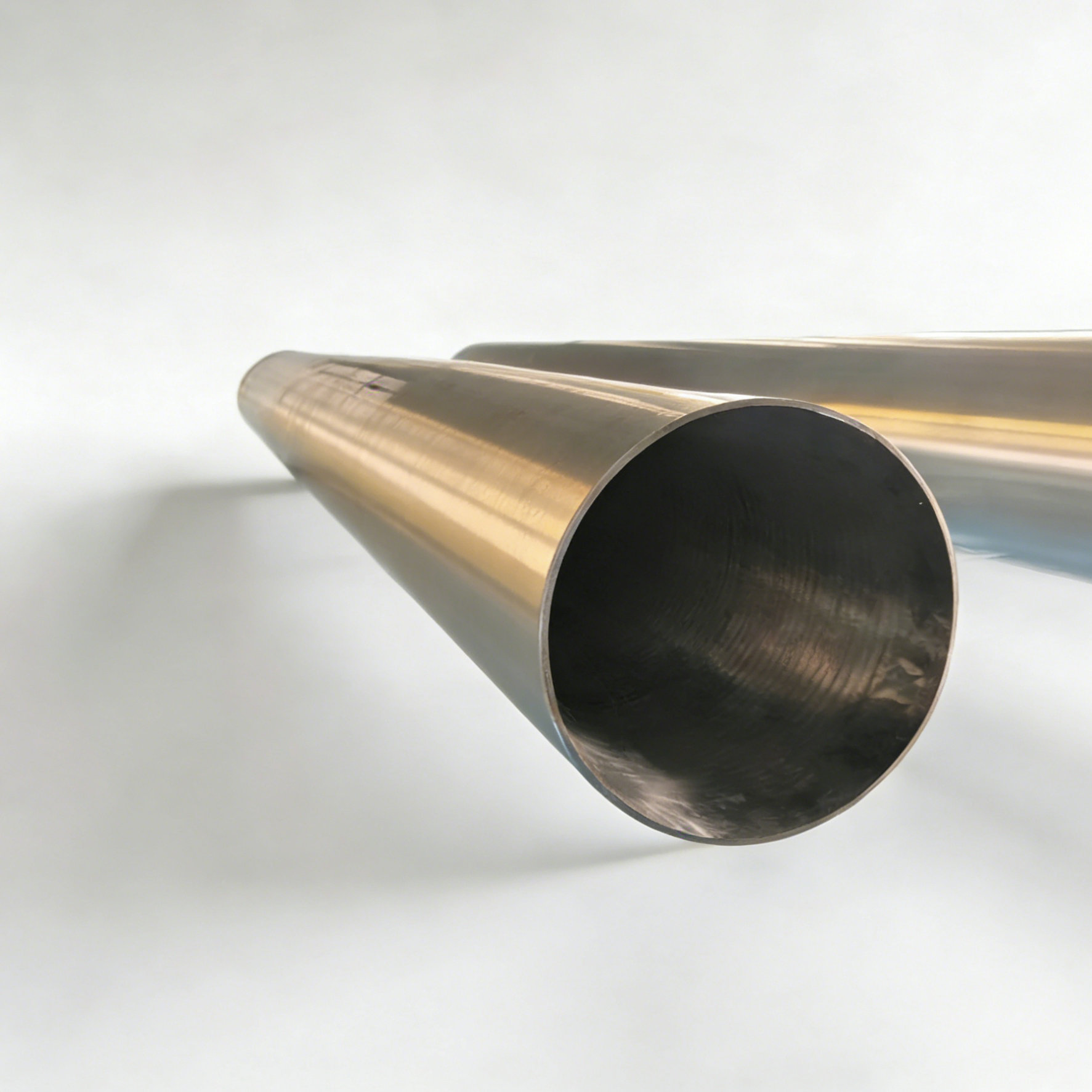
Physical Properties: Standard dimensions for Incoloy 825 pipes and plates vary based on application needs, but common sizes range from 1/2 inch to 12 inches in diameter for pipes and various thicknesses for plates.
Mechanical Properties: Key mechanical properties include a yield strength of approximately 30 ksi (207 MPa) and a tensile strength of around 80 ksi (552 MPa). Buyers should confirm these values based on the relevant standards and testing methods.
Standards and Certifications: Ensure the alloy meets relevant industry standards such as ASTM B424, ASTM B425, and is compliant with ISO9001 and other certifications. This compliance ensures that the materials are suitable for critical applications in aerospace and nuclear industries.
These specifications provide a foundation for evaluating suppliers and ensuring the material meets project requirements.