 EN

High nickel TIG rods are essential materials in various industries, particularly in applications requiring exceptional corrosion resistance and heat resistance. As a B2B buyer, you may be concerned about choosing the correct rod for your welding projects, including factors such as material specifications, quality, and cost-effectiveness. This incoloy alloy article will guide you in selecting the right high nickel TIG rod, understanding key specifications, evaluating quality and cost considerations, identifying common problems, and exploring essential information before making a purchase.
When evaluating high nickel TIG rods
When evaluating high nickel TIG rods, several specifications are critical to ensuring the rod's suitability for your application.
Composition: Pay attention to the nickel content, as higher nickel percentages typically enhance corrosion resistance. For instance, rods with 60% nickel or more can perform exceptionally well in acidic environments.
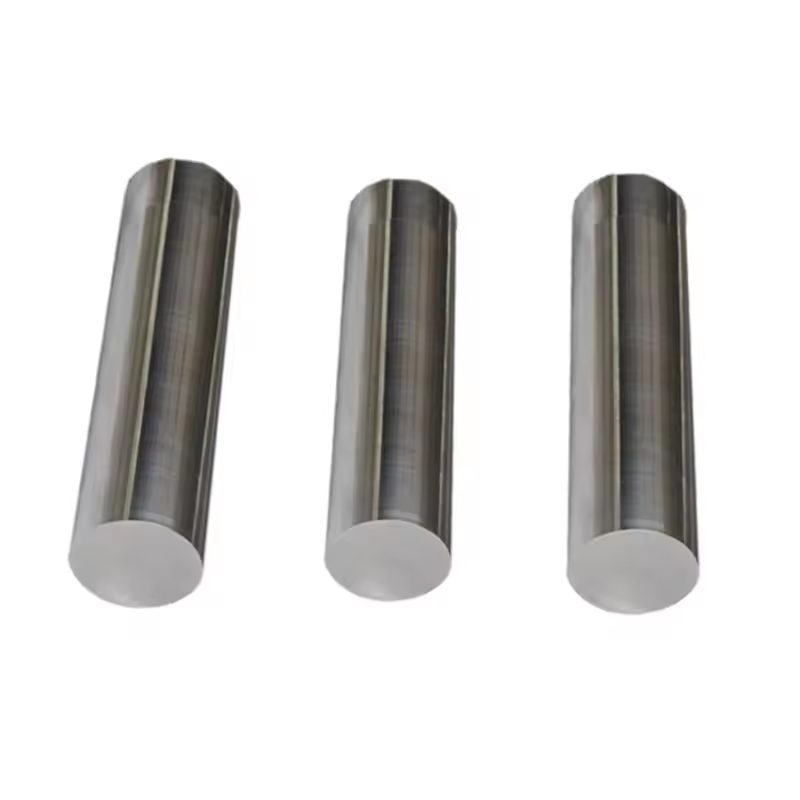
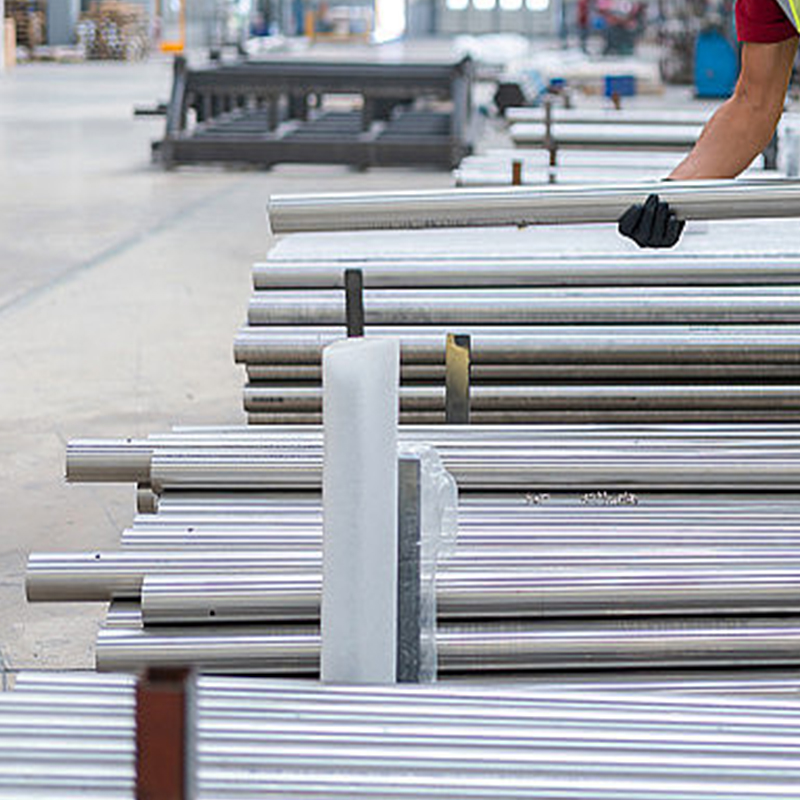
Diameter and Length: The incoloy 825 round bar diameter directly affects the heat input and can influence the ease of handling during welding. Standard diameters range from 1/16” to 1/8”, and the length commonly varies, with 36” being standard for most applications.
Melting Point: High nickel rods typically have a melting point around 2600°F (1425°C). Understanding this can help in determining the appropriate heat settings during welding.
Mechanical Properties: Evaluate yield strength, tensile strength, and elongation, as these factors influence the rod’s performance under stress. Ensure that these properties align with the demands of your specific project.
Certifications: Confirm that the rods meet relevant industry standards such as AWS (American Welding Society) specifications. This ensures that they have been tested for quality and performance.