 EN

When it comes to high-performance welding applications, the Hastelloy C276 welding rod is a popular choice among manufacturers and engineers. This hastelloy c276 pipe nickel-chromium-molybdenum alloy is known for its exceptional corrosion resistance and high-temperature strength, making it suitable for various industries, including aerospace, petroleum, and nuclear power., we will explore key factors that B2B buyers should consider when selecting Hastelloy C276 welding rods, from specifications to sourcing reliable suppliers.
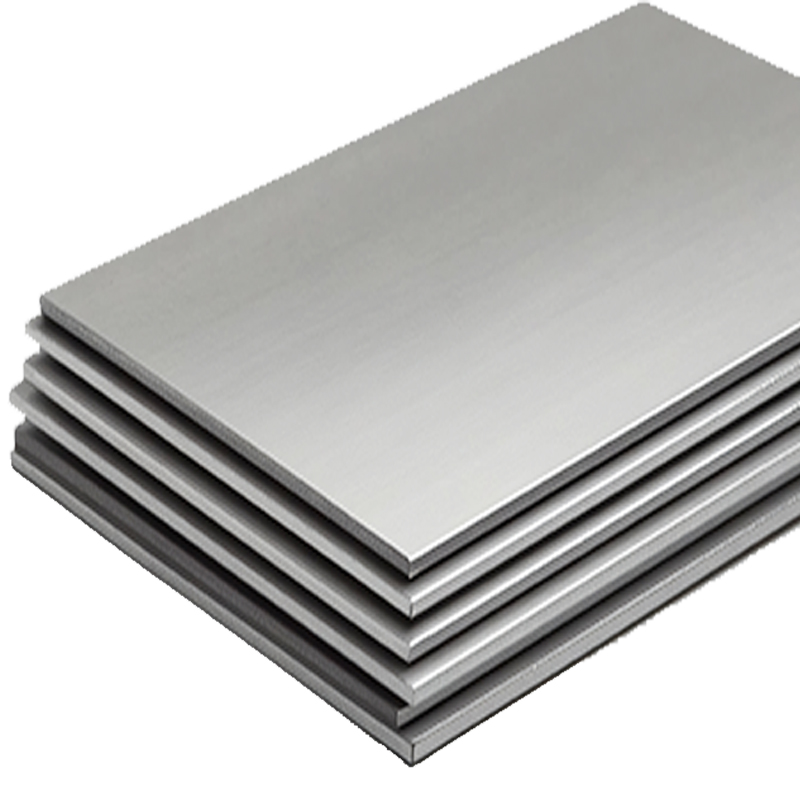
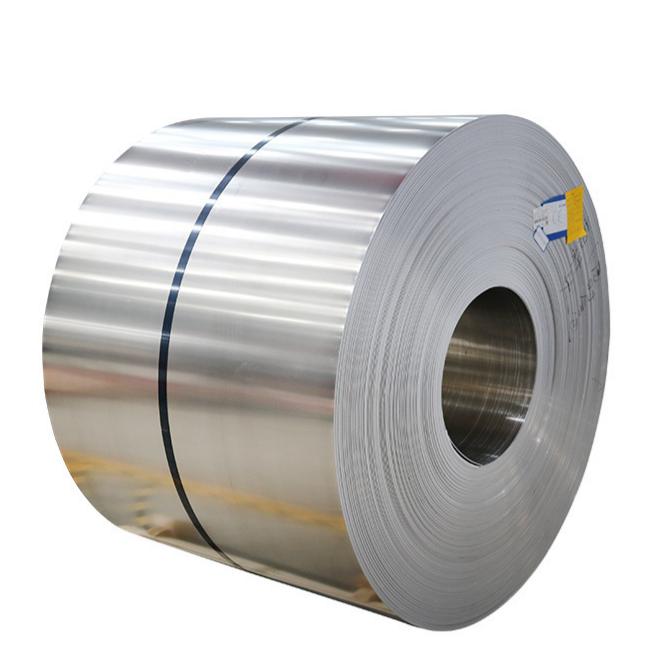
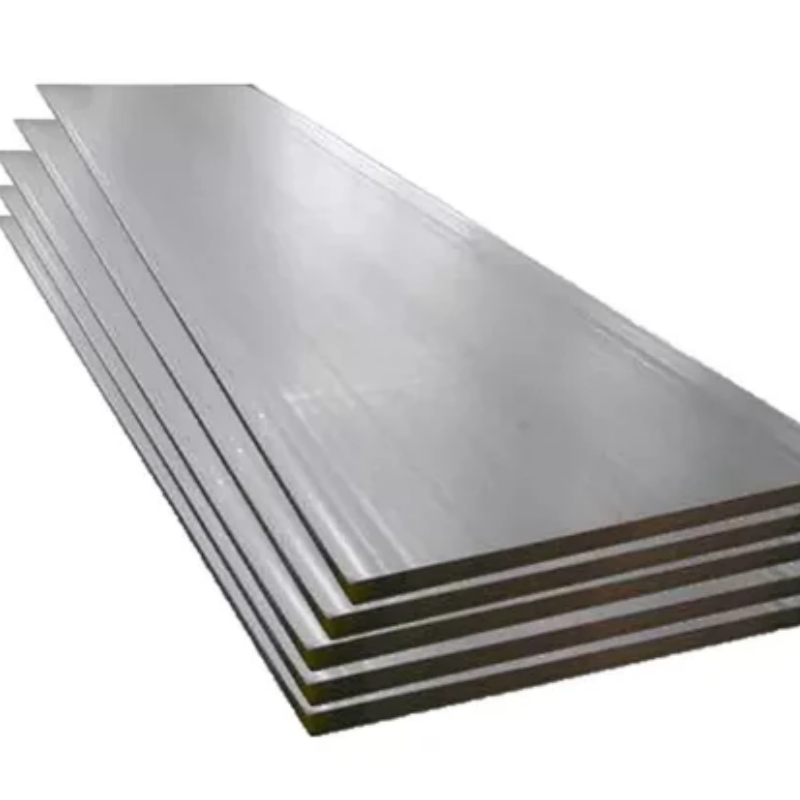
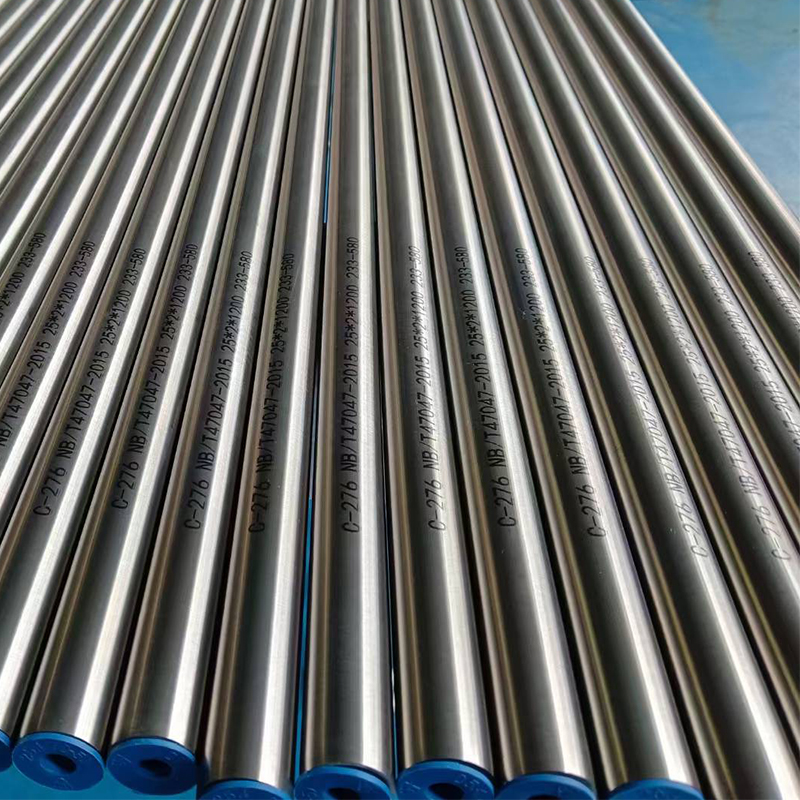
Understanding the specifications of Hastelloy C276 welding rods
Understanding the specifications of Hastelloy C276 welding rods is crucial for ensuring optimal performance. Key specifications include:
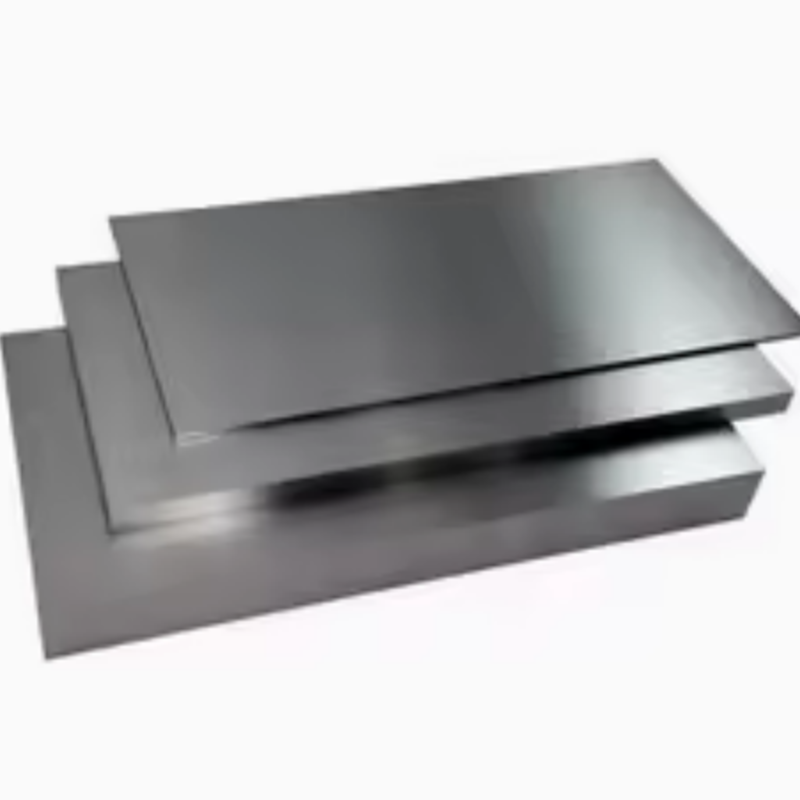
Chemical Composition: Hastelloy C276 typically contains 57% nickel, 16% chromium, and 15% molybdenum, with trace amounts of iron and tungsten. This hastelloy sheet composition provides excellent resistance to localized corrosion and oxidation.
Mechanical Properties: The welding rod should exhibit a yield strength of approximately 30,000 psi and tensile strength around 80,000 psi. Understanding these properties helps ensure that the welded joint can withstand the expected loads and pressures.
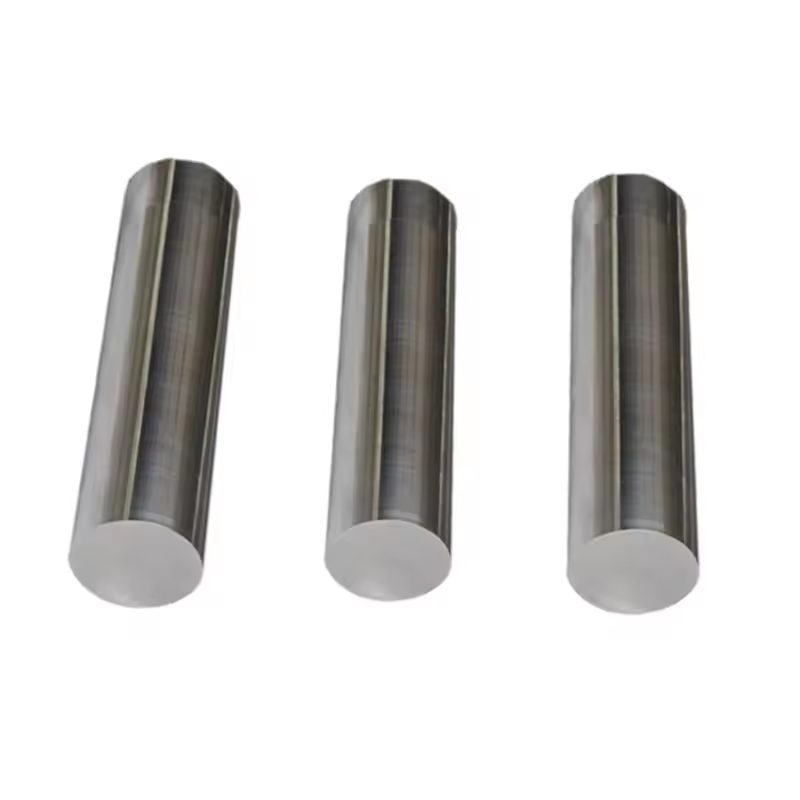
Diameter Options: Available diameters typically range from 1/16 inch to 1/8 inch. The choice of diameter directly affects the welding process and the heat input into the base materials.
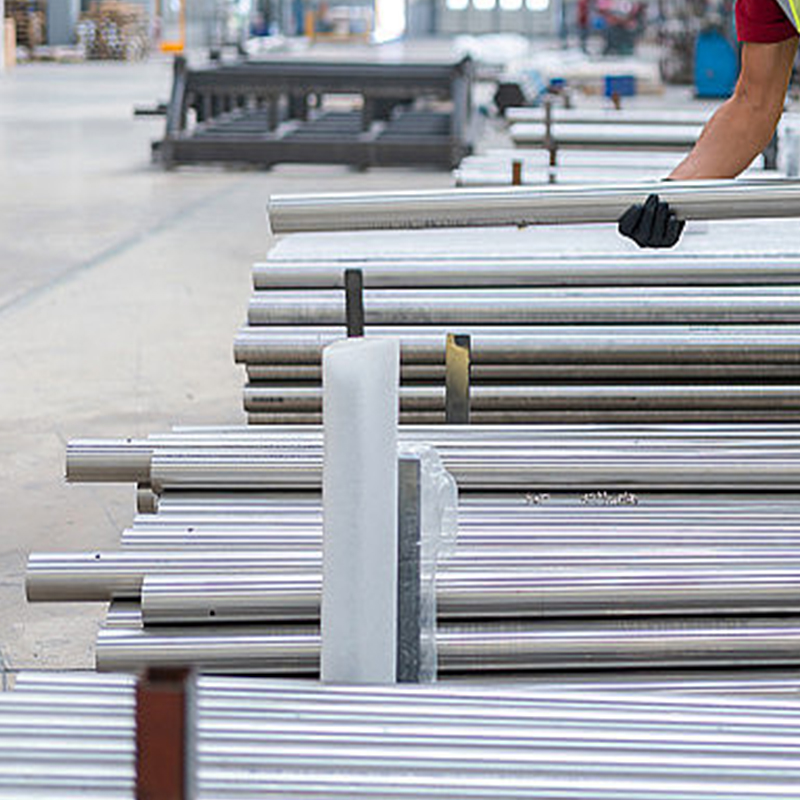
Packaging and Storage: Ensure that the welding rods are packaged in moisture-resistant containers to prevent contamination. Proper handling and storage are vital to maintaining the quality of the rods.