 EN

Hastelloy C276 tubing is a high-performance nickel-chromium-molybdenum alloy designed for use in extreme environments. Its exceptional resistance to corrosion and high temperatures makes it a sought-after choice for industries such as aerospace, petroleum, and nuclear power. For B2B buyers, the primary concerns often revolve around material specifications, application suitability, and cost factors. This article will guide you through the essential considerations for selecting Hastelloy C276 tubing, equipping you with the knowledge necessary to make informed purchasing decisions.
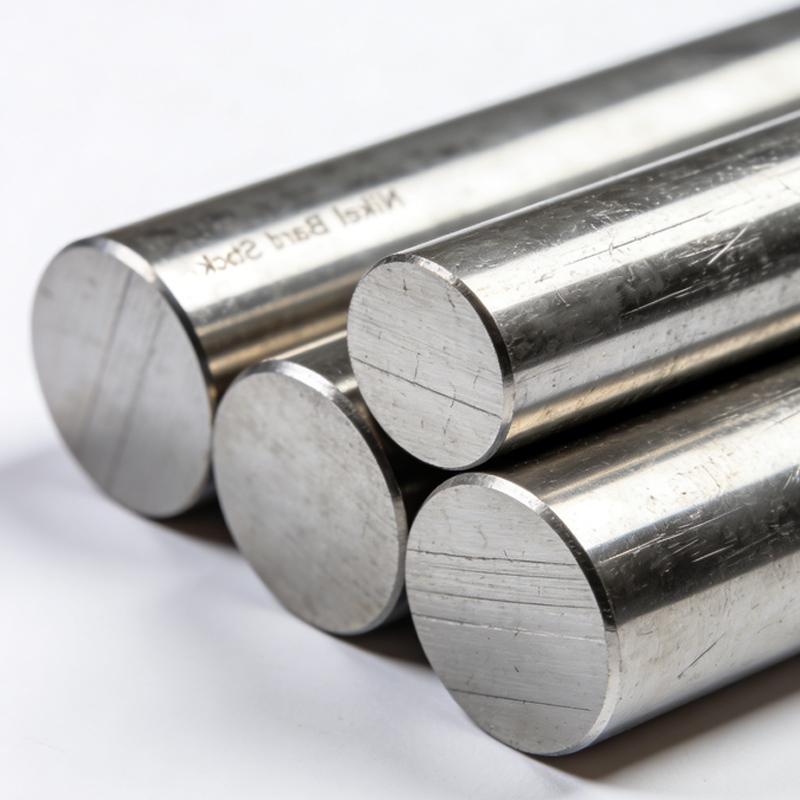
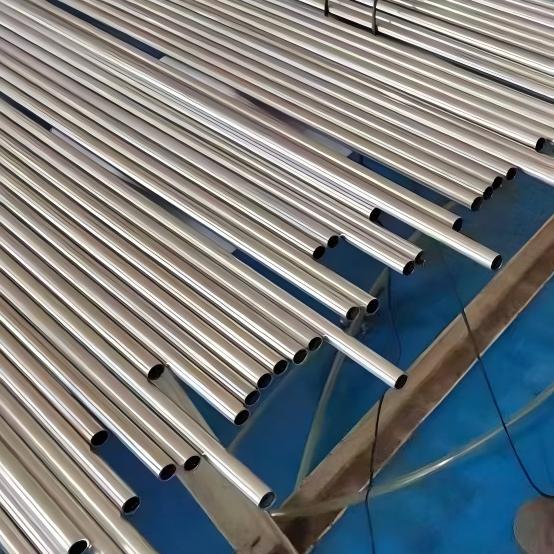
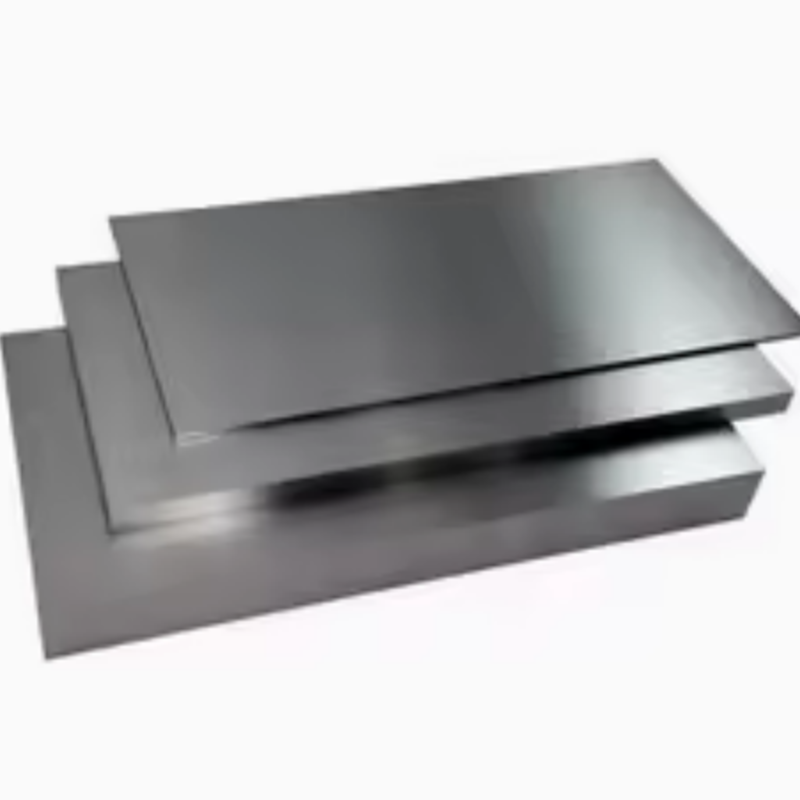
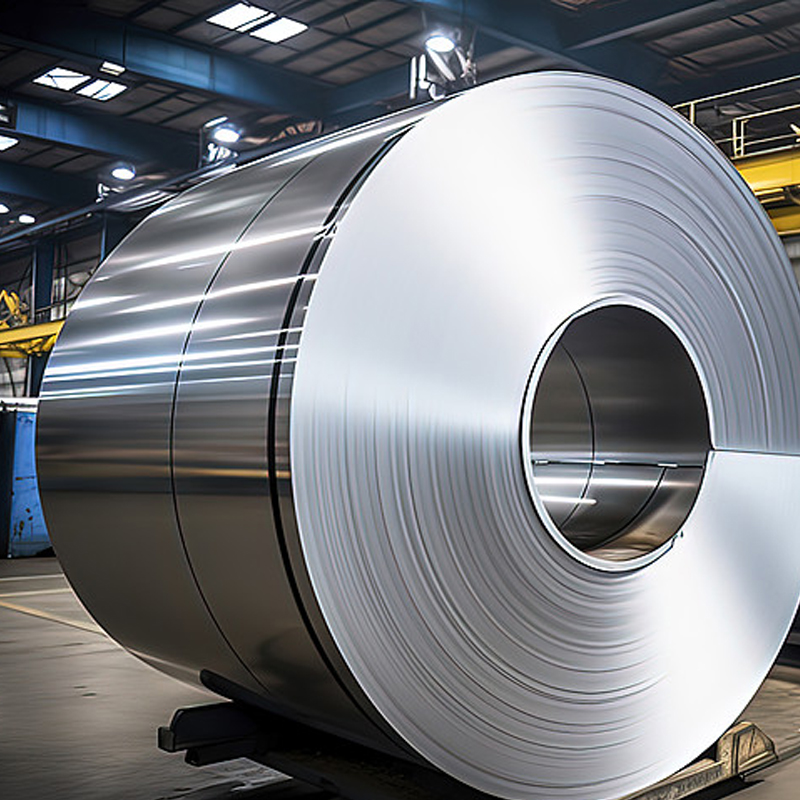
Key Specifications of Hastelloy C276 Tubing for Buyers
When evaluating Boyue Hastelloy C276 tubing, key specifications to consider include:
Chemical Composition: Hastelloy C276 typically contains 57% nickel, 16% chromium, and 15% molybdenum, providing excellent corrosion resistance. Buyers should verify that the alloy composition meets industry standards for their specific applications.
Dimensions: Tubing is available in various diameters and wall thicknesses. Confirm the required dimensions based on the intended application, as these will affect flow rates and pressure drops in piping systems.
Temperature and Pressure Ratings: Determine the maximum operating temperature and pressure for your application. Hastelloy C276 excels in high-temperature environments but verify these limits against your project specifications.
Surface Finish: The surface finish can significantly impact corrosion resistance. Depending on your application, you may require a specific finish, such as polished or mill finish, which should be specified when placing your order.
Understanding these specifications allows buyers to evaluate the suitability of hastelloy alloy for their projects effectively.