Hastelloy C276 Pipe: Specifications and Applications

All Categories
Get a Quote

Get a Free Quote

Our representative will contact you soon.
Email
Mobile
Name
Company Name
Message
0/1000

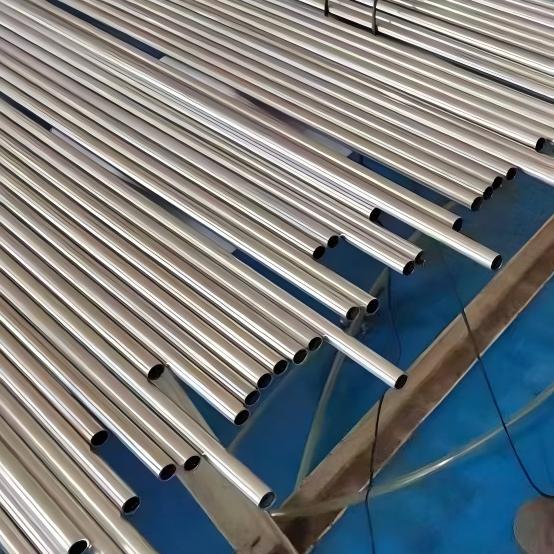
Hastelloy c276 pipe

Hastelloy C276 pipe is a high-performance nickel alloy pipe known for its exceptional corrosion resistance and high-temperature strength, making it ideal for demanding environments. B2B buyers, including purchasing managers and engineers, often focus on specifications, quality, and application suitability when evaluating such products. This article will provide essential insights into the key specifications, quality evaluation, applications, common issues, and installation guidelines for Hastelloy C276, equipping you with the knowledge needed to make informed purchasing decisions.
Our Products

Key Specifications of Hastelloy C276 Pipes for Bulk Orders

When considering Hastelloy C276 pipes for bulk orders, several key specifications are crucial to ensure they meet your project's requirements. These include: 

Material Composition: Hastelloy C276 is primarily composed of nickel, molybdenum, and chromium. This unique alloy composition provides excellent resistance to pitting, stress corrosion cracking, and oxidation. 

Dimensions and Tolerances: The pipes are available in various diameters and wall thicknesses. Common sizes include schedules 10, 40, and 80, with tolerances typically conforming to ASTM B619 or B622 standards. It's essential to specify the exact dimensions required for your application to ensure compatibility with existing systems. 

Temperature and Pressure Ratings: Hastelloy C276 pipes can withstand extreme temperatures (up to 1500°F) and pressures, making them suitable for high-stress environments, such as those found in the aerospace and nuclear industries. 

Surface Finish: The pipes can be provided with different surface finishes, including mill finish, pickled, or polished, depending on the intended application. A smoother surface finish may be necessary for applications requiring heightened cleanliness or resistance to fouling. 

Understanding these specifications helps buyers select the right grade and configuration of Hastelloy C276 pipes for their specific applications.

Get a Free Quote

Our representative will contact you soon.
Email
Mobile
Name
Company Name
Message
0/1000

Related product categories

How to Evaluate the Quality of Hastelloy C276 Pipes

Evaluating the quality of Boyue Hastelloy C276 pipes is vital to ensure they meet industry standards and your specific requirements. Here are key factors to consider: 

Certifications and Compliance: Look for compliance with relevant certifications, such as ISO9001, AS9100, and PED, which indicate adherence to international quality management standards. These certifications often reflect a manufacturer's commitment to maintaining high-quality production processes. 

Material Testing: Request material test reports (MTRs) that provide detailed information on the chemical composition and mechanical properties of the pipes. This data is crucial for verifying that the pipes meet the specified standards and will perform adequately in their intended environment. 

Visual Inspection: Inspect the pipes for any visible defects, such as cracks, pitting, or inconsistent surface finishes. A thorough visual examination can help identify potential quality issues before installation. 

Third-Party Inspections: Consider engaging an independent third-party inspection service to conduct quality checks during production and prior to shipment. This adds an additional layer of assurance regarding the product’s quality and compliance. 

By focusing on these evaluation strategies, buyers can mitigate risks and ensure they procure high-quality hastelloy metal suited for their applications.

Applications of Hastelloy C276 Pipe in Various Industries

Boyue Hastelloy C276 pipes find extensive applications across several industries due to their unique properties. Key applications include: 

Aerospace: In the aerospace sector, these pipes are used in fuel systems and exhaust systems due to their ability to withstand extreme temperatures and corrosive environments. 

Petroleum and Chemical Processing: The oil and gas industry utilizes Hastelloy C276 pipes in refining and chemical processing, where they resist corrosive materials and high-pressure conditions, ensuring safe and efficient operations. 

Nuclear Power: In nuclear applications, the pipes are employed in systems handling radioactive materials, where their corrosion resistance is paramount for safety and performance. 

Pressure Vessels: Hastelloy C276 is ideal for pressure vessels in various industrial processes due to its strength and durability under high-pressure conditions. 

Understanding these applications allows buyers to see the versatility of Hastelloy C276 pipes and their critical role in high-performance environments.

Common Problems with Hastelloy C276 Pipes and Their Solutions

While Hastelloy C276 pipes are known for their durability, certain challenges may arise during their use. Being aware of these common issues can help buyers plan for effective solutions: 

Corrosion Under Insulation (CUI): In some environments, pipes can be susceptible to corrosion when insulated. To mitigate this, ensure proper insulation techniques are employed, and consider using moisture-resistant materials. 

Welding Cracking: Welding Hastelloy C276 can sometimes lead to cracking if not done correctly. To prevent this, it’s essential to use appropriate welding techniques and filler materials, along with preheating if necessary. 

Cost Variability: Pricing can fluctuate based on raw material costs and manufacturing processes. Buyers should maintain open communication with suppliers and be prepared to discuss lead times and bulk order discounts. 

By being proactive about these potential problems, buyers can enhance the reliability and longevity of their Hastelloy C276 pipes.

Installation Guidelines for Hastelloy C276 Pipe in Your Projects

Proper installation of Boyue Hastelloy C276 pipes is critical to ensure optimal performance. Consider these guidelines during installation: 

Preparation and Cleaning: Prior to installation, thoroughly clean the pipe ends to remove any debris, oil, or oxidation that could affect the quality of welds or seals. 

Proper Alignment: Ensure that pipes are aligned correctly to avoid undue stress on joints and connections. Misalignment can lead to leaks and premature failure. 

Welding Techniques: Use qualified personnel for welding operations, employing appropriate techniques to minimize distortion and maintain the integrity of the alloy. Consider post-weld heat treatment if specified. 

Pressure Testing: After installation, conduct pressure tests to verify the integrity of the system. Testing should follow industry standards to ensure safety and reliability. 

Following these installation guidelines will help ensure that hastelloy alloy perform effectively in their designated applications while minimizing the risk of failure. 

By understanding the specifications, quality evaluation processes, applications, common challenges, and installation best practices for Hastelloy C276 pipes, B2B buyers can confidently navigate their purchasing decisions, ensuring they select the right product for their needs.