S32205 Nickel Alloy: Specifications and Applications

All Categories
Get a Quote

Get a Free Quote

Our representative will contact you soon.
Email
Mobile
Name
Company Name
Message
0/1000

S32205

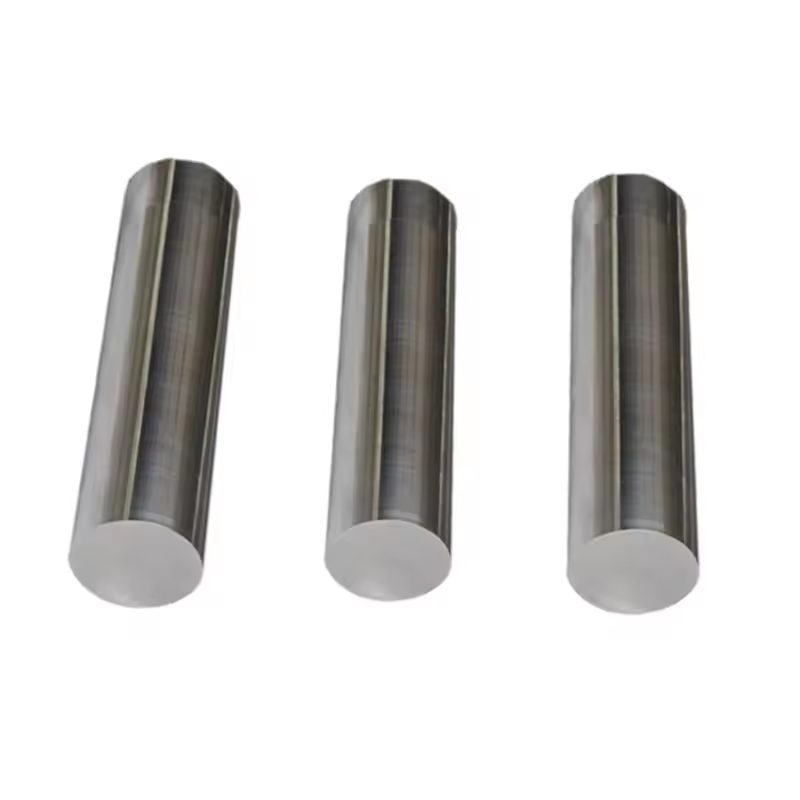
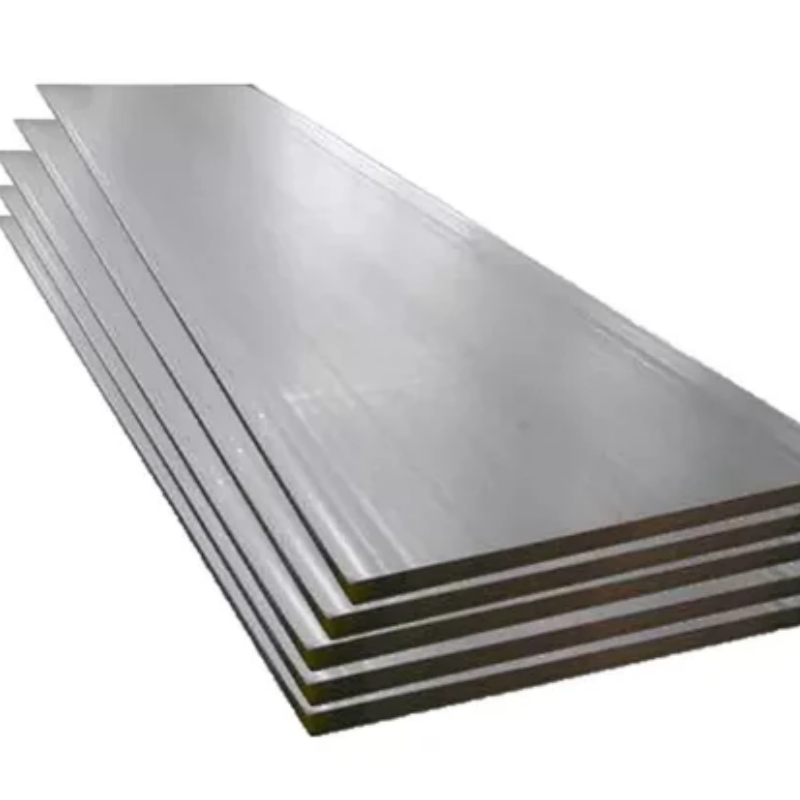
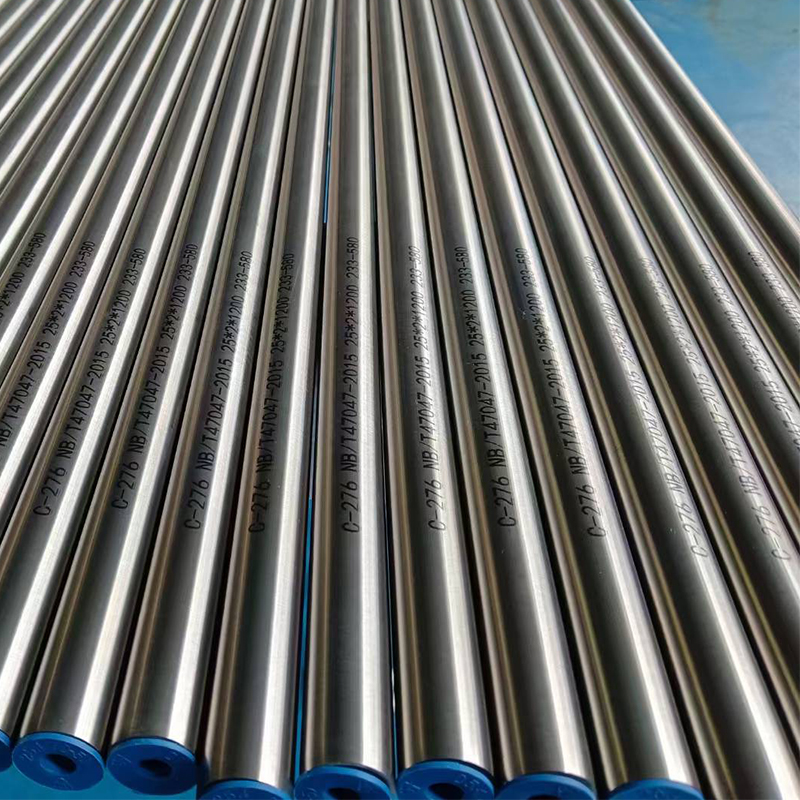
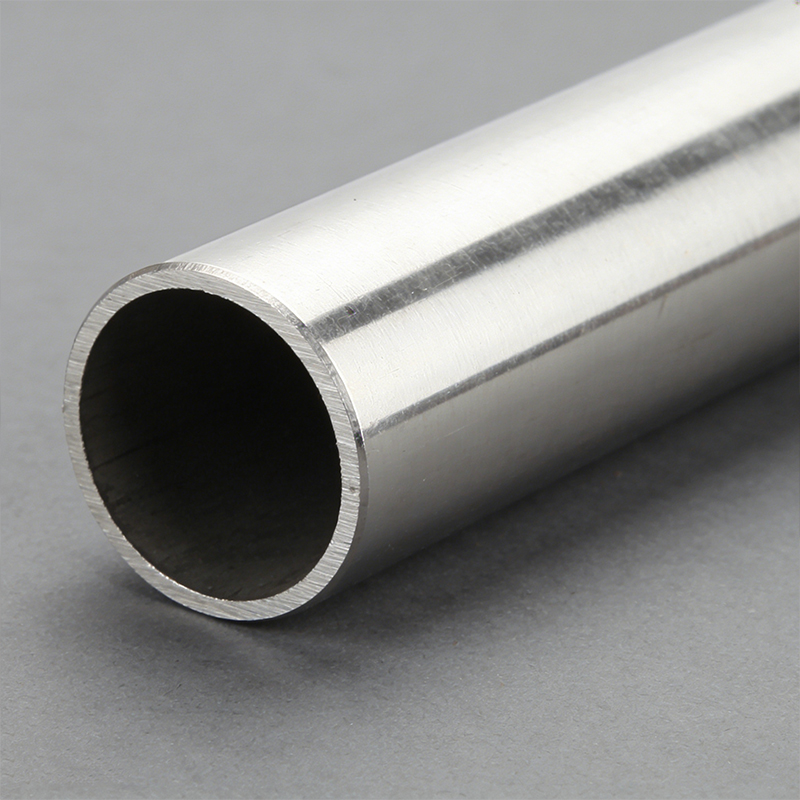
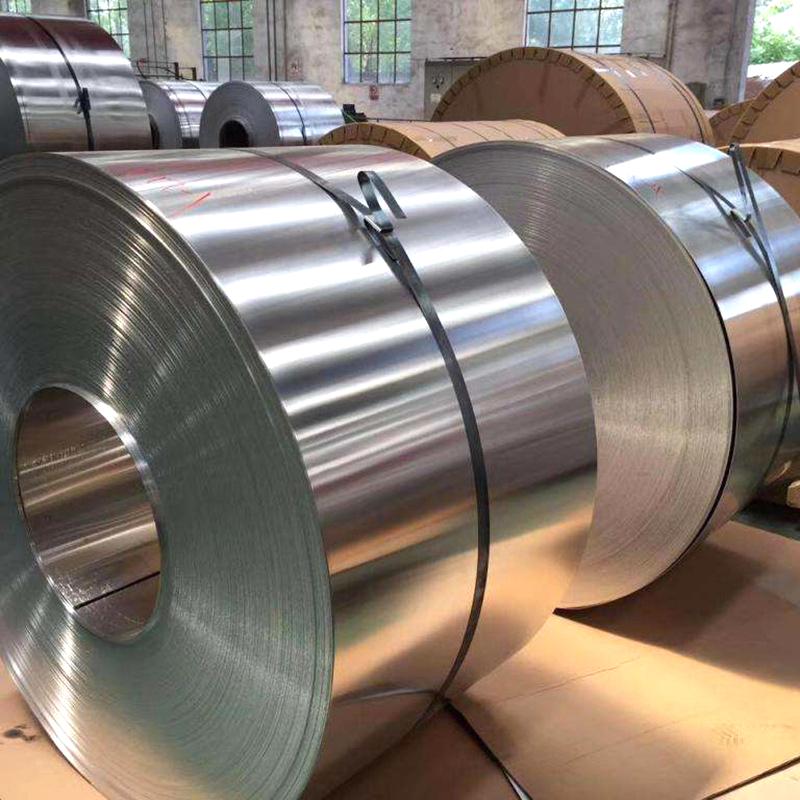
S32205 is a duplex stainless steel alloy known for its excellent mechanical properties and resistance to corrosion. This article will provide comprehensive insights into S32205 specifications, quality control processes, cost factors, common issues, and its applications in aerospace and energy industries. By understanding these aspects, purchasing managers, engineers, and product managers can make informed decisions when sourcing S32205 alloys from manufacturers like Jiangsu Boyue Alloy Materials Co., Ltd. 
Our Products

Understanding S32205 Specifications for Optimal Performance

S32205, also known as duplex stainless steel, features a unique microstructure that combines both austenitic and ferritic phases, resulting in superior strength and corrosion resistance. Key specifications include: 

Chemical Composition: S32205 typically contains about 22% chromium, 5% nickel based superalloys, and 3% molybdenum, enhancing its resistance to pitting and crevice corrosion. This composition is critical for applications in harsh environments, such as those found in the petroleum and nuclear power industries. 

Mechanical Properties: The alloy exhibits high tensile strength (≥ 620 MPa) and yield strength (≥ 450 MPa), making it suitable for high-pressure applications. Additionally, it has an elongation of around 25%, which helps it withstand significant deformation without failure. 

Corrosion Resistance: S32205 is particularly resistant to chloride-induced stress corrosion cracking, making it ideal for marine applications and other environments with high chloride levels. 

Understanding these specifications allows buyers to evaluate whether S32205 meets their application needs, particularly in industries requiring high-performance materials. 

Get a Free Quote

Our representative will contact you soon.
Email
Mobile
Name
Company Name
Message
0/1000

Related product categories

Assessing Quality Control in S32205 Manufacturing Processes

Assessing Quality Control in S32205 Manufacturing Processes

Quality control in the manufacturing of S32205 alloys is paramount to ensure that the material meets the required specifications and performance standards. Jiangsu Boyue Alloy Materials Co., Ltd. adheres to stringent quality control processes, including: 
ISO and Other Certifications: The company is certified by ISO9001 and AS9100, ensuring adherence to international quality management standards. These certifications demonstrate the company's commitment to producing high-quality materials. 

Material Testing: Each batch of S32205 undergoes rigorous testing, including chemical composition analysis, mechanical property assessments, and corrosion resistance tests. This testing is crucial to verify that the materials meet the specified standards before they are delivered to clients. 

Manufacturing Consistency: Continuous monitoring of the production process helps maintain consistency in quality. This includes regular checks on temperature control during smelting and forging processes, which can significantly affect the final properties of the superalloy. 

By thoroughly assessing these quality control measures, buyers can ensure they are sourcing reliable S32205 alloys that will perform as expected in their applications. 

Cost Factors to Consider When Sourcing S32205 Alloys

When sourcing S32205, several cost factors must be considered to ensure the total cost of ownership is understood: 

Raw Material Costs: The price of nickel and molybdenum can fluctuate significantly, impacting the overall cost of S32205. Buyers should stay informed about market trends to anticipate price changes. 

Manufacturing Process: The complexity of the manufacturing process, including smelting and forging, affects production costs. Customization requests can also lead to higher prices due to the need for specialized equipment or longer production times. 

Minimum Order Quantities (MOQs): Suppliers often set MOQs for S32205 inconel superalloy, which can affect the initial investment required. Understanding these MOQs can help buyers plan their purchasing strategy effectively. 

Transportation and Logistics: Shipping costs can vary based on the delivery location and the volume of the order. Buyers should factor in these logistics when evaluating the total cost. 

By considering these factors, purchasing managers can make more informed decisions that align with their budget and operational needs. 

Common Issues with S32205 Nickel Alloy and Their Solutions

While S32205 is known for its performance, several common issues can arise during its use and sourcing: 

Corrosion Risks: Although S32205 is corrosion-resistant, it can still be susceptible to localized corrosion in certain environments. Buyers should ensure that the alloy's application aligns with its corrosion resistance capabilities. Conducting a thorough environmental assessment can help mitigate these risks. 

Welding Challenges: Welding S32205 requires specific techniques to avoid issues such as hot cracking. Buyers should collaborate with qualified welders who understand the material's properties and can recommend appropriate filler materials and welding methods. 

Supply Chain Variability: Variability in supply chains can lead to inconsistencies in material quality. Buyers should establish strong relationships with reliable suppliers, such as Jiangsu Boyue Alloy Materials Co., Ltd., who can provide consistent quality and support throughout the purchasing process. 

By identifying these common issues and implementing strategies to address them, buyers can enhance their experience when sourcing S32205 alloys. 

Exploring the Applications of S32205 in Aerospace and Energy Industries

S32205 is particularly well-suited for various applications in the aerospace and energy sectors due to its impressive mechanical properties and corrosion resistance: 

Aerospace Components: The alloy is used in manufacturing components such as fasteners, engine parts, and structural supports. Its high strength-to-weight ratio is beneficial for reducing overall aircraft weight while maintaining structural integrity. 

Energy Sector Applications: In the petroleum and nuclear industries, S32205 is often utilized in piping systems, heat exchangers, and pressure vessels. Its ability to withstand high pressures and corrosive environments makes it an ideal choice for these applications. 

Renewable Energy: As the demand for new energy solutions grows, S32205 is increasingly used in applications such as offshore wind turbines and solar energy systems, where durability and resistance to harsh environmental conditions are crucial. 

Understanding these applications helps buyers identify where S32205 can be effectively utilized in their projects, ensuring they select the right materials for their specific needs.