 EN

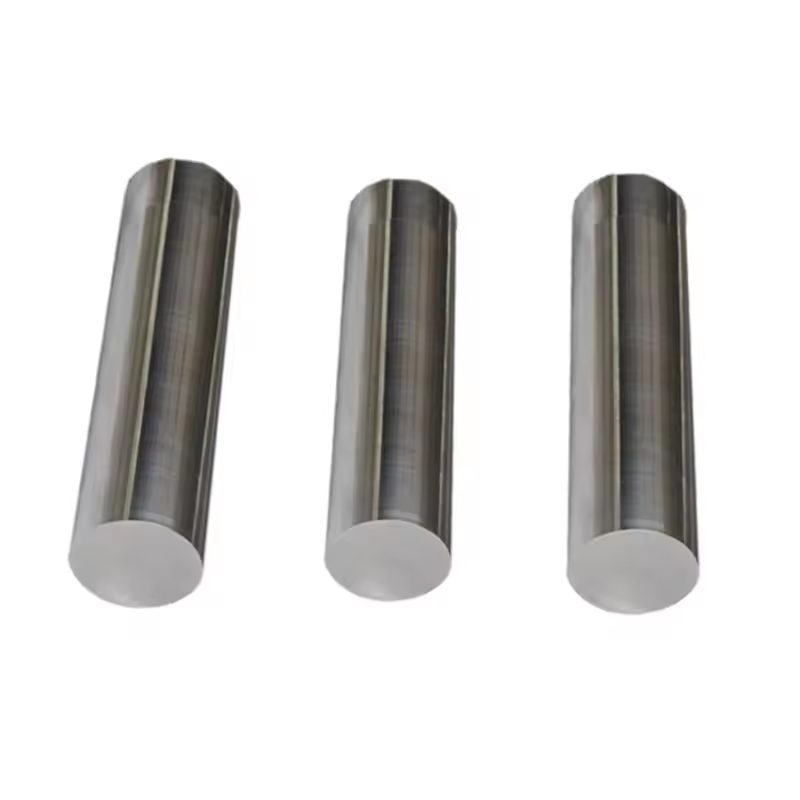
Nickel filler rods made by Boyue are specialized welding consumables used predominantly in high-performance applications, offering superior corrosion resistance and mechanical strength. For businesses engaged in sectors like aerospace, energy, and manufacturing, choosing the right nickel filler rod is crucial. This article will address key specifications, evaluation techniques, cost factors, installation challenges, and applications of nickel filler rods, ensuring that you make informed purchasing decisions
How to Evaluate the Quality of Nickel Filler Rods for Your Projects
Evaluating the quality of Boyue's nickel superalloy filler rods involves several critical steps:
Supplier Certification: Choose suppliers, like Jiangsu Boyue Alloy Materials Co., Ltd., that hold certifications such as ISO9001, AS9100, and API. These certifications indicate adherence to quality management systems and industry standards
Material Traceability: Ensure that the filler rods come with material certifications that trace the raw materials back to their source. This practice is essential for industries requiring strict compliance, such as aerospace and nuclear
Sample Testing: Before placing a bulk order, request samples for testing. Evaluate the rods for mechanical properties, including tensile strength and ductility, under conditions that mimic your application
Surface Inspection: Check for surface defects such as cracks, porosity, or irregularities. These can impact weld quality and overall performance
Performance in Real Conditions: If possible, conduct trial welds to assess how the filler rod performs in real operational conditions. This step can help identify any compatibility issues with your base materials or welding equipment.