 EN

Inconel 825 plate is a high-performance nickel-chromium alloy known for its excellent corrosion resistance and high-temperature stability. It is widely utilized in various industries, including aerospace, petroleum, nuclear power, and pressure vessels. For B2B buyers, concerns typically revolve around material specifications, supplier reliability, and application suitability. This article aims to provide a comprehensive understanding of Inconel 825 plates, focusing on specifications, quality evaluation, sourcing, applications, and best practices for purchasing.
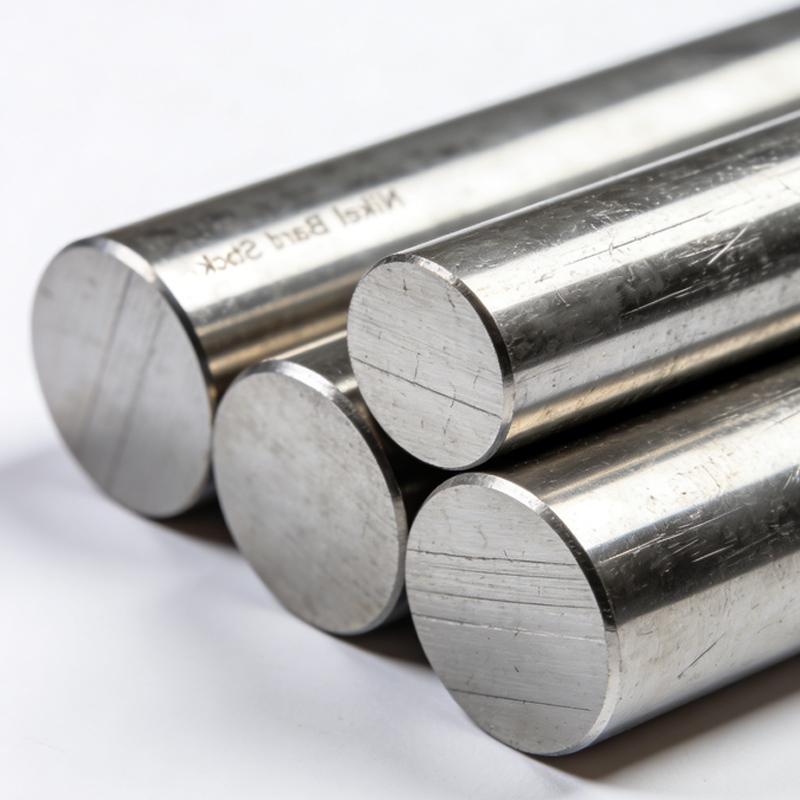
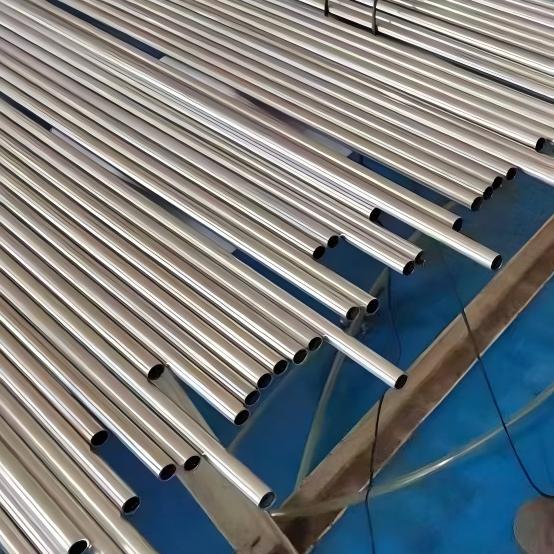
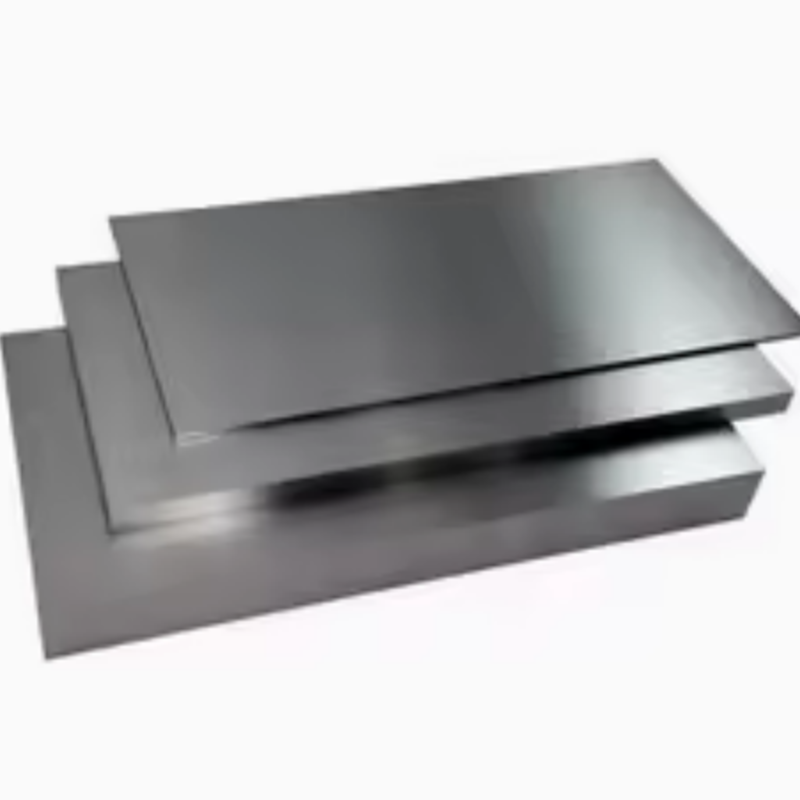
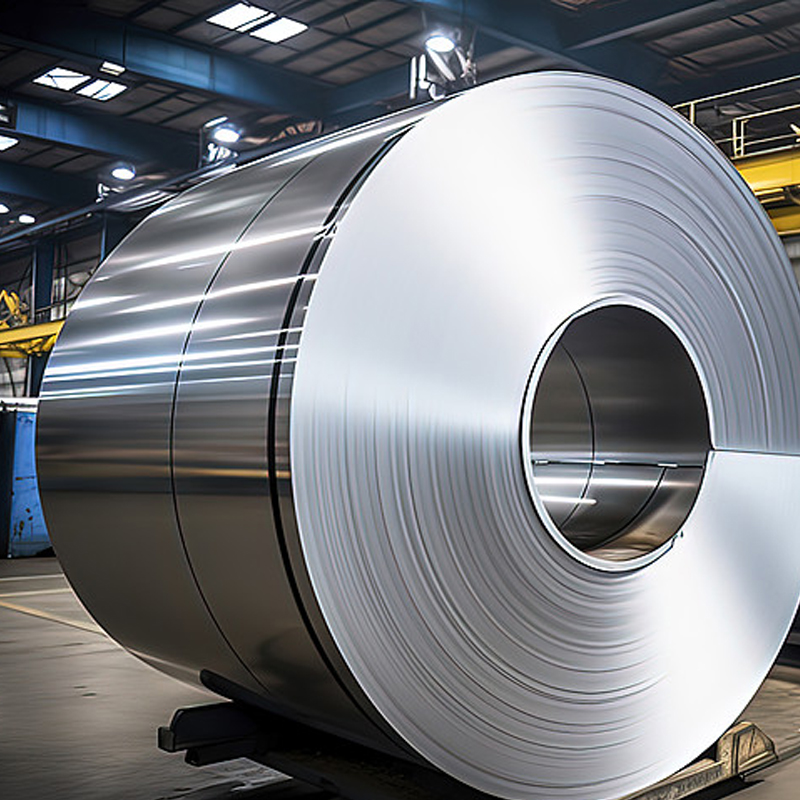
Evaluating the Quality of Inconel 825 Plates from Reliable Suppliers
Quality assurance is paramount when sourcing Inconel 825 plates. Buyers should look for suppliers that adhere to recognized quality standards, such as ISO9001 and AS9100. These certifications demonstrate a commitment to quality management systems and product consistency.
A reliable supplier should provide comprehensive documentation, including mill test reports (MTRs) that verify the chemical composition and mechanical properties of the plates. Buyers are encouraged to request samples before placing a large order. This allows for an assessment of the plate's physical characteristics and ensures they meet specific project requirements.
Additionally, it's advisable to inquire about the supplier's quality control processes. This includes how they handle deviations in specifications and what testing methods are employed to ensure product integrity, such as ultrasonic testing or eddy current inspections.