 EN

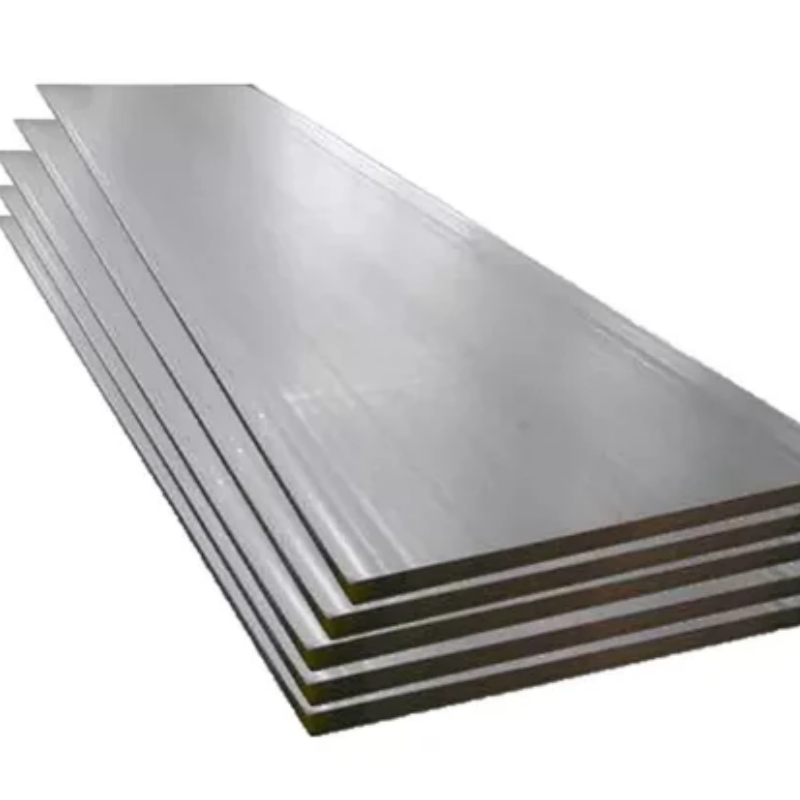
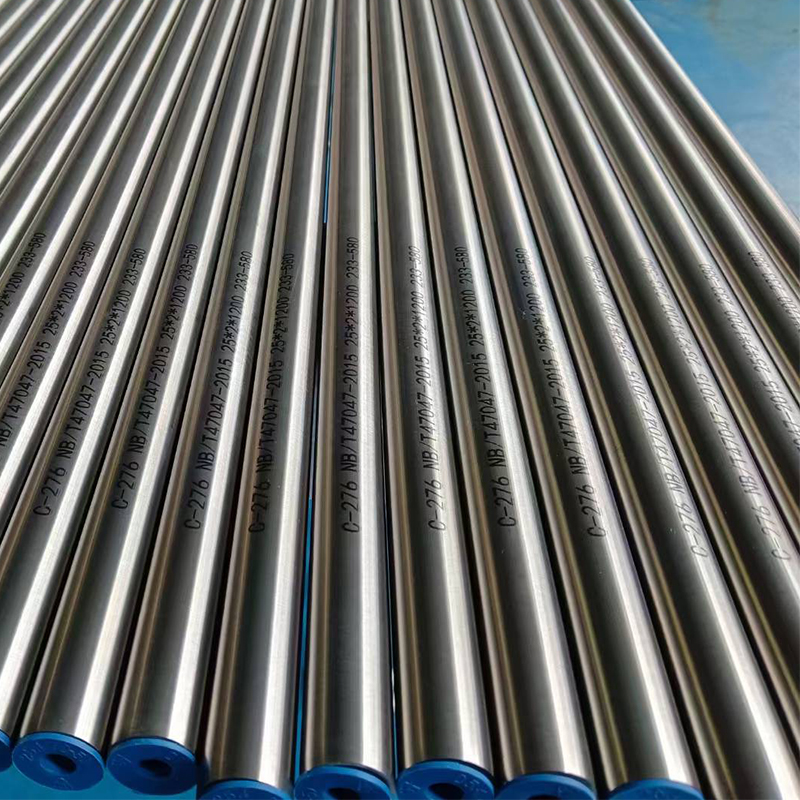
Inconel 625 plates are high-performance nickel-chromium alloys designed to withstand extreme environments, making them ideal for demanding applications in industries such as aerospace, petroleum, and nuclear power. For B2B buyers, choosing the right inconel material involves considering specifications, sourcing reliable suppliers, and ensuring proper installation. This article will guide you through selecting the right plate for your project needs, understanding specifications, sourcing high-quality materials, installation guidance, and addressing common issues.
Specifications of Inconel 625 Plate for Bulk Orders and Wholesale Buyers
For bulk orders, understanding the specifications of Boyue Inconel 625 plates is essential. Key specifications to consider include:
Material Composition: Inconel 625 typically contains nickel (58% min), chromium (20-23%), molybdenum (8-10%), and trace amounts of other elements, which contribute to its excellent strength and oxidation resistance.
Mechanical Properties: Look for properties such as yield strength, tensile strength, and elongation. For inconel 600, typical yield strength values are around 690 MPa (100 ksi) and tensile strength can exceed 1,240 MPa (180 ksi), making it suitable for high-stress applications.
Thickness Range: Plates are available in various thicknesses, typically from 1 mm to 100 mm, depending on the supplier. Ensure the thickness aligns with your application requirements.
Surface Finish: The surface finish can affect the performance of the plate in specific applications. Options may include hot-rolled, cold-rolled, or ground finishes, each providing different levels of surface quality.
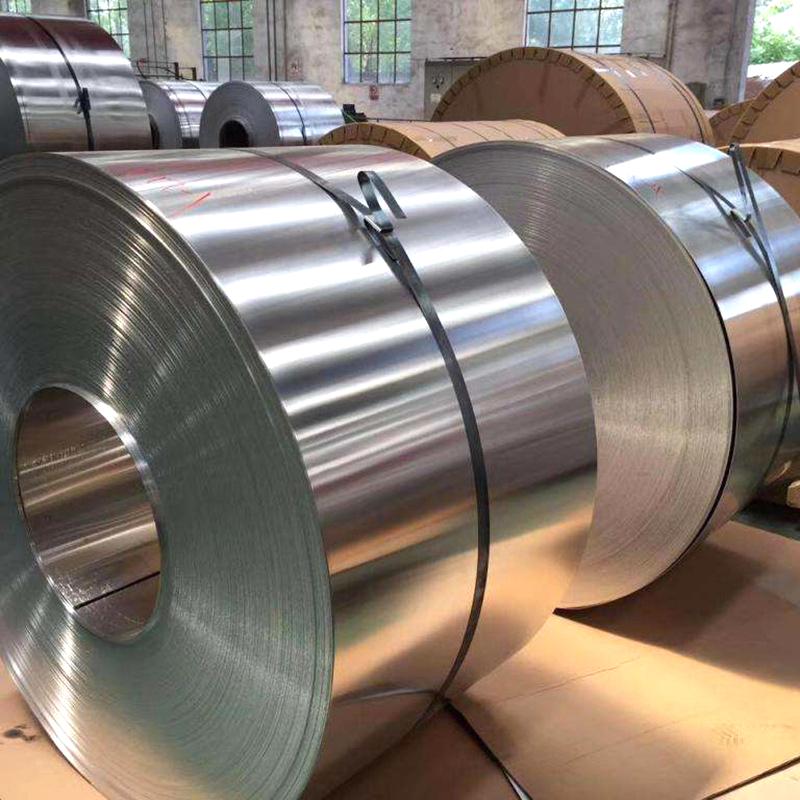
Packaging and Delivery: Confirm the packaging methods for bulk orders to ensure products are protected during transportation. Proper packaging minimizes the risk of damage and contamination.
Understanding these specifications aids buyers in making informed purchasing decisions and ensures compatibility with their applications.