Key Specifications of Alloy 825 Tubes for Industry

All Categories
Get a Quote

Get a Free Quote

Our representative will contact you soon.
Email
Mobile
Name
Company Name
Message
0/1000

Alloy 825 tube

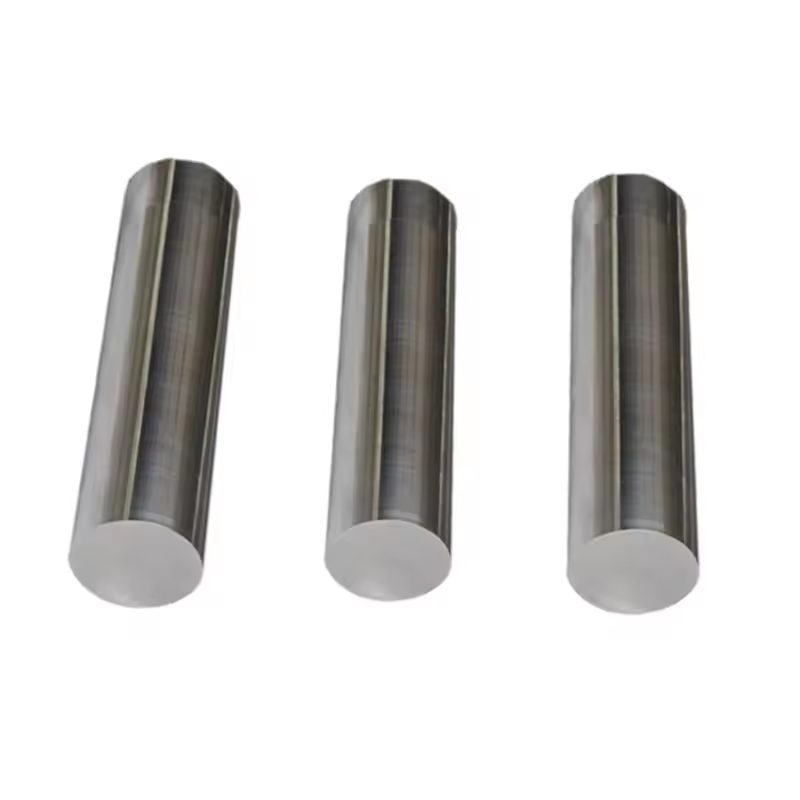
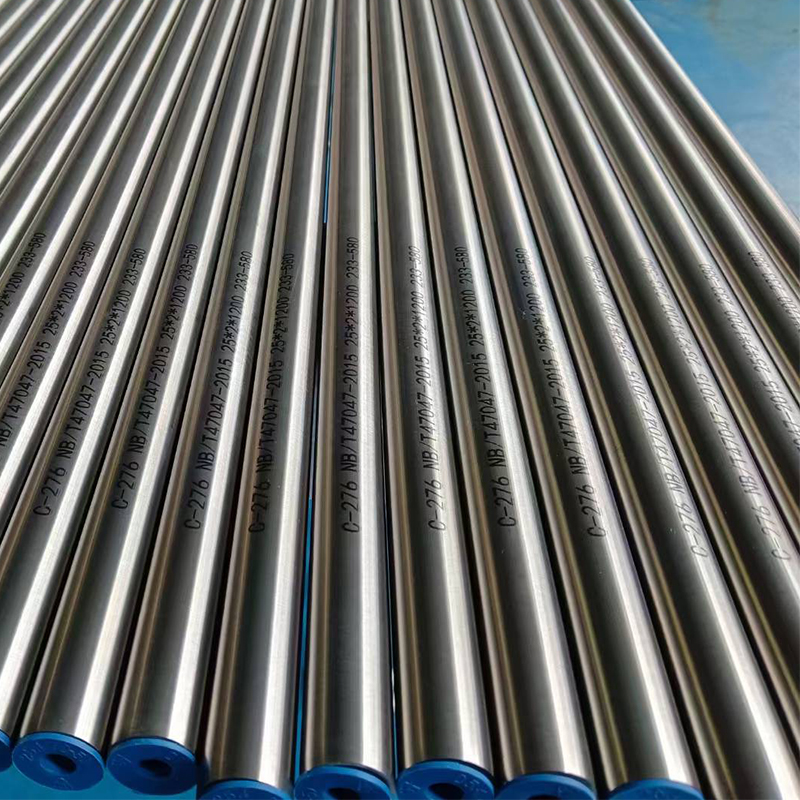
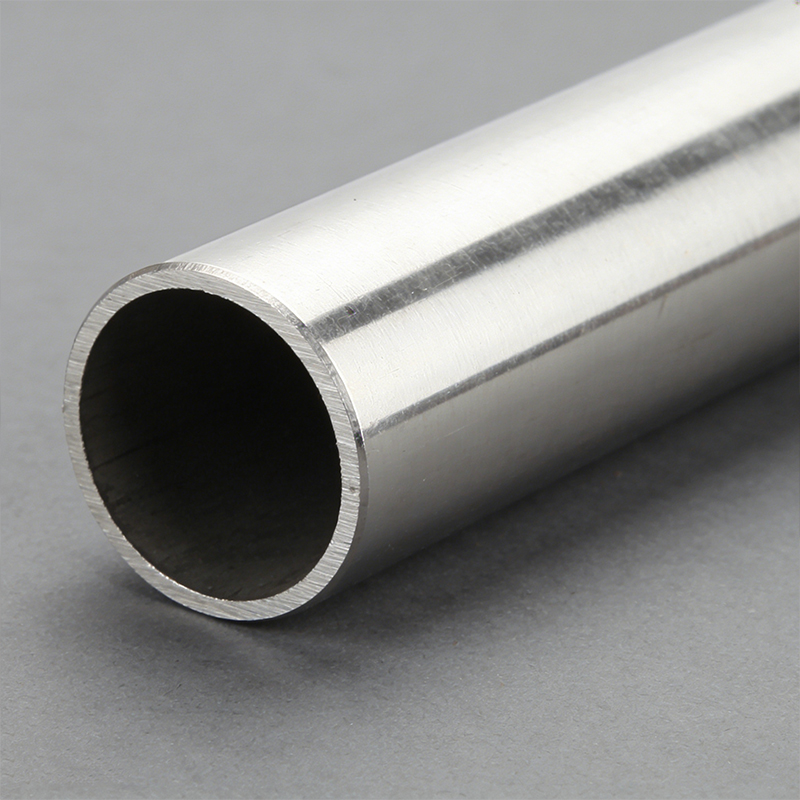
Alloy 825 tubes are high-performance piping solutions made from a nickel-iron-chromium alloy known for its excellent corrosion resistance and mechanical strength in harsh environments. These nickel base tubes are particularly valued in industries such as aerospace, petroleum, and nuclear power, where reliability is paramount. As a purchasing manager or engineer, understanding the specifications, quality evaluation, and potential challenges associated with alloy 825 tubes is crucial for making informed decisions. This article aims to provide you with essential information to navigate the purchasing process effectively.
Our Products

Alloy 825 tubes are characterized

Alloy 825 tubes are characterized by a unique composition that includes nickel, chromium, iron, copper, and molybdenum, granting them exceptional resistance to pitting, stress corrosion cracking, and oxidation. Key specifications to consider include: 

Diameter and Wall Thickness: Common sizes range from 1/2 inch to 12 inches in diameter, with wall thickness varying according to application requirements. The copper nickel pipe dimensions must be compatible with the intended pressure and flow requirements. 

Temperature and Pressure Ratings: Alloy 825 retains its strength at elevated temperatures, typically up to 1000°F (540°C), making it suitable for high-temperature applications. Buyers should confirm the maximum allowable stress for specific operating conditions. 

Standards Compliance: Ensure that the tubes meet industry standards such as ASTM B424 and ASME SB-424. Compliance with these standards guarantees that the tubes have been manufactured to specific quality and performance criteria. 

Surface Finish: The surface finish can affect the corrosion resistance and overall performance. Options may include polished or mill finish, depending on the application requirements.  

Understanding these specifications helps buyers select the appropriate alloy 825 tubes for their specific applications, ensuring optimal performance and longevity. 

Get a Free Quote

Our representative will contact you soon.
Email
Mobile
Name
Company Name
Message
0/1000

Related product categories

When purchasing alloy 825 tubes

When purchasing alloy 825 tubes, several factors should be considered to ensure you select the right product: 

Application Requirements: Clearly define the intended application. Consider factors such as temperature, pressure, and the corrosive nature of the environment. This will influence the required specifications for the tubes. 

Quantity and Lead Time: Determine your order quantity. Manufacturers often have minimum order quantities (MOQs) that can vary significantly. Be sure to ask about lead times, as they can impact project timelines. 

Customization Needs: Some applications may require custom lengths, diameters, or wall thicknesses.  Confirm whether the supplier offers customization options to meet your exact specifications. 

Quality Certifications: Look for suppliers with relevant certifications such as ISO 9001 or AS9100. These certifications indicate that the manufacturer adheres to strict quality management systems. 

Cost Considerations: Understand the pricing structure, including material costs, manufacturing processes, and any additional fees for customization or expedited shipping. 

By addressing these key points, buyers can streamline the RFQ process and ensure they receive alloy 825 tubes that meet their specific needs. 

Evaluating the quality of alloy 825 tubes

Evaluating the quality of alloy 825 tubes involves a systematic approach to ensure you receive a product that meets your specifications and industry standards. Key evaluation criteria include: 

Material Certification: Request mill test reports (MTRs) that provide chemical and mechanical property data.  This documentation should confirm the alloy composition and demonstrate compliance with the specified standards. 

Visual Inspection: Conduct a visual inspection upon receiving the tubes. Look for any signs of surface defects, such as pitting, cracks, or inconsistencies in the finish. 

Dimensional Verification: Use calipers or micrometers to verify that the dimensions match the specifications provided in the purchase order. This step is crucial, as even minor discrepancies can lead to installation issues. 

Testing: Depending on the application, it may be necessary to conduct additional tests, such as non-destructive testing (NDT) or pressure testing, to verify that the tubes can withstand the specified conditions. 

Supplier Reputation: Research the supplier's reputation in the industry. Look for customer reviews, case studies, or references that can provide insight into their reliability and product quality. 

By following these evaluation steps, buyers can mitigate risks and ensure they procure high-quality alloy 825 tubes that meet their operational requirements. 

Finding reliable suppliers for bulk orders of alloy 825 tubes

Finding reliable suppliers for bulk orders of alloy 825 tubes is critical for ensuring a consistent and high-quality supply chain. Here are effective strategies: 

Industry Networks: Leverage industry networks and associations to identify reputable manufacturers. Attending trade shows or industry conferences can provide opportunities to connect with potential suppliers. 

Online Directories: Utilize online directories and platforms that specialize in industrial products. Websites such as ThomasNet or Alibaba can help you find manufacturers with verified profiles and customer reviews. 

Manufacturer Websites: Research manufacturers like Jiangsu Boyue Alloy Materials Co., Ltd., which specializes in alloy materials and offers a complete production chain, including smelting and forging. Their certifications (ISO9001, AS9100, PED, API) indicate compliance with industry standards. 

Request Samples: Before placing a bulk order, request samples to assess quality and ensure the product meets your specifications. 

Supplier Audits: If possible, copper nickel tube conduct supplier audits to assess manufacturing capabilities, quality control processes, and overall operational standards. 

By employing these strategies, purchasing managers can identify trustworthy suppliers that can meet their bulk order requirements effectively. 

When working with alloy 825 tubes

When working with alloy 825 tubes, installation challenges can arise that may impact performance and safety. Common issues include: 

Misalignment: During the installation process, misalignment can occur, leading to stress concentrations that may cause premature failure. To mitigate this, ensure that proper alignment tools are used and that all piping systems are securely supported. 

Thermal Expansion: Alloy 825 exhibits thermal expansion characteristics that can lead to issues if not accounted for during installation. Incorporate expansion joints or flexible connections in high-temperature applications to accommodate movement. 

Corrosion at Joints: Corrosion can develop at joint connections, especially if dissimilar metals are used. Ensure that compatible materials are used for flanges and fittings, and consider applying protective coatings to joints to enhance corrosion resistance. 

Welding Concerns: If welding is required, ensure that qualified personnel are employed, as improper welding techniques can compromise the integrity of the tubes. Preheat and post-weld heat treatment may also be necessary to maintain the properties of alloy 825. 

By anticipating these challenges and implementing effective solutions, engineers can ensure successful installation and operation of alloy 825 tubes in various applications.