 EN

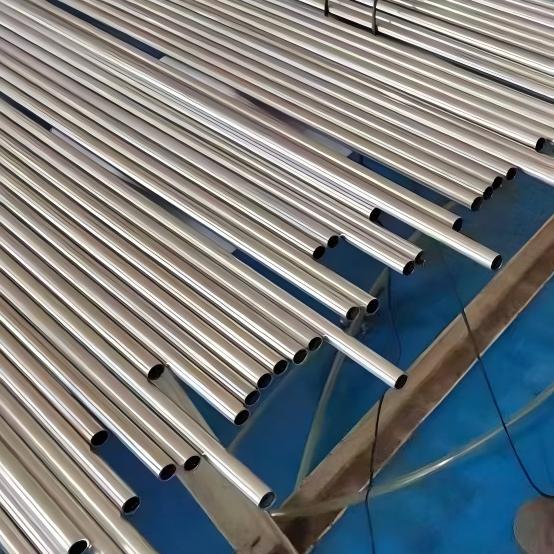
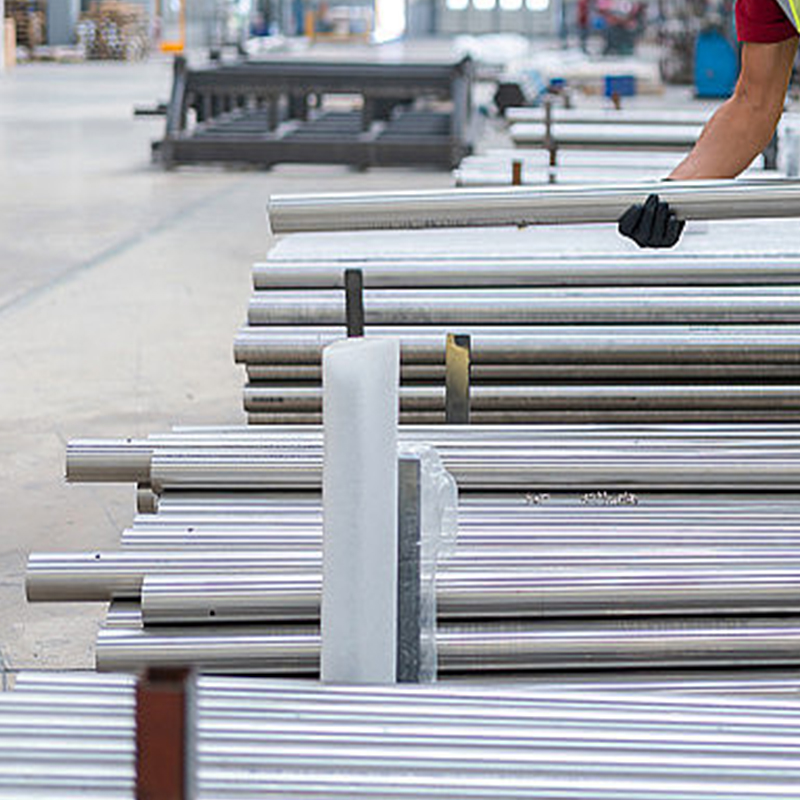
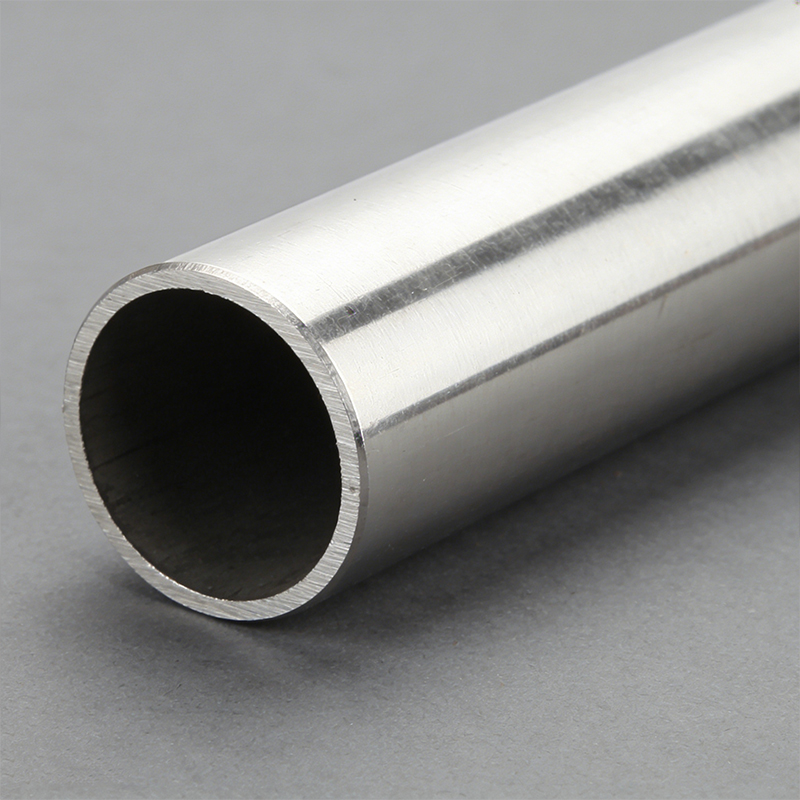
Alloy 825 pipe is a high-performance nickel alloy product known for its exceptional resistance to corrosion and high-temperature environments. As a B2B buyer in industries such as aerospace, petroleum, and nuclear power, understanding the nuances of Boyue alloy 825 pipes is critical for making informed purchasing decisions. This article will guide you through selecting the right alloy 825 pipe for your applications, evaluating manufacturers, and understanding cost factors, ensuring you acquire the best material for your specific needs.
Key Considerations for Buyers
Before finalizing your purchase of alloy 825 pipes, consider the following essential factors:
Material Composition: Verify the alloy composition to ensure it meets the necessary industry standards and application requirements. Alloy 825 typically contains nickel (38-46%), chromium (19.5-23.5%), and iron, among other elements, to deliver its unique properties.
Certifications: Look for manufacturers that hold relevant certifications such as ISO9001 or API. These certifications indicate adherence to quality management systems and industry standards, enhancing confidence in the product's reliability.
Quality Control Processes: Inquire about the manufacturer’s quality assurance protocols. Robust quality control processes can help identify defects early, ensuring the material's integrity before it reaches your facility.
Customization Capabilities: Depending on your needs, you may require custom lengths, wall thicknesses, or surface finishes. Discuss these requirements with potential suppliers to ensure they can accommodate your specifications.
Lead Times: Understand the manufacturer's lead times. Timely delivery is critical in B2B transactions, especially in industries where downtime can be costly.
By addressing these considerations, you can ensure that your chosen cupro nickel pipe meet both your operational needs and quality expectations.