 EN

Inconel 718 tubes are high-performance nickel-chromium alloy tubes known for their exceptional strength and corrosion resistance, making them a preferred choice in demanding applications such as aerospace and energy sectors. Buyers often seek detailed specifications, quality assurance processes, and sourcing options when considering these tubes for their projects. This article aims to provide a comprehensive overview of inconel alloy 600 specifications, quality control standards, cost considerations for bulk purchasing, applications in various industries, and reliable sourcing options.
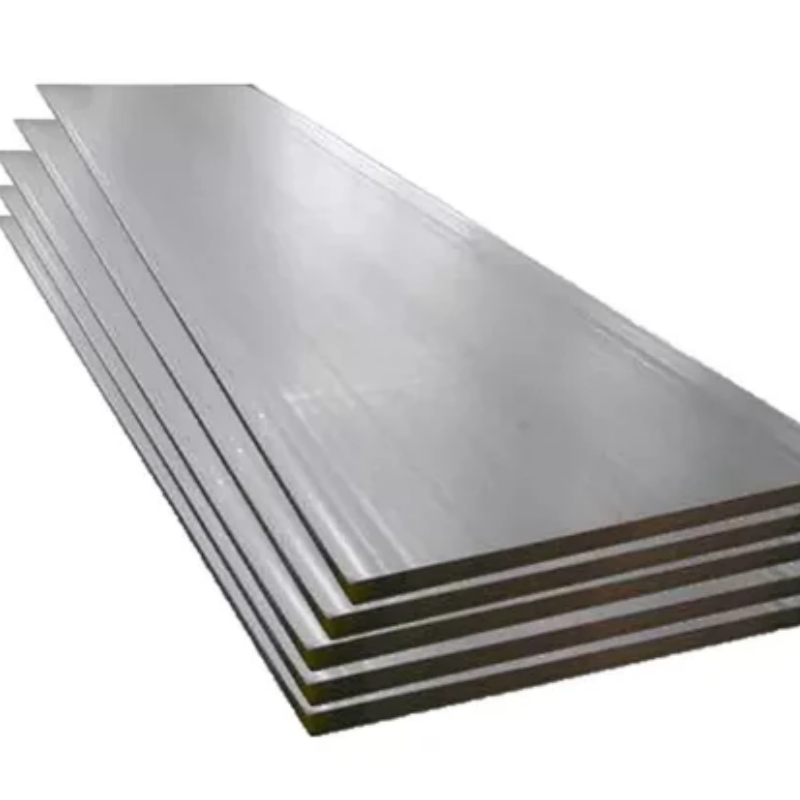
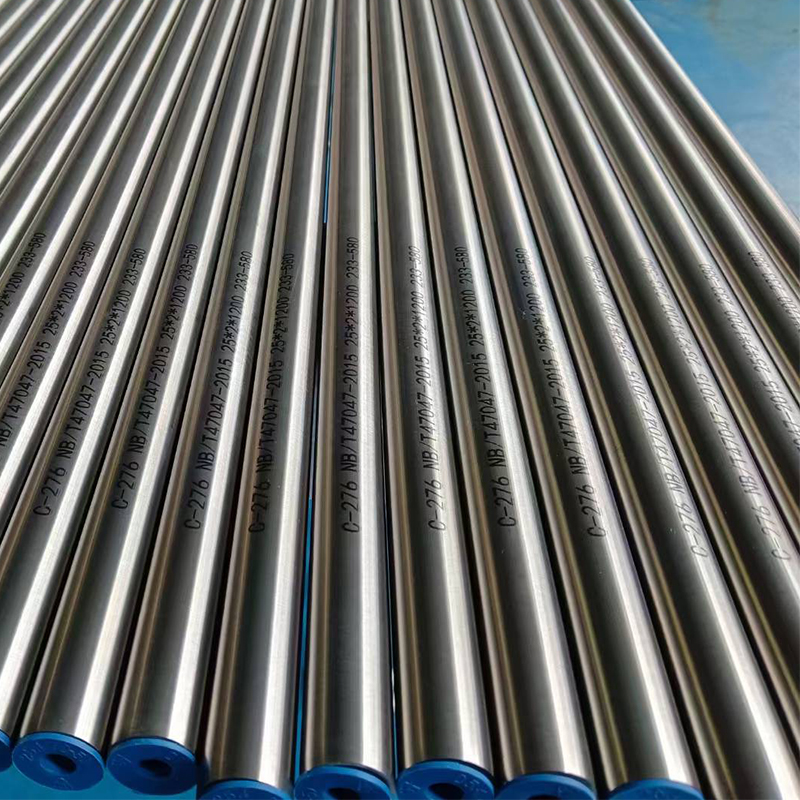
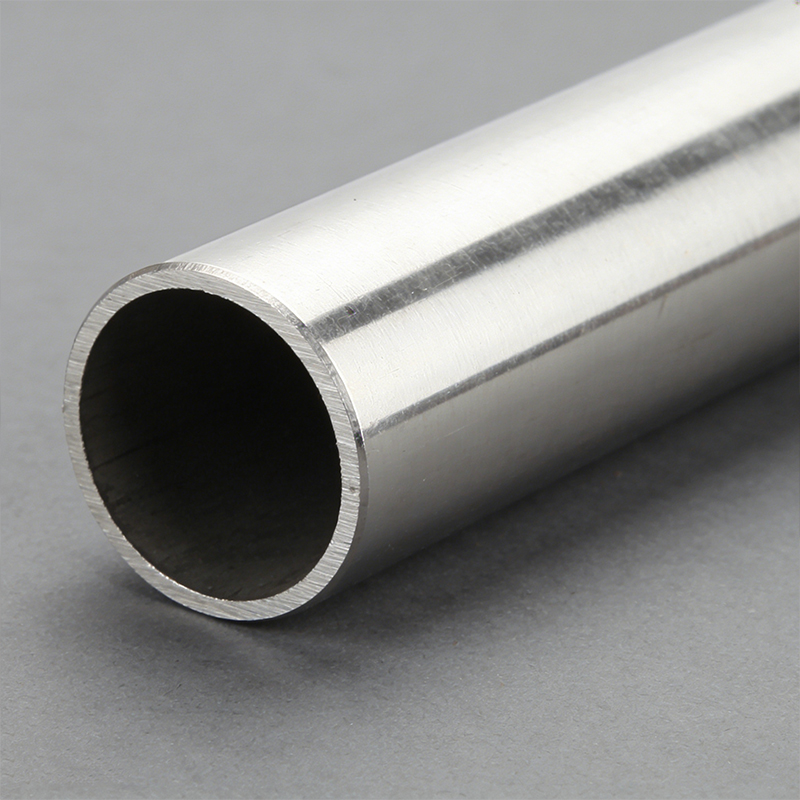
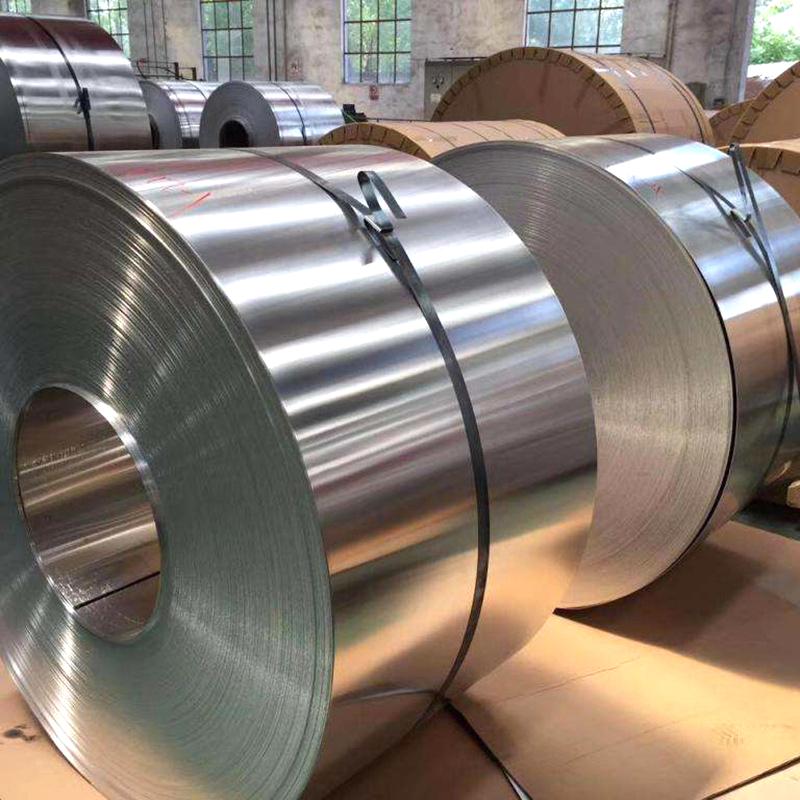
Evaluating Quality Control Standards for Inconel 718 Tubing
Quality control is paramount when sourcing Inconel 718 tubes, especially for critical applications in aerospace and nuclear industries. Reputable suppliers, like Jiangsu Boyue Alloy Materials Co., Ltd., typically adhere to stringent quality standards and certifications, including ISO9001, AS9100, PED, and API. Here are key quality control measures to consider:
Incoming Material Inspection: Raw materials should be inspected for compliance with specifications before production. This includes verifying the chemical composition and mechanical properties.
In-Process Inspections: Throughout the manufacturing process, in-process inspections should be conducted to ensure that the tubes are being produced according to the specified dimensions and tolerances.
Final Testing: After production, tubes should undergo rigorous testing, including non-destructive testing (NDT) methods like ultrasonic or radiographic testing to detect any internal or surface defects.
Documentation and Traceability: Ensure that the supplier provides proper documentation, including material certificates, test results, and traceability records. This is critical for applications where compliance with regulatory standards is required.
By closely evaluating a supplier's quality control processes, you can mitigate risks associated with product defects and enhance the reliability of your supply chain.