 EN

Inconel 718 is a high-strength, corrosion-resistant nickel-chromium alloy widely used in demanding industrial applications, particularly in aerospace, petroleum, and energy sectors. As purchasing managers and engineers evaluate options for this material, they need to consider specifications, performance requirements, and potential challenges. This article will provide insights into the key specifications of inconel, essential buyer considerations, cost factors, installation challenges, and the advantages of using this alloy in critical applications.
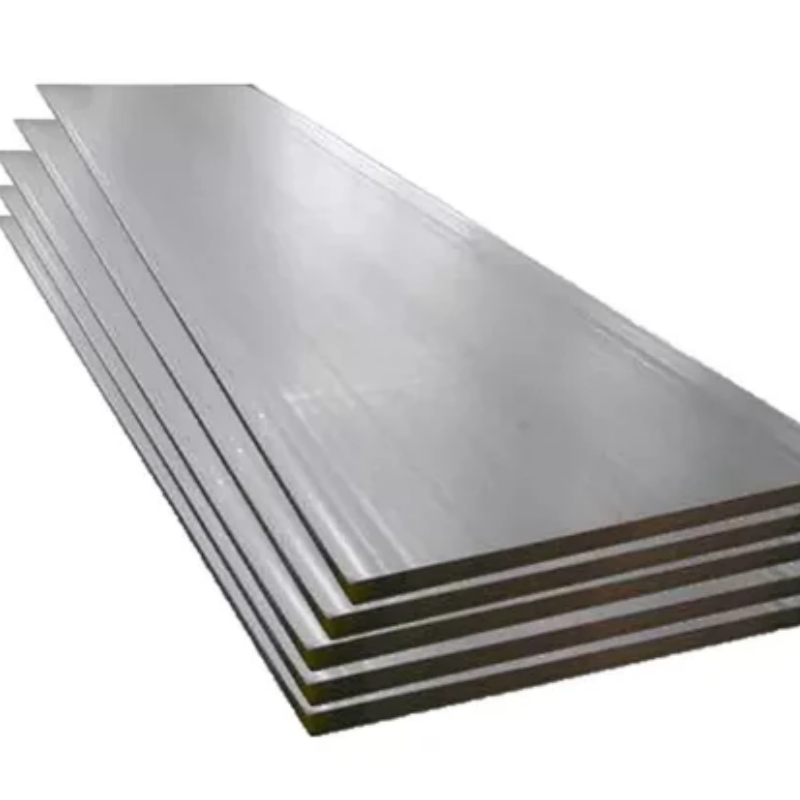
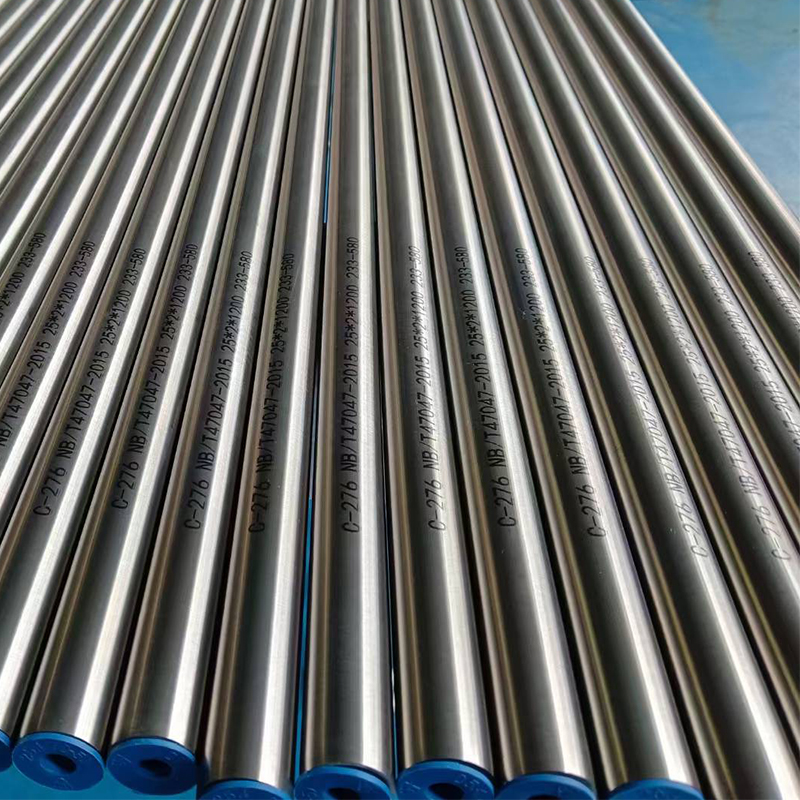
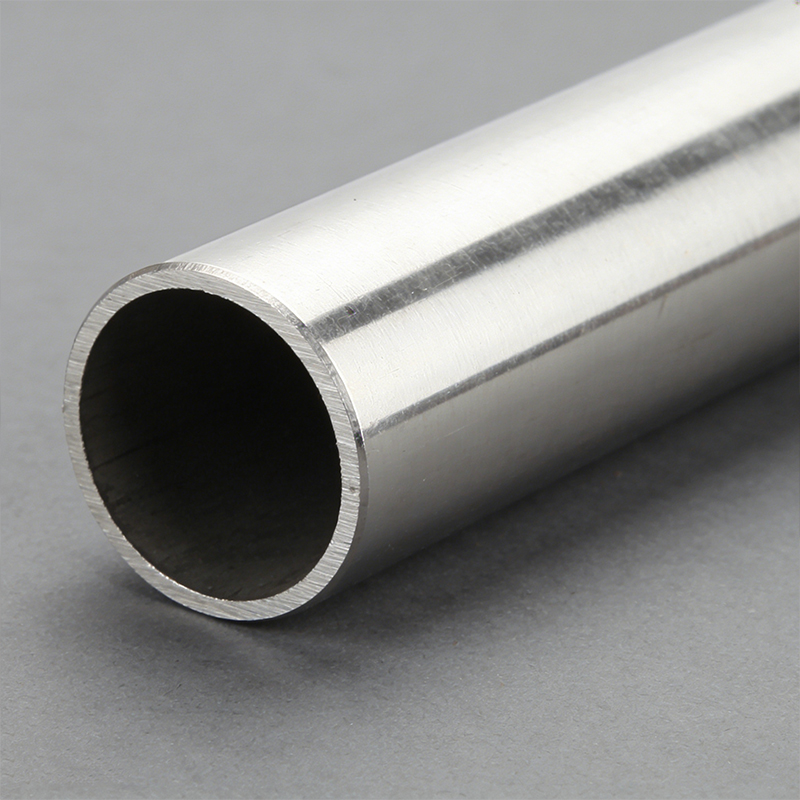
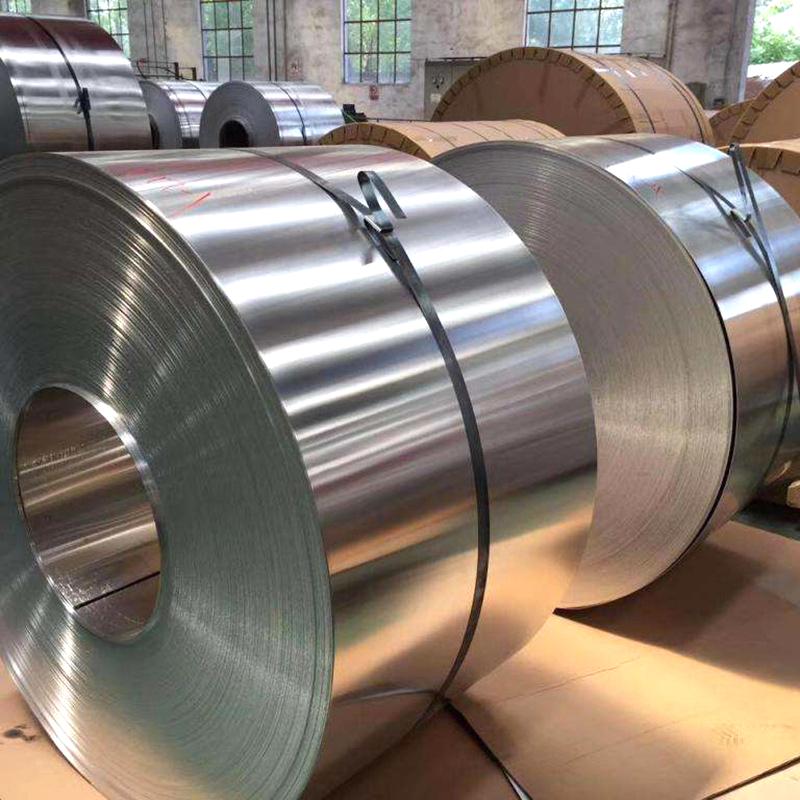
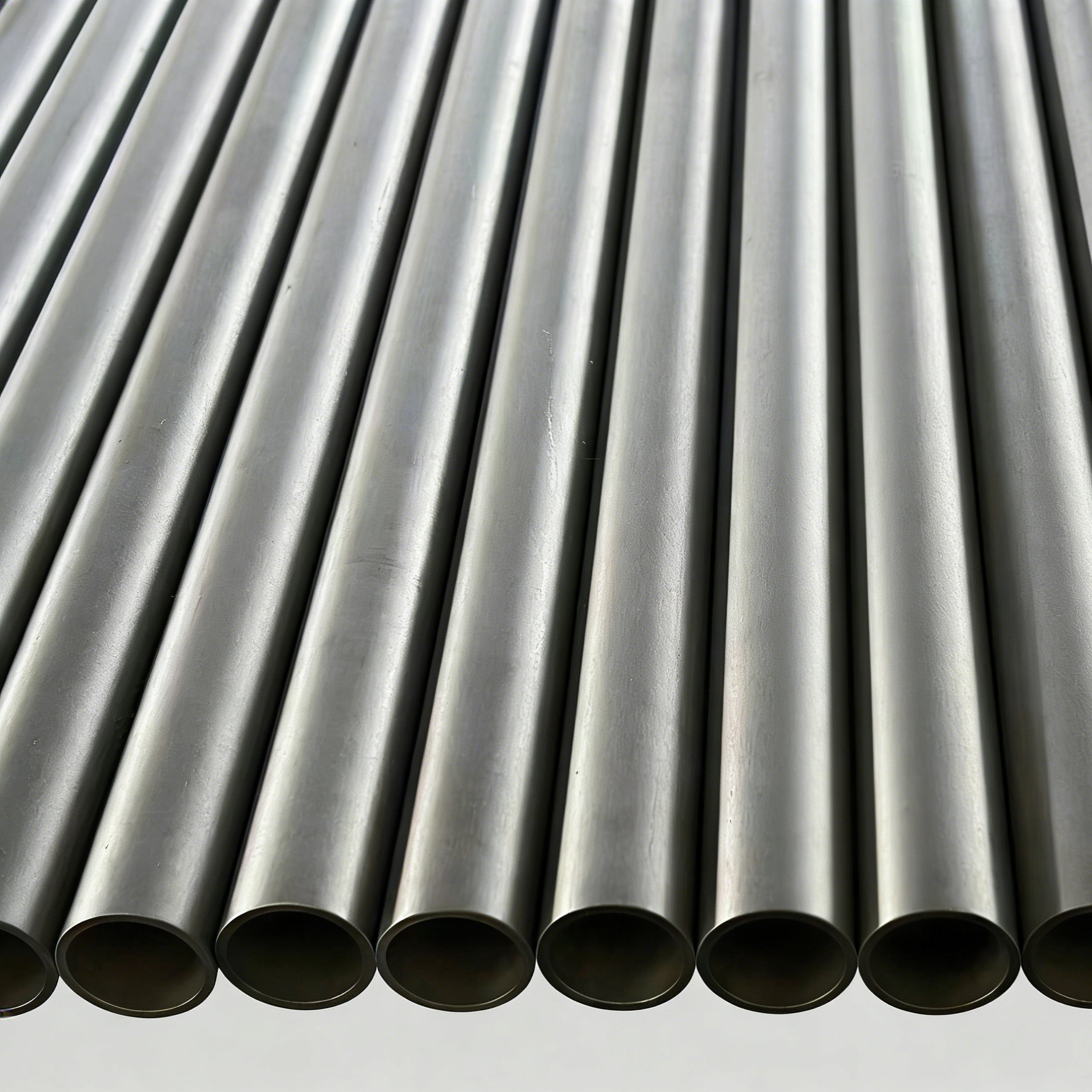
What Buyers Should Know
When considering Inconel 718 for their projects, buyers should focus on several key aspects:
Application Suitability: Buyers must evaluate the specific conditions in which the material will be used, including temperature, pressure, and potential exposure to corrosive environments. For instance, Inconel 718 is ideal for aerospace applications like turbine blades, where high strength and thermal stability are crucial.
Quality Standards: Ensure that the supplier complies with relevant certifications such as ISO9001, AS9100, and other industry-specific standards. These certifications indicate a commitment to quality management and assurance processes.
Customization Capabilities: Depending on the application, custom dimensions or features may be required. Buyers should inquire about the manufacturer's ability to deliver tailored solutions, such as specific tolerances or surface treatments.
Lead Times and Minimum Order Quantities (MOQ): Understanding production timelines and MOQs is essential. Buyers should clarify these details upfront to avoid delays in project timelines.
By addressing these considerations, buyers can make informed decisions regarding their procurement of Inconel 718.