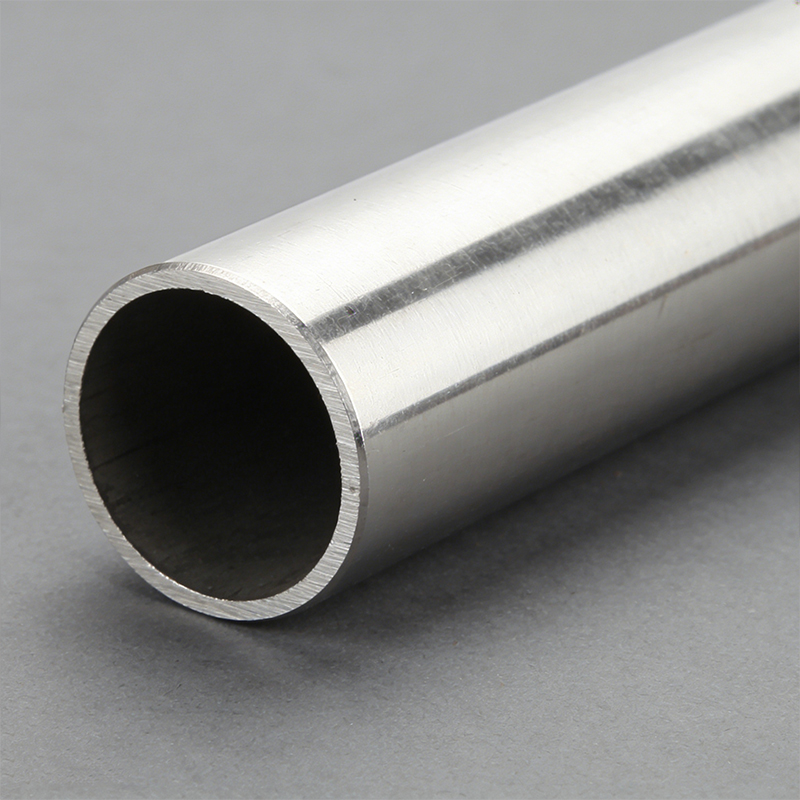
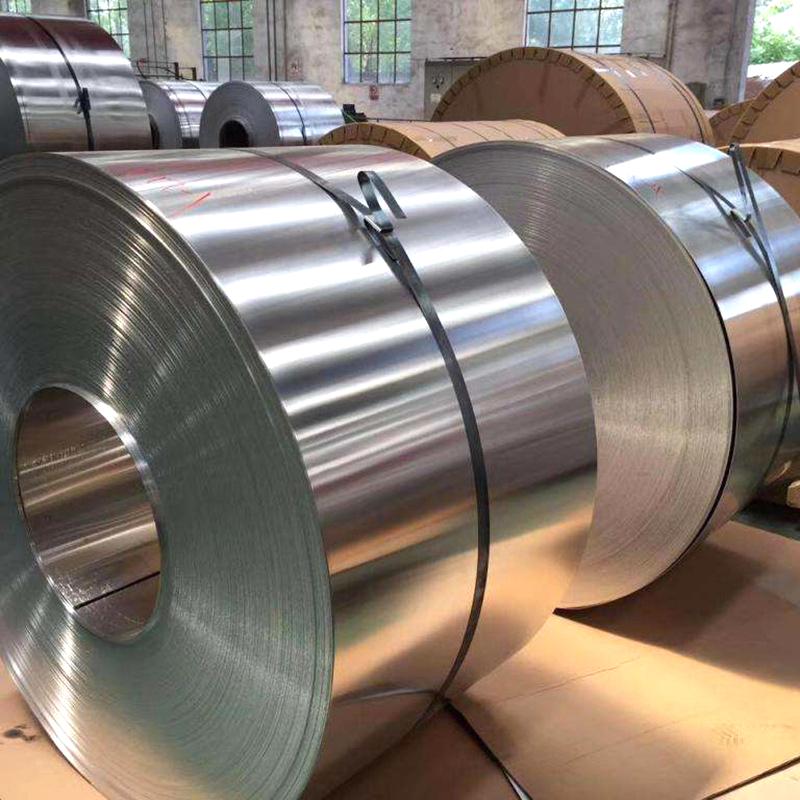
Inconel 625 Tubing: Specifications and Solutions

All Categories
Get a Quote

Get a Free Quote

Our representative will contact you soon.
Email
Mobile
Name
Company Name
Message
0/1000

Inconel 625 tubing

Inconel 625 tubing is a high-performance nickel alloy known for its exceptional resistance to high temperatures and corrosion, making it ideal for demanding applications across various industries. For B2B buyers, selecting the right tubing involves understanding specifications, quality assessments, and installation guidelines. This article aims to provide essential insights into Inconel 625 tubing, helping professionals make informed purchasing decisions.
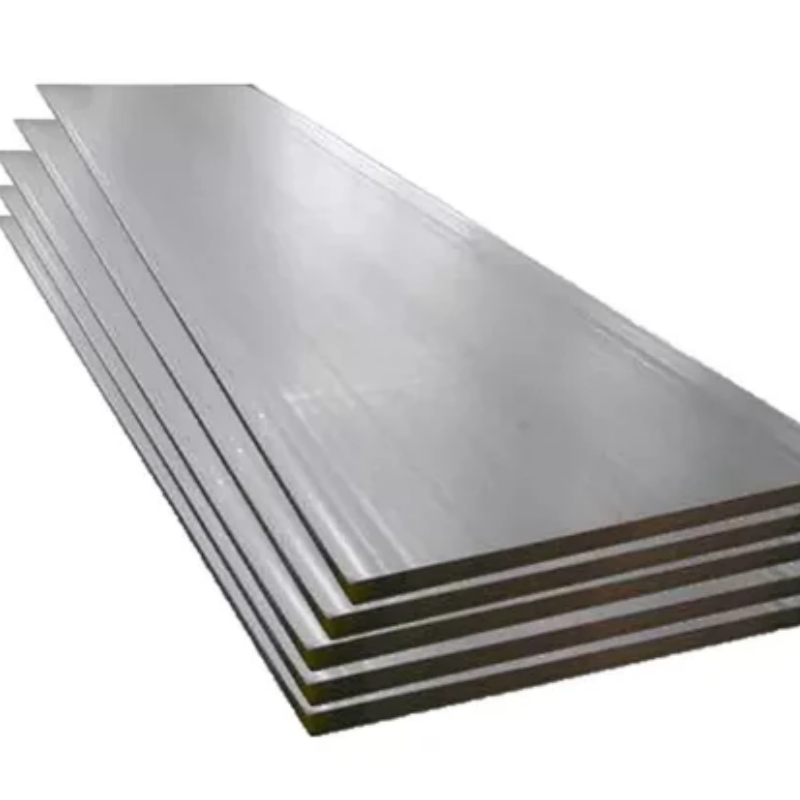
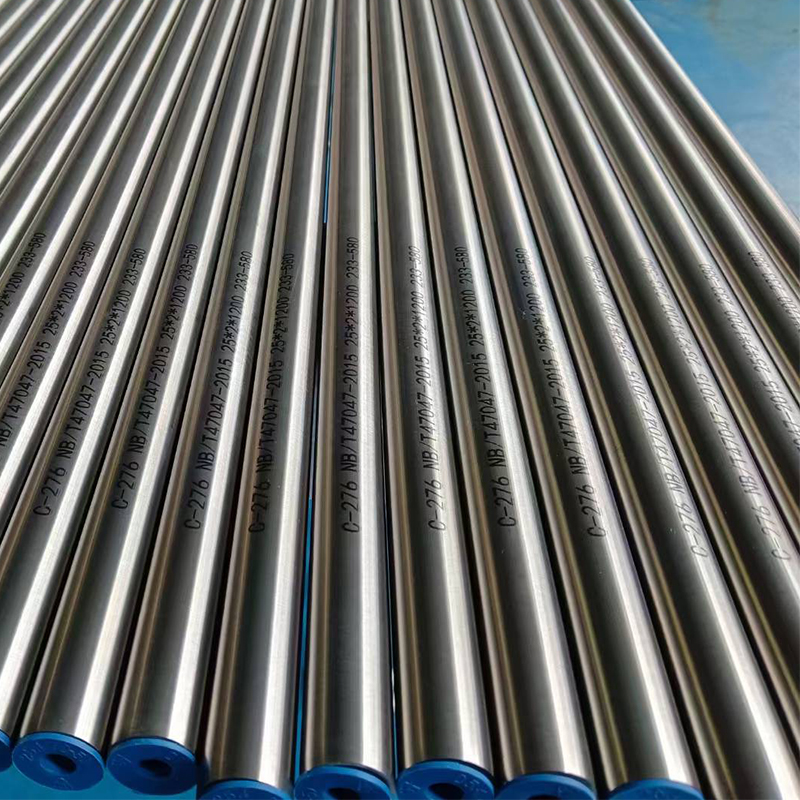
Our Products

What to Consider When Choosing Inconel 625 Tubing for Your Project

When selecting Inconel 625 tubing, several factors need to be considered to ensure it meets the specific requirements of your project. First and foremost, the intended application plays a crucial role. Inconel 625 is suitable for environments that involve high stress, extreme temperatures, and corrosive elements, such as aerospace, nuclear power, and petrochemical industries. 

Next, assess the tubing dimensions, including wall thickness and diameter. These specifications directly impact performance and compatibility with existing systems. Additionally, consider the manufacturing process—whether the tubing is seamless or welded—since seamless tubing typically offers better strength and corrosion resistance. 

Lastly, evaluate the supplier's ability to provide customization options. Depending on project specifics, you may require unique sizes or finishes. A supplier like Jiangsu Boyue Alloy Materials Co., Ltd. offers a comprehensive range of custom solutions, ensuring the tubing meets precise engineering standards.

Get a Free Quote

Our representative will contact you soon.
Email
Mobile
Name
Company Name
Message
0/1000

Related product categories

Key Specifications of Inconel 625 Tubing for Industrial Applications

Inconel 625 tubing is characterized by a few key specifications that significantly influence its performance in industrial settings. 

Material Composition: Inconel 625 primarily consists of nickel, chromium, and molybdenum, providing excellent resistance to oxidation and corrosion. This composition allows it to perform well in both reducing and oxidizing environments. 

Temperature Resistance: The tubing can withstand temperatures up to 1,800°F (982°C) without losing its mechanical properties. This feature is particularly crucial in high-temperature applications like jet engines and gas turbine components. 

Pressure Ratings: Depending on the wall thickness and diameter, Inconel 718 can handle varying pressure levels.  Buyers should verify the specific pressure rating required for their applications to avoid failures. 

Mechanical Properties: The alloy exhibits high tensile strength, fatigue resistance, and ductility. Understanding these mechanical properties helps buyers select the appropriate tubing for their unique applications. 

Standards and Certifications: Ensure that the tubing meets industry standards such as ASTM B444 and is certified by relevant authorities. This guarantees that the material has undergone rigorous testing and quality control.

How to Evaluate the Quality of Inconel 625 Tubing Suppliers

Evaluating suppliers of Inconel 625 tubing requires careful consideration of their manufacturing capabilities and quality assurance processes. Here are some criteria to assess: 

Certifications: Check for ISO 9001 and AS9100 certifications, which indicate adherence to quality management systems. These certifications reflect a commitment to producing reliable and high-quality products. 

Manufacturing Processes: Inquire about the Inconel 625 production methods used by the supplier. Advanced techniques such as vacuum induction melting and precision forging can enhance the quality of the tubing. 

Quality Control: A robust quality control process is essential. Suppliers should conduct thorough inspections, including dimensional checks and material testing, to ensure compliance with specifications. 

Experience and Reputation: Research the supplier’s experience within the industry. A well-established supplier, such as Jiangsu Boyue Alloy Materials Co., Ltd., with a proven track record in alloy materials can offer greater reliability. 

Customer Support: Consider the level of technical support and service provided. Suppliers should be ready to assist with specifications, customization needs, and any post-purchase inquiries.

Installation Guidelines for Inconel 625 Tubing in Various Industries

Proper installation of Inconel 625 tubing is vital for ensuring its longevity and performance. Here are some installation guidelines tailored to various industries: 

Aerospace: In aerospace applications, it’s crucial to follow strict tolerances and specifications. Ensure that all fittings are compatible and that the tubing is properly secured to prevent vibration-induced failures. 

Oil and Gas: In high-pressure environments, the tubing must be installed with precision. Utilize appropriate sealing methods to prevent leaks and ensure that the tubing is adequately supported to avoid stress concentrations. 

Nuclear Power: Installation in nuclear settings requires adherence to safety standards. It’s essential to use certified personnel for installation and to conduct thorough inspections before commissioning. 

General Guidelines: Always refer to the manufacturer's installation instructions. Use appropriate tools and techniques to avoid damaging the tubing during installation. Consider temperature and pressure conditions during operation to ensure optimal performance.

Common Problems with Inconel 625 Tubing and Effective Solutions

Despite its robust properties, Inconel 625 tubing can face certain issues during its lifecycle. Here are some common problems and effective solutions: 

Corrosion: Although Boyue Inconel 625 is resistant to many corrosive environments, it can still suffer from localized corrosion in certain conditions. Regular monitoring and maintenance can help identify potential corrosion issues early. In high-risk environments, applying protective coatings may provide additional protection. 

Stress Corrosion Cracking (SCC): This can occur in environments with high temperatures and specific chemical exposures. To mitigate this risk, ensure proper material selection and environmental controls are in place. Regular inspections should be conducted to identify any signs of cracking. 

Weld Quality Issues: Improper welding techniques can lead to weak joints. It’s crucial to use qualified welders and follow recommended welding procedures to maintain the integrity of the tubing. Pre- and post-weld heat treatments can also improve the quality of welded joints. 

Dimensional Tolerances: Variations in tubing dimensions can lead to installation challenges. Always verify the dimensions against project specifications prior to installation. If discrepancies are found, consult with the supplier for solutions or replacements. 

By understanding these common problems and their solutions, buyers can proactively manage their Inconel 690 to ensure reliable performance across applications.