Choosing Inconel 601 for Industrial Applications

All Categories
Get a Quote

Get a Free Quote

Our representative will contact you soon.
Email
Mobile
Name
Company Name
Message
0/1000

Inconel 601

Inconel 601 is a nickel-chromium alloy renowned for its exceptional resistance to oxidation and corrosion, making it ideal for various industrial applications. As a B2B buyer, you may have concerns about selecting the right alloy for your projects, evaluating its quality, sourcing reliable suppliers, and addressing installation challenges. This article aims to provide valuable insights into these key areas, helping you make informed decisions regarding inconel 601 for your manufacturing and engineering needs. 
Our Products

How to Choose Inconel 601 for Your Next Projec

When selecting Inconel 601 for your project, it's crucial to consider the specific requirements of your application. This alloy is particularly effective in environments exposed to high temperatures and corrosive atmospheres, offering excellent oxidation resistance up to 2200°F (1204°C). Key factors to evaluate include: 

Temperature and Environment: Assess the operating temperature and the chemical environment. The inconel material performs well in high-temperature settings, but ensure that the specific conditions of your application do not exceed its limitations. 

Mechanical Properties: Understand the mechanical properties such as tensile strength, yield strength, and elongation. Inconel 601 exhibits high strength and good ductility, which is essential for applications requiring durability under stress. 

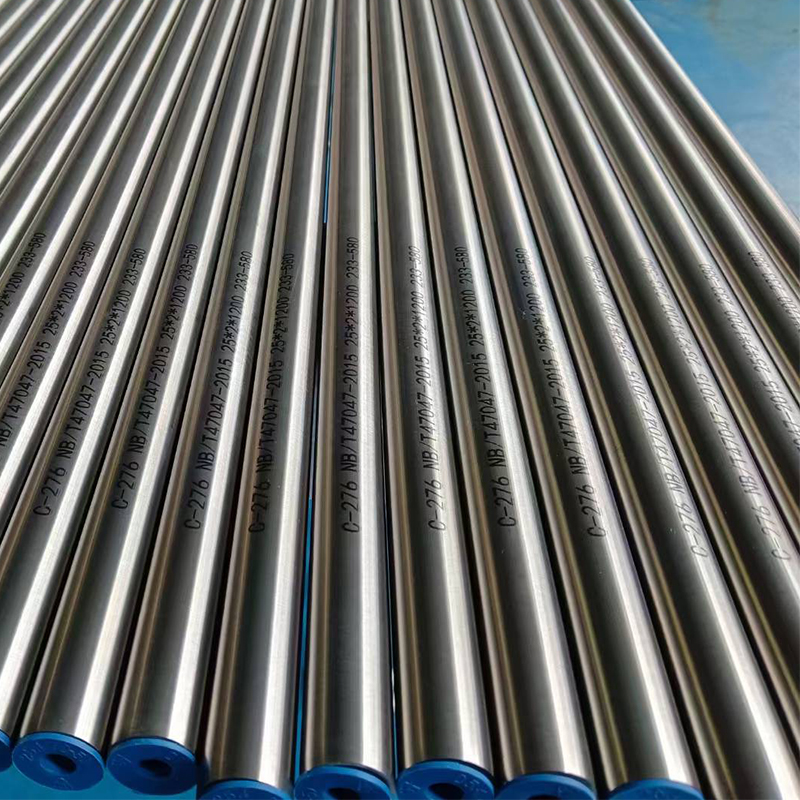
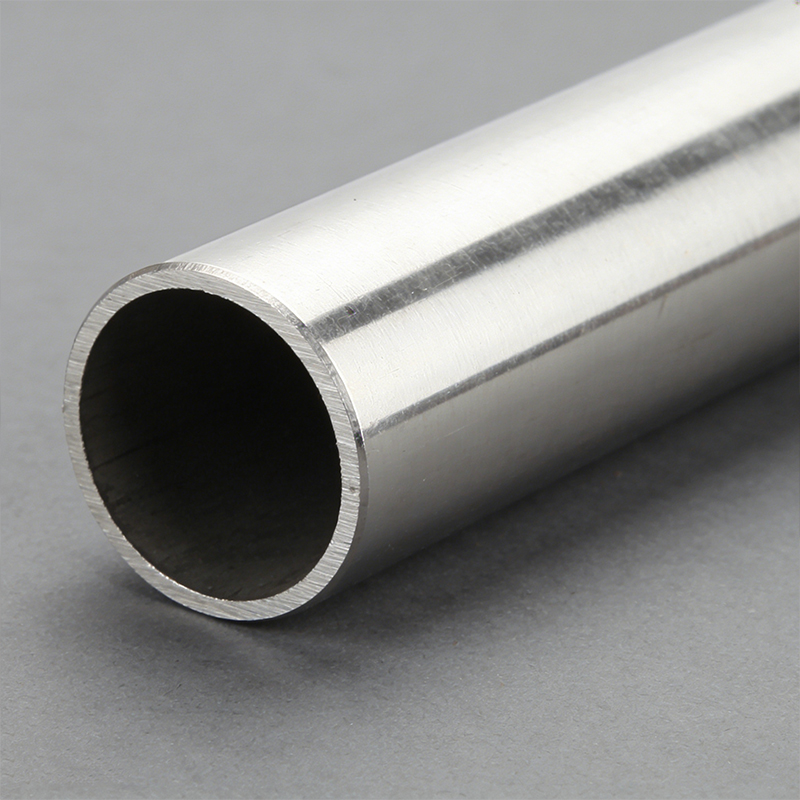
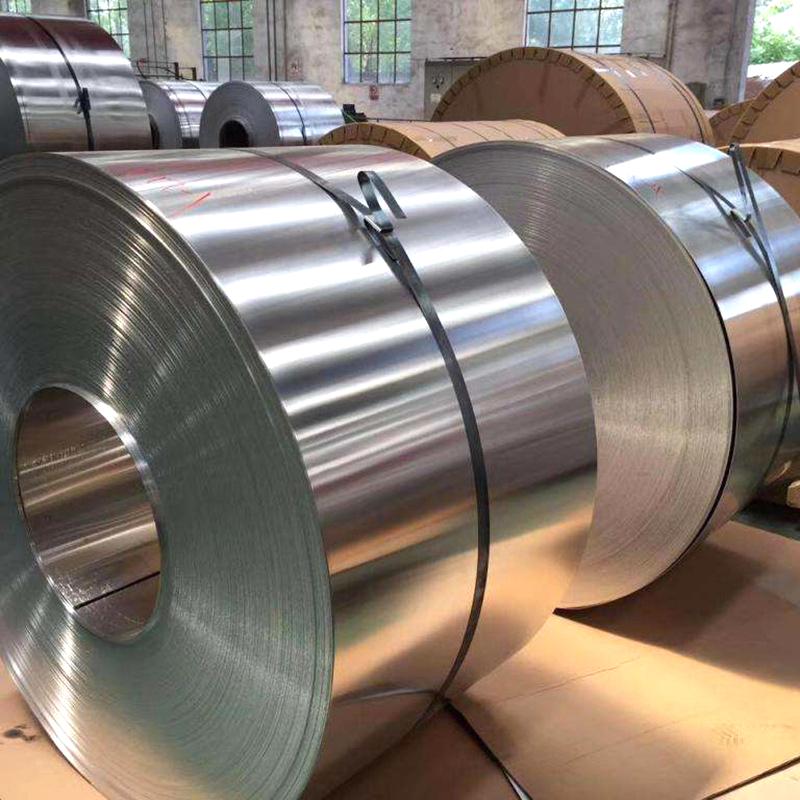
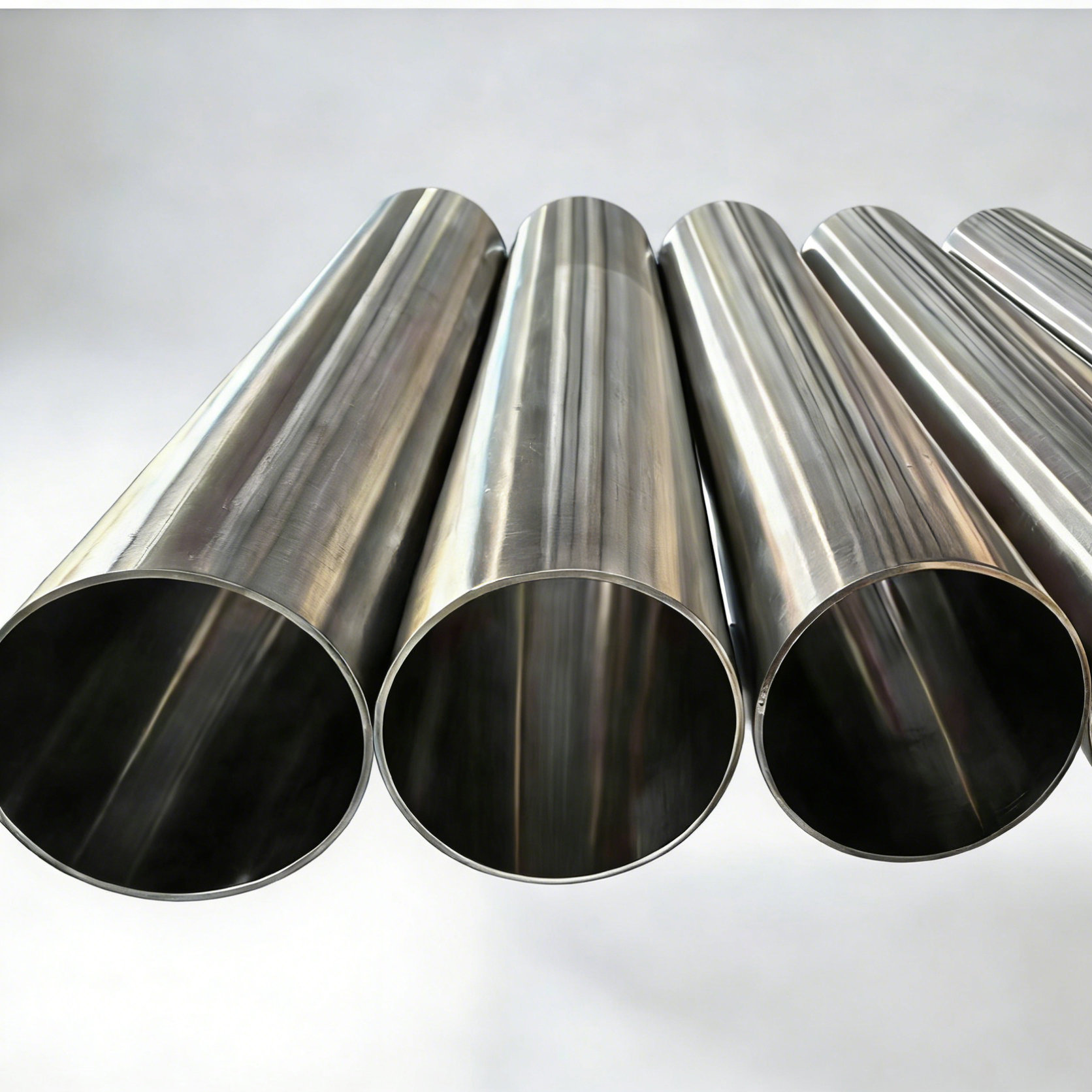
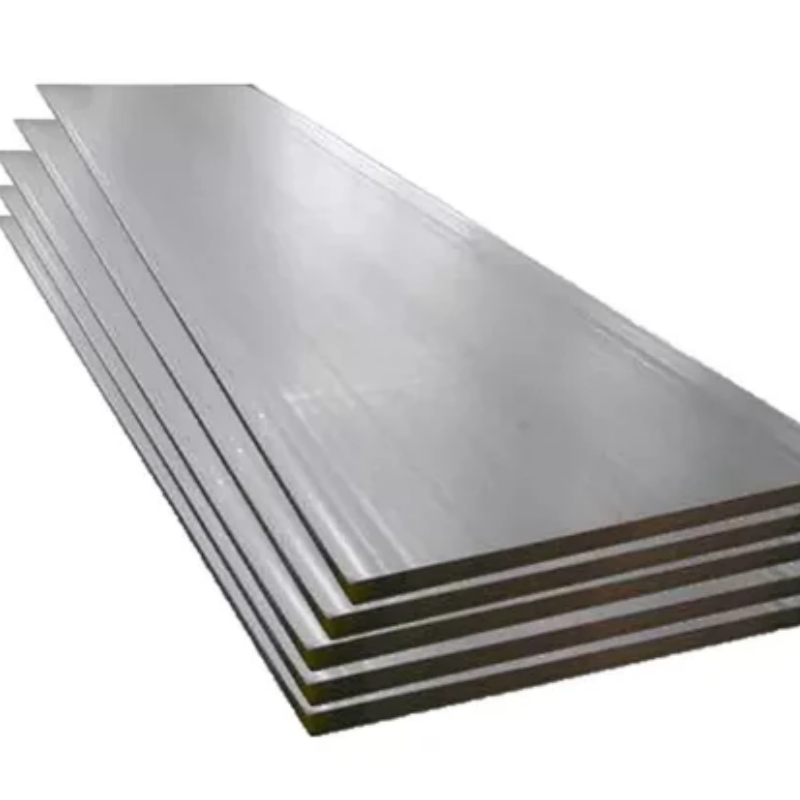
Form and Dimensions: Determine the form you need, whether it be pipes, plates, or fasteners. Customization capabilities may be necessary to meet specific dimensional requirements. 

Compliance and Certification: Ensure that the material meets necessary industry standards and certifications relevant to your sector, such as ISO9001, AS9100, or PED, which are crucial for industries like aerospace and nuclear power. 

By carefully considering these factors, you can make an informed choice that aligns with your project requirements. 

Get a Free Quote

Our representative will contact you soon.
Email
Mobile
Name
Company Name
Message
0/1000

Related product categories

Evaluating the Quality of Inconel 601 for Industrial Use

Evaluating the Quality of Inconel 601 for Industrial Use

Quality evaluation of Inconel 601 is critical to ensure it meets the performance standards required for your application. Buyers should focus on the following aspects: 

Material Certification: Request certification documents from suppliers to verify that the alloy meets specified standards. Certifications such as ASTM and ASME should accompany the material, confirming its compliance. 

Testing and Inspection: Quality control processes should include rigorous testing methods such as tensile tests, hardness tests, and corrosion resistance evaluations. This ensures that the material will perform as expected under operational conditions. 

Sample Approval: Before committing to mass production, obtain a sample and conduct a thorough inspection. Evaluate the sample for dimensions, surface finish, and any potential defects. Testing the sample under real operational conditions can uncover issues that might arise during actual use. 

Supplier Reputation: Research suppliers’ reputations in the market. Established suppliers like Jiangsu Boyue Alloy Materials Co., Ltd., with experience in manufacturing and quality management, can provide reassurance regarding the quality of their Inconel 601 offerings. 

By following these guidelines, you can ensure the Inconel 601 you procure will meet the necessary quality standards for your project. 

Where to Source Reliable Suppliers of Inconel 601

Finding reliable suppliers of Inconel 601 requires thorough research and evaluation. Consider the following strategies: 

Industry Networks and Referrals: Utilize professional networks and industry contacts to identify reputable suppliers. Recommendations from peers can lead to trustworthy sources with proven track records. 

Online Directories and Marketplaces: Platforms such as ThomasNet or Alibaba can help you find various suppliers. Look for those with verified credentials and positive customer feedback. 

Supplier Audits: If possible, conduct audits of potential suppliers. Assess their manufacturing capabilities, quality control processes, and compliance with industry standards. A well-established supplier like Jiangsu Boyue Alloy can demonstrate capabilities in alloy material research and development, manufacturing, and custom services. 

Request for Quotations (RFQs): Send RFQs to multiple suppliers to compare pricing, lead times, and terms. Ensure that you provide clear specifications to receive accurate quotes. 

By employing these sourcing strategies, you can build a list of potential suppliers who can meet your needs for inconel alloy 601. 

Common Installation Problems with Inconel 601 and Solutions

While Inconel 601 is a robust material, installation challenges can arise. Being aware of these issues and their solutions can streamline your project: 

Welding Issues: Inconel 601 can be challenging to weld due to its high nickel content. Preheat the material and use the appropriate filler materials to minimize cracking. Consulting with your welding team about best practices can also help. 

Thermal Expansion: The material's thermal expansion properties must be considered, as Inconel 601 expands significantly when heated. Ensure that installation designs accommodate this expansion to prevent stress and potential failure. 

Compatibility with Other Materials: When joining Inconel 601 with other metals, galvanic corrosion can occur. Use compatible materials and coatings to prevent corrosion at the joints. 

Surface Preparation: Proper surface preparation is essential before installation. Ensure that all surfaces are clean and free of contaminants to achieve optimal adhesion and performance. 

By being proactive about these installation challenges, you can mitigate risks and enhance the longevity of your Inconel 601 components.  

Applications of Inconel 601 in Aerospace and Energy Sectors

Inconel 601 is widely used across various industries, particularly in aerospace and energy sectors. Its properties make it suitable for numerous applications: 

Aerospace: Inconel 601 is utilized in aircraft engines and components that face extreme temperatures and corrosive environments. Its ability to withstand oxidation makes it ideal for gas turbine engines, where high-performance materials are critical. 

Energy Production: In the energy sector, Inconel 601 is often used in components for nuclear reactors and gas turbines. Its resistance to high-temperature oxidation allows it to perform efficiently in energy generation applications. 

Chemical Processing: The alloy's excellent corrosion resistance makes it suitable for chemical processing equipment, including heat exchangers and reactors, where exposure to harsh chemicals is common. 

Oil and Gas: Inconel 601 is also employed in oil and gas applications, particularly in environments that experience high pressures and temperatures, such as downhole equipment and piping systems. 

Understanding these applications can help you determine if Inconel 601 is the right choice for your specific industrial requirements, offering performance and reliability in critical environments.