 EN

Inconel 625 is a high-performance nickel-chromium alloy known for its exceptional resistance to extreme temperatures and corrosive environments. This makes it a preferred choice for industries such as aerospace, petroleum, and nuclear power. When considering Inconel 625 for your projects, it's crucial to address buyer concerns regarding material properties, quality assurance, and supplier evaluation. This article will help you navigate these aspects effectively, ensuring you make well-informed purchasing decisions.
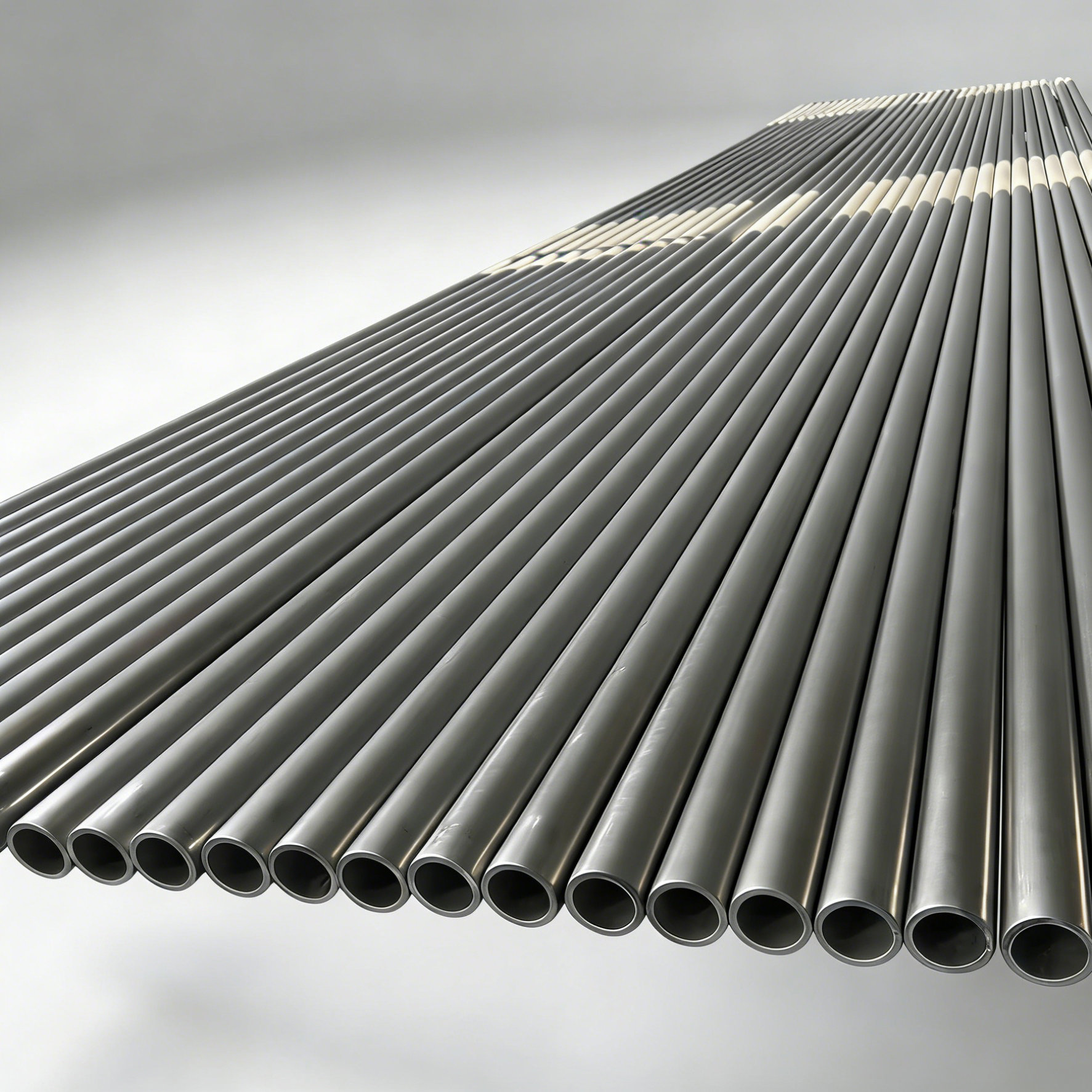
Key Specifications to Consider When Sourcing Inconel 625
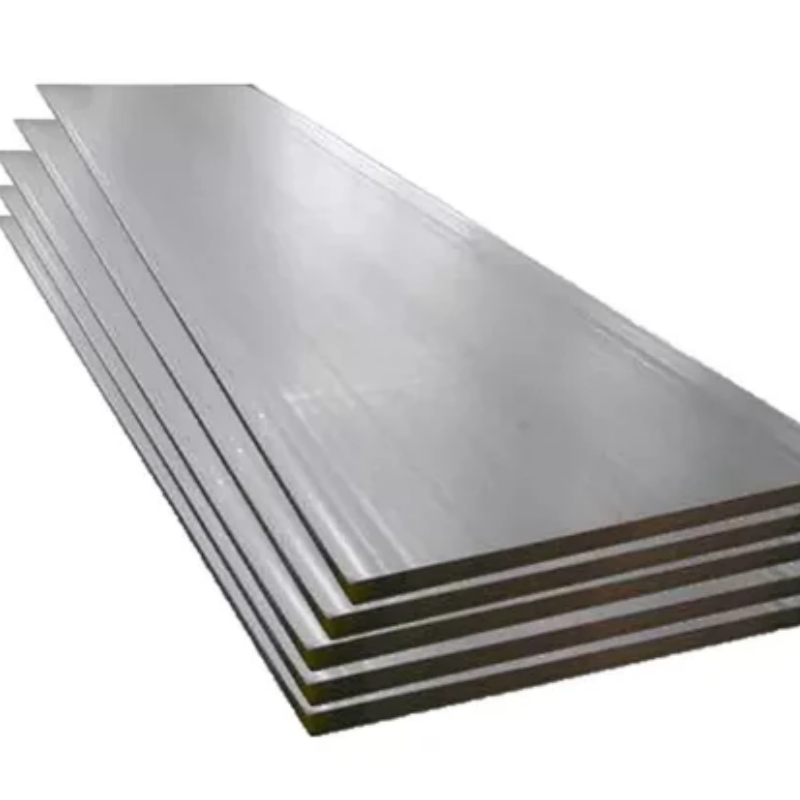
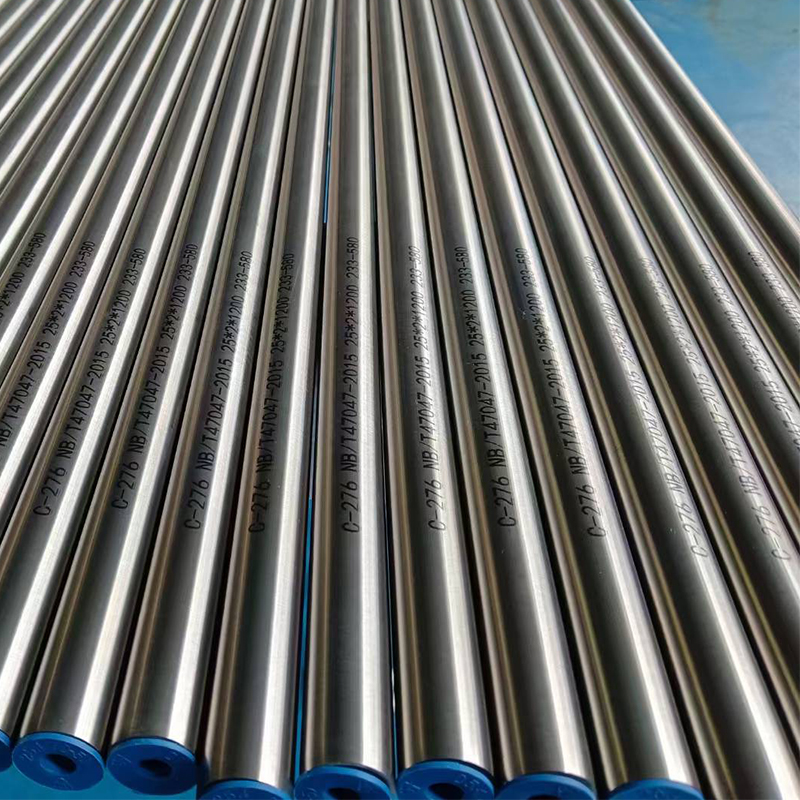
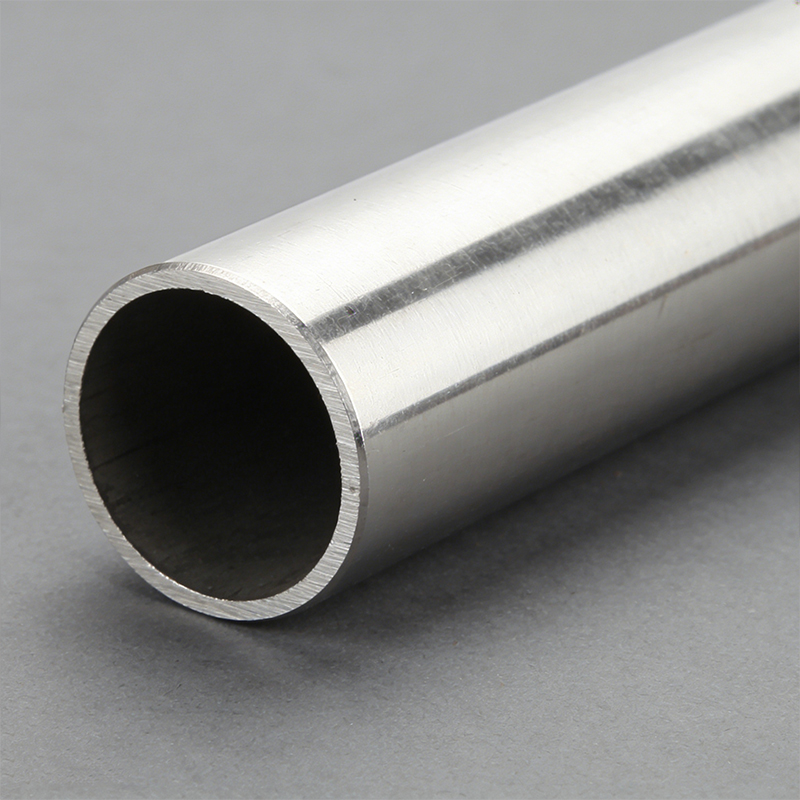
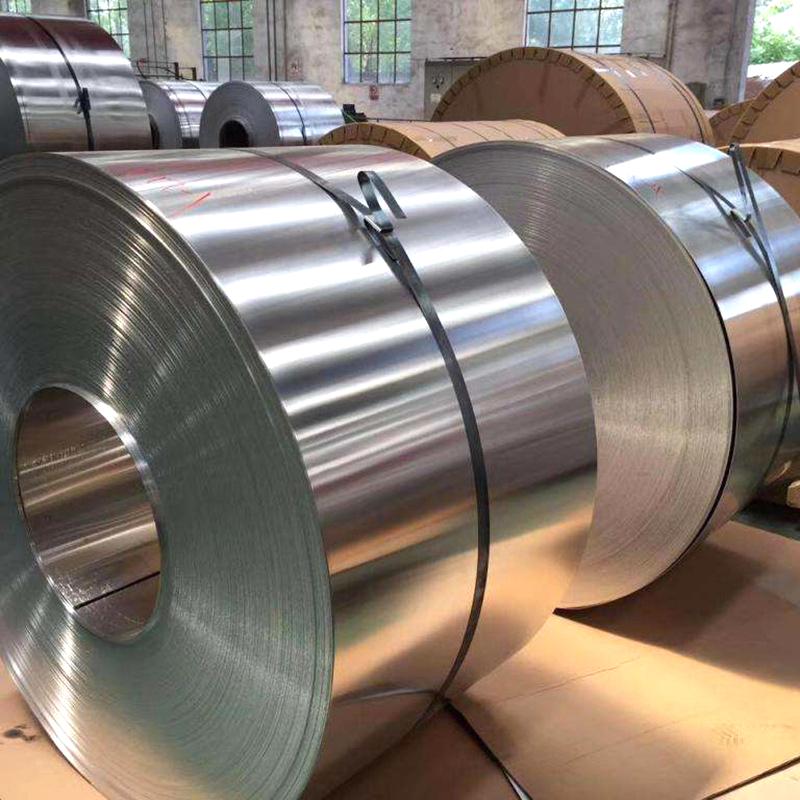
When sourcing Inconel 625, several specifications are vital to ensure the material meets your project requirements: Chemical Composition: Inconel 625 typically contains nickel (58%), chromium (20-23%), and molybdenum (8-10%). Variations in composition can affect performance, so it is crucial to verify that the alloy meets the specific standards required for your application. Mechanical Properties: Key properties include yield strength, tensile strength, and elongation. For instance, Inconel 625 exhibits a yield strength of approximately 30 ksi (207 MPa) at room temperature, which is essential for applications involving heavy loads. Form and Dimensions: Inconel 625 is available in various forms, including plates, pipes, and fasteners. Ensuring that the dimensions align with your design specifications is crucial for seamless integration into your manufacturing process. Standards and Certifications: Make sure the supplier provides certifications that comply with industry standards such as ISO9001, AS9100, and API. These certifications demonstrate a commitment to quality and reliability in manufacturing processes. Buyers should confirm these specifications with suppliers before placing an order to avoid issues during production or installation.