 EN

Inconel 625 welding rods are critical components in various high-performance applications, known for their excellent resistance to extreme temperatures and corrosive environments. For B2B buyers, understanding the specifications, quality standards, and applications of these rods is essential for making informed purchasing decisions. This article will explore the key factors to consider when selecting Boyue nickel welding rod, ensuring that your projects meet the highest standards of performance and reliability.
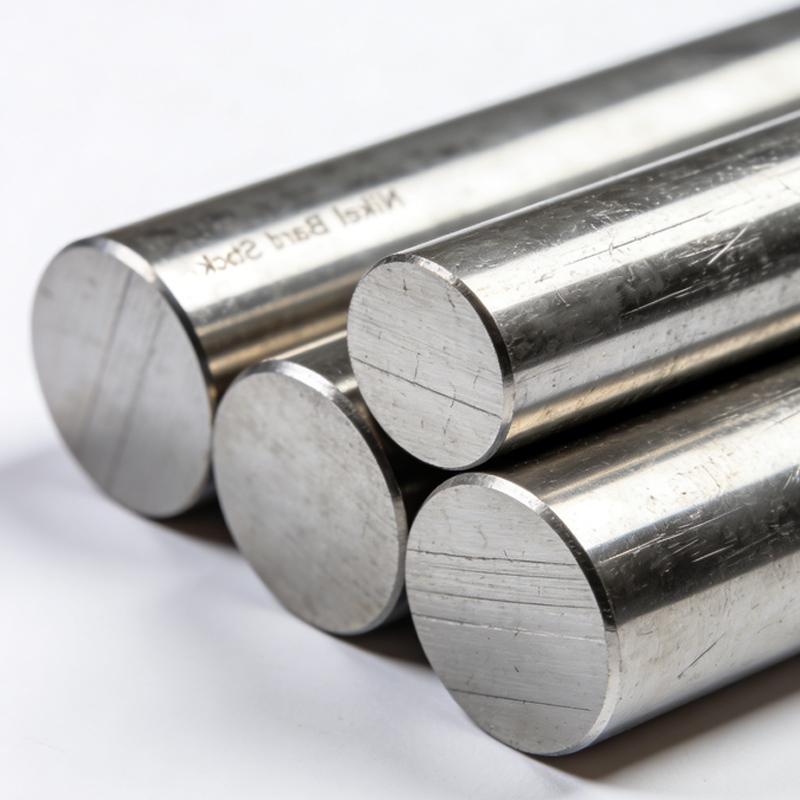
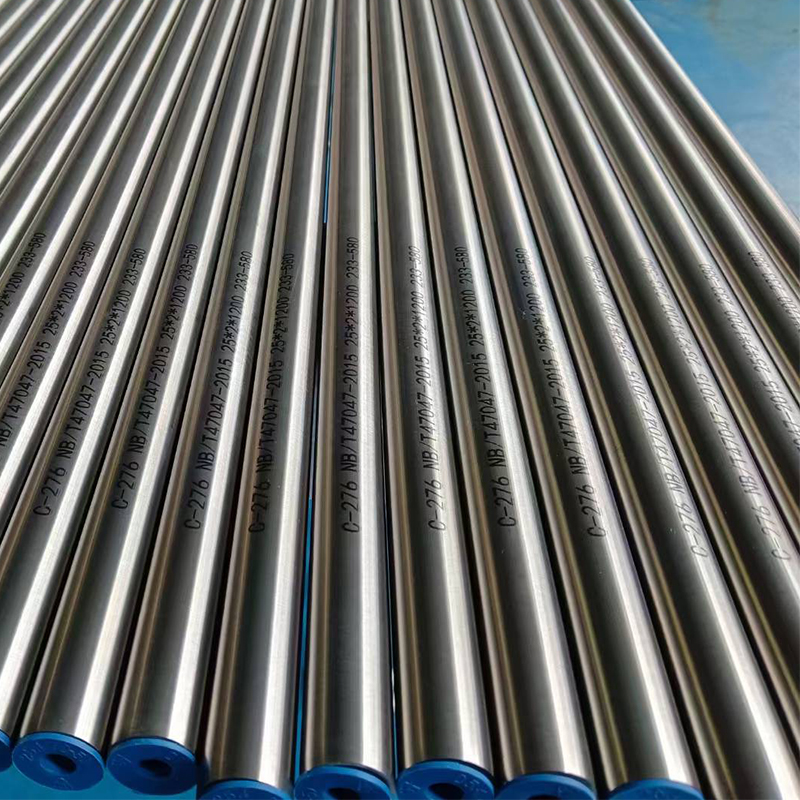
Key Specifications of Inconel 625 Welding Rod for Bulk Orders
Boyue Inconel 625 welding rods come with specific technical specifications that are crucial for bulk orders. The primary considerations include chemical composition, mechanical properties, and the welding process compatibility.
Chemical Composition: Inconel 625 typically contains nickel (58% min), chromium (20% min), and molybdenum (8% min), along with trace amounts of other elements. Understanding this composition is vital as it directly impacts the corrosion resistance and strength of the weld.
Mechanical Properties: Review the tensile strength, yield strength, and elongation values. For example, the tensile strength of Inconel 625 can reach up to 1,300 MPa (188,000 psi) at room temperature. These properties are essential for applications subjected to extreme mechanical stress.
Welding Process Compatibility: Different welding techniques have varying requirements for 55 nickel welding rod specifications. Ensure that the welding rod you choose is compatible with the technique you plan to use, as this will affect the quality and integrity of the weld.
When placing a bulk order, it's also advisable to discuss minimum order quantities (MOQ), lead times, and packaging options with your supplier to ensure that they align with your project timelines and requirements.