 EN

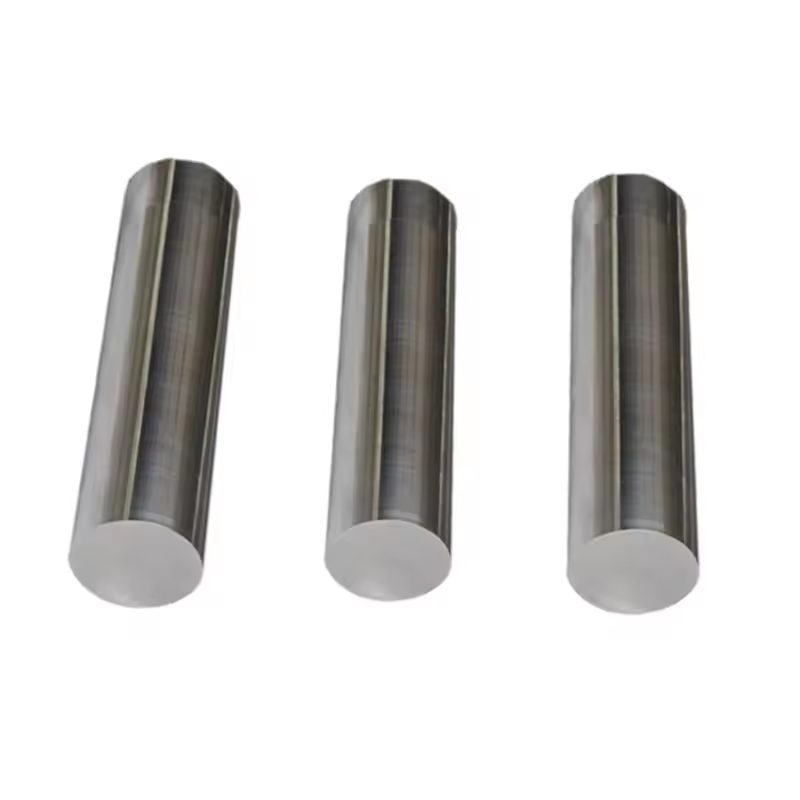
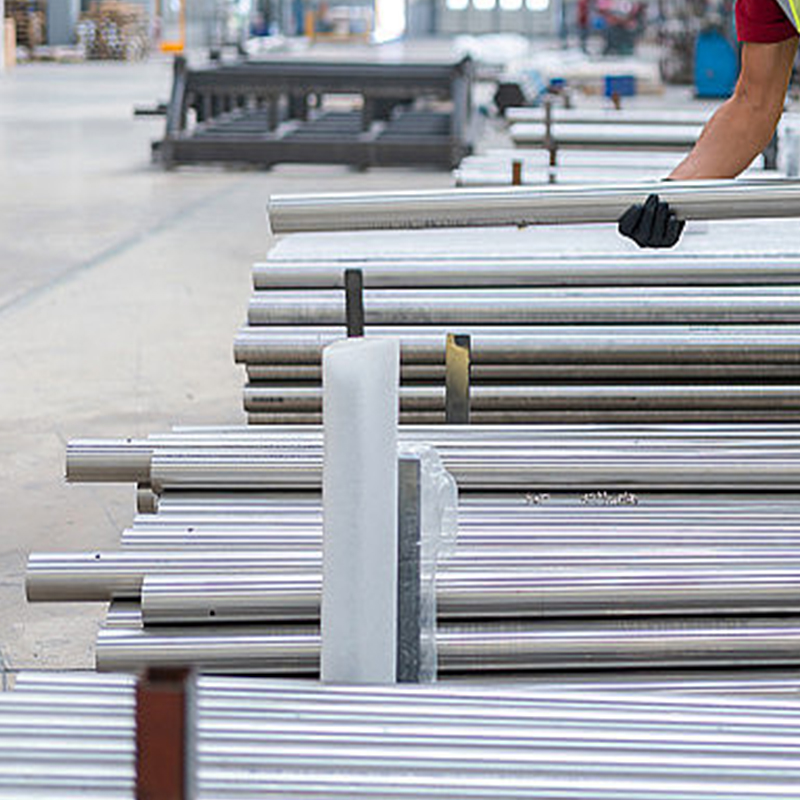
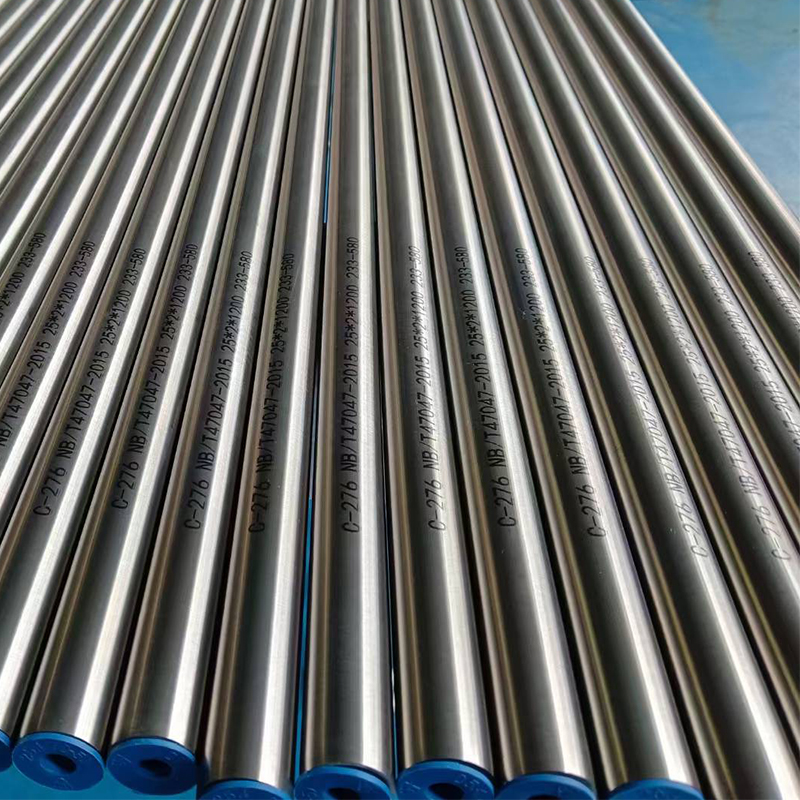
Inconel 600 tubing is a high-performance nickel-chromium alloy known for its exceptional resistance to oxidation and corrosion, making it suitable for demanding environments. For B2B buyers, such as purchasing managers and engineers, selecting the right Inconel 600 tubing involves understanding its specifications, cost factors, and application suitability. This article Inconel 601 will help you navigate the key considerations when sourcing Inconel 600 tubing to ensure optimal performance in your projects.
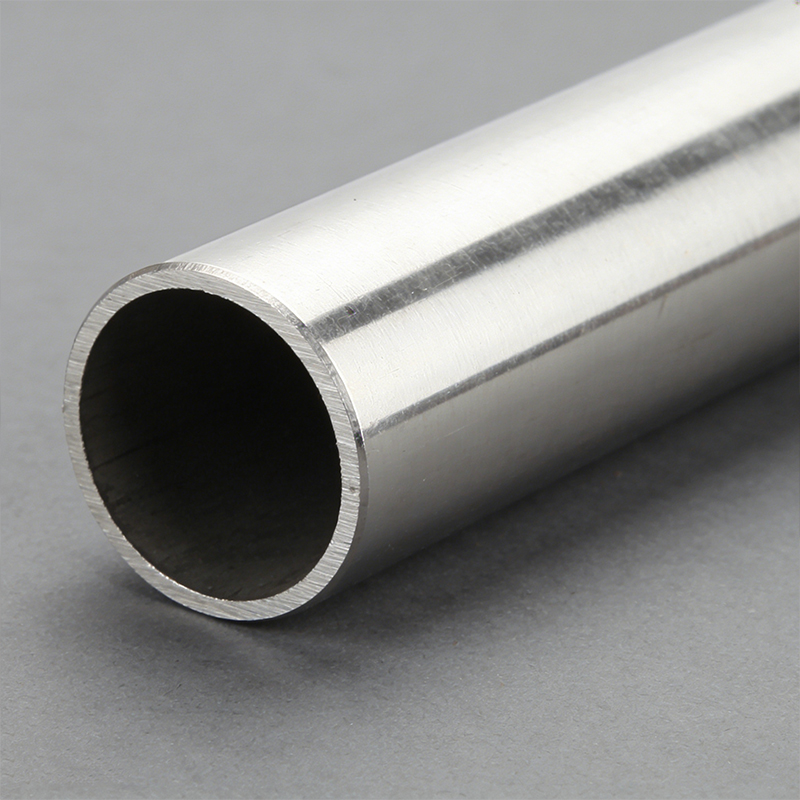
When evaluating Inconel 600 tubing
When evaluating Inconel 600 tubing, several key specifications should be reviewed:
Chemical Composition: Inconel 600 typically contains nickel (72%), chromium (14%), and iron (6%), which provides its unique corrosion-resistant properties. Ensure that the alloy meets the required standards for your specific application.
Dimensional Tolerances: Confirm the outer diameter, inner diameter, and wall thickness. These Incoloy 800H dimensions should align with industry standards (e. g., ASTM B163, ASTM B167) to ensure compatibility with assembly and installation processes.
Mechanical Properties: Look for tensile strength, yield strength, and elongation values. For instance, Inconel 600 has a tensile strength of approximately 75,000 psi, which is essential for high-stress applications.
Surface Finish: The surface finish can impact corrosion resistance and overall performance. Discuss with your supplier the necessary surface treatments that may enhance the tubing's durability.
Understanding these specifications will allow you to choose the right Inconel 600 tubing that meets your operational needs.