 EN

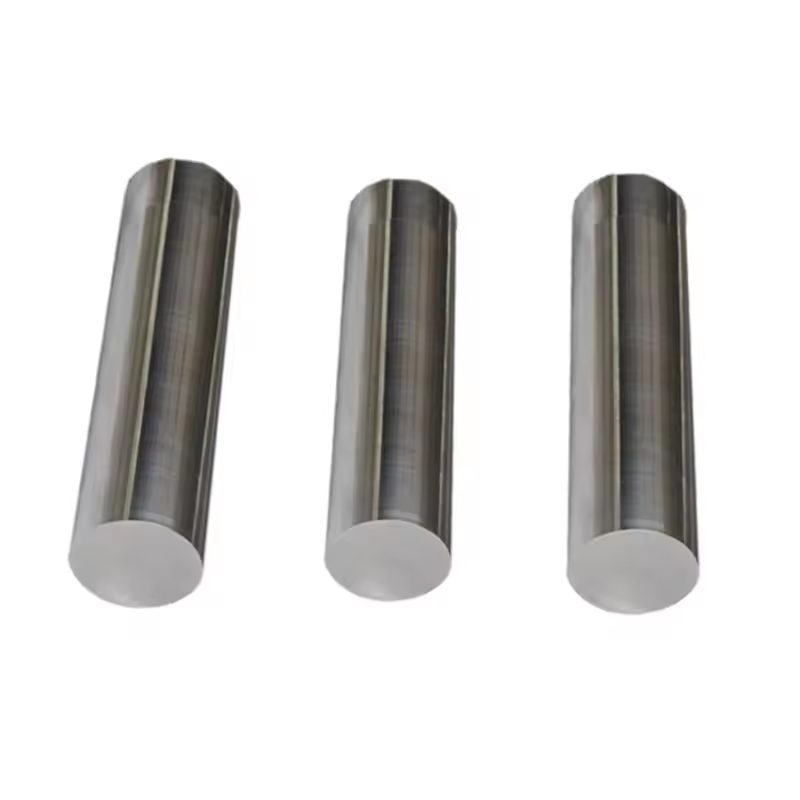
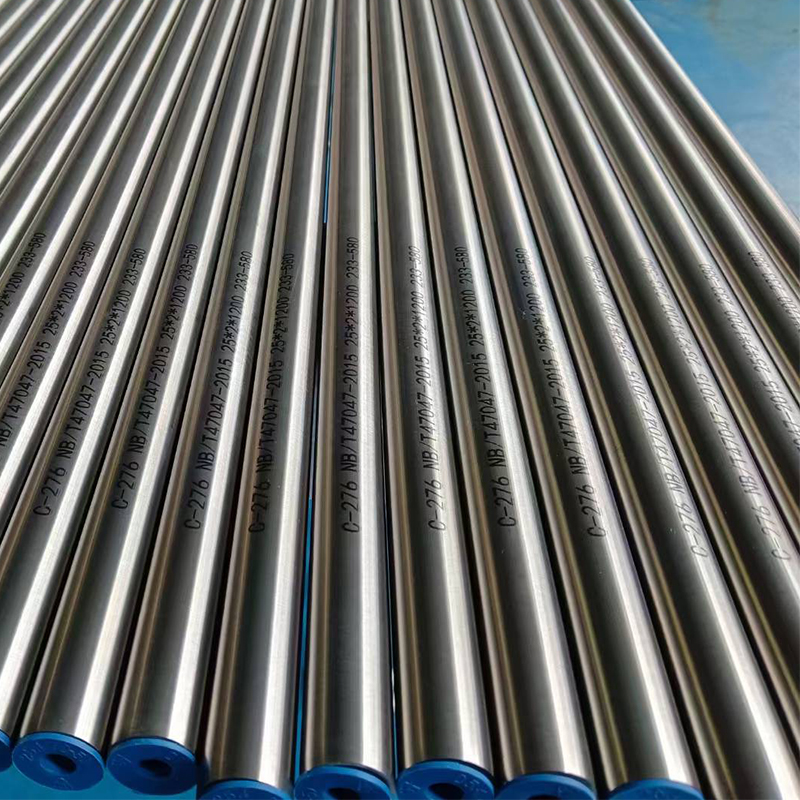
Inconel 600 rods are high-performance nickel-chromium alloy products known for their excellent oxidation and corrosion resistance, particularly in high-temperature environments. For B2B buyers in industries such as aerospace, petroleum, and nuclear power, understanding the specifications, quality factors, and sourcing options for Inconel 600 rods is crucial. This inconel superalloy article will provide insights into the essential considerations when procuring these rods, helping purchasing managers and engineers make informed decisions.
Quality assurance is paramount
Quality assurance is paramount when procuring Inconel 600 rods. Buyers should prioritize suppliers that adhere to recognized quality standards, such as ISO 9001 and AS9100, ensuring consistent manufacturing practices and product reliability. Additionally, incoloy 825 round bar certifications like PED (Pressure Equipment Directive) and API (American Petroleum Institute) can further validate a supplier’s commitment to quality, especially for industries requiring stringent safety standards.
Inspection processes also play a crucial role in maintaining quality. Buyers should request detailed quality control documentation, including material test reports (MTRs) and certificates of compliance. These documents provide insights into the rod’s chemical composition, mechanical properties, and performance testing results. Inspecting a sample before mass production is advisable; this enables buyers to verify critical specifications, such as tensile strength and elongation, which are vital for ensuring the rod meets operational demands.
Moreover, buyers should consider the manufacturer’s traceability practices. A reliable supplier should provide information regarding the raw material sources and the production processes used, which is essential for ensuring product integrity throughout its lifecycle.